
You’ll want units that grab ultrafine smoke, move lots of air, and stay quiet overnight. Top picks: WESTHEY H13 for large rooms and H13-level filtration; LEVOIT Core300‑P for bedrooms with proven CADR and low noise; GermGuardian AC4825W for compact, budget-conscious use with optional UV‑C; KNKA APH4000 for high CADR and real‑time AQI controls; Clorox HEPA for reliable medium-room performance. Keep an eye on CADR, HEPA rating, carbon capacity, and sensor accuracy to learn which fits your space.
| WESTHEY H13 True HEPA Air Purifier for Large Rooms | 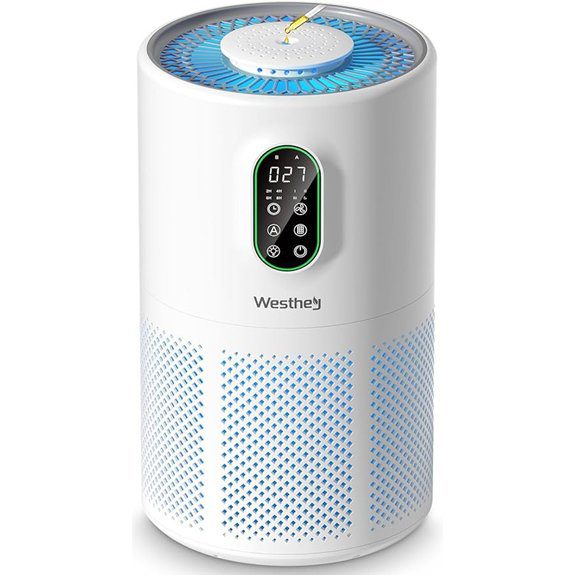 | Best for Large Spaces | HEPA Filtration: H13 True HEPA (captures 99.98% of 0.3 µm) | Coverage / Room Size: Up to 1,650 ft² (and 6 ACH in 275 ft²) | Multi‑speed / Fan Modes: Three fan speeds (1/2/3) + Sleep, Auto | VIEW LATEST PRICE | Read Our Analysis |
| LEVOIT Core300-P Air Purifier for Home (White) | 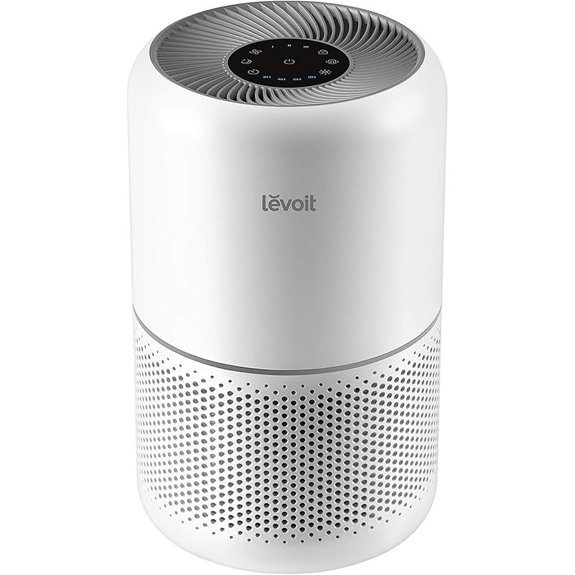 | Trusted Certified Pick | HEPA Filtration: HEPA-grade 3‑in‑1 filter (99.97% for 0.1–0.3 µm) | Coverage / Room Size: Refreshes 222 ft² 4.8×/hr; 1×/hr in 1,073 ft² | Multi‑speed / Fan Modes: Multiple speeds with Sleep Mode (QuietKEAP); Auto options (timers) | VIEW LATEST PRICE | Read Our Analysis |
| GermGuardian HEPA Air Purifier AC4825W for Large Rooms | 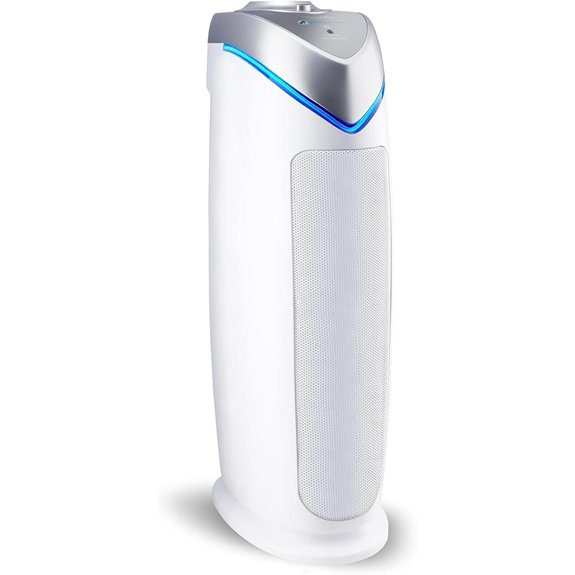 | Germ-Fighting Choice | HEPA Filtration: True HEPA (part of 3‑layer HEPA + charcoal + UV‑C; 99.97% to 0.1 µm) | Coverage / Room Size: Cleans 153 ft² in 12.5 min; up to 743 ft²/hour | Multi‑speed / Fan Modes: Three fan speeds; lowest sleep/gentle white noise | VIEW LATEST PRICE | Read Our Analysis |
| KNKA APH4000 HEPA Air Purifier for Large Rooms | 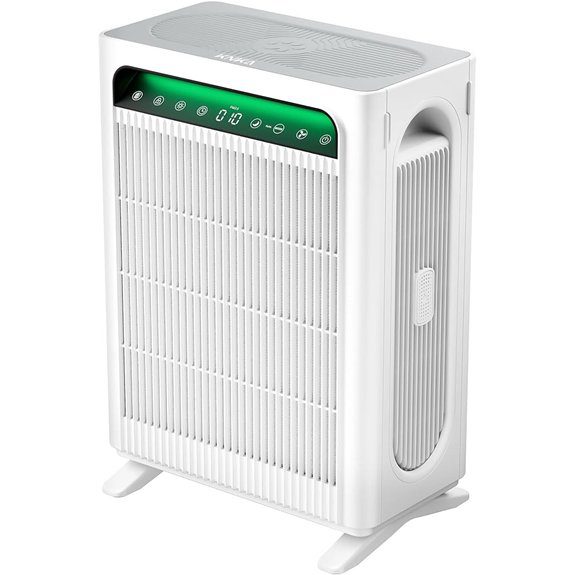 | High-Performance CADR | HEPA Filtration: True HEPA in each 3‑stage cartridge | Coverage / Room Size: 4.8×/hr to 350 ft²; 1×/hr to 1,695 ft² | Multi‑speed / Fan Modes: Four fan speeds + PET, ECO, Auto, Sleep modes | VIEW LATEST PRICE | Read Our Analysis |
| Clorox HEPA Air Purifier for Medium Rooms | 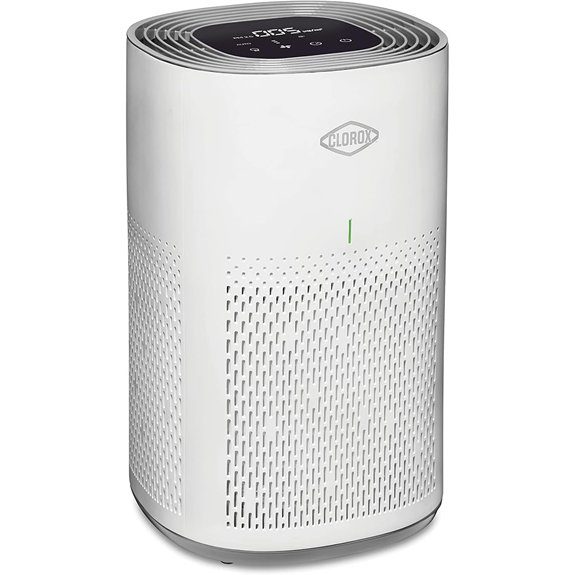 | Virus-Reduction Option | HEPA Filtration: True HEPA (99.97% for 0.1 µm) | Coverage / Room Size: Up to 5×/hr in 225 ft²; 1×/hr to 1,000 ft² | Multi‑speed / Fan Modes: Auto mode plus variable speeds; Sleep/quiet operation | VIEW LATEST PRICE | Read Our Analysis |
More Details on Our Top Picks
WESTHEY H13 True HEPA Air Purifier for Large Rooms
If you need a powerful, room-filling purifier that handles wildfire smoke and other fine particles, the WESTHEY H13 is a strong choice—its H13 True HEPA filter captures 99.98% of 0.3‑micron particles while the 360° intake and coverage up to 1,650 ft² mean it can clean large living areas quickly. You’ll get six air changes per hour in 275 ft², PM2.5 display with color prompts, and intelligent auto mode that adjusts fan speed to balance purification and energy. Use three fan speeds, timers, sleep mode at 15 dB, aromatherapy, and a filter-life indicator for easy maintenance.
- HEPA Filtration:H13 True HEPA (captures 99.98% of 0.3 µm)
- Coverage / Room Size:Up to 1,650 ft² (and 6 ACH in 275 ft²)
- Multi‑speed / Fan Modes:Three fan speeds (1/2/3) + Sleep, Auto
- Filter Change Indicator & Recommended Interval:Filter life indicator & replacement reminder; replace every 3–6 months
- Activated Carbon / Odor Removal:Removes odors; aromatherapy accessory (fragrance sponge)
- Auto Air‑Quality Sensing / Display:PM2.5 digital display; color prompts; Intelligent auto mode
- Additional Feature:Aromatherapy diffuser included
- Additional Feature:Colorful ambient nightlight
- Additional Feature:360° surround intake
LEVOIT Core300-P Air Purifier for Home (White)
Choose the LEVOIT Core300-P if you need a compact, high-efficiency purifier that quietly handles wildfire smoke in bedrooms and small living areas. You’ll get AHAM VERIFIDE performance, FCC and ETL certifications, and CARB compliance for California. The 56W motor delivers CADR of 143 CFM smoke (153 dust, 167 pollen) and refreshes 222 ft² nearly five times hourly. Its 3-in-1 HEPA-grade filter captures 99.97% of 0.1–0.3 μm particles; choose Smoke Remover or Toxin Absorber filters for better smoke or VOC control. Sleep Mode drops noise to 24 dB, controls are simple, and genuine filters preserve lifespan.
- HEPA Filtration:HEPA-grade 3‑in‑1 filter (99.97% for 0.1–0.3 µm)
- Coverage / Room Size:Refreshes 222 ft² 4.8×/hr; 1×/hr in 1,073 ft²
- Multi‑speed / Fan Modes:Multiple speeds with Sleep Mode (QuietKEAP); Auto options (timers)
- Filter Change Indicator & Recommended Interval:Check filter indicator; recommends genuine replacement filters (interval varies by use)
- Activated Carbon / Odor Removal:Filter options include Toxin Absorber / Smoke Remover / Pet Allergy (VOC/odor targeting)
- Auto Air‑Quality Sensing / Display:(Implicit) auto adjustments and display controls; CARB/FCC/ETL certifications (note: has sleep/display off)
- Additional Feature:AHAM VERIFIDE certified
- Additional Feature:Multiple filter choices
- Additional Feature:Compact modern design
GermGuardian HEPA Air Purifier AC4825W for Large Rooms
For rooms up to about 150 sq. ft., the GermGuardian AC4825W delivers powerful, compact filtration with a True HEPA filter, activated charcoal layer, and optional UV‑C light to trap 99.97% of particles down to 0.1 micron—including fine wildfire smoke—while staying quiet enough for sleeping at low speed. You’ll appreciate its 3‑layer system, portable tower design, and touch controls with three fan speeds. It cleans 153 sq. ft. in 12.5 minutes (up to 743 sq. ft./hr), uses 55 watts, and is Zero Ozone certified. Filters and UV bulb are replaceable; a 3‑year limited warranty adds peace of mind.
- HEPA Filtration:True HEPA (part of 3‑layer HEPA + charcoal + UV‑C; 99.97% to 0.1 µm)
- Coverage / Room Size:Cleans 153 ft² in 12.5 min; up to 743 ft²/hour
- Multi‑speed / Fan Modes:Three fan speeds; lowest sleep/gentle white noise
- Filter Change Indicator & Recommended Interval:Filter change indicator; genuine replacement filters recommended
- Activated Carbon / Odor Removal:Charcoal (carbon) layer for odors + UV‑C
- Auto Air‑Quality Sensing / Display:(No PM display specified) UV‑C optional; has touch controls and filter indicator (no explicit AQI display)
- Additional Feature:Built-in UV‑C bulb
- Additional Feature:3‑year limited warranty
- Additional Feature:Portable tower design
KNKA APH4000 HEPA Air Purifier for Large Rooms
The KNKA APH4000 is ideal when you need fast, high-capacity cleanup—its 226 CFM smoke/PM2.5 CADR refreshes air nearly five times an hour in rooms up to 350 ft², so you’ll notice smoke and fine particles drop quickly. You get dual front-and-back intakes and side outlets for maximized circulation, plus dual cartridges with washable pre-filters, True HEPA, and activated carbon to catch smoke, pollen, pet hair, and microscopic particles. Use PET, ECO, Auto, or Sleep modes and four fan speeds; Sleep runs at 22–24 dB. A real-time AQI display, color lights, and filter indicator simplify maintenance. Replace genuine filters every 3–6 months.
- HEPA Filtration:True HEPA in each 3‑stage cartridge
- Coverage / Room Size:4.8×/hr to 350 ft²; 1×/hr to 1,695 ft²
- Multi‑speed / Fan Modes:Four fan speeds + PET, ECO, Auto, Sleep modes
- Filter Change Indicator & Recommended Interval:Filter replacement indicator; replace every 3–6 months
- Activated Carbon / Odor Removal:Activated carbon filter in each cartridge (removes odors/VOCs)
- Auto Air‑Quality Sensing / Display:Built‑in sensor with real‑time AQI display and color‑coded lights; Auto mode
- Additional Feature:Dual side outlets
- Additional Feature:PET Mode turbo setting
- Additional Feature:Dual intake cartridges
Clorox HEPA Air Purifier for Medium Rooms
If you want reliable smoke and particle reduction in medium spaces, the Clorox HEPA Air Purifier delivers 360° True HEPA filtration that captures 99.97% of particles down to 0.1 micron and reduces viruses and bacteria as air passes through the filter—making it a solid choice for bedrooms, home offices, or living rooms during wildfire events. You get a 3-stage filter (pre-filter, True HEPA, active carbon), 360° airflow, and Energy Star efficiency. It cleans a 225 sq. ft. room up to five times hourly and shows PM2.5 levels with auto mode. Replace filters every 6–12 months; unit runs quietly at 30 dB.
- HEPA Filtration:True HEPA (99.97% for 0.1 µm)
- Coverage / Room Size:Up to 5×/hr in 225 ft²; 1×/hr to 1,000 ft²
- Multi‑speed / Fan Modes:Auto mode plus variable speeds; Sleep/quiet operation
- Filter Change Indicator & Recommended Interval:Filter life indicator (≈4,380 hours); replace every 6–12 months
- Activated Carbon / Odor Removal:Active carbon filter (reduces VOCs, odors)
- Auto Air‑Quality Sensing / Display:PM2.5 digital display; color‑coded air quality light; Auto mode
- Additional Feature:Energy Star certified
- Additional Feature:Red filter reminder light
- Additional Feature:Reduces viruses/bacteria (in‑filter test)
Factors to Consider When Choosing an Air Purifier for Wildfire Smoke
When you’re choosing an air purifier for wildfire smoke, focus on how well it captures the tiny particles that make smoke harmful. Check the CADR and room coverage, confirm it uses a true HEPA filter, and look for generous activated carbon to absorb gases and odors. Also consider the air changes per hour to ensure it cycles clean air frequently enough for your space.
Particle Size Filtration
Prioritize particle-size performance: wildfire smoke is dominated by fine PM2.5 (particles ≤2.5 µm) that penetrate deep into your lungs, so you’ll want a purifier with true HEPA-grade efficiency—captures ≥99.97% at 0.3 µm and demonstrably removes particles down into the 0.1–0.3 µm range. Check filter specs that list capture efficiency for PM2.5 or specific sizes around 0.1–0.3 µm, since combustion-generated smoke concentrates there. Don’t be misled by systems that emphasize airflow without high small-particle efficiency; a strong fan won’t help if the filter lets PM2.5 pass. Also choose units that pair genuine HEPA capture with activated carbon or similar adsorption for gases and odors—carbon complements but doesn’t replace HEPA’s role in removing harmful fine particulates.
CADR And Coverage
Thinking about CADR helps you match a purifier to the room: CADR for smoke measures how many cubic feet per minute of smoke-laden air the unit effectively cleans, so higher smoke CADR means faster removal of wildfire particles. You should pick a unit that provides 4–6 air changes per hour (ACH) for the room where you’ll use it. Convert CADR to coverage with: required CADR ≈ (room volume in ft³ × desired ACH) / 60. For example, a 300 ft² room with 8-ft ceilings (2,400 ft³) at 5 ACH needs ≈200 CFM. Use the smoke-specific CADR rating—not dust or pollen—to evaluate performance. For large or open areas, choose higher smoke CADR models or deploy multiple purifiers to reach the target ACH throughout the space.
True HEPA Filter
Matching CADR to room size gets you the airflow you need, but the filter itself determines what particles actually get trapped. You’ll want a True HEPA filter because it captures at least 99.97% of particles down to 0.3 microns, making it highly effective against PM2.5 from wildfire smoke that penetrates deep into lungs. Pair the True HEPA with a properly sized unit so you get multiple air changes per hour and reduce indoor PM2.5 quickly. Remember True HEPA won’t remove gases or VOCs, so consider systems that combine HEPA with activated carbon if odors or gaseous pollutants bother you. Finally, follow replacement intervals and check maintenance indicators—clogged filters lose efficiency fast.
Activated Carbon Capacity
Consider the activated carbon stage your smoke strategy’s backbone: it adsorbs the gaseous components—VOCs, odors, and semi-volatile organics—that HEPA can’t catch. You should prioritize carbon mass and bed thickness: thin or lightly coated layers with only a few grams saturate quickly in smoky conditions, while multi-hundred-gram beds deliver much longer, higher-capacity removal. Check reported carbon weight and look for high-surface-area media (m²/g) with micropore/mesopore balance to trap both small VOCs and larger semi-volatiles. Note manufacturers’ replacement guidance—normal use suggests 3–6 months, but heavy wildfire smoke can shorten life to weeks or a few months depending on carbon mass and room conditions. For best protection, pair a substantial carbon stage with True HEPA and watch odor/quality signals for saturation.
Air Changes Per Hour
A robust carbon stage helps remove gases and odors, but how quickly your purifier moves and replaces air determines how fast smoke levels actually fall. Air Changes Per Hour (ACH) tells you how many times the unit replaces room air each hour and directly affects smoke reduction speed. For meaningful relief aim for 4–6 ACH; during heavy smoke or for vulnerable people target 6–12 ACH. Calculate ACH using CADR: (CADR × 60) ÷ room volume (cubic feet). Increasing ACH reduces particle concentration exponentially—doubling ACH roughly halves the time to reach the same reduction. For large or open spaces, use multiple units or a purifier rated for the full volume instead of one undersized unit.
Real-Time Air Sensing
Using real-time PM2.5 sensing gives you immediate, actionable feedback on smoke levels so you can raise fan speed, seal the room, or ventilate as needed. Choose units with accurate sensors so auto modes actually boost airflow when PM2.5 spikes from wildfire smoke, reducing hazardous particles faster. Prefer digital displays or color-coded AQI indicators (green/yellow/red) so you can assess severity at a glance without separate gear. Remember some low-cost optical sensors can under- or over-report concentrations; pick models with proven accuracy or spot-check them against an independent monitor. Also look for sensing that links to automatic fan response and filter-life tracking so the purifier maintains effectiveness, optimizes energy use, and alerts you to replace filters after heavy smoke events.
Noise And Sleep Modes
Often you’ll want a near-silent purifier in bedrooms and living spaces, but don’t assume the quietest setting still removes smoke effectively — many sleep modes drop CADR to levels that slow particle removal. You should look for documented sleep or low-noise modes that reach about 20–30 dB so the unit won’t disrupt sleep during long smoke events. Verify the lowest noise rating at which the purifier still provides meaningful clean-air delivery; settings under ~25 dB often cut CADR too much. Prefer multiple fan speeds and an auto mode tied to real-time sensors so the device ramps up when smoke worsens and quiets down overnight. Check for timers and dimmable or switch-off displays. Confirm noise and sleep‑mode particle removal using manufacturer specs or independent tests.
Maintenance And Filters
Quiet operation matters for bedrooms, but you’ll also need a maintenance plan and the right filters to keep that quiet setting actually cleaning smoke. Choose a True HEPA (H13 or higher) that captures at least 99.97% of particles to 0.3 µm, ideally tested down toward 0.1 µm for PM2.5 and ultrafine smoke. Use washable or replaceable pre-filters to catch ash and hair and wash them monthly to extend HEPA and carbon life. Include an activated carbon/VOC stage and replace it per manufacturer guidance—carbon’s adsorption capacity exhausts with use. Replace main filters every 3–12 months, more often during heavy smoke, and watch for reduced airflow, rising noise, or pressure-drop warnings as signs you need immediate replacement to preserve CADR.