

Bat attractants, like pheromones and sound cues, are effective in drawing bats to specific sites, aiding in conservation efforts. By mimicking natural scents and using strategic designs, attractants enhance bat occupancy rates. Research highlights their success in attracting bats and understanding their sensory mechanisms is key for further development. Factors such as species and environment influence effectiveness. Tailoring attractants to specific bat species boosts success rates. Experimentation with alternative luring methods like ultraviolet lights and recorded calls expands strategies. Positioning bat houses strategically and using expert recommendations on attractants can enhance results. The future of attractant research promises innovative methods for increased success rates.
Effectiveness of Bat Pheromones

Do bat pheromones truly attract bats to specific locations like bat houses? Research indicates that using bat pheromones as attractants can indeed be effective in luring bats to desired areas. These pheromones are designed to replicate natural scents that signal to bats the presence of suitable roosting sites. By appealing to bats’ sensory mechanisms and innate behaviors, bat pheromones in attractant sprays have been shown to enhance bat occupancy rates significantly.
The formulation of these bat attractants is crucial, as they need to closely mimic the scents that bats are naturally drawn to for roosting. This precision in design ensures that the pheromones are not only attractive to bats but also serve the conservation efforts by creating bat-friendly habitats. Through the strategic use of bat pheromones, conservationists and researchers can encourage bats to inhabit specific areas, aiding in the protection and preservation of these important species.
Impact of Bat Call Sounds
Bat call sounds play a vital role in the communication, navigation, and hunting behaviors of bats. These high-frequency calls are fundamental for bats’ echolocation abilities, enabling them to navigate in darkness by emitting sounds that bounce off objects. Each species of bat has its unique call sounds, varying in frequencies and patterns tailored for specific purposes such as locating prey, avoiding obstacles, and communicating with other bats. Echolocation, driven by these bat call sounds, is a sophisticated sensory mechanism that aids bats in surviving and thriving in diverse environments.
Understanding the impact of bat call sounds is crucial for comprehending bat behavior, roosting preferences, and implementing effective conservation strategies. By studying the intricacies of bat echolocation and the nuances of their call sounds, researchers can gain insights into the ecological roles of bats, their interactions within ecosystems, and the potential effects of environmental changes on bat populations. Therefore, exploring the significance of bat call sounds is paramount for enhancing our understanding of these fascinating creatures and promoting their conservation.

Studies on Bat Attractants
Research has demonstrated the effectiveness of bat attractants, such as pheromones, in attracting bats to specific locations. Studies have indicated that these attractants play a vital role in enhancing bat house occupancy rates and supporting conservation efforts. Scientific investigations have delved into the efficacy of various types of bat attractants in drawing bats to artificial roosting sites. Understanding the sensory mechanisms and preferences of bats is crucial for the development of successful bat attractant products. Controlled studies have provided valuable insights into how bat behavior and roosting site selection are influenced by the presence of attractants. By analyzing occupancy rates in relation to the use of bat attractants, researchers have been able to quantify the impact of these attractants on bat populations. These findings underscore the importance of employing effective attractants to attract bats to designated areas and promote their conservation.
Success Rates and Limitations
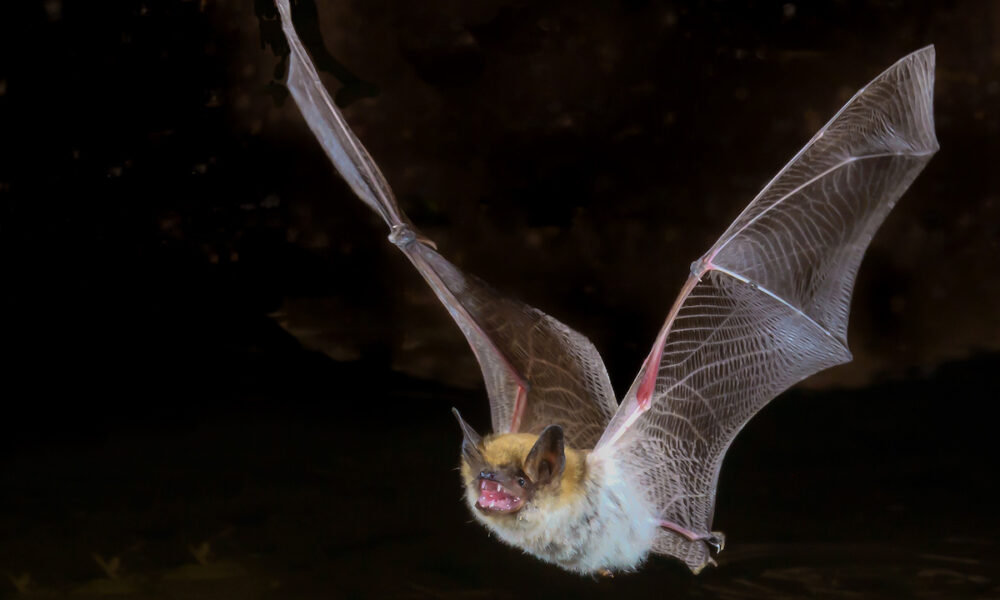
Studies have demonstrated varying success rates and limitations associated with the use of bat attractants in increasing bat occupancy in artificial roosting sites. Successful bat attractants have shown the potential to attract up to 90% of bats to artificial roosting sites within two years. However, the effectiveness of these attractants can be influenced by factors such as bat species, environmental conditions, and the type of lure used.
Despite their success, bat attractants also come with limitations. Improper formulation or use of attractants can lead to potential repellent effects, deterring bats instead of attracting them. Additionally, patience is crucial when utilizing bat attractants, as it may take time for bats to discover and start using artificial roosting sites.
To maximize the effectiveness of bat attractants, it is essential to consider the factors that influence bat behavior and preferences. By understanding these dynamics, conservation efforts can be optimized to attract bats successfully to artificial roosting sites.
Species-Specific Attractants
Tailoring attractants to specific bat species can significantly enhance the occupancy rates of artificial roosting sites, such as bat houses. By utilizing species-specific attractants, researchers aim to cater to the unique preferences of different bat species, increasing the likelihood of attracting them to these man-made structures. These attractants are designed to target particular bat species through customized scents or pheromones that appeal to their sensory mechanisms.
The effectiveness of species-specific attractants in attracting bats to artificial roosts has been linked to a deeper understanding of bat behavior and preferences. Researchers delve into the study of these attractants to unravel the intricate relationships between different bat species and the scents that draw them in. This tailored approach can lead to higher occupancy rates in bat houses, potentially aiding in conservation efforts by providing suitable habitats for specific bat populations.
To successfully employ species-specific attractants, it is essential to have a comprehensive knowledge of local bat populations and their habitat requirements. This understanding allows for the creation of attractants that align closely with the needs of specific bat species, increasing the chances of successful attraction to artificial roosting sites like bat houses.

Environmental Influences
To attract bats to artificial roosting sites like bat houses, environmental influences such as temperature, light, and proximity to water sources play a crucial role. Bats have specific environmental preferences that impact their choice of roosting sites. Proper placement of bat houses in locations that meet these preferences can significantly increase the likelihood of attracting bats. Bats are highly sensitive to changes in their surroundings; therefore, creating an environment that mimics their natural habitat is essential for successful occupancy of bat houses.
Understanding the environmental cues that bats respond to can help in optimizing the placement of bat houses. Factors like suitable temperatures, adequate light levels, and access to water sources are key considerations when selecting a site for a bat house. By aligning with bats’ environmental preferences, you can create an attractive habitat that encourages bats to roost in the artificial structures and contribute to their conservation.
Habitat Attractiveness Factors
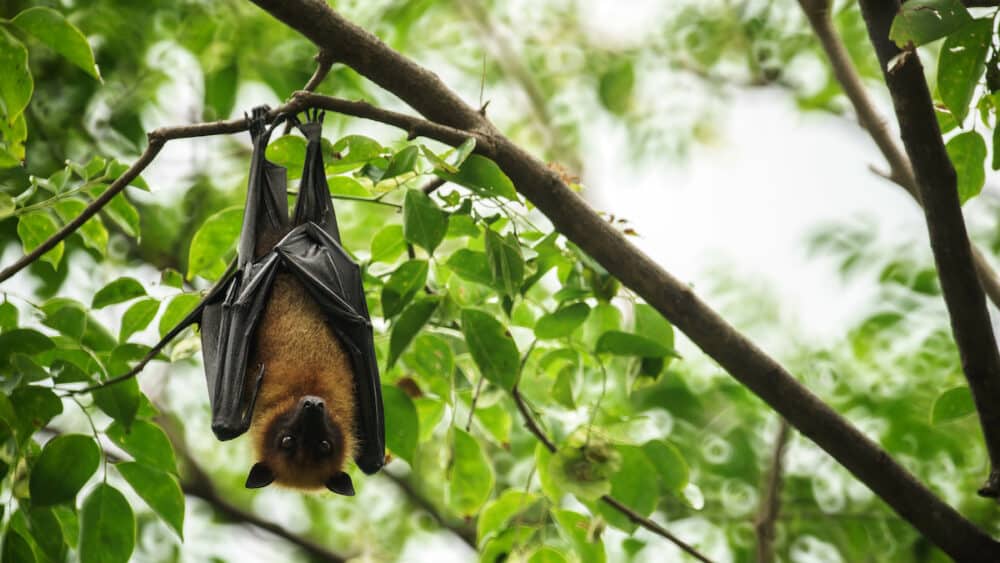
Proper placement, including considerations of height, direction, and proximity to water sources, significantly influences the attractiveness of bat habitats. To attract bats to your bat house, here are some key habitat attractiveness factors to keep in mind:
- Height Matters: Bats prefer roosting in elevated locations for safety from predators and easy take-off points. Mounting your bat house at least 12-20 feet high can make it more appealing to potential bat residents.
- Directional Considerations: Placing the bat house facing south or southeast can provide the warmth bats seek for roosting, especially in cooler climates. Ensuring adequate sun exposure can enhance the attractiveness of the habitat.
- Proximity to Water: Bats are drawn to areas with accessible water sources for drinking and foraging. Having a water source within a quarter-mile radius of the bat house can increase its appeal to bats seeking hydration and food.
- Native Plants and Flowers: Planting a variety of native plants and night-blooming flowers around the bat house can attract insects, a primary food source for bats. Creating a diverse ecosystem can make the habitat more inviting for bats to establish residence.
Alternative Bat Luring Methods
Consider incorporating alternative bat luring methods, such as using ultraviolet lights and recorded bat calls near bat houses, to attract bats effectively. Ultraviolet lights can attract insects, a primary food source for bats, thereby drawing them closer to bat-friendly environments. Playing recorded bat calls near bat houses can create a familiar and inviting atmosphere for bats, encouraging them to investigate the area.
Additionally, planting native vegetation that attracts insects like fruit trees or night-blooming flowers can indirectly lure bats to a specific location. Providing water sources near bat houses can enhance their appeal to bats, as these mammals prefer hunting near water bodies. Experimenting with scent-based attractants, such as guano-scented sprays or pheromone-based products, can also be a successful strategy in attracting bats to bat houses. By combining these alternative methods, you can create a more enticing habitat for bats, increasing the chances of attracting them to your desired location.

Practical Considerations
For optimal bat attraction, ensure strategic placement of bat houses in locations with ample sun exposure and proximity to water sources. When considering practical aspects of attracting bats to your bat houses, keep the following key points in mind:
- Sun Exposure: Position bat houses on wooden posts or house sides facing south or southeast to maximize sun exposure, providing warmth and helping bats regulate their body temperature effectively.
- Native Plants: Surround bat houses with native flowers and plants that attract insects, serving as a natural food source for bats and enhancing the ecosystem around the bat houses.
- Water Sources: Place bat houses within ¼ mile of a water source, such as a pond or birdbath, ensuring bats have easy access to drinking water and a plentiful supply of insects to feed on.
- Maintenance: Regularly inspect and maintain bat houses to ensure they remain in good condition, offering suitable habitats for bats. Monthly checks and timely repairs will help attract and retain bat populations in the long term.
Expert Recommendations
To effectively enhance bat house occupancy rates, experts recommend utilizing bat attractants such as pheromone sprays. Proper placement and timing of these attractants play a crucial role in attracting bats to roost in bat houses. Understanding bat behavior and sensory preferences is essential when selecting the most effective bat attractants. Bats prefer certain scents and chemicals, making pheromone sprays a popular choice among wildlife biologists for attracting these nocturnal creatures.
Consulting with wildlife biologists or experts specializing in bat behavior can provide valuable insights into the proper use of bat attractants. Their expertise can help in determining the most suitable attractants based on the specific bat species present in the area. By following research-based recommendations on bat attractants, conservation efforts can be optimized to support bat populations effectively. Incorporating expert recommendations into bat attractant strategies can significantly improve the success of attracting bats to roost in bat houses, helping to promote bat conservation and population health.
Future of Bat Attractant Research
:max_bytes(150000):strip_icc()/__opt__aboutcom__coeus__resources__content_migration__mnn__images__2016__10__bat-houses-pine-trees-7b9b9354942c47a2a0936f7ba2b6d448.jpg)
Advancing research on bat attractants is poised to revolutionize strategies for enhancing bat house occupancy rates. Future studies will focus on optimizing attractant formulations to target specific bat species, increasing the likelihood of attracting desired populations to bat houses. Developing innovative delivery methods for these attractants will be a crucial area of exploration in the coming years to ensure effectiveness and efficiency in attracting bats. Collaborations between researchers, wildlife biologists, and conservationists will continue to drive progress in this field, fostering a multidisciplinary approach to tackle the challenges associated with bat attractant research. Understanding bat behavior and sensory preferences will play a pivotal role in guiding the direction of future research efforts, ensuring that attractants are tailored to meet the unique needs of different bat species. By integrating these approaches, the future of bat attractant research holds promise for significantly improving bat house occupancy rates and supporting bat conservation efforts.