

Discover Virginia’s woodpecker varieties: Downy is smallest, boasting black and white with a red cap. Hairy measures 7-10 inches, showcases red patch, common in rural and urban spots. Northern Flicker, the 2nd largest, flaunts light brown plumage in open habitats. Pileated, a giant at 16-19 inches, has black and white stripes, red head, loves mature forests. Red-bellied, frequent in woodlands, has red nape, 16-inch wingspan. Yellow-bellied Sapsucker, migratory, sports yellow chest, red crown. Red-headed at 19-25 cm, dying populations due to habitat loss. Red-cockaded in Longleaf Pine forests, white head, black crown, needs conservation.
1. Downy Woodpecker

The Downy Woodpecker, the smallest woodpecker species in Virginia, is known for its distinctive black and white plumage. Measuring between 6-7 inches, this small woodpecker boasts white spots on its black wings and a white back, making it easily recognizable in the lush forests, woodlands, and even urban areas of Virginia. Male Downy Woodpeckers sport a charming small red patch on their caps, adding a pop of color to their otherwise monochrome appearance.
These tiny woodpeckers play a crucial role in the ecosystem by foraging for insects and larvae hidden within trees. Their strong beaks and agile movements allow them to extract insects from bark crevices, contributing to the control of pest populations and aiding in the overall health of the forest. Observing a Downy Woodpecker at work is not only a delight for bird enthusiasts but also a testament to the important ecological niche these small yet mighty birds occupy in Virginia’s diverse habitats.
2. Hairy Woodpecker

Measuring between 7 to 10 inches in size, the Hairy Woodpecker of Virginia showcases distinctive black and white plumage with a striking red patch on its head. These woodpeckers are a common sight in both rural and urban areas of Virginia throughout the year. With a wingspan spanning 16 to 20 inches, the Hairy Woodpecker’s flight is easily recognizable. One of the fascinating behaviors of this species is their drumming behavior. By rhythmically pecking on trees, they create loud sounds to communicate with other woodpeckers and establish their territory. The red patch on their heads is not merely an aesthetic feature but plays a crucial role in signaling and attracting mates. Observing a Hairy Woodpecker’s striking appearance and hearing its distinct drumming in the wild can provide a captivating glimpse into the world of these year-round residents of Virginia.
3. Northern Flicker

With its distinctive light brown plumage and unique markings, the Northern Flicker is easily distinguishable as the second-largest woodpecker species in Virginia. These birds showcase a beautiful combination of light brown feathers with black bars on their back and a conspicuous white rump. In Virginia, you may encounter either the ‘Yellow-shafted’ or ‘Red-shafted’ forms of the Northern Flicker, each displaying subtle variations in their appearance based on their geographic location.
Northern Flickers are commonly found in open habitats such as cemeteries, parks, and fields across Virginia. Their year-round presence in the state contributes to the rich diversity of woodpecker species that call Virginia home. Despite their woodpecker classification, their appearance can often lead to confusion, with their size sometimes leading observers to mistake them for thrushes. Keep an eye out for these fascinating birds as you explore the woodpecker diversity in Virginia.
4. Pileated Woodpecker
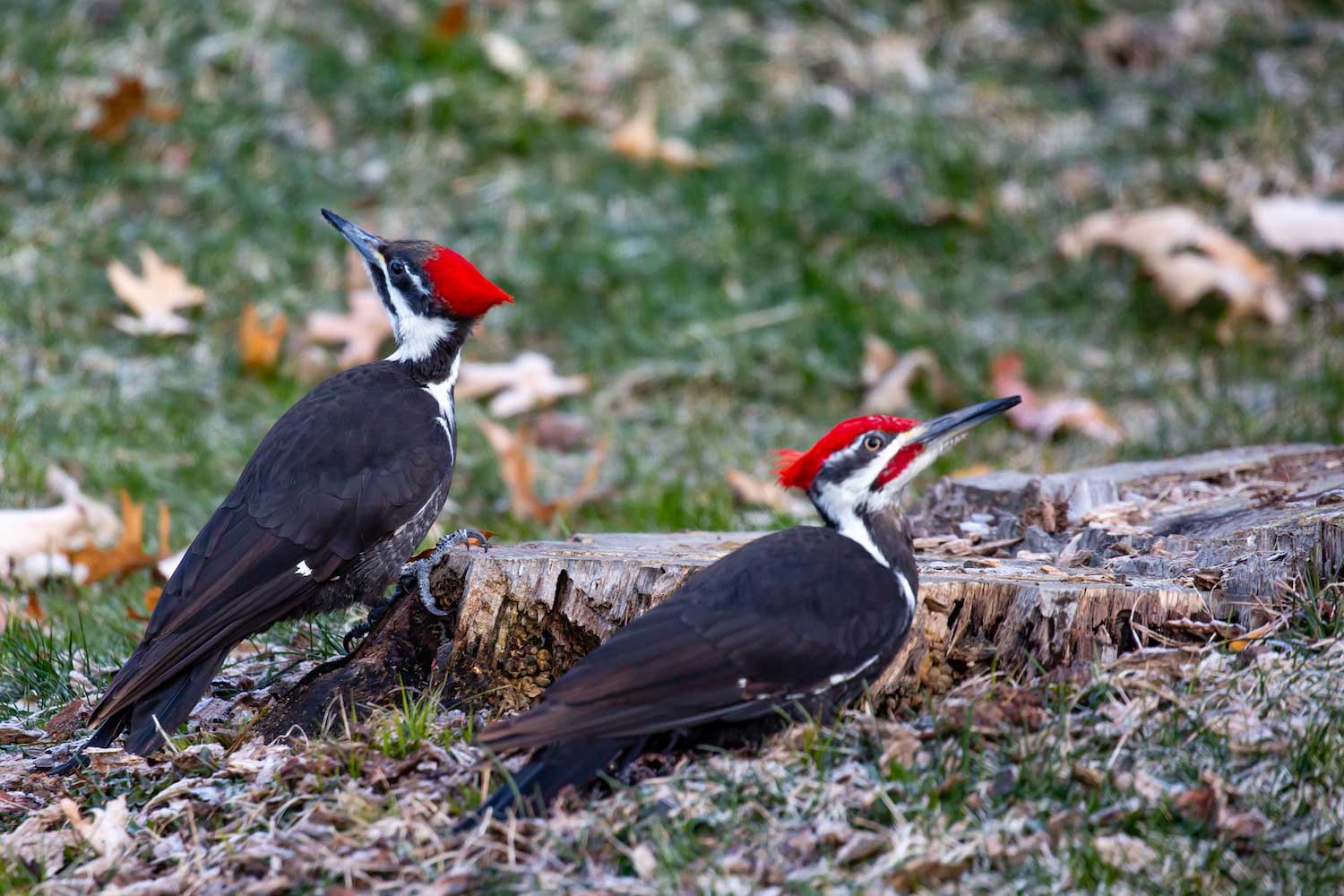
Often regarded as the majestic giant of woodpecker species in Virginia, the Pileated Woodpecker impresses with its size and striking appearance. Measuring around 16-19 inches, these woodpeckers showcase a mostly black plumage adorned with white stripes on their face and neck, adding to their distinctive look. Pileated Woodpeckers are commonly found in mature forests, particularly favoring areas with ample large trees for nesting and foraging. Their red head and neck further contribute to their allure, making them a sought-after sight for birdwatchers in Virginia. These woodpeckers are known for their powerful drumming on trees, creating loud, resonant calls that echo through the woods. In Virginia, places like Shenandoah National Park provide suitable habitats for Pileated Woodpeckers to thrive in wooded regions. Keep an eye out for these impressive birds as they navigate the forests with grace and power.
5. Red-bellied Woodpecker
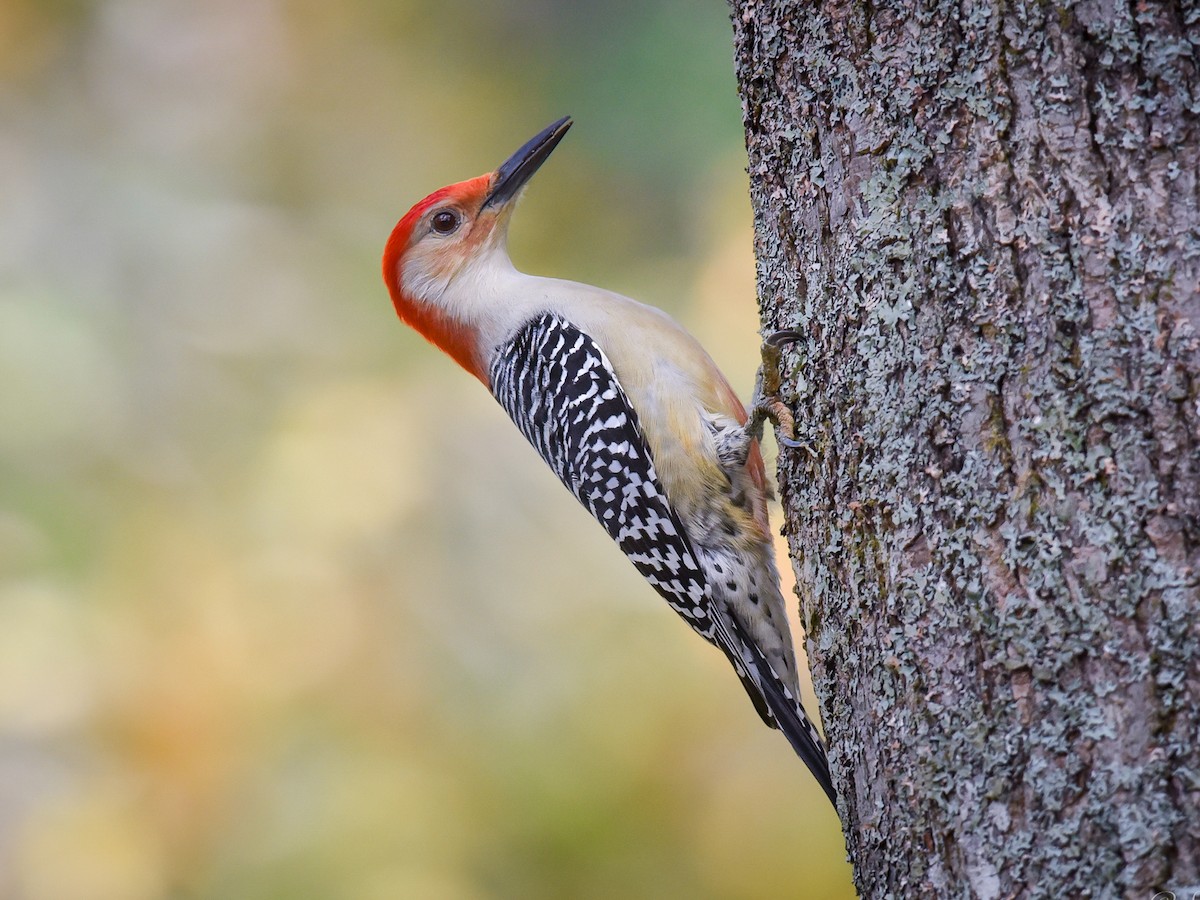
The Red-bellied Woodpecker, a common sight in Virginia’s woodlands and suburban areas, is known for its distinctive red nape on its head rather than its belly as the name implies. With zebra-like barring on its back, this woodpecker stands out with a wingspan of approximately 16 inches. These vibrant birds display bold and vocal behavior, making their presence known in the canopy. Red-bellied Woodpeckers, weighing between 56-91 grams, have a lifespan of 10-12 years and are skilled foragers, primarily feeding on insects and nuts found in trees. Their adaptability and year-round residency in Virginia make them a familiar sight to many nature enthusiasts. Whether drumming on trees or emitting their distinct calls, Red-bellied Woodpeckers play a vital role in the ecosystem by controlling insect populations and spreading seeds as they forage.
6. Yellow-bellied Sapsucker
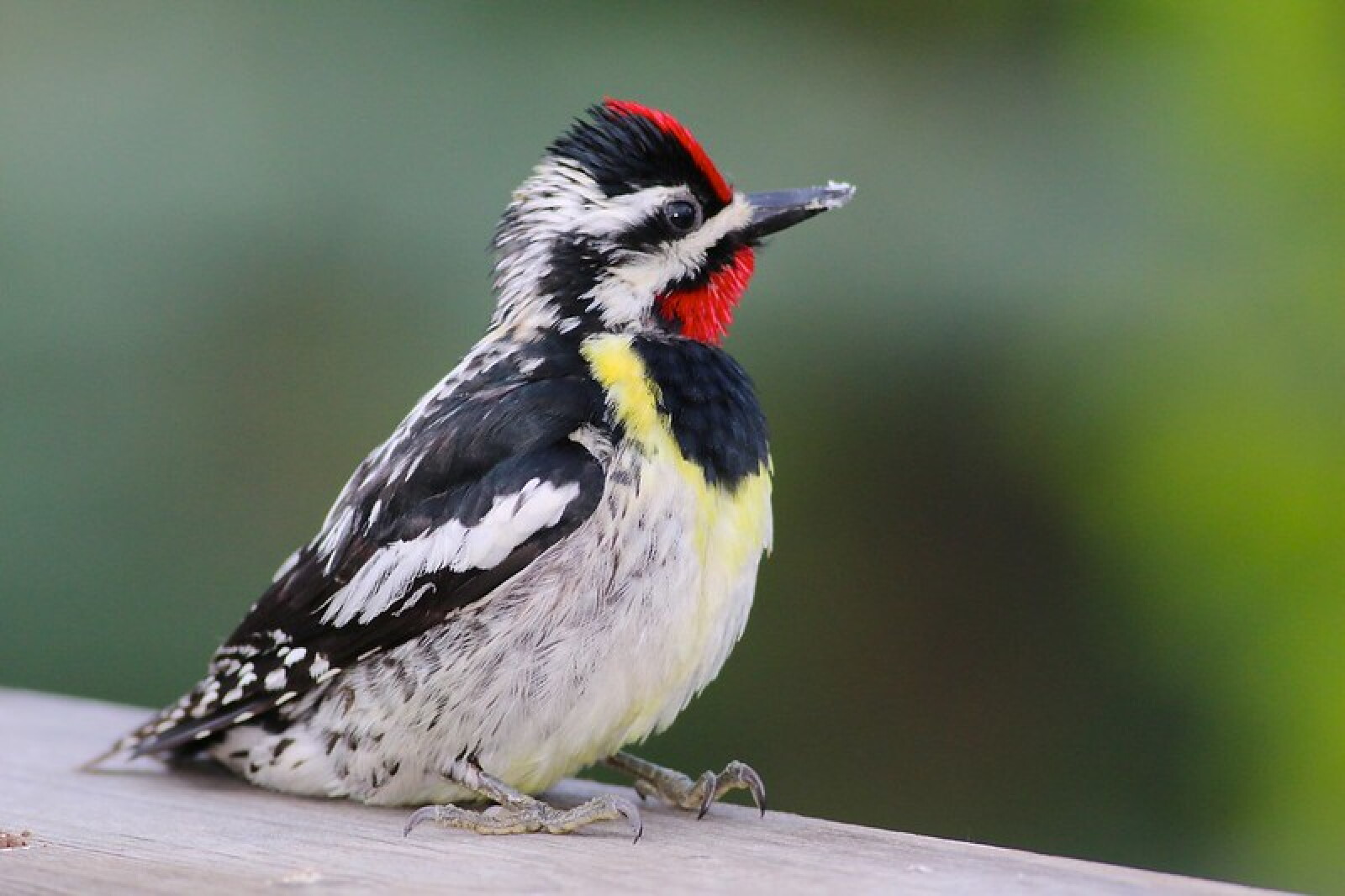
During the winter months in Virginia, you can easily spot the migratory Yellow-bellied Sapsucker with its bright-yellow chest and unique red crown. These woodpeckers, known for their striking appearance, have black and white specks that adorn their plumage. Yellow-bellied Sapsuckers exhibit a fascinating feeding behavior by creating small holes in trees to feed on sap, insects, and tree fluids. Their preference for deciduous forests and orchards makes Virginia an ideal location to observe these migratory woodpeckers.
The bright-yellow belly of the Yellow-bellied Sapsucker contrasts beautifully with its black and white markings, making it a standout species among woodpeckers. Their red crown adds to their charm, attracting birdwatchers and nature enthusiasts alike. By drilling holes in trees for sap feeding, these woodpeckers play a vital role in their ecosystem, benefiting from the tree’s resources while inadvertently creating opportunities for other wildlife. Keep an eye out for the Yellow-bellied Sapsucker during your winter explorations in Virginia’s wooded areas.
7. Red-headed Woodpecker
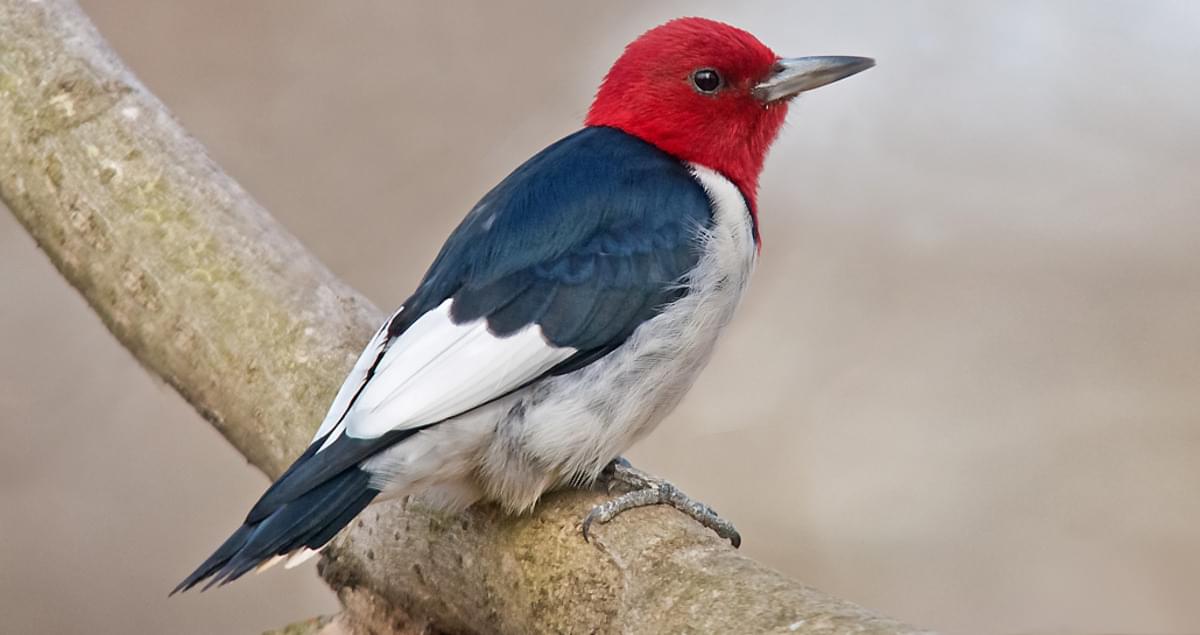
With a lifespan ranging from 8 to 10 years, the Red-headed Woodpecker in Virginia typically measures between 19 to 25 cm in size. These striking birds boast bold colors, with all-white bellies contrasting sharply against their deep crimson red heads. Nesting in dead trees, utility poles, and fence posts, they prefer areas abundant in dead trees for foraging. Red-headed Woodpeckers in Virginia play a crucial role in controlling insect populations by feeding on insects, fruits, nuts, and seeds.
Unfortunately, the population of Red-headed Woodpeckers in Virginia is declining due to habitat loss and competition for nest sites. Conservation efforts are actively underway to protect these magnificent birds and their habitats. It is vital to continue these conservation initiatives to ensure the survival of the Red-headed Woodpecker population in Virginia and maintain the balance of insect populations in the ecosystem.
8. Red-cockaded Woodpecker

Nesting primarily in Longleaf Pine forests, the Red-cockaded Woodpecker is a small robin-sized bird distinguished by its white head, black crown, and striped cheeks. Here are some key points about this rare and endangered woodpecker species:
- Distinctive Appearance: The Red-cockaded Woodpecker stands out with its unique white head, black crown, and striped cheeks, with males displaying red feathers on their heads and females sporting black.
- Habitat Preference: This species is one of the rarest in the United States and can mainly be found in Longleaf Pine forests, where they build their cavity nests and forage for insects.
- Conservation Concern: Due to habitat loss and fragmentation, the Red-cockaded Woodpecker faces endangerment. Conservation efforts are crucial to protect and enhance its population, often focusing on wildlife refuges and national forests.
- Protection Efforts: Various organizations and agencies work tirelessly to safeguard the Red-cockaded Woodpecker, implementing conservation strategies to ensure the survival of this iconic species.