

Embark on a journey to explore the fascinating owl species of Tennessee. Witness the rare Barn Owl, unique Long-eared Owl, and majestic Snowy Owl. Encounter the Burrowing Owl, Northern Saw-whet Owl, and the mystical Flammulated Owl. Dive into the world of the Great Gray Owl and the Short-eared Owl. Each species boasts distinctive characteristics, calls, and visuals, offering an unparalleled glimpse into nature’s wonders. Embrace the diversity of Tennessee’s avian life through these magnificent creatures.
1. Rare Barn Owl in Tennessee
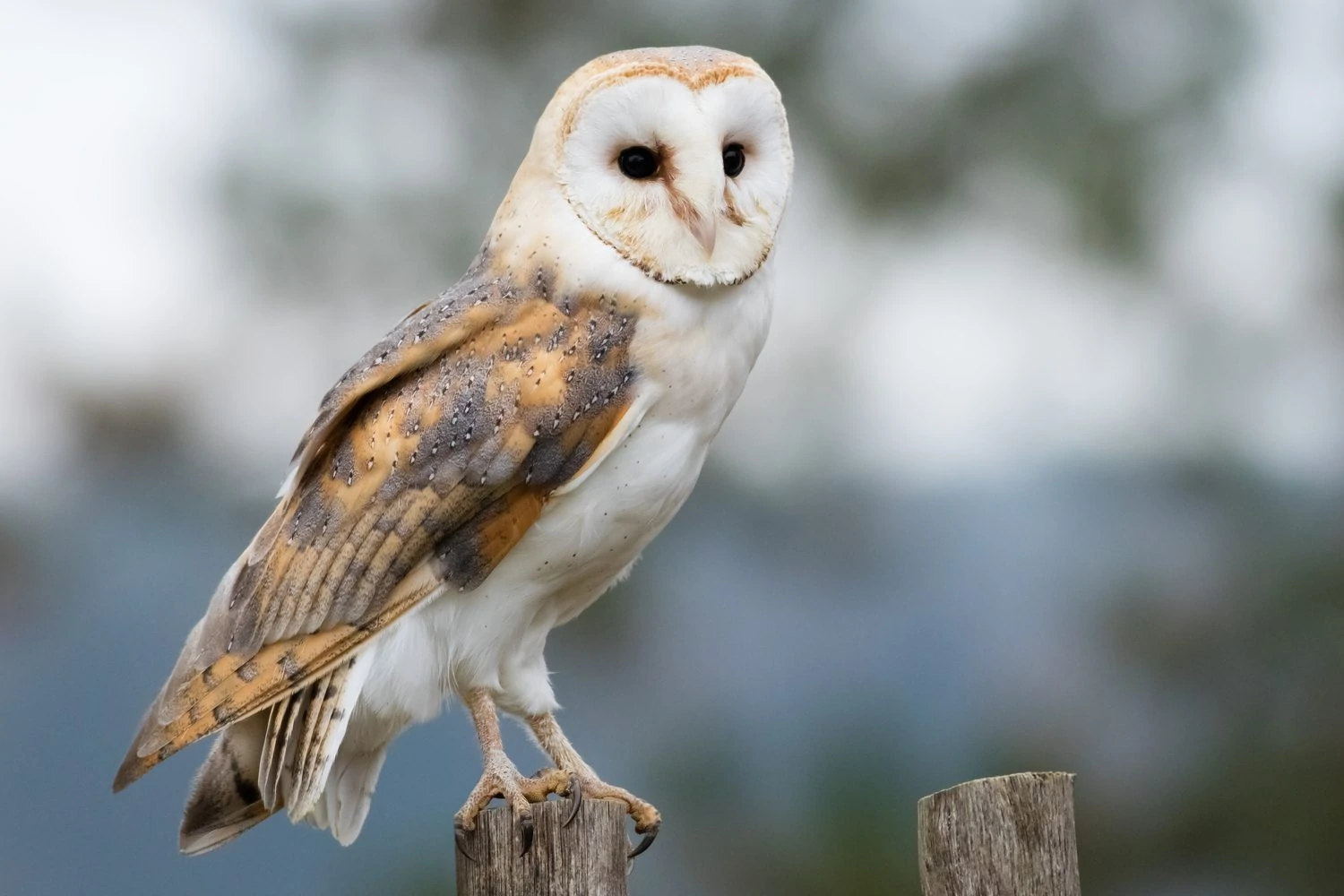
The presence of the rare Barn Owl in Tennessee signifies a unique and valuable aspect of the state’s avian biodiversity. These medium to large owls, with their distinctive heart-shaped faces, are primarily found in southwestern British Columbia in Canada and various regions in the USA, making their appearance in Tennessee quite rare. Known for their golden tan and gray upperparts, white underparts, and shrill, loud, hissing call, Barn Owls are nocturnal hunters that feed primarily on small rodents like voles and shrews. They prefer nesting in hollow trees, barns, and other secluded locations to raise their young. In agricultural areas, Barn Owls play a crucial role in controlling rodent populations, making them beneficial birds to have around. Their presence in Tennessee not only adds to the state’s biodiversity but also contributes to natural pest control, highlighting the importance of conserving these remarkable birds in the region.
2. Unique Long-eared Owl in TN
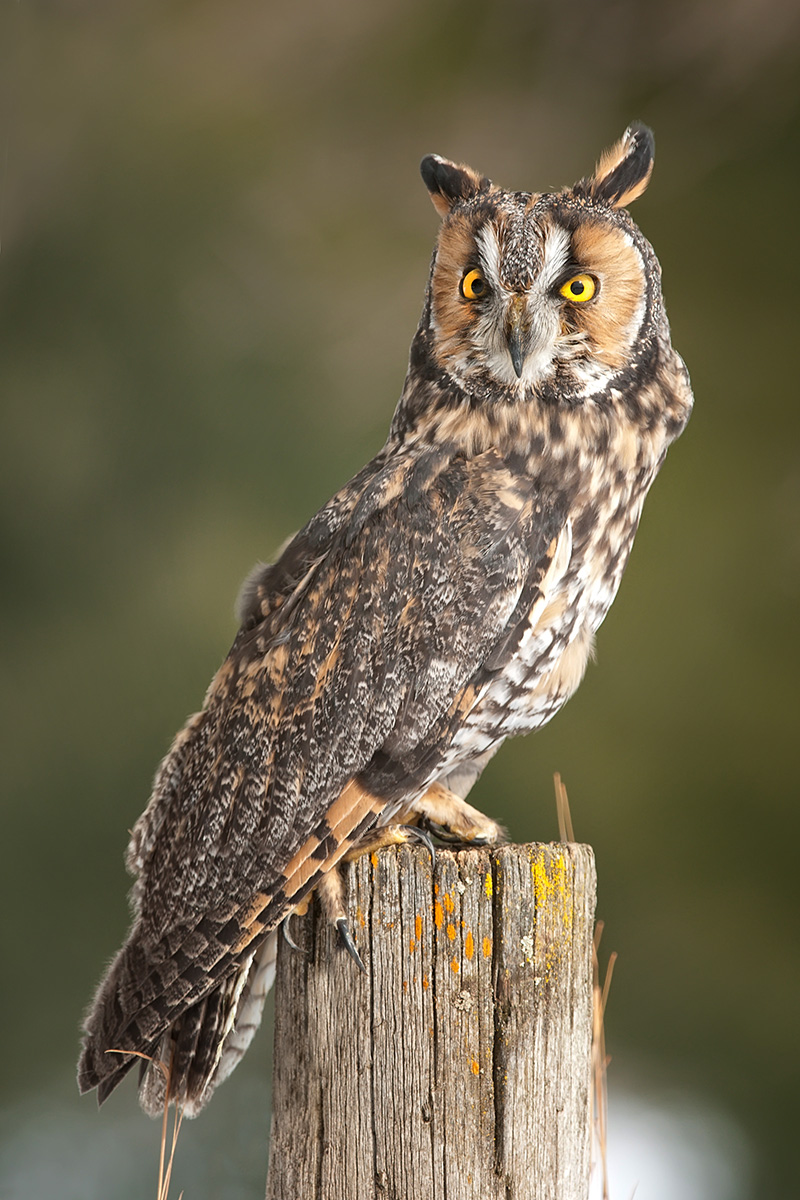
Nesting in pine trees and hunting primarily on voles in Tennessee, the Long-eared Owl, a medium-sized owl species, is recognized for its distinctive long ear tufts. In the state, these owls boast a wingspan ranging from 86 to 102 cm and weigh between 160 to 435 grams. Long-eared Owls exhibit monogamous breeding behavior, commencing their breeding season in March.
However, despite their global prevalence, Long-eared Owls in Tennessee face challenges such as habitat loss. This loss of habitat can disrupt their nesting sites in pine trees and the availability of voles for hunting. These unique owls are known for their one-second ‘Hooo!’ call, adding to their allure for bird enthusiasts.
Protecting the Long-eared Owl’s habitat in Tennessee is crucial to ensure the continuity of their breeding behavior and hunting patterns. By addressing issues related to habitat loss, we can contribute to the preservation of this unique owl species in the state.
3. Snowy Owl Sighting in Tennessee

Rarely seen in Tennessee, Snowy Owls are captivating visitors known for their distinctive white plumage and impressive wingspan. These majestic birds, typically found in the Arctic regions, have been causing a stir among bird enthusiasts with recent sightings in Tennessee. The contrast of their white plumage with striking black markings makes Snowy Owls easily recognizable even from a distance.
The presence of Snowy Owls in Tennessee is considered unusual, as they usually migrate south from their Arctic habitats in search of food during harsh winter conditions. Their wingspan, reaching up to 183cm, allows them to soar gracefully through the sky, adding to their allure.
For those lucky enough to spot a Snowy Owl, it’s a rare opportunity to witness a creature that can live up to 28 years in the wild. These sightings serve as a reminder of the interconnectedness of ecosystems and the wonders of nature’s diversity.
4. Uncommon Burrowing Owl in TN

Burrowing Owls, typically found in central-southern Canada, the Great Plains, and parts of the western USA, are infrequently sighted in Tennessee due to their preference for grasslands and burrows. These small owls, measuring around 9.5 inches in length with a wingspan of 21 inches, exhibit unique nesting behaviors, creating burrows in grassy areas. Their raspy chattering call sets them apart, along with a distinctive quail-like, whup waaah! sound. Despite their rarity in Tennessee, Burrowing Owls can occasionally be spotted outside their usual range.
| Characteristics | Description |
|---|---|
| Size | Around 9.5 inches long with a 21-inch wingspan |
| Habitat | Grasslands where they create burrows for nesting |
| Vocalization | Raspy chattering call and a quail-like, whup waaah! sound |
| Rarity in Tennessee | Uncommon due to their preference for grasslands and burrows |
| Behavior | Known for their small size, long legs, and unique nesting behavior in burrows in grasslands |
5. Northern Saw-whet Owl in TN
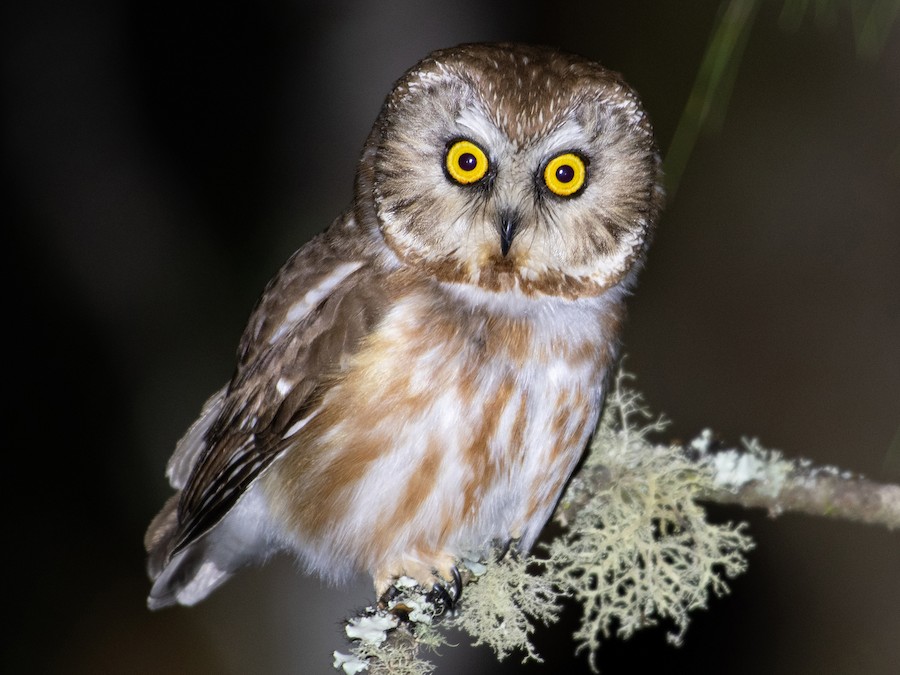
Measuring approximately 8 inches in length, the Northern Saw-whet Owl is one of the smallest owl species found in Tennessee. This small owl species prefers nesting in dense forests near rivers, where a combination of trees and water sources provides suitable habitat. The Northern Saw-whet Owl is known for its unique tooting whistle call, a repetitive ‘tu, tu, tu’ sound that echoes through the woods at night.
During the breeding season, the Northern Saw-whet Owl displays an interesting behavior of potentially breeding with multiple males. This owl’s dark brown plumage, round head, and striking yellow eyes make it a charming sight for birdwatchers and nature enthusiasts in Tennessee. Despite its small size, the Northern Saw-whet Owl stands out as a distinctive member of the Tennessee owl species, adding to the diverse avian population of the state.
6. Great Gray Owl Encounter in TN

The Great Gray Owl, a species typically rare in Tennessee and more commonly found in northern regions, presents a striking presence with its large wingspan and distinctive facial disc. Encountering one in Tennessee would be a unique opportunity due to their scarcity in the state. Here’s why this encounter would be memorable:
- Rare Sighting: Spotting a Great Gray Owl in Tennessee is a rare occurrence, making it a special moment for any bird enthusiast.
- Northern Elegance: Originating from northern regions, these majestic owls bring a touch of the wilderness to Tennessee’s landscape.
- Largest Owl Species: As one of the largest owl species, their impressive size and stature command attention and admiration.
- Distinctive Call: The deep hooting sound of the Great Gray Owl is both eerie and enchanting, adding to the allure of the encounter.
7. Short-eared Owl Discovery in Tennessee

Short-eared Owls, summer residents in Alaska, Canada, and the western and central USA, have been discovered in Tennessee exhibiting unique nesting behaviors. Unlike many owl species, Short-eared Owls are diurnal hunters, actively seeking prey during the day. What sets them apart even further is their ground-nesting habits, preferring open areas for their nests. This discovery in Tennessee showcases the adaptability of these owls to different environments and nesting locations.
One of the distinctive features of Short-eared Owls is their hoarse call, which differs from the typical hoots associated with owls. This vocalization, described as raspy and cat-like, is often heard during their hunting flights or interactions.
In appearance, these medium-sized owls sport pale brown and buffy plumage with dark eye patches on a pale face, adding to their unique charm. The presence of Short-eared Owls in Tennessee not only enriches the state’s biodiversity but also offers researchers a valuable opportunity to study their nesting behaviors in a new habitat.
8. Flammulated Owl Spotted in TN
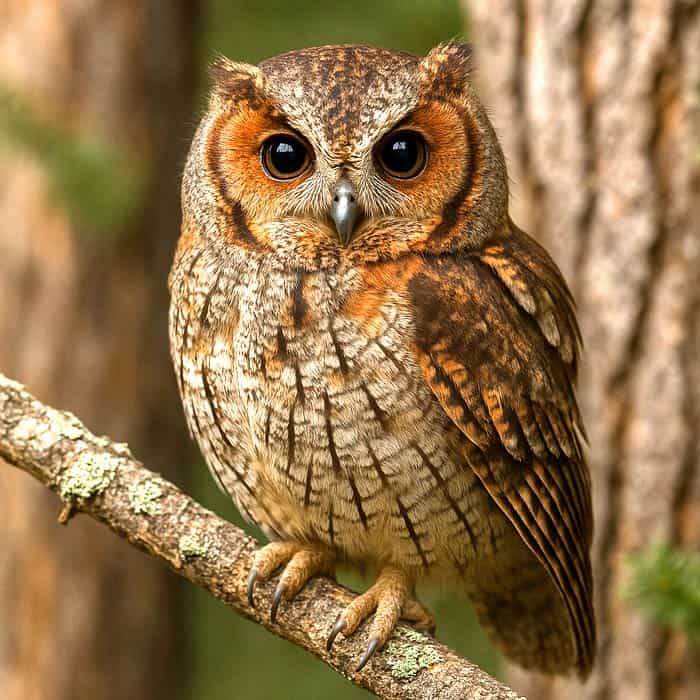
Spotted in Tennessee, the Flammulated Owl, known for its elusive nature and unique vocalizations, has made a rare appearance in the state. This sighting has sparked excitement among bird enthusiasts and conservationists alike. Here’s why this spotting is significant:
- The Flammulated Owl’s presence in Tennessee is a testament to the state’s diverse wildlife and the importance of preserving natural habitats.
- The rarity of this sighting highlights the need for continued conservation efforts to protect not only the Flammulated Owl but also other vulnerable species in the region.
- Observing this elusive owl in its less-frequented habitat is a reminder of the beauty and mystery of nature that surrounds us.
- The Flammulated Owl’s unique vocalizations, characterized by monotone hoots and whistles, add to the enchantment of this already remarkable bird.
As we celebrate this rare encounter, let it serve as a reminder of the delicate balance of ecosystems and the significance of conservation efforts in safeguarding the Flammulated Owl and other threatened species in Tennessee.