

Explore New Jersey’s diverse owl species: Great Horned Owl, Barn Owl, Northern Saw-whet Owl, Barred Owl, Eastern Screech-Owl, Long-eared Owl, Snowy Owl, Short-eared Owl. They inhabit forests, wetlands, and even suburban areas. Owls boast large eyes for top-notch night vision, silent flight feathers, and unique facial disks for superb hearing. They feast on mice, voles, insects, birds, and fish, contributing to ecosystem balance. Witness their monogamous mating rituals, hooting calls, and devoted parenting. Sadly, they face threats like habitat loss and pollution. Discover more about these captivating creatures and their conservation efforts.
1. Great Horned Owl
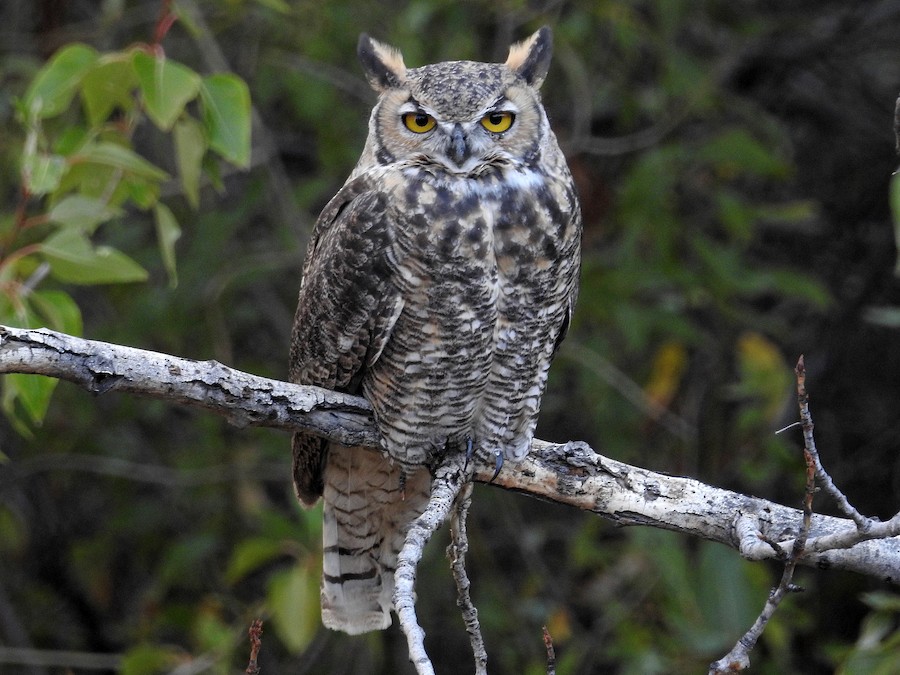
The Great Horned Owl, a prominent avian resident of New Jersey, is known for its exceptional adaptability and crucial role in the local ecosystem. These majestic birds, one of the eight species of owls in the state, are easily recognizable by their tufted ears and distinctive heart-shaped face. During the breeding season, Great Horned Owls diligently seek out nesting sites, often utilizing tree cavities abandoned by other bird species.
Their diet, consisting of small mammals, birds, and insects, showcases their importance in maintaining ecological balance. Nestling owls at places like The Raptor Trust in New Jersey are provided with a diet of killed mice to ensure their healthy development. With a wingspan ranging from 39 to 57.1 inches and weighing between 32.1 to 88.2 ounces, Great Horned Owls are formidable predators that contribute significantly to the local fauna dynamics. Their adaptability to various habitats, including second growth woodlands, farms, and urban areas, highlights their impressive survival skills.
2. Barn Owl

With their distinctive heart-shaped facial disk aiding in efficient hunting, Barn Owls in New Jersey are non-migratory residents commonly found in abandoned barns and buildings. These owls emit a screechy call, often mistaken for the cry of a red-tailed hawk, to communicate with others of their kind. Feeding primarily on rodents, birds, and insects, Barn Owls play a crucial role in natural pest control, helping to maintain the balance of local ecosystems.
Unfortunately, the Barn Owl population in New Jersey is facing challenges due to habitat loss and pesticide poisoning. The destruction of their habitats, such as abandoned barns, and the use of harmful chemicals in the environment are impacting these majestic birds. Conservation efforts are essential to protect the Barn Owls and ensure their continued presence in New Jersey’s diverse wildlife.
3. Northern Saw-whet Owl
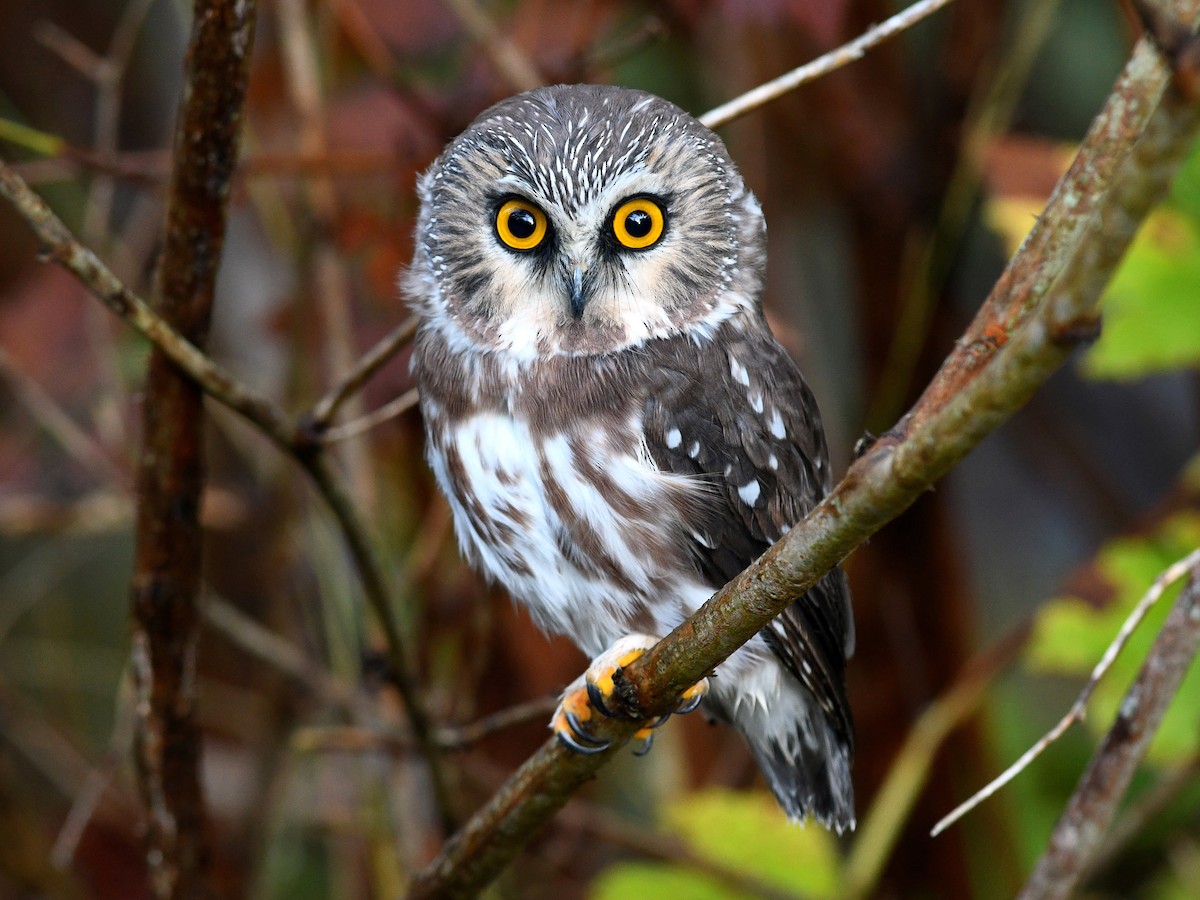
In the dense forests near rivers in New Jersey, you can find the Northern Saw-whet Owl, a small owl species measuring 7.1 to 8.3 inches in length. These elusive birds prefer the seclusion of dense woodlands for their habitat. During the mating season, female Northern Saw-whet Owls exhibit unique breeding behavior by sometimes mating with multiple males. One distinctive feature of the Northern Saw-whet Owl is its call, which resembles the sound of a saw being sharpened, hence its name. These owls are known to nest in abandoned woodpecker holes found within their forested environments, providing them with a secure place to raise their young. The female’s choice of nesting sites and her behavior during the breeding season play crucial roles in the survival and propagation of the Northern Saw-whet Owl population in New Jersey’s ecosystems.
4. Barred Owl

Measuring between 16.9 to 19.7 inches in size, the Barred Owl, scientifically named Strix varia, is a prominent predator in New Jersey’s diverse ecosystems. With its mottled brown and white plumage, this owl species can be spotted in wooded areas, open grasslands, and even urban spaces across the state. The Barred Owl’s typical call, a distinctive “Who cooks for you? Who cooks for you all?” hoot, resonates through the night, signaling its presence in the wildlife in your backyard.
Weighing between 16.6 to 37 ounces, the Barred Owl is known for preying on rodents, birds, insects, and small mammals, playing a crucial role in maintaining ecological balance. Despite its significance, this owl faces challenges from larger predators like the Great Horned Owl and human-induced habitat destruction.
These birds, with a wingspan of 39 to 43.3 inches, have an average lifespan of around 8 years, yet have been recorded to live up to 26 years in the wild. In New Jersey’s rich tapestry of habitats, the Barred Owl stands out as a resilient and essential member of the ecosystem.
5. Eastern Screech-Owl

The Eastern Screech-Owl, New Jersey’s smallest and most common owl species, exhibits remarkable adaptability in its choice of habitats and hunting strategies. These small owls, measuring between 6.3 to 9.8 inches, are known for their distinct ear tufts, which are used for communication and camouflage. They can be found nesting in various wooded areas, preferring locations where larger owl species are less prevalent.
Eastern Screech-Owls are recognizable by their short, stocky appearance and come in two color variations, gray and red. Their calls range from trills to whinnies and soft hoots, allowing them to communicate and navigate their surroundings effectively. What sets them apart is their adaptability to urban environments, making them frequent visitors to suburban areas in search of insects, small mammals, and birds. This adaptability has enabled them to thrive in diverse ecosystems, showcasing their ability to thrive amidst human development while maintaining their essential hunting behaviors.
6. Long-eared Owl
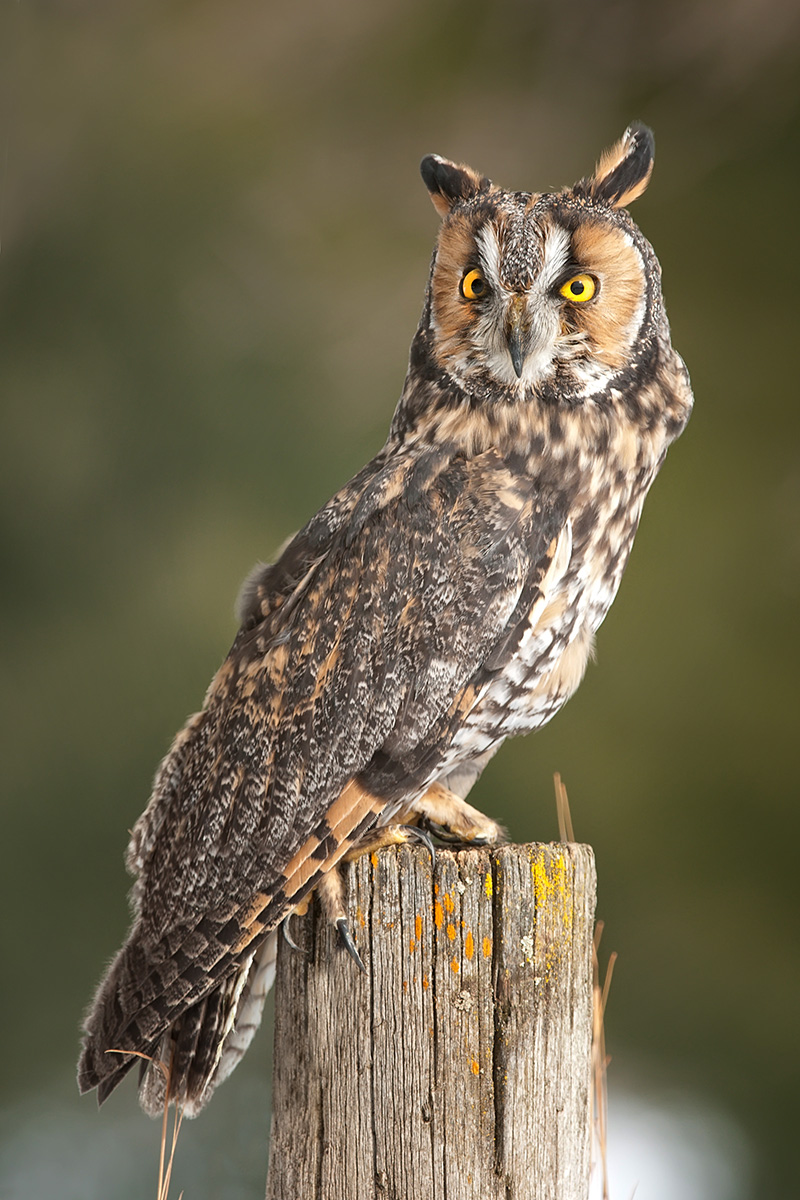
Long-eared Owls, also known as Cat Owls, exhibit a secretive nature and prefer roosting in dense foliage to avoid detection. These owls are masters of camouflage, making them challenging to spot in New Jersey’s wooded areas. Their long tufts of feathers not only aid in camouflage but also serve as a means of communication and expression within their social groups. Long-eared Owls are sociable birds, often living in clusters and sharing roosts with other owls, highlighting their communal nature.
| Long-eared Owls | Facts |
|---|---|
| Secretive Nature | Prefers roosting in dense foliage |
| Camouflage Abilities | Challenging to spot |
| Tufts of Feathers | Used for communication |
| Sociable Birds | Live in clusters, communal nature |
These birds are commonly found nesting in abandoned woodpecker holes within dense forests near rivers, where they thrive in their preferred habitat. The Long-eared Owl’s choice of roosting spots and social behavior make them fascinating subjects for observation in New Jersey’s natural landscapes.
7. Snowy Owl

With stunning white plumage adorned by dark markings, Snowy Owls are a majestic sight in the northern regions of Canada. These large owls, known for their impressive wingspan of up to 57 inches, breed in the Arctic tundra and migrate south during winter, sometimes reaching New Jersey. Snowy Owls are not regular winter visitors to New Jersey, but during irruption years, when food is scarce in their usual habitat, birdwatchers in the state may catch a glimpse of these beautiful birds.
Their stark white feathers provide excellent camouflage in the snowy landscapes they inhabit. Snowy Owls are well adapted to their harsh environment, with keen eyesight and sharp talons for hunting prey. Their migration patterns make them a rare and exciting sight for bird enthusiasts, who eagerly await the chance to capture these stunning creatures in photographs. If you’re lucky, you may spot a Snowy Owl perched majestically on a fence post or gliding silently through the winter skies of New Jersey.
8. Short-eared Owl
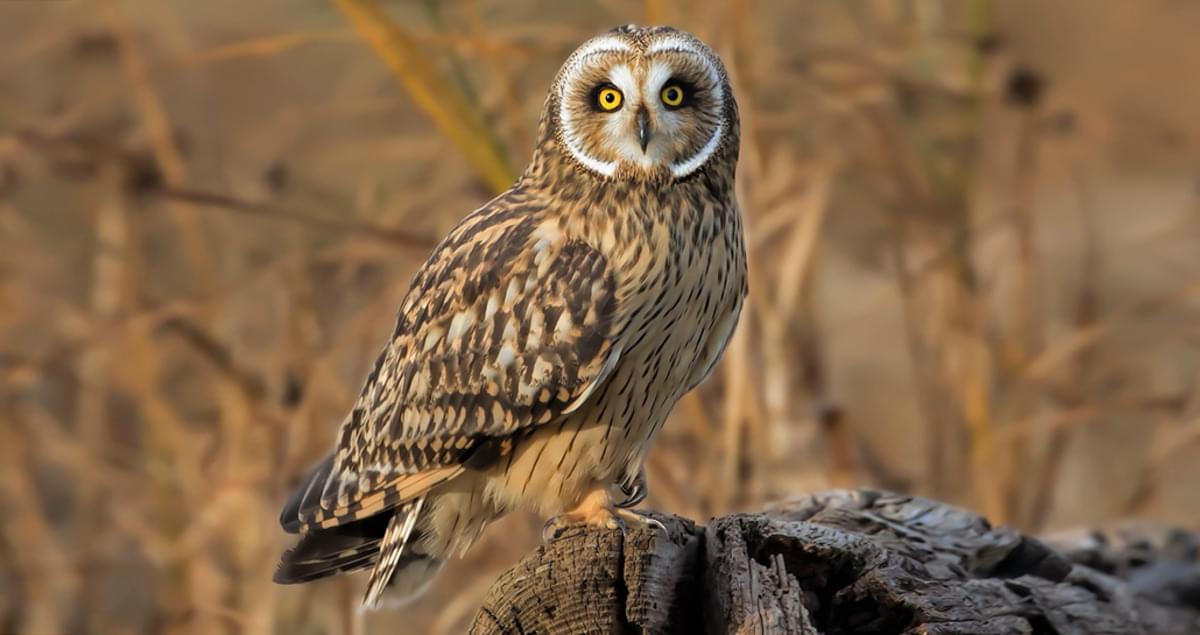
Short-eared Owls, with their distinctive hunting habits, are widely spread across North America. These owls are often found in open country areas where they hunt during the day, a behavior that sets them apart from many other owl species. Short-eared Owls prefer nesting on the ground in open spaces, utilizing their surroundings for protection and camouflage.
One of the unique characteristics of Short-eared Owls is their cat-like calls, which differ from the hoots commonly associated with owls. With an average lifespan of 4 years and a maximum recorded lifespan of 12 years, these owls have relatively short life spans compared to other bird species.
In addition to their intriguing physical appearance and behaviors, Short-eared Owls play a crucial role in maintaining ecosystem balance. By controlling populations of small mammals and insects, these owls contribute to the overall health and stability of their habitats in North America.