

Discover the 11 unique hummingbird species in the United States. From the vibrant Ruby-throated with its emerald green back to the adaptable Anna’s with its pink-red iridescent throat, each bird adds beauty to the landscape. The Costa’s stands out with its purple throat, while the Rufous boasts striking reddish-brown coloring. The Black-chinned’s metallic green coat and iridescent purple throat patch are a sight to behold. Explore the Buff-bellied’s vibrant green plumage in South Texas. Savor the Blue-throated Mountain-Gem’s vibrant blue throat in mountainous regions. Witness the rare Violet-crowned’s striking violet crown. Each hummingbird is a gem of nature.
1. Ruby-throated Hummingbird

The Ruby-throated Hummingbird is the sole breeding species found in the eastern United States, boasting a population of approximately 34 million individuals. Male Ruby-throated Hummingbirds exhibit a striking appearance with a vibrant red throat and emerald green back, while females display a more subdued green and white plumage. These tiny birds embark on incredible migration journeys, crossing the Gulf of Mexico and traveling up to 500 miles non-stop.
Renowned for their agility and speed, Ruby-throated Hummingbirds are capable of reaching impressive velocities of up to 30 miles per hour. Despite their diminutive size, these birds play a vital role in pollination as they feed on nectar from a diverse array of flowers. Their unique ability to hover in mid-air and extract nectar with their specialized long, slender bills makes them valuable pollinators in the ecosystems they inhabit. The Ruby-throated Hummingbird’s presence in the United States contributes significantly to the ecological balance and biodiversity of the region.
2. Anna’s Hummingbird

Adaptable to diverse environments, Anna’s Hummingbird, scientifically known as Calypte anna, is a prevalent hummingbird species found throughout the western United States. Adult males of this species exhibit striking pink-red iridescent throats and heads, which shimmer brightly in the sunlight. In contrast, females display elegant green plumage with speckled throats, offering a beautiful contrast to their male counterparts.
Unlike many other hummingbird species, Anna’s Hummingbirds do not embark on long-distance migrations, preferring to stay within their range year-round. Their presence is often announced by their distinctive ‘chip’ call, and they are frequently observed darting swiftly between flowers and feeders in search of nectar and small insects.
Notably versatile, Anna’s Hummingbirds can thrive in various habitats ranging from coastal regions to urban gardens, showcasing their ability to adapt to diverse environments. This adaptability contributes to their widespread distribution and success as a species in the western United States.
3. Costa’s Hummingbird
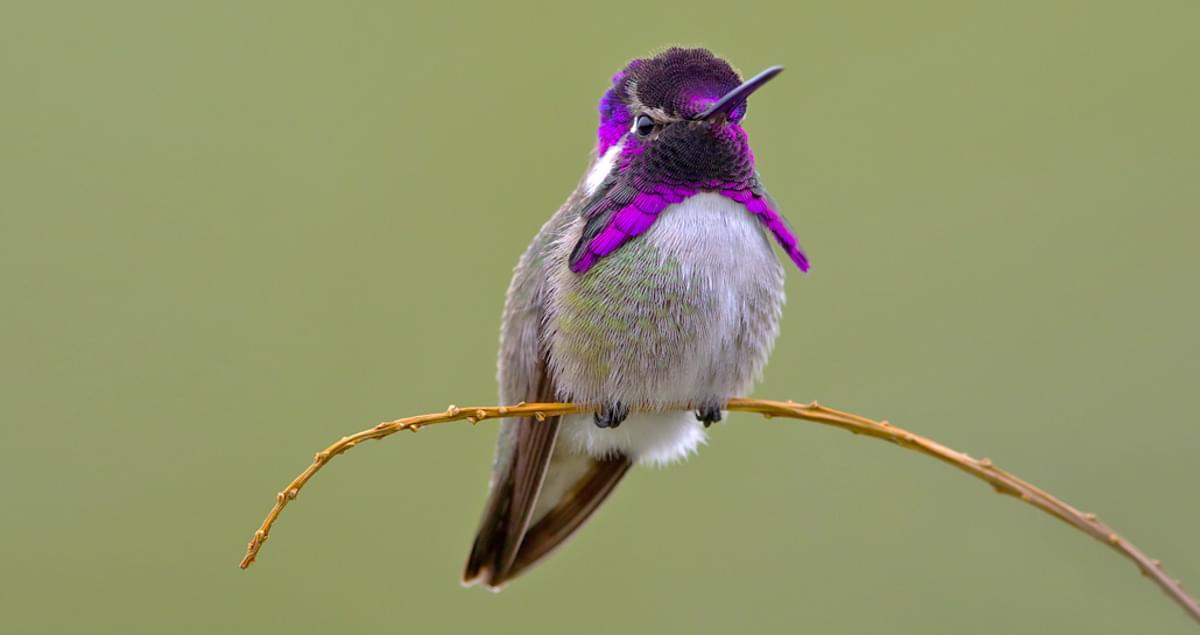
Costa’s Hummingbird, scientifically identified as Calypte costae, distinguishes itself with its predominantly green back, small black tail, and wings, displaying a striking purple throat and cap in males. Females of this species are less vibrant, with a smaller size ranging from 7.5 to 9 cm in length. Costa’s Hummingbird, known for its metallic green back and wings, is a unique sight among hummingbirds in the United States. The purple throat and cap in males make them easily identifiable during observations, adding beauty and diversity to the hummingbird species found in the country.
- Distinctive Features: Predominantly green back, small black tail, wings
- Male Characteristics: Striking purple throat, cap
- Female Appearance: Less colorful, smaller size
- Unique Sightings: Metallic green back and wings
- Identification: Easily recognizable by purple throats and caps in males
4. Rufous Hummingbird

Among the various species of hummingbirds found in the United States, Rufous Hummingbirds stand out with their distinctive reddish-brown coloring and iridescent orange-red throats in males. These tiny birds, scientifically known as Selasphorus rufus, have reddish-brown faces, flanks, backs, and tails. Males exhibit a vibrant iridescent orange-red throat, while females are less colorful, displaying more green in their plumage. On average, Rufous Hummingbirds measure around 8 cm in length.
| Fact | Description |
|---|---|
| Plumage Color | Reddish-brown with iridescent orange-red throat in males; greener in females |
| Average Length | Around 8 cm |
| Scientific Name | Selasphorus rufus |
With an estimated population of approximately 19 million, Rufous Hummingbirds are a common sight in North America. These remarkable birds are not only beautiful but also play a crucial role in pollination and ecosystem health.
5. Black-chinned Hummingbird
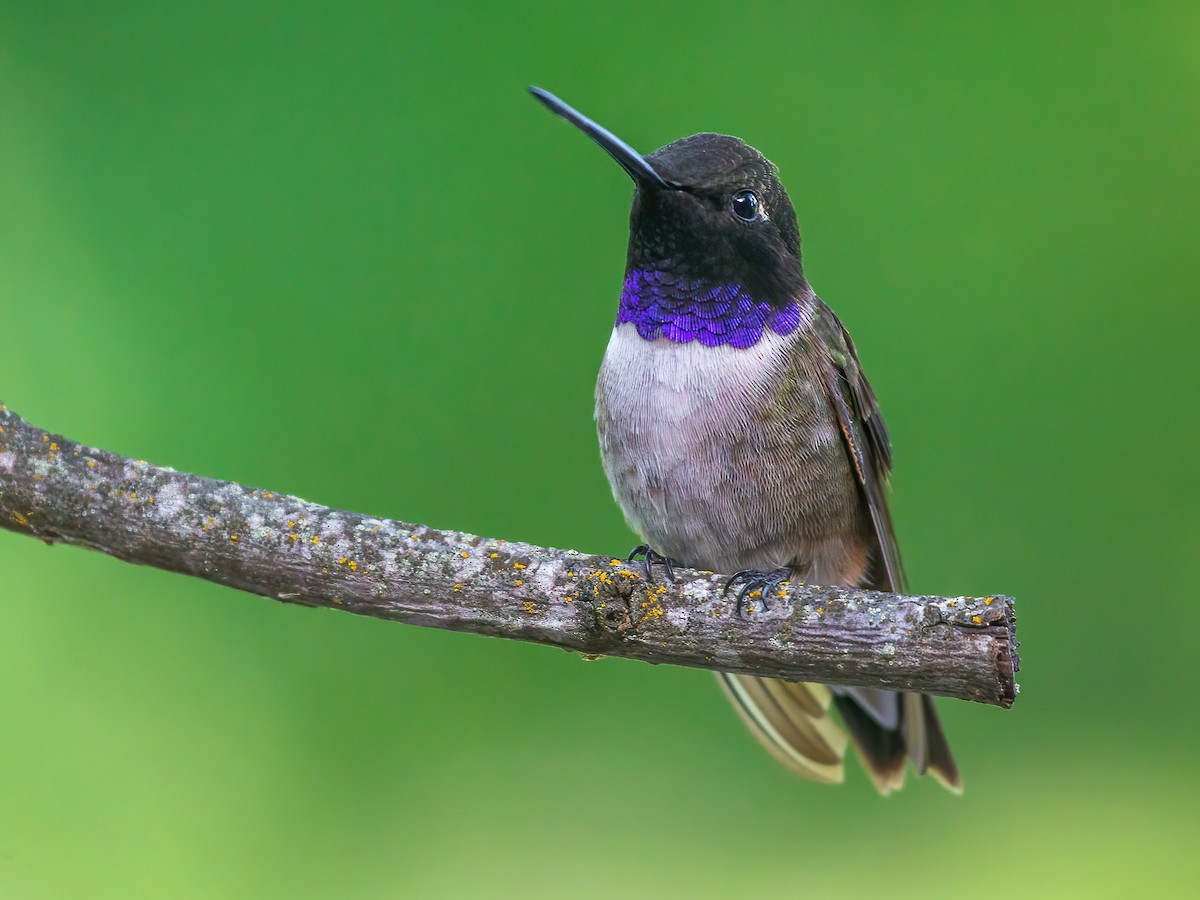
The Black-chinned Hummingbird, scientifically known as Archilochus alexandri, is a small hummingbird species commonly found in the western United States, distinguished by its metallic green upperparts and white underparts. This species measures around 8.25 cm in length and boasts green flanks akin to the female Ruby-throated Hummingbird. The males sport an iridescent purple throat patch, adding a vibrant touch to their appearance. With an estimated population of 7.7 million, the Black-chinned Hummingbird is a prevalent sight in its habitat. These hummingbirds play a crucial role in pollination by feeding on nectar from a variety of flowers, thereby contributing significantly to the ecosystem’s health and diversity.
- Small hummingbird species
- Metallic green upperparts and white underparts
- Iridescent purple throat patch on males
- Estimated population of 7.7 million
- Vital role in pollination
Stay tuned to delve into the fascinating world of the Calliope Hummingbird in the subsequent segment.
6. Calliope Hummingbird
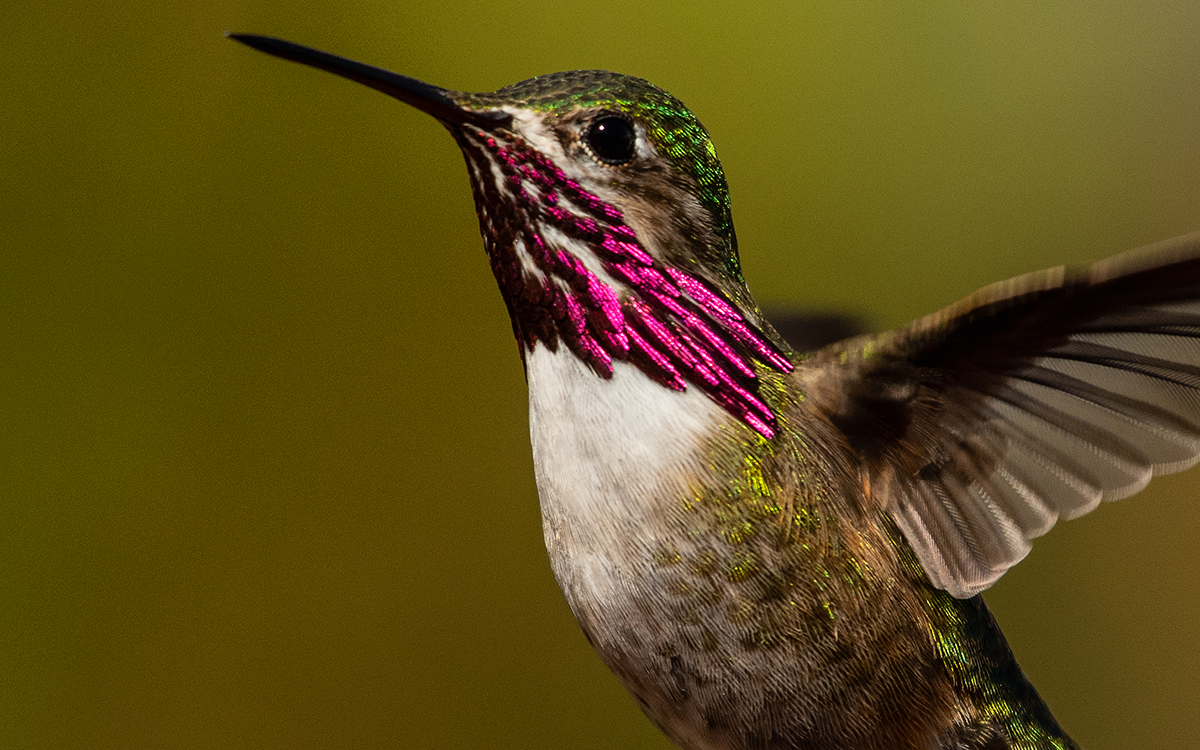
Nestled among the mountainous regions of the western United States and Canada, the Calliope Hummingbird holds the distinction of being the smallest hummingbird species in this geographical range. Identified by the vibrant magenta-red gorget adorning the males, these tiny birds showcase remarkable beauty. Their high-pitched buzzing vocalizations, reminiscent of insect sounds, are a unique characteristic of the species.
Calliope Hummingbirds prefer breeding in the cool, elevated areas of the mountains, where they build intricate nests using plant fibers and downy materials. During winter, they embark on a remarkable journey to Mexico, seeking more hospitable climates for survival. However, these impressive feats are under threat due to habitat loss and the adverse impacts of climate change.
Conservation initiatives play a crucial role in safeguarding the future of the Calliope Hummingbird population. By preserving their mountainous habitats and raising awareness about the challenges they face, we can strive to ensure the continued existence of these captivating creatures in the wild.
7. Broad-tailed Hummingbird

With a length of approximately 3.5 inches, Broad-tailed Hummingbirds exhibit a distinctive metallic green back and crown, with males displaying a bright rose-pink gorget. These fascinating creatures are known for their unique features and behaviors:
- Broad-tailed Hummingbirds are medium-sized, measuring around 3.5 inches in length.
- They breed in mountainous regions of the western United States.
- The males sport a striking rose-pink gorget that catches the eye.
- During flight, their wings produce a distinct trilling sound that sets them apart.
- Broad-tailed Hummingbirds engage in impressive aerial displays, showcasing steep dives and sharp turns, particularly during courtship.
Observing these hummingbirds in their natural habitat provides a glimpse into the beauty and intricacy of their behaviors. Their metallic green plumage and vibrant gorget make them a delightful sight for birdwatchers and nature enthusiasts alike.
8. Broad-billed Hummingbird

Found in specific habitats in the United States, the Broad-billed Hummingbird is a distinctive species known for its metallic green plumage and red bill with a black tip. Male Broad-billed Hummingbirds display a striking contrast with their deep blue throat feathers against the green plumage. In contrast, females lack the vibrant colors seen in males. This species, scientifically known as Cynanthus latirostris, is medium-sized, typically measuring around 9-10 cm in length.
| Characteristics | Description |
|---|---|
| Coloration | Mostly metallic green with a red bill and black tip |
| Throat of male | Deep blue, creating a contrast with the green plumage |
| Female plumage | Less colorful compared to the vibrant males |
| Size | Medium-sized, measuring around 9-10 cm in length |
| Scientific name | Cynanthus latirostris |
9. Buff-bellied Hummingbird
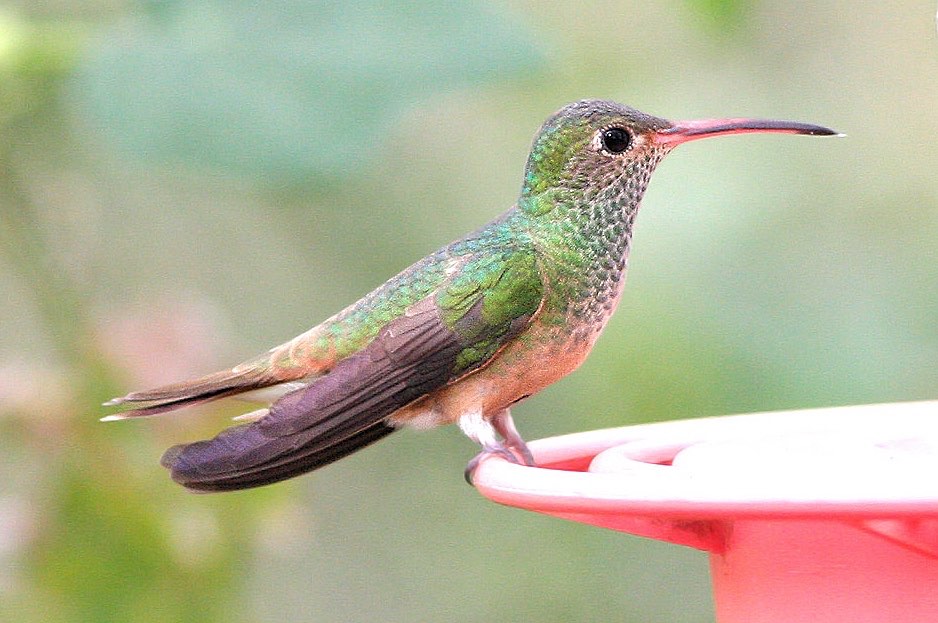
Buff-bellied Hummingbirds, distinguished by their medium size and vibrant green back and breast, are known for their distinct red bills with black tips. These species of hummingbirds exhibit fascinating characteristics that set them apart:
- They measure 9-10 cm in length, with males displaying the striking green coloration on their back and breast.
- Buff-bellied Hummingbirds are primarily found in South Texas but have been observed venturing northeast.
- Their preference for tropical habitats leads them to visit feeders and gardens in search of nectar.
- The red bill with a black tip is a key identifying feature that differentiates them from other hummingbird species.
- Observing Buff-bellied Hummingbirds can provide insights into their unique physical attributes and interesting behavior patterns.
These hummingbirds offer enthusiasts a wonderful opportunity to witness nature’s beauty up close and appreciate the diversity within the hummingbird family.
10. Blue-throated Mountain-Gem
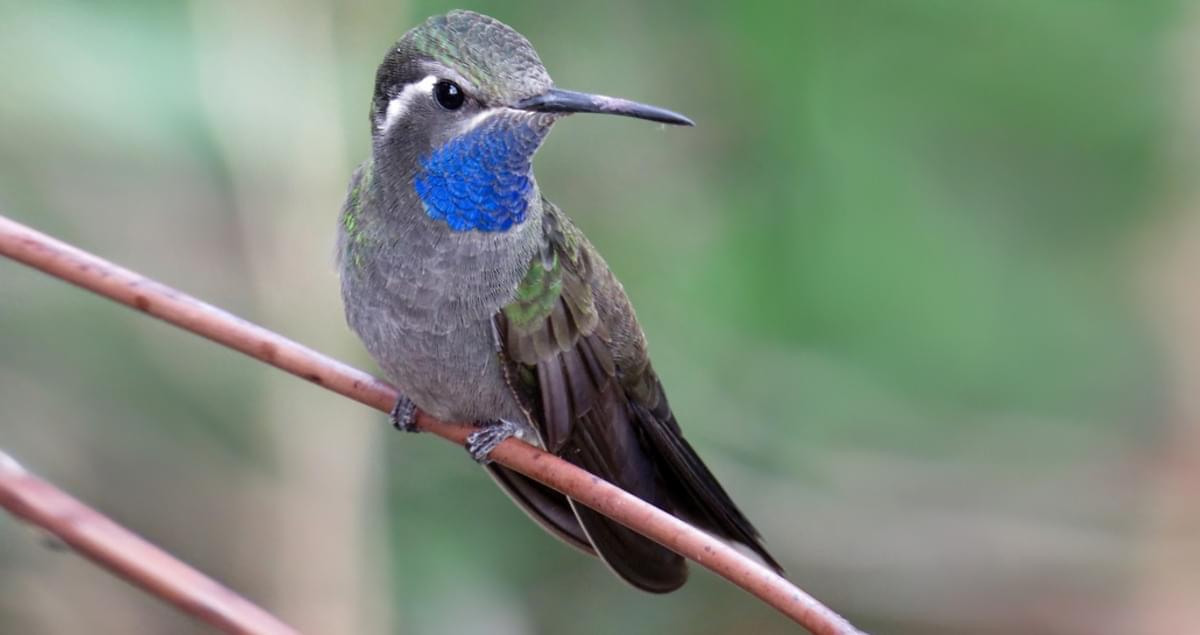
The Blue-throated Mountain-Gem, scientifically known as Lampornis clemenciae, is a striking hummingbird species native to the southwestern United States and Mexico. Males of this species exhibit a distinctive feature – a vibrant blue throat, which contrasts sharply with their green and white plumage. These hummingbirds prefer mountainous regions characterized by pine-oak forests, where they breed and establish territories. Blue-throated Mountain-Gems are recognized for their melodious vocalizations, adding to their charm in the diverse avian community of North America.
During the winter months, these birds undertake specific migration patterns, descending to lower elevations in search of warmer climates and abundant food sources. Conservation efforts play a pivotal role in safeguarding the Blue-throated Mountain-Gem and its habitats in the United States. Preserving the mountainous landscapes and maintaining ecological balance is crucial for ensuring the continued existence of this remarkable hummingbird species in the region.
11. Violet-crowned Hummingbird

Nesting in the arid landscapes of the southwestern United States and Mexico, the Violet-crowned Hummingbird, scientifically identified as Amazilia violiceps, displays a vibrant violet crown and throat in males. These hummingbirds are a unique sight for birdwatchers due to their distinctive features and limited distribution.
- Distinctive Appearance: Males boast a striking violet crown and throat.
- Habitat Preference: They favor arid environments such as deserts and canyons.
- Sexual Dimorphism: Females have a green back and head, setting them apart from males.
- Longevity: Compared to other hummingbird species, the Violet-crowned Hummingbird can live up to 9 years.
- Uncommon Species: Considered rare, spotting one of these hummingbirds is a special moment in their North American range.
The Violet-crowned Hummingbird’s presence adds a touch of vibrancy to the arid regions it calls home, making it a sought-after species for bird enthusiasts in the southwestern United States and Mexico.