
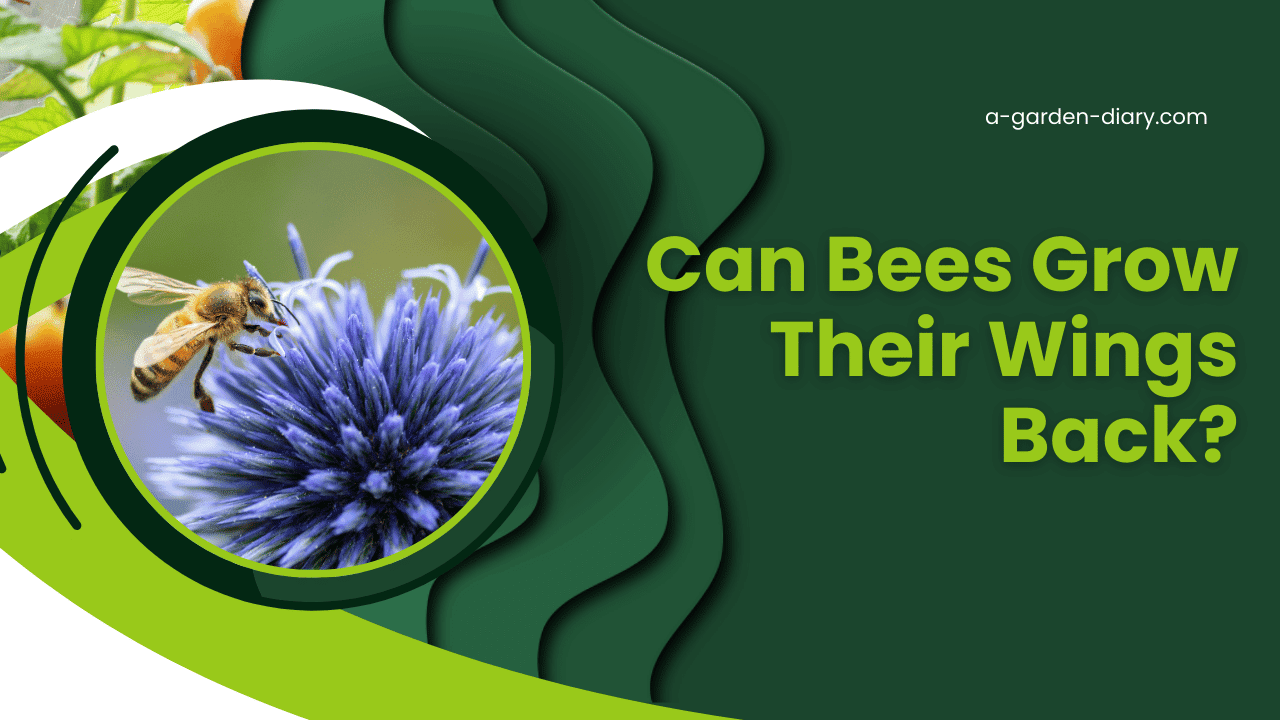
Bees cannot grow back their wings because of the complexity of their wing structure, made of chitin and delicate veins that cannot be repaired. Their wings are crucial for flight, foraging, and survival, lacking regenerative capabilities. Damaged wings impair bee abilities, impacting health and lifespan.
To protect bee wings, avoid unnecessary handling, maintain pesticide-free environments, and support conservation practices. Creating bee-friendly habitats with diverse flowers and nesting sites sustains their populations. Understanding the significance of bee wing maintenance is vital for ensuring their well-being and survival. More insights into bee care practices await.
Can Bees Grow Their Wings Back?
Bees’ inability to regrow their wings stems from the lack of regenerative capabilities in their exoskeleton, unlike the regrowth potential seen in the skin or tissue of other animals. The intricate structures of bee wings, composed of chitin and delicate veins, are highly specialized and cannot be repaired or regrown once damaged. This limitation poses a significant challenge for bees since they heavily rely on their wings for various essential activities such as flight, foraging, and overall survival within their natural areas.
When bees experience wing damage due to accidents, predators, or diseases, they face a considerable obstacle in carrying out their duties within the colony. Injured bees with impaired wings often struggle to contribute effectively to tasks like foraging and hive maintenance, leading to a decline in the overall health and productivity of the colony. Therefore, protecting bees from injuries and the Wing Deformity Virus becomes crucial to effectively maintaining their ability to pollinate and support ecosystem balance.
Importance of Bee Wing Care
Proper care and attention to bee wings are crucial for ensuring their ability to fly and forage effectively. When it comes to wing maintenance, bees rely on meticulous grooming to keep their wings clean and functional. Flight abilities are directly linked to the condition of their wings, as any damage or deformity can hinder their aerodynamics and maneuverability in the air.
Moreover, bees’ foraging behavior, essential for collecting nectar and pollen, heavily depends on their wings’ health and strength to navigate efficiently between flowers and their hive. To support these vital aspects of bee wing care, consider the following:
- Regular inspection of bee wings for any signs of damage or debris accumulation.
- Providing bees with access to unpolluted environments to reduce wing contamination.
- Ensuring that bee habitats offer adequate space and conditions for natural wing maintenance activities.
- Monitoring bee colonies for any potential stressors that could affect wing health and overall well-being.
Impact of Wing Damage on Bees
Regular inspection of bee wings for any signs of damage or debris accumulation is vital because wing damage in bees severely impacts their ability to forage for food and navigate, affecting tasks like pollination and thermoregulation crucial for their survival.
Bees rely on their wings not only for flight but also for various behaviors essential to their well-being. Wing damage can lead to long-term effects on bee health, reducing their lifespan and overall fitness. Ensuring proper wing maintenance is key to preserving bee populations and ecosystem balance.
| Wing Repair, Bee Behavior | Long-Term Effects, Wing Damage |
|---|---|
| Bees cannot regrow wings | Impacts on foraging and pollination |
| Wings crucial for navigation | Impacts foraging and pollination |
| Wing damage affects behaviors | Decreases overall bee health |
Protecting bees from wing damage is fundamental in safeguarding their ability to perform crucial tasks within their colonies and the environment. Regular checks and appropriate care can help mitigate the negative impacts of wing damage, ensuring the well-being of these vital pollinators.
Ways to Protect Bee Wings
Protecting bee wings is essential for ensuring their survival and ability to carry out vital pollination tasks. To safeguard bee wings effectively, consider the following:
- Wing maintenance: Regularly check for signs of wear or damage on bee wings and provide a clean environment to prevent debris from interfering with flight.
- Preventing damage: Avoid handling bees unnecessarily, as this can lead to wing damage and unnecessary stress on the insects.
- Habitat preservation: Create a bee-friendly environment by planting diverse flowers and maintaining pesticide-free zones to ensure bees access nutritious food sources supporting healthy wing development.
- Support conservation efforts: By participating in initiatives that protect bee populations and their habitats, you contribute to the overall well-being of these essential pollinators and help safeguard their delicate wings.
Bee-Friendly Environment Practices
Creating a welcoming habitat for bees involves planting a variety of native flowers that offer nectar and pollen for their sustenance. To ensure you are providing an ideal environment for bees, consider the following bee-friendly practices:
| Bee-Friendly Environment Practices | Benefits |
|---|---|
| Plant diverse, native flowers | Increases flowering plant diversity |
| Avoid pesticides and herbicides | Supports pollinator conservation efforts |
| Provide nesting sites | Aids in garden planning and habitat preservation |
| Maintain continuous bloom | Promotes sustainable gardening and ecological benefits |
Supporting Bee Foraging Abilities
To optimize bee foraging abilities, prioritize supporting their access to diverse floral resources in your environment. Bees rely on a variety of flowers to sustain their nectar collection and pollen transportation, essential for pollinator preservation. Enhancing bee foraging capabilities involves implementing the following strategies:
- Plant a diverse range of flowers: By offering different flower types, colors, and shapes, you can attract a broader spectrum of bees and provide them with ample nectar sources.
- Avoid pesticide usage: Minimizing pesticide application in your garden or surrounding areas can prevent harmful effects on bee populations and their foraging activities.
- Create bee-friendly habitats: Establishing bee-friendly environments with nesting sites and water sources can support bees in their foraging journeys.
- Implement foraging strategies: Understanding bee foraging behaviors and preferences can help you tailor your garden to better suit their needs, enhancing their foraging efficiency.
Navigational Challenges for Bees
Navigating their surroundings poses significant challenges for bees due to their reliance on intact wings for flight, navigation, and foraging tasks. Flight patterns and navigation skills are crucial for bees to efficiently collect nectar and pollen.
Wing damage directly impacts a bee’s ability to maintain these essential functions. Bees with impaired wings may struggle to fly long distances, affecting their foraging efficiency. Environmental factors such as wind speed and direction can further complicate navigation for bees with damaged wings. Ensuring optimal wing health is vital for bees successfully navigating and fulfilling their foraging duties.
Maintaining healthy wing conditions is paramount for bees to thrive in their environment. Without the ability to fly properly, bees may find it challenging to locate food sources and return to the hive efficiently. By safeguarding bees from harm and providing a supportive ecosystem, the risks of wing damage can be minimized, ultimately promoting the well-being and survival of these essential pollinators.
Ensuring Bee Survival and Well-being
Protecting bees’ wings is essential for ensuring their survival and well-being in their environment. Maintaining healthy wings is crucial for bee health and their ability to thrive. To ensure bee survival and well-being, consider the following:
- Bee health: Prioritize bee health by providing a habitat free from harmful pesticides and chemicals that can compromise their immune systems and overall well-being.
- Wing maintenance: Regularly inspect bee colonies to check for signs of wing damage or stress. Addressing issues promptly can prevent further damage and promote healthy wing development.
- Sustainability efforts: Support sustainability initiatives that aim to protect bee populations and their habitats. Sustainable practices help maintain a balanced ecosystem where bees can flourish.
- Conservation measures: Engage in conservation efforts such as planting bee-friendly flora and preserving natural habitats. By protecting the environment, you contribute to the well-being and sustainability of bee populations.