
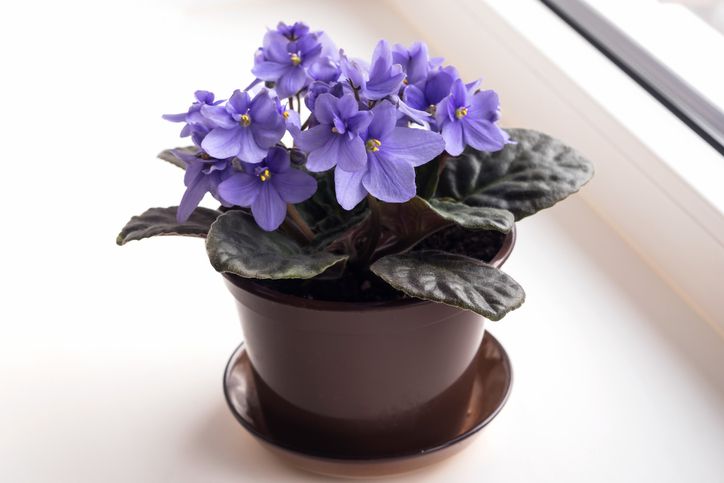
For optimal root health and water absorption, water your plants from the bottom in the morning or evening. These times maximize hydration and growth.
Benefits of Bottom Watering
By promoting stronger root systems and preventing overwatering, bottom watering offers numerous benefits for plant health and vitality. When you water plants from the bottom up, the roots are encouraged to grow downwards, creating a more robust root structure. This method helps plants avoid the risk of root rot, as it allows them to absorb only the necessary amount of water, preventing waterlogged soil conditions. By reducing the moisture in the top layers of soil, bottom watering also minimizes the chances of fungus gnat infestations, which thrive in overly damp environments. Additionally, bottom watering ensures that plants receive the correct amount of water they need, promoting overall health and vitality. This method takes the guesswork out of watering frequency, making plant care less stressful and more convenient for you as a plant owner. Through bottom watering, you are providing your plants with a balanced and efficient water supply that supports their growth and development.
Best Watering Times
When it comes to bottom watering plants, timing is crucial for optimal hydration and growth. Watering in the morning allows plants to absorb moisture throughout the day, promoting healthy root development. However, be cautious about watering in the evening to prevent issues like root rot due to excess moisture overnight.
Morning Watering Benefits
Watering your plants in the morning offers numerous benefits that contribute to their overall health and resilience. Morning watering is advantageous as plants actively grow and photosynthesize during this time, allowing them to efficiently absorb water and essential nutrients. Additionally, watering in the morning helps prevent the development of fungal diseases by enabling excess moisture to evaporate throughout the day, reducing the risk of plant infections. By providing plants with adequate hydration in the morning, you ensure they are well-equipped to face the day ahead, promoting their overall well-being and vitality. Furthermore, morning watering enhances plant resilience to stress and heat, enabling them to better withstand high temperatures and minimize water loss through evaporation. Embracing morning watering practices can significantly contribute to the long-term health and flourishing of your plants, making it a beneficial routine to incorporate into your plant care regimen.
Evening Watering Considerations
Consider evening watering for your plants to optimize water absorption and reduce moisture loss during the cooler nighttime hours. Watering in the evening allows plants to absorb water more efficiently as they have a longer period to take up moisture before the next day’s heat begins. This can help prevent water stress in plants during hot daytime temperatures. However, it is essential to be cautious with evening watering for plants prone to fungal diseases, as the damp conditions created by evening watering may promote fungal growth. Always consider the specific needs of your plants and the climate in which they are growing when determining the best watering times.
| Evening Watering Considerations | Benefits |
|---|---|
| Optimize water absorption | ✔ |
| Reduce moisture loss | ✔ |
| Prevent water stress | ✔ |
Suitable Plant Types
Certain plant types are more suited to bottom watering due to their dense root systems, such as ferns, philodendrons, and pothos plants. Hairy or fuzzy-leaved plants also benefit from this method to prevent moisture on their foliage. Additionally, plants in soilless mixes that require thorough saturation, like African violets, peace lilies, spider plants, pothos, and snake plants, are suitable for bottom watering.
Plant Watering Needs
Plants with dense root systems like ferns, philodendrons, and pothos thrive with bottom watering. This method ensures that the moisture reaches the plant roots directly, promoting healthy growth. Succulents and cacti, which prefer drier conditions, also benefit from bottom watering as it helps maintain the right moisture level without over-saturating the soil. African violets, peace lilies, and spider plants are among the plants that thrive with bottom watering due to their specific root structures that make them efficient at absorbing water from the bottom up. Bottom watering is particularly suitable for small potted plants under 6 inches in diameter that may dry out quickly, ensuring they receive adequate moisture. However, plants with bulbs like alocasias are not recommended for bottom watering due to their unique watering needs that require a different approach to maintain their health and growth.
Proper Watering Techniques
Bottom watering is a recommended technique for plants with dense root systems, such as ferns, philodendrons, and pothos. These plants have hairy or fuzzy leaves and dislike wet leaves, making bottom watering ideal for their watering needs. Plants that benefit from bottom watering typically have dense root balls that thrive when watered from the bottom up. This method promotes healthier root growth by encouraging roots to seek water downwards, preventing issues like root rot that can occur with overwatering. It is important to note that bottom watering is not suitable for plants with bulbs like alocasias or those in pots over 6 inches in diameter. By providing water directly to the roots, bottom watering ensures that plants absorb only the necessary amount of water, leading to better overall plant health and growth. Consider bottom watering as a proper watering technique for plants with dense root systems to maintain their well-being.
How to Bottom Water
When bottom watering your plants, ensure the container is placed on a level surface to facilitate even water distribution. To effectively bottom water, make sure the water level in the container covers at least an inch of the pot’s bottom. This allows the roots to absorb water efficiently as needed. Bottom watering is particularly beneficial during the growing season or warmer months when plants have heightened water requirements. Incorporating bottom watering into your plant care routine promotes healthier roots, enhances water absorption, and reduces the risk of overwatering. Be cautious not to bottom water plants that prefer consistently moist soil or those sensitive to root disturbance. By following these guidelines and adjusting the water level appropriately, you can optimize your plant’s hydration while preventing issues associated with overwatering.
Avoiding Overwatering
To prevent the detrimental effects of overwatering, it is essential to understand the benefits of bottom watering for plant health. Overwatering can lead to root rot, causing stress signals like yellowing leaves in plants. By allowing plants to absorb water at their own pace, bottom watering helps control water intake, reducing the risk of water-related problems and maintaining a healthy environment for growth.
| Signs of Overwatering | Prevention Strategy | Benefits of Bottom Watering |
|---|---|---|
| Yellowing leaves | Monitor soil moisture levels regularly | Allows plants to absorb water gradually |
| Root rot | Use well-draining soil | Helps prevent root rot by controlling water intake |
| Water-related problems | Adjust watering frequency based on plant needs | Reduces the risk of overwatering issues |
| Stressed plants | Provide proper drainage | Maintains a healthy environment for plant growth |
Preventing Underwatering
Preventing underwatering in plants is crucial for maintaining their health and promoting optimal growth. Bottom watering serves as an effective method to combat underwatering by allowing plants to absorb water more efficiently. This technique ensures that the entire potting medium is adequately moistened, eliminating dry pockets in the soil that can lead to dehydration. By bottom watering your plants, you promote healthier root growth as roots can access water at the bottom of the pot, encouraging robust development. This method significantly reduces the risk of negative effects associated with underwatering, such as wilting and stunted growth. Bottom watering facilitates a more consistent moisture level throughout the plant’s root system, enabling it to thrive and flourish. Incorporating bottom watering into your plant care routine is a proactive approach to prevent underwatering and provide your plants with the hydration they need for optimal health.
Promoting Root Health
Bottom watering encourages robust root growth in plants by promoting downward water absorption. This method helps establish a strong foundation for your plants by developing deep and robust root systems. By promoting root health, you can prevent root rot and ensure the vitality of your plants. Healthy roots are essential for overall plant health and growth, making bottom watering a crucial practice.
| Benefits of Bottom Watering |
|---|
| Promotes healthy root growth |
| Establishes strong root systems |
| Prevents root rot |
Combating Root Rot
Combatting root rot is essential in ensuring the health and vitality of your plants, as this common issue is often caused by overwatering and can lead to oxygen deprivation and root decay. To effectively combat root rot and promote healthier root systems, consider the following:
- Bottom Watering: Opt for bottom watering to prevent excess moisture at the surface, allowing plants to absorb water from the roots up.
- Symptoms Awareness: Keep an eye out for signs of root rot such as wilting, yellowing leaves, and a foul smell coming from the soil.
- Proper Drainage: Ensure proper drainage in your pots or containers to prevent water from accumulating at the bottom, creating a breeding ground for root rot.
- Healthy Roots Promotion: Implement bottom watering techniques consistently to reduce the risk of root rot and encourage optimal root health.
- Preventive Measures: Take preventive measures such as adjusting watering frequency and allowing the soil to dry out slightly between waterings to combat root rot effectively.
Maximizing Water Absorption
To maximize water absorption and promote optimal plant growth, consider timing your bottom watering sessions strategically. Bottom watering in the morning is ideal as it allows for optimal water absorption during the plant’s active growth period. This timing ensures that plants have the necessary moisture to support their growth throughout the day. Conversely, watering in the evening can be beneficial as it provides plants with sufficient moisture overnight for continued development. It is crucial to avoid bottom watering during the hottest part of the day to prevent rapid evaporation and water loss, which may hinder the absorption process.
Bottom watering during the plant’s active growing season is especially advantageous as it helps promote healthy root development and overall plant vigor. When the top layer of the soil feels dry to the touch, it is a good indicator that the plant requires hydration, making it an opportune time for bottom watering to support optimal water absorption. By strategically timing your bottom watering sessions, you can ensure that your plants receive the necessary moisture for healthy growth and development.