
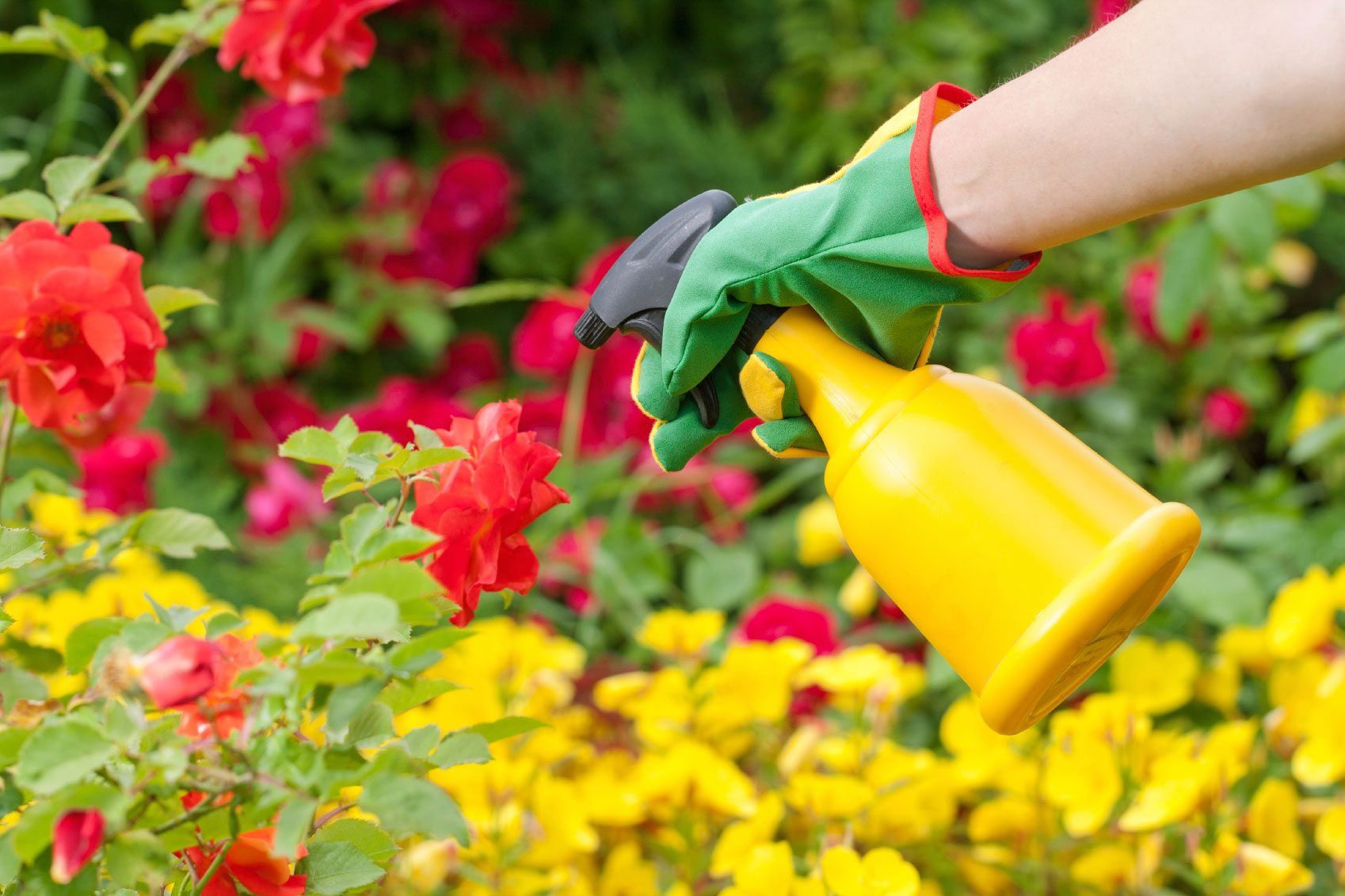
When using vinegar on plants, ensure the ideal strength with 5% acetic acid for safe and effective results. Concentrations of 10-20% work best for tough weeds, but below 5% may be less effective. Balancing the mixing ratios correctly is vital for weed control efficacy and plant safety. Enhance root systems and plant health by using vinegar with proper strength. For a herbicidal solution, mix vinegar with orange oil and liquid soap. Remember, precise application methods are key, so use a pump-up sprayer for thorough coverage. Following these guidelines will help you achieve the best results for your plants and weeds.
Benefits of Using Vinegar on Plants
Using vinegar on plants offers numerous benefits that can enhance plant health and soil quality. When diluted in water, vinegar acts as a mild fertilizer, providing good quality nutrients for plants while also improving the root system. For indoor or patio plants, adding vinegar to water at a ratio of 1 oz per gallon can be particularly beneficial. This mixture not only cleans the water but also promotes plant growth, contributing to healthier and stronger plants overall. Apple cider vinegar, in particular, is recommended for watering potted plants due to its positive effects on plant health and soil quality.
Moreover, vinegar can be utilized as a natural herbicide, offering a less harmful alternative to chemical herbicides. By mixing vinegar with orange oil and liquid soap in specific ratios, it becomes an effective solution for weed control. These vinegar-based herbicides are non-toxic and environmentally friendly, ensuring the safety of pets, wildlife, and the ecosystem while effectively managing weed growth.
Understanding Vinegar Strength for Plants
Understanding the appropriate strength of vinegar for plants is key to utilizing it effectively and safely in gardening practices. When it comes to weed control and using vinegar, here are some important things to consider:
- Ideal Strength: Vinegar for plants should ideally contain 5% acetic acid, which is commonly found in household vinegar.
- Stronger Concentrations: Concentrations ranging from 10-20% can be effective for tougher weeds, but they may require caution and the use of protective gear.
- Weaker Vinegar: Vinegar with less than 5% acetic acid may not be as effective for weed control.
- High Acetic Acid Content: Vinegar with 20% acetic acid or higher is considered a herbicide and requires EPA registration for use.
- Crucial Importance: Correct strength and mixing ratios are crucial for the safe and effective use of vinegar on plants, especially when it comes to weed control.
Importance of Correct Mixing Ratios
Ensuring the correct mixing ratios when using vinegar as an herbicide is crucial for its efficacy in controlling weeds. Incorrect ratios can lead to reduced effectiveness in weed control or potential damage to desirable plants. By following recommended ratios, you can achieve the desired results while minimizing risks to your plants and the environment.
Mixing Ratios for Efficacy
Properly measuring and combining vinegar, orange oil, and liquid soap in specific proportions is essential for maximizing the efficacy of vinegar-based herbicides on weeds. To ensure the best results and avoid harm to desired plants, follow these crucial tips:
- Balanced Formulation: Achieving the right balance between vinegar, orange oil, and liquid soap is key for effective weed control.
- Optimal Contact: Correct mixing ratios enhance the contact-killing action of the vinegar herbicide on weeds.
- Efficiency and Safety: Following precise instructions not only boosts efficacy but also promotes safe use in gardens and lawns.
- Weed Control Enhancement: Proper ratios help in maximizing the herbicidal effects on unwanted vegetation.
- Avoiding Harm: Incorrect mixing proportions can potentially harm plants and affect the environment, including aquatic organisms.
Avoiding Plant Damage
To prevent plant damage when using vinegar-based herbicides, it is crucial to adhere to the correct mixing ratios of vinegar to water. Proper dilution plays a key role in avoiding plant harm and minimizing risks associated with vinegar application. Vinegar, with its acidic nature, can cause plant burn or even death if not diluted correctly. The recommended ratio for a safe vinegar herbicide is typically 10% vinegar to water. Higher concentrations can be detrimental to plants, highlighting the importance of following the appropriate mixing ratios. By ensuring the correct dilution, you can effectively control weeds without harming the plants you want to preserve.
| Vinegar Concentration | Water Volume | Application |
|---|---|---|
| 10% | 1 part vinegar to 9 parts water | Safe for most plants |
| Higher Concentrations | More water for dilution | Risk of plant damage |
| Lower Concentrations | Reduced effectiveness | Lesser plant harm risk |
| Spot Testing | Always recommended | Ensures safety before full application |
Achieving Desired Results
Achieving desired results with vinegar-based herbicides hinges on precise adherence to correct mixing ratios for optimal weed control efficacy while safeguarding non-target plants. When considering vinegar application, keep in mind the importance of correct dilution to ensure the health of your plants and the effectiveness of the herbicidal solution. Here are some key points to help you achieve the desired outcomes:
- Use the recommended mixing ratio of 10% vinegar, 1 oz orange oil, and 1 tsp liquid soap per gallon for a potent herbicidal solution.
- Avoid using too little vinegar, as it may lead to ineffective weed killing.
- Be cautious not to use too much vinegar, which can harm desired plants and the soil.
- Precision in mixing ratios is crucial for optimal herbicidal action while minimizing risks to non-target plants.
- Following recommended mixing ratios is essential to maintain a balance between weed control efficacy and environmental safety.
Enhancing Root Systems With Vinegar
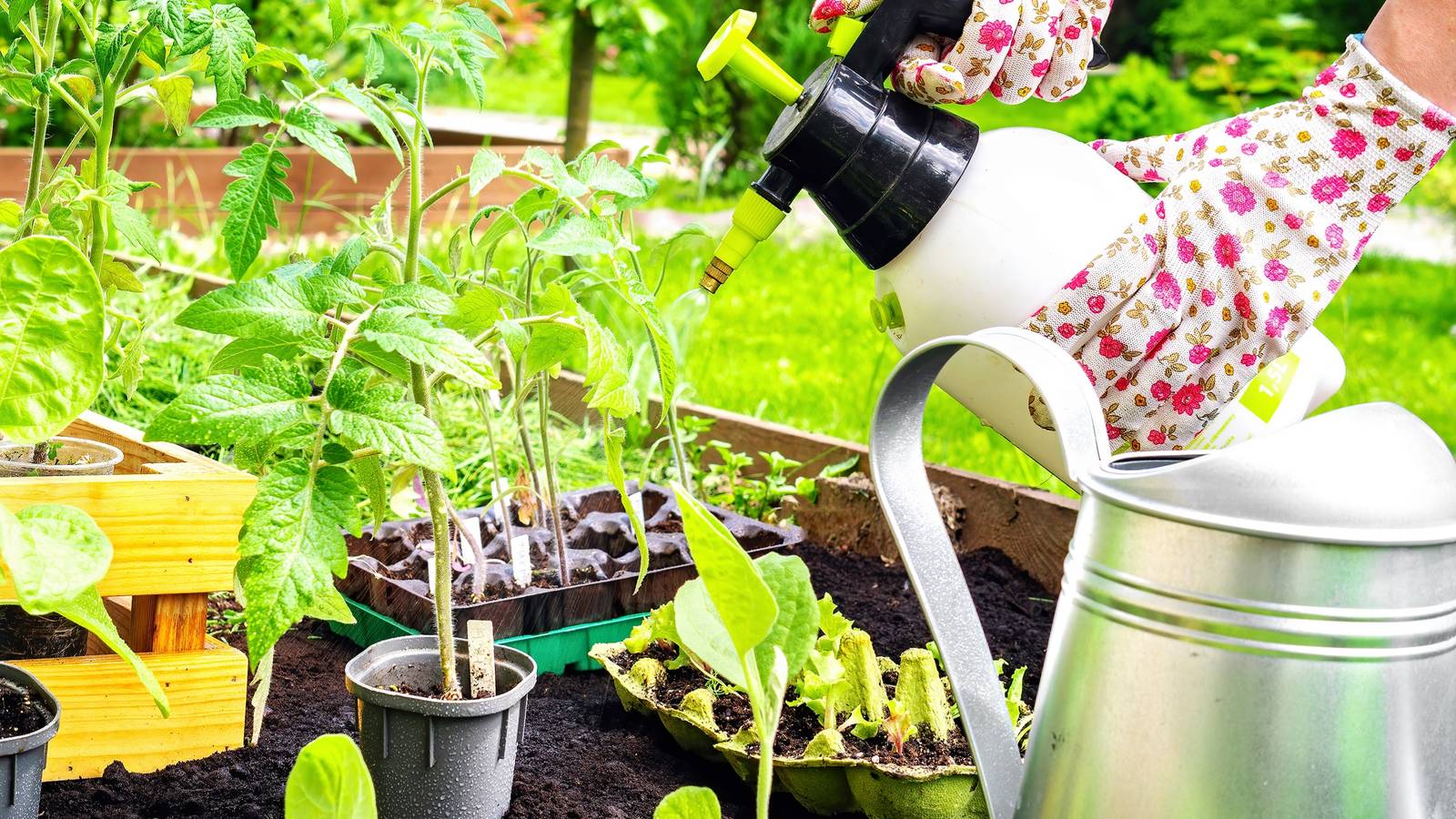
To enhance root systems with vinegar, consider the benefits of improved root growth and nutrient absorption. Applying a solution of 1 oz of vinegar per gallon of water can support root development and soil health. By incorporating vinegar into your plant care routine, you can promote healthier roots and overall plant vitality.
Root Growth Benefits
Enhancing root systems with vinegar involves utilizing its mild acidity to promote robust root growth in plants. When used correctly, vinegar can provide various benefits for root development, soil structure, and nutrient absorption:
- Adding vinegar to water at a ratio of 1 oz per gallon can enhance root growth by acting as a mild fertilizer.
- The mild acidity of vinegar helps improve soil structure, making it easier for roots to access essential nutrients.
- Vinegar’s properties can stimulate root development, resulting in stronger and healthier plants overall.
- Regular application of vinegar water can lead to the promotion of robust root systems, contributing to enhanced plant growth and resilience.
- Whether for indoor or outdoor plants, using vinegar for watering purposes can support optimal root health, ensuring the plants thrive in their environment.
Vinegar Application Techniques
Using vinegar to enhance root systems in plants involves applying a mixture of 1 oz of vinegar per gallon of water to provide a mild fertilizer effect and promote healthier plant growth. There are three main techniques for applying vinegar to plants to boost root systems: vinegar misting, soil drenching, and foliar spraying. Vinegar misting entails lightly spraying the diluted vinegar solution onto the leaves and stems of the plant, allowing it to be absorbed through the foliage and potentially stimulate root growth. Soil drenching involves pouring the vinegar mixture directly into the soil around the plant’s root zone, allowing the roots to absorb the nutrients gradually. Foliar spraying is the process of applying the vinegar solution directly onto the leaves of the plant, enabling the plant to absorb the vinegar through the leaf surface and potentially enhancing root development. By incorporating these techniques into your plant care routine, you can help strengthen the root systems of your plants and improve overall plant health.
Vinegar as a Mild Fertilizer
When considering using vinegar as a mild fertilizer for your plants, it is crucial to dilute it properly to ensure optimal plant growth and health.
- Vinegar, when diluted at a ratio of 1 ounce per gallon of water, can enhance plant growth by providing essential nutrients like potassium, phosphorus, and magnesium.
- The acidity in vinegar aids in lowering soil pH, benefiting acid-loving plants such as azaleas and rhododendrons.
- Using vinegar as a mild fertilizer can improve soil health, enhance nutrient absorption, and promote better soil structure.
- Proper application of vinegar can lead to a balanced pH level, which is crucial for optimal nutrient uptake by plants.
- However, it is essential to use vinegar in moderation as excessive amounts can potentially harm plants, causing nutrient imbalances and root damage.
Using Vinegar for Weed Control
When it comes to weed control, using vinegar can be a potent tool in your arsenal. The high acetic acid content in vinegar makes it a quick and effective solution for killing weeds upon contact. However, it’s crucial to be cautious when applying vinegar herbicides near desired plants to avoid unintentional damage.
Weed Control Benefits
How effective is vinegar as a weed control agent for managing unwanted vegetation in your garden or landscaping? Vinegar herbicides provide a powerful solution for weed control, especially when considering soil health in organic gardening and sustainable agriculture practices. Here are some key benefits of using vinegar for weed control:
- Effective on Young Weeds: Vinegar herbicides are particularly effective on young weeds, as they act as contact herbicides that target the parts they come into contact with.
- Safe Strength: The recommended 10% acetic acid strength ensures efficient weed control without harming desired plants or the environment.
- Non-Toxic Alternative: Vinegar herbicides offer a non-toxic and eco-friendly alternative to chemical herbicides, promoting the safety of pets, wildlife, and the overall ecosystem.
- Quick Results: Visible results can often be observed within 24 hours after application, showcasing the effectiveness of vinegar in weed control.
- Enhanced Efficacy: Integrating vinegar herbicides with mulching, cultivation, and cover crops can boost weed control efficacy and sustainability in your gardening or landscaping efforts.
:max_bytes(150000):strip_icc()/GettyImages-1334666728-594a94a7559a4b048fc9ed4adeefcf86.jpg)
Vinegar Application Methods
To effectively apply vinegar for weed control, ensure you have a pump-up sprayer for thorough coverage and optimal efficacy. Using a sprayer allows for a more even distribution of the vinegar herbicide, reaching the weeds effectively. When compared to hand application, a sprayer provides better coverage and ensures that the vinegar comes into direct contact with the weed foliage.
Regarding vinegar root growth benefits, it is a common misconception that vinegar promotes root growth in weeds. In reality, vinegar acts as a contact killer, affecting only the parts of the plant it directly touches. There is no evidence to support the idea that vinegar enhances root growth in weeds.
When using vinegar for weed control, it is essential to understand the correct strength and dilution. Utilizing a concentration of 10% acetic acid is recommended for effective weed control. Mixing vinegar with ingredients like orange oil and liquid soap can enhance its herbicidal properties. Dilution misconceptions can lead to ineffective weed control, so it is crucial to follow the recommended recipes for vinegar-based herbicides.
Effects on Surrounding Plants
Using vinegar for weed control can have unintended effects on surrounding plants due to its non-selective nature. When applying vinegar herbicides, it is crucial to consider plant protection and avoid damage to the surrounding vegetation. Here are some key points to keep in mind:
- Vinegar weed killer can harm nearby plants if not applied carefully.
- Avoid spraying vinegar on desired plants or on windy days to prevent unintended damage.
- Vinegar herbicides work by desiccating plant tissues, affecting any vegetation they come in contact with.
- Use caution when applying vinegar near valuable plants to prevent burning or wilting if oversprayed.
- Consider creating physical barriers or using shields to protect nearby plants when using vinegar for weed control.
Creating a 10% Vinegar Solution
Mix equal parts of water and 20% vinegar to create a 10% vinegar solution for effectively targeting weeds. This vinegar dilution is achieved by correct blending, ensuring the solution strength is potent enough to combat weeds while being safer for surrounding plants and the environment. The 10% vinegar solution strikes a balance between effectiveness and minimizing potential harm. By using this diluted concentration, you can effectively kill weeds without the need for higher concentrations that might pose risks to other plants. It is crucial to label the container clearly to prevent accidental misuse of the vinegar solution. Remember, when creating a 10% vinegar solution, the key is to mix one part of water with one part of 20% vinegar to achieve the desired strength for weed control. This method provides a practical and environmentally friendly approach to weed management in your garden or outdoor spaces.
Adding Orange Oil for Herbicidal Effects
Combine orange oil with vinegar to enhance the herbicidal effects of the solution. When added to vinegar herbicides, orange oil offers several benefits that can improve the efficacy of your weed-killing mixture:
- Orange oil benefits: Orange oil contains d-limonene, a natural compound that aids in breaking down the protective waxy layer on plant leaves, allowing for better penetration of the herbicide.
- Herbicide enhancement: The addition of orange oil boosts the herbicidal properties of the vinegar solution, making it more effective at killing weeds.
- Citrus scent masking: The pleasant citrus scent of orange oil helps mask the strong vinegar odor, making the application more tolerable.
- Increased efficacy: The combination of orange oil and vinegar creates a more potent herbicidal solution, increasing its effectiveness in controlling unwanted vegetation.
- Complementary properties: When mixed correctly, orange oil complements vinegar’s herbicidal effects, providing a synergistic effect for better weed control.
Including Liquid Soap in the Mix
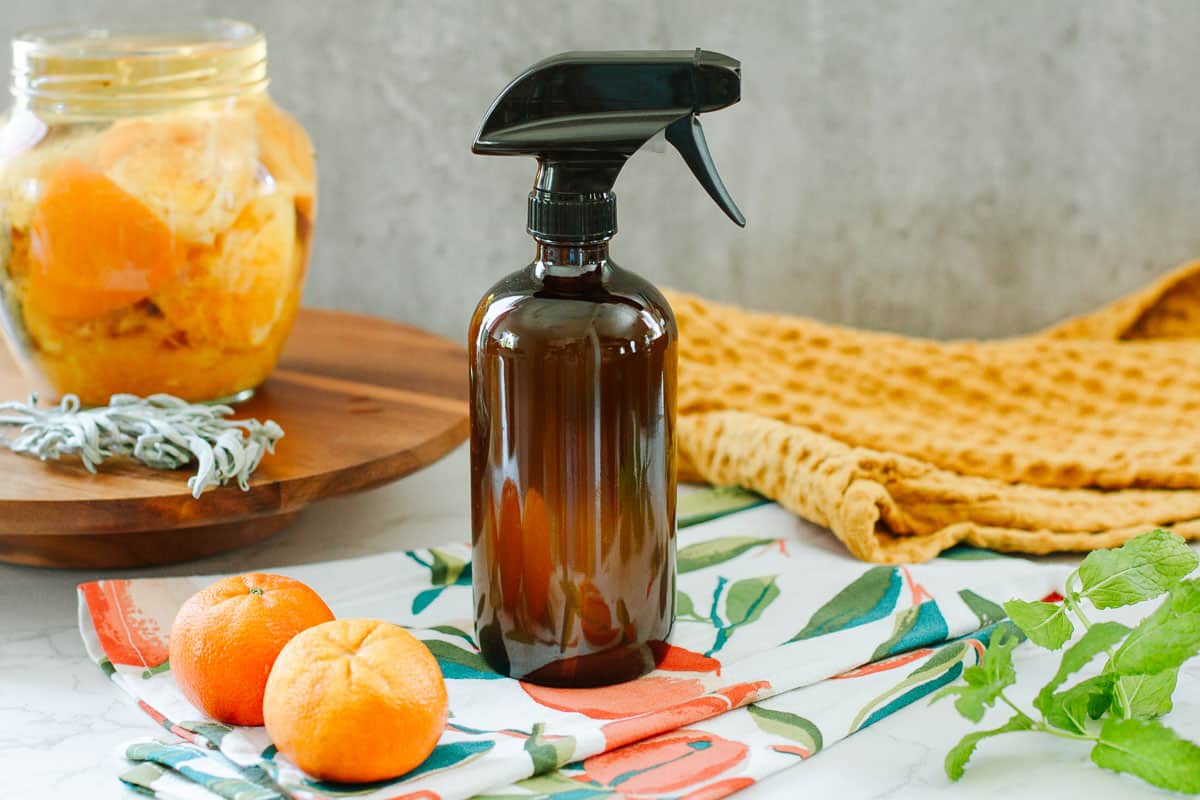
Enhancing the effectiveness of your vinegar herbicide mixture can be achieved by incorporating liquid soap, which serves to improve adherence to weed surfaces and aid in the penetration of the herbicidal solution. Liquid soap acts as a surfactant, reducing surface tension and allowing the herbicide to spread evenly on the weeds. The soap in the mixture assists the vinegar herbicide in penetrating the waxy cuticle of the weeds, thereby enhancing its herbicidal properties. By using liquid soap in the mix, you ensure that the vinegar herbicide sticks to the weeds, preventing it from running off or evaporating quickly. This addition makes the vinegar herbicide more potent in killing weeds by improving its coverage and absorption on plant surfaces.
| Soap Benefits | Herbicide Effectiveness | Surface Adhesion |
|---|---|---|
| Acts as a surfactant, | Enhances the potency of | Improves adherence |
| reducing surface tension | the vinegar herbicide | to weed surfaces |
| Aids in spreading the herbicide evenly | Helps in penetrating the waxy cuticle | Prevents run-off and evaporation |
Best Practices for Mixing Vinegar Solutions
For optimal weed control results, it is recommended to prepare a 10% vinegar solution when mixing vinegar herbicides. Achieving the correct vinegar dilution and following proper ratios are crucial for effective herbicidal action. Here are some best practices for mixing vinegar solutions:
- Use a 10% Vinegar Solution: Opt for a 10% vinegar concentration for potent weed control.
- Add Orange Oil and Liquid Soap: Enhance the herbicidal properties by mixing 1 oz of orange oil and 1 tsp of liquid soap per gallon of vinegar.
- Shake Well Before Application: Ensure thorough mixing by shaking the vinegar solution well before using it in a pump-up sprayer.
- Avoid Spraying Desirable Plants: Due to vinegar’s contact-killing nature, refrain from spraying it on plants you wish to keep.
- Follow Safety Precautions: Always prioritize safety by wearing protective gear when handling and applying vinegar herbicides.
Following these mixing techniques and guidelines will help you achieve the best results while using vinegar for weed control.
Application Tips for Vinegar on Plants
To effectively apply vinegar on plants for weed control, ensure you are using vinegar with a concentration of 5% acetic acid or higher. For plant protection and growth enhancement, mix the vinegar with orange oil and liquid soap to create a natural herbicidal solution. When applying the vinegar herbicide, target the weeds directly while avoiding contact with desirable plants to prevent any damage. Prior to application, shake the vinegar mixture thoroughly to ensure proper mixing. It is recommended to use a pump-up sprayer for an even and efficient distribution of the herbicide on the weeds. Remember that vinegar-based herbicides act as contact killers, leading to quick results on the targeted weeds. By following these application tips, you can effectively utilize vinegar for weed control while safeguarding your plants and promoting their growth.
Precautions When Using Vinegar on Plants
When using vinegar on plants, exercise caution to prevent unintended harm to desirable vegetation. Proper handling is essential to ensure that the application of vinegar remains targeted towards weeds and does not affect nearby plants. Safety measures must be followed to avoid any potential risks associated with handling vinegar solutions. Preventing accidents is crucial, as vinegar can cause harm if it comes into contact with skin, eyes, or plants that you want to keep.
- Wear protective clothing such as gloves, goggles, and long sleeves when handling vinegar solutions.
- Apply vinegar on plants during calm weather to prevent drift onto unintended areas.
- Rinse any equipment used for applying vinegar thoroughly after each use to avoid contamination.
- Store vinegar in a secure location away from children and pets to prevent accidental ingestion.
- Consider spot-treating weeds with vinegar instead of broad applications to minimize contact with desirable plants.