
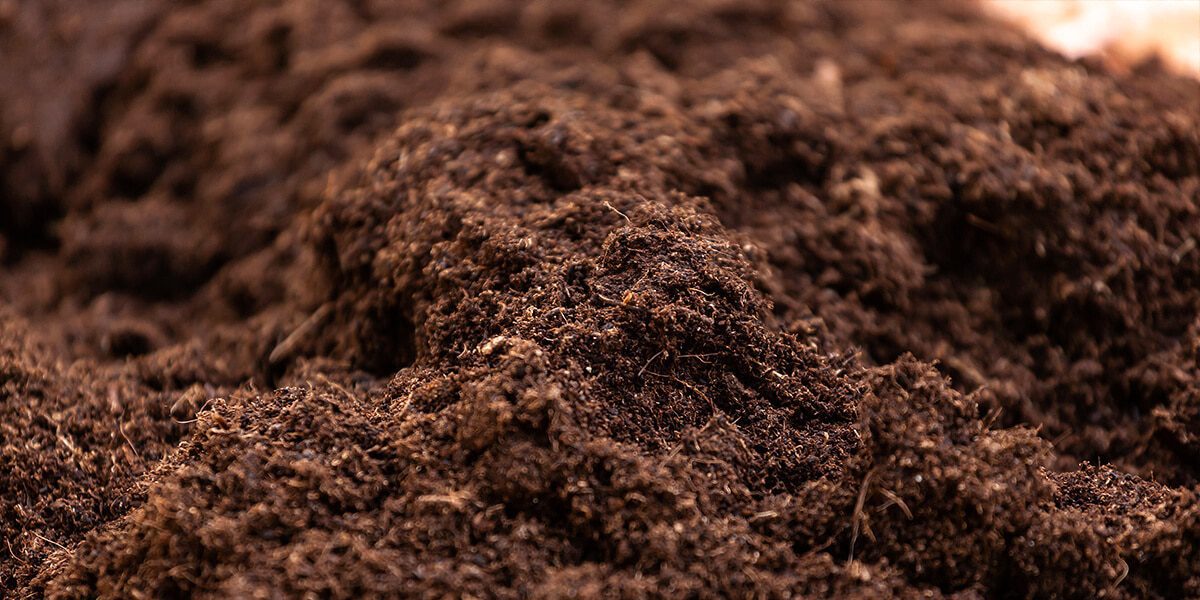
Soil, a vital resource, is nonrenewable due to slow formation but can be reused through sustainable practices. Human activities hasten erosion and depletion, yet composting helps conserve soil fertility. Understanding natural soil formation processes involving weathering, organic matter decomposition, and biological activities is key. Challenges like erosion threaten soil health, but conservation techniques like contour farming can mitigate these issues. Enhancing soil fertility via organic matter addition and nutrient management is crucial. Sustainable practices such as cover cropping and agroforestry systems enhance soil quality. Soil is essential for agricultural sustainability and future generations’ well-being.
Soil as a Limited Resource
Soil, as a critical component of Earth’s ecosystem, is undeniably recognized as a limited resource due to its slow formation process and vulnerability to degradation from human activities.
It’s considered a nonrenewable resource because it forms at an exceedingly slow pace, typically taking thousands of years to develop a few centimeters of topsoil. This process involves the accumulation of organic matter, weathering of rocks, and the action of microorganisms, all of which are intricate and time-consuming.
Unfortunately, intensive agricultural practices, deforestation, urbanization, and industrial activities accelerate soil erosion and degradation, surpassing the natural replenishment rate. Organic matter, a vital component of soil fertility, is particularly prone to depletion through these activities.
Sustainable soil management practices, such as composting, cover cropping, and reduced tillage, play a crucial role in maintaining soil quality and fertility, thereby mitigating the negative impacts of soil degradation.
Through responsible stewardship and conservation efforts, it’s possible to preserve this invaluable resource for future generations.
Natural Soil Formation Processes
Natural soil formation processes are driven by a combination of physical, chemical, and biological mechanisms. Factors such as parent material, climate, topography, organisms, and time influence the rate and type of soil development in a particular area.
Understanding these intricate processes is essential for predicting soil formation rates and implementing sustainable land management practices.
Soil Formation Mechanisms
Factors such as weathering processes, organic matter decomposition, and biological activities play crucial roles in the intricate mechanisms of soil formation.
- Chemical Weathering: Breakdown of rocks into smaller particles due to chemical reactions.
- Physical Weathering: Disintegration of rocks into smaller fragments through physical forces like water, wind, and temperature changes.
- Organic Matter Decomposition: Decay of plant and animal residues, enriching the soil with nutrients.
- Biological Activities: Involvement of living organisms like earthworms, bacteria, and fungi in soil formation processes.
- Mineral Interactions: Transformation of minerals through processes like leaching, precipitation, and soil horizons development.
These mechanisms collectively lead to the creation of soil over extensive periods.
Understanding these intricate processes is vital for comprehending the dynamics of soil formation. The combination of living things, renewable and nonrenewable resources, and various environmental factors results in the diverse array of soils found worldwide.
Factors Influencing Soil
Climate, parent material, organisms, time, and topography intricately shape the rate and type of soil formation processes. Soil formation begins with the breakdown of rocks and minerals through physical, chemical, and biological weathering.
Organic matter decomposition plays a vital role in enriching the soil with nutrients and creating a suitable environment for plant growth. Over time, the accumulation of organic materials, along with the action of soil organisms like earthworms and bacteria, contributes to soil replenishment and fertility.
The composition of soil is a complex interplay of sand, silt, clay, air, water, organic matter, and living organisms. Different soil types result from varying proportions of these components, influenced by the factors driving soil formation.
For instance, soils in arid regions may have distinct characteristics compared to those in humid climates due to differences in weathering rates and organic matter accumulation. Understanding these factors is crucial for sustainable soil management practices aimed at preserving soil health and productivity for future generations.
Challenges of Soil Erosion
Soil erosion poses significant challenges to agricultural productivity and environmental sustainability. The impact of erosion extends beyond the loss of fertile topsoil, risking soil health and ecosystem balance.
Implementing effective conservation techniques is crucial to mitigate these risks and sustain soil resources for future generations.
Impact of Erosion
Erosion poses a significant threat to soil health and agricultural sustainability due to its detrimental effects on topsoil. Soil erosion, whether by wind, water, or human activities, results in the loss of fertile topsoil, leading to reduced crop productivity and environmental degradation.
In intensively farmed areas, erosion rates can surpass natural soil formation rates, jeopardizing the long-term health of the land. However, the impact of erosion can be mitigated through the implementation of conservation practices such as contour farming and cover crops. These methods help to prevent soil erosion, maintain soil structure, and reduce the overall environmental impact of agricultural activities.
Given that soil erosion is a pressing challenge, adopting sustainable land management practices is crucial to safeguarding soil health and ensuring the future viability of agricultural systems.
Soil Health Risks
The degradation caused by continuous erosion poses significant challenges to the overall health and sustainability of agricultural ecosystems. Soil erosion, the process of topsoil removal, threatens soil health by diminishing fertility, reducing water retention capacity, and increasing susceptibility to drought.
Factors such as deforestation, improper farming techniques, and rapid urbanization exacerbate soil erosion rates, compromising the integrity of vital agricultural lands worldwide. The loss of soil through erosion not only impacts food security but also threatens the health of entire ecosystems.
To combat the detrimental effects of soil erosion, implementing erosion control measures is crucial. Strategies like planting cover crops, which help protect the soil surface, and constructing terraces to slow down water runoff can effectively mitigate the risks associated with erosion.
Conservation Techniques
Implementing effective conservation techniques is crucial in addressing the challenges posed by soil erosion in agricultural ecosystems. Soil erosion is a significant issue, especially in intensively farmed areas where it can outpace the natural rate of soil replenishment.
The removal of vegetation exacerbates erosion, resulting in the loss of vital topsoil and nutrients essential for plant growth. Unsustainable agricultural practices in intensively farmed regions contribute to soil degradation, further worsening the erosion problem.
While soil additives can help replenish nutrient content, they can’t replace the bulk material lost through erosion. Sustainable soil management practices play a pivotal role in combating soil erosion and ensuring the long-term health of the soil.
Importance of Soil Fertility
Enhancing soil fertility is paramount for maximizing agricultural productivity and sustaining ecosystem health. Soil fertility, the capacity of soil to provide essential nutrients for plant growth, is a cornerstone of sustainable farming practices.
Nutrient-rich soil supports robust plant growth, leading to higher crop yields and healthier ecosystems. Soil fertility directly influences food production by ensuring plants have access to the necessary nutrients for optimal growth.
Maintaining soil fertility involves practices such as adding organic matter, implementing cover cropping, and managing nutrients effectively. Organic matter additions improve soil structure and increase nutrient availability, while cover cropping helps prevent soil erosion and adds organic material back into the soil. Proper nutrient management practices ensure that plants receive the right balance of nutrients for healthy growth.
In essence, soil fertility is the foundation of successful agriculture and environmental stewardship. By prioritizing soil fertility, farmers can enhance crop productivity, preserve ecosystem health, and promote sustainable farming practices for future generations.

Sustainable Soil Management Practices
Utilizing sustainable soil management practices involves implementing techniques like cover cropping and crop rotation to maintain soil health.
Conservation tillage methods, such as no-till farming, help reduce soil erosion and preserve soil structure.
Implementing agroforestry systems, combining trees and crops, can enhance soil fertility and biodiversity.
Soil testing and nutrient management plans are essential for optimizing fertilizer use and preventing nutrient depletion.
Utilizing organic amendments like compost and manure can improve soil structure, water retention, and nutrient levels sustainably.
By combining these methods, you can contribute to the long-term health and productivity of the soil, ensuring its sustainability as a vital resource for agriculture.
Remember, the soil is renewable, but its health depends on the practices you implement.
Replenishing Soil Nutrients
Replenishing soil nutrients is crucial for maintaining soil fertility and supporting optimal plant growth in agricultural systems. Nutrient balances in soil are carefully monitored by farmers to determine the need for replenishment. Macronutrients like nitrogen, phosphorus, and potassium, as well as micronutrients such as trace elements, play a vital role in soil health and plant development. Slow replenishment processes influence the sustainability of soil nutrient levels, highlighting the significance of proper management.
| Replenishment Processes | Soil Fertility | Nutrient Balances |
|---|---|---|
| Fertilization | Essential | Monitoring |
| Trace Element Addition | Crucial | Adjustment |
| Sustainable Management | Optimal Growth | Sustainability |
Role of Fertilizers in Soil Health
Fertilizers play a crucial role in maintaining soil health by replenishing essential nutrients necessary for promoting healthy plant growth. These nutrients, such as nitrogen, phosphorus, and potassium, are vital for the overall well-being of crops and vegetation.
Here are some key points regarding the role of fertilizers in soil health:
- Nutrient Replenishment: Fertilizers help replenish essential nutrients in the soil, ensuring that plants have access to the necessary elements for growth.
- Soil Health Benefits: The addition of fertilizers contributes to the overall health of the soil by maintaining optimal nutrient levels for sustained agricultural productivity.
- Types of Fertilizers: Different types of fertilizers, including organic and synthetic options, are available to address specific nutrient deficiencies in the soil.
- Preventing Deficiencies: Proper application of fertilizers is crucial in preventing nutrient deficiencies, which can hinder plant growth and reduce crop yields.
- Monitoring and Adjusting: Regularly monitoring soil nutrient levels and adjusting fertilizer use accordingly is essential for maximizing crop yields and preserving soil quality over the long term.
Organic Matter for Soil Reuse
Organic matter serves as a valuable resource for enhancing soil fertility and sustainability through nutrient recycling and soil structure improvement.
When considering soil reuse, incorporating organic matter like plant residues and animal manure can replenish nutrients that are essential for plant growth.
The decomposition process of organic matter releases crucial elements back into the soil, promoting overall soil health.
By adding compost or other organic materials, not only is the soil structure enhanced, but its fertility is also improved.
This practice of reusing organic matter reduces the dependency on chemical fertilizers, making soil management more sustainable in the long run.
Moreover, organic matter plays a significant role in supporting soil health by aiding in water retention and providing a favorable environment for beneficial soil organisms.
Therefore, incorporating organic matter into soil reuse practices is vital for maintaining and enhancing soil health.
Soil Preservation Techniques
Soil preservation techniques encompass various methods aimed at safeguarding soil health and preventing degradation. These techniques are crucial for maintaining the productivity of agricultural lands and ensuring sustainable food production.
Here are some effective soil preservation techniques:
- Contour plowing and terracing: These practices help reduce erosion by slowing down water runoff and preventing soil from being washed away.
- Cover cropping and crop rotation: These methods aid in maintaining soil health and fertility by replenishing nutrients and improving soil structure.
- Adding organic matter: Incorporating compost and manure into the soil enhances its nutrient content and overall quality.
- Avoiding over-tilling and practicing no-till agriculture: By minimizing soil disturbance, these practices can prevent soil degradation and erosion.
- Proper drainage systems and effective irrigation management: Implementing these measures can help prevent soil erosion and salinization, preserving soil health in the long term.
Nutrient Availability in Soil
You know that nutrient availability in soil plays a critical role in supporting plant growth and ensuring high agricultural productivity. By understanding nutrient cycling in soil and employing proper soil fertility maintenance techniques, you can ensure that essential macronutrients like nitrogen, phosphorus, and potassium, as well as crucial micronutrients like iron, zinc, and manganese, are readily available for plant uptake.
Monitoring and managing nutrient levels in soil are essential practices for sustaining healthy crops and promoting long-term soil health in agricultural systems.
Nutrient Cycling in Soil
Playing a pivotal role in the soil ecosystem, nutrient cycling involves the continuous movement and recycling of essential elements crucial for plant growth and development. Nutrient cycling in soil is a dynamic process driven by various factors that influence the availability of key nutrients for plant uptake.
Soil microorganisms, such as bacteria and fungi, break down organic matter, releasing nutrients like nitrogen, phosphorus, and potassium back into the soil. This process is vital for sustaining plant health and ecosystem productivity. Factors like pH levels, organic matter content, and the presence of beneficial microbes all impact the nutrient availability in soil, thus affecting plant growth and development.
Sustainable farming practices prioritize enhancing nutrient cycling in soil to maintain soil fertility and productivity over time.
- Nutrient cycling in soil involves the continuous movement and recycling of essential nutrients.
- Soil microorganisms play a crucial role in breaking down organic matter and releasing nutrients.
- Nutrient availability is influenced by factors like pH levels, organic matter content, and beneficial microbes.
- Plants rely on soil nutrients for growth, development, and overall health.
- Sustainable farming aims to enhance nutrient cycling for future soil fertility and productivity.
Soil Fertility Maintenance
In the realm of soil fertility maintenance, the availability of essential nutrients like nitrogen, phosphorus, and potassium is paramount for sustaining agricultural productivity and optimizing crop yields. Micronutrients such as iron, zinc, and manganese also play a crucial role in plant health and development. Monitoring soil nutrient levels and replenishing depleted nutrients through fertilization practices are key aspects of soil fertility management. Sustainable soil management practices focus on maintaining optimal nutrient levels to support healthy plant growth and long-term soil health.
| Nutrient | Function | Sources |
|---|---|---|
| Nitrogen | Essential for plant growth and chlorophyll | Organic matter, |
| production, affecting overall plant vigor | legumes, fertilizers | |
| Phosphorus | Key role in energy transfer and photosynthesis | Bone meal, |
| within the plant | rock phosphate | |
| Potassium | Essential for enzyme activation and water uptake | Wood ash, |
| in plants | compost |
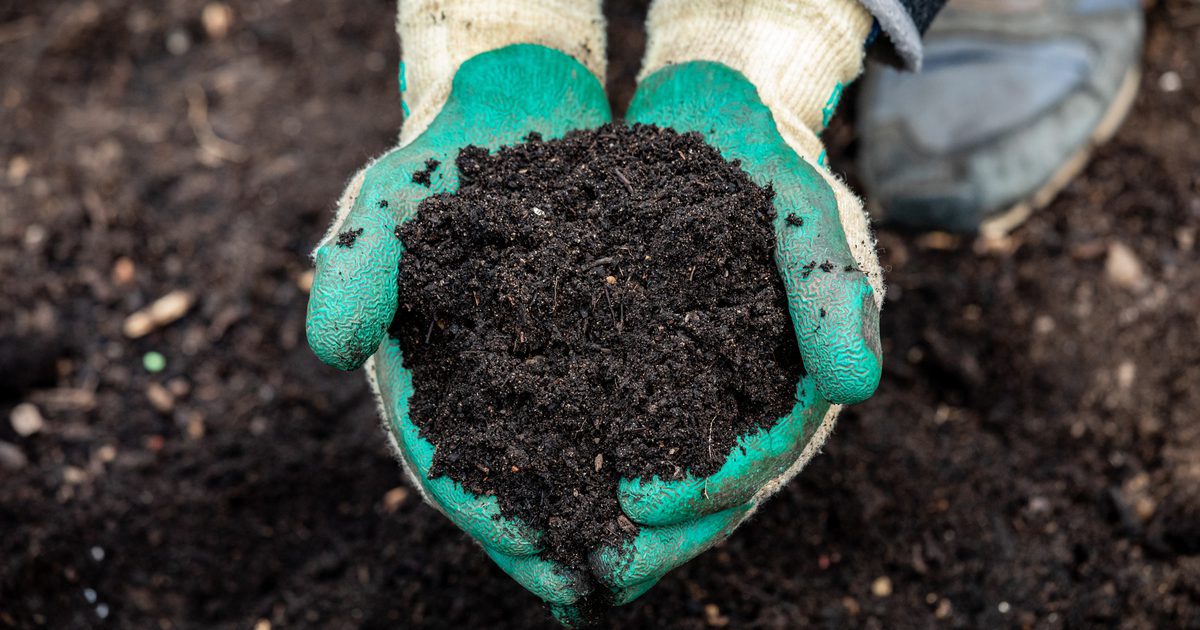
Soil Sustainability Strategies
Effective soil sustainability strategies involve implementing practices such as crop rotation and cover cropping to maintain soil health. These methods aid in preserving the soil’s structure, fertility, and overall productivity.
Additionally, soil conservation techniques play a crucial role in ensuring the long-term sustainability of soil resources. Techniques like no-till farming and contour plowing help reduce erosion, while practices such as adding organic matter through composting can enhance soil fertility. Monitoring nutrient levels through soil testing allows for precise fertilization, minimizing excess use of fertilizers that could harm the environment.
Moreover, implementing agroforestry systems can further support soil sustainability by combining trees with crops to improve soil productivity and biodiversity. By integrating these strategies into agricultural practices, you can contribute to the preservation and enhancement of soil quality for future generations.
Impact of Agriculture on Soil
Intensive agricultural practices have a significant impact on soil quality and health. Activities such as over-tilling and monoculture contribute to soil degradation by disrupting its structure and reducing organic matter content. This degradation leads to the loss of fertile topsoil through erosion caused by factors like water and wind.
Additionally, the excessive application of chemical fertilizers and pesticides in agriculture can harm soil health by altering its microbial balance and nutrient composition.
To mitigate these negative effects, sustainable agriculture practices such as crop rotation and cover cropping play a crucial role in maintaining soil fertility and structure. These methods help replenish nutrients, reduce erosion, and promote biodiversity within the soil ecosystem.
Conversely, activities like soil compaction from heavy machinery used in agriculture can compact soil particles, limiting water infiltration and root growth, ultimately reducing soil quality over time.
Therefore, it’s essential for farmers to adopt practices that prioritize soil health to ensure the long-term sustainability of agricultural production.
Future of Soil Resources
The future of soil resources hinges on implementing sustainable management practices to combat degradation and ensure long-term fertility. Soil, though nonrenewable, can be managed sustainably to preserve its essential properties.
To secure the future of soil resources, key strategies must be employed:
- Preventing Soil Erosion: Implementing measures such as contour plowing and terracing can help prevent soil erosion, preserving soil structure.
- Balancing Nutrient Levels: Regular soil testing and targeted application of fertilizers can help maintain optimal nutrient levels for plant growth.
- Promoting Soil Health: Incorporating organic matter like compost and cover crops can enhance soil fertility and microbial activity.
- Minimizing Soil Compaction: Avoiding heavy machinery on wet soils and practicing crop rotation can reduce soil compaction, enhancing water and nutrient infiltration.
- Conserving Soil Biodiversity: Encouraging diverse plant species and minimizing pesticide use can help support a healthy soil ecosystem.
Benefits of Reusing Soil
When you reuse soil, you contribute to the preservation of natural resources by reducing the need for new soil extraction.
This practice not only benefits the environment but also helps maintain soil fertility and structure, which is crucial for optimal plant growth.
Additionally, reusing soil is a cost-effective soil management strategy that minimizes waste generation and disposal costs while promoting sustainability in various applications.
Environmental Benefits of Reusing Soil
Reusing soil offers significant environmental benefits by reducing the need for new land development and promoting sustainability through minimized waste disposal. This practice not only conserves natural habitats but also contributes to a more environmentally friendly approach to soil management.
Recycled soil plays a crucial role in enhancing soil structure, fertility, and water retention, which are vital aspects for sustainable agriculture and land use. By reusing soil, the demand for virgin soil extraction decreases, leading to the preservation of essential resources.
Additionally, incorporating recycled soil in landscaping and construction projects can result in cost savings and a reduced carbon footprint. Overall, the environmental benefits of reusing soil are multifaceted and play a significant role in promoting a more sustainable and eco-conscious approach to soil utilization.
- Reduces the need for new land development, preserving natural habitats.
- Minimizes waste disposal and landfill usage, promoting environmental sustainability.
- Improves soil structure, fertility, and water retention for future use.
- Decreases the demand for virgin soil extraction, conserving valuable resources.
- Lowers costs and carbon footprint in landscaping and construction projects.
Soil Nutrient Retention
To understand the benefits of soil nutrient retention through reuse, consider how essential nutrients like nitrogen, phosphorus, and potassium play a crucial role in supporting plant growth and crop productivity.
Reusing soil helps maintain these essential nutrients, reducing the need for additional fertilizers. This practice promotes sustainable farming by minimizing the environmental impact of excessive chemical inputs. Nutrient retention in reused soil not only sustains plant health but also enhances soil fertility over time.
Organic matter present in reused soil improves soil structure, aids in water retention, and fosters microbial activity crucial for nutrient cycling. Sustainable farming practices emphasize the importance of managing soil nutrients efficiently, and reusing soil is a practical approach to achieve this goal.
Cost-Effective Soil Management
Using proper soil management techniques can lead to cost savings and environmental benefits through the reuse of soil. When considering the cost-effective aspect of soil management, reusing soil presents a sustainable solution that not only reduces expenses but also has positive environmental implications.
Here are some key benefits of reusing soil:
- Reusing soil is cost-effective as it reduces the need for purchasing new soil.
- Reusing soil helps maintain soil fertility and structure, benefiting plant growth.
- Properly managed reused soil can reduce waste and environmental impact.
- Soil reuse minimizes the need for disposal and transportation of excess soil.
- By reusing soil, landowners can save money on landscaping and construction projects.
Promoting Soil Conservation
Implementing effective soil conservation practices is crucial for preserving the long-term health and usability of this essential resource. Soil, although not renewable once excavated, can be managed sustainably through various conservation methods.
Techniques like contour plowing and terracing play a vital role in reducing soil erosion, thus maintaining soil quality for future agricultural purposes. By incorporating organic matter and essential nutrients, soil fertility can be restored, promoting sustainable agriculture practices and enhancing crop yields.
Moreover, a profound understanding of nutrient availability within the soil is imperative for successful soil management and conservation efforts. Sustainable soil management practices are fundamental for ensuring the long-term health of soil and securing its continuous usability.
Conclusion
In conclusion, while soil is technically considered a non-renewable resource due to the slow pace of natural soil formation processes, it can be effectively reused and managed through sustainable practices.
The challenges of soil erosion and maintaining soil fertility highlight the importance of promoting soil conservation efforts.
By implementing sustainable soil management practices and recognizing the value of reusing soil, we can work towards ensuring the future availability and quality of this vital resource.