
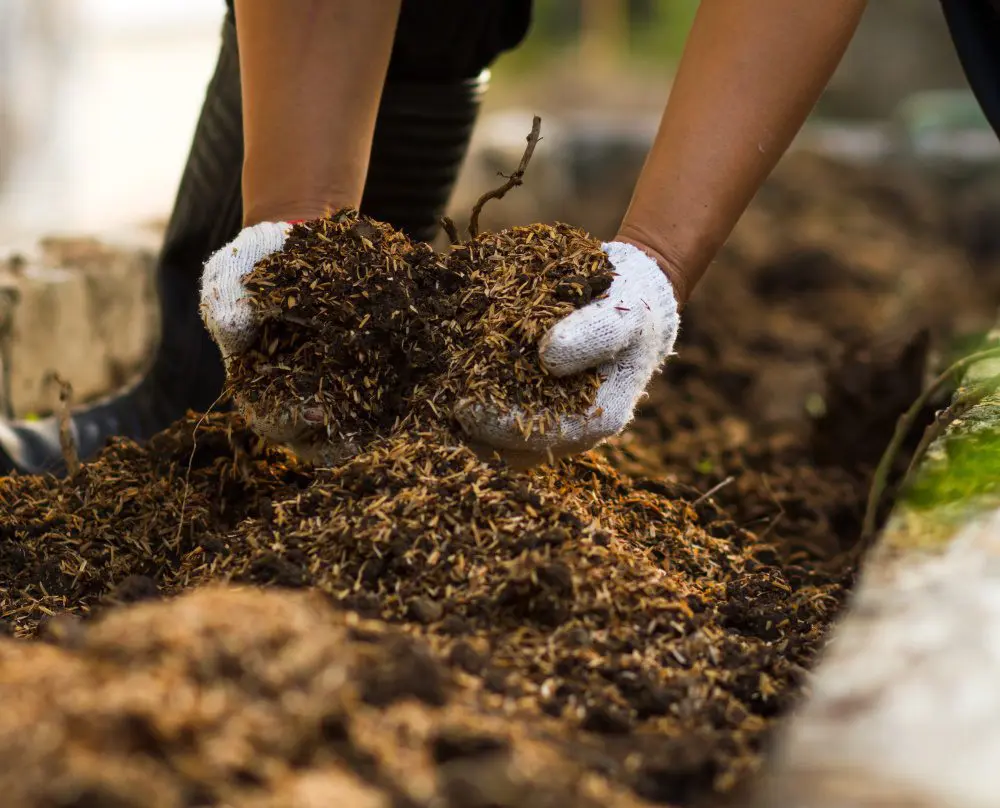
When enhancing your compost with soil, opt for loamy soil for proper drainage, moisture retention, and aeration. Use 10-20% of the total volume to maintain efficient decomposition without reducing aeration. Clay soil aids in moisture retention, while sandy soil enhances airflow. Be cautious of contaminated soil to prevent problems. Adding soil boosts microbial diversity, nutrient cycling, and overall ecosystem health. For a balanced soil-compost ratio, aim for 1:3 and monitor moisture levels for optimal compost quality. Expanding your knowledge on soil types, quantities, and potential issues will enhance your composting process.
Importance of Adding Soil to Compost
Adding soil to a compost pile is crucial for enhancing microbial diversity, improving decomposition efficiency, and kickstarting the composting process.
The addition of soil introduces a myriad of beneficial microorganisms such as bacteria and fungi, which are essential for breaking down organic matter effectively. These microbes play a vital role in balancing the carbon-nitrogen ratio within the compost, facilitating optimal decomposition.
Moreover, the soil aids in creating a well-structured environment within the compost pile, promoting moisture retention and proper aeration. This, in turn, fosters a more conducive habitat for microbial activity, leading to quicker decomposition of the organic materials.
Benefits of Soil Diversity
Soil diversity in compost introduces a wide array of beneficial microorganisms that play essential roles in the decomposition process. When various soil types are incorporated into compost, they bring in a diverse range of nutrients and textures, enhancing the overall health and fertility of the mixture.
The presence of different soils creates a balanced ecosystem within the compost, promoting a more efficient decomposition process. This diversity not only aids in breaking down organic matter but also increases the availability of essential nutrients for plants when the compost is used as a soil amendment.
Choosing the Right Soil Type
When selecting soil for composting, it’s crucial to choose the right type that aligns with the specific needs of your composting process. Opt for loamy soil, which combines sand, silt, and clay in balanced proportions. This type of soil provides an ideal environment for composting by offering good drainage, moisture retention, and aeration.
Sandy soil is beneficial for composting as it enhances airflow within the pile, facilitating decomposition. On the other hand, clay soil helps in retaining moisture, which is essential for the breakdown of organic matter in the compost pile.
It’s important to avoid using soil that’s contaminated with pesticides or chemicals, as this can negatively impact the composting process and result in harmful substances in the final compost. Choose healthy, nutrient-rich soil to introduce beneficial microbes that will aid in the efficient decomposition of organic materials in your compost.
Quantity Considerations for Soil
To ensure effective composting, carefully consider the quantity of soil to incorporate into your compost pile. It is recommended to add soil in moderation, typically around 10-20% of the total compost volume, to provide a balance that promotes optimal decomposition without impeding aeration. Adding too much soil can hinder the composting process by reducing oxygen levels and slowing down microbial activity. A good practice is to layer a thin amount of soil between each stratum of compost materials to encourage the introduction of beneficial soil organisms gradually.
| Soil Quantity | Impact on Composting Process |
|---|---|
| 10-20% of total volume | Facilitates efficient decomposition |
| Excessive amount | Reduces aeration, slows decomposition |
| Thin layer between layers | Introduces beneficial microbes gradually |
Balancing the quantity of soil added is essential in maintaining proper moisture levels and fostering a conducive environment for the breakdown of organic matter over the years.
Impact on Soil Ecosystem
Integrating soil into compost not only enriches the microbial diversity within the pile but also plays a vital role in enhancing the overall soil ecosystem. The introduction of soil into compost brings about significant benefits that positively impact the soil ecosystem.
Here are key ways in which soil integration influences the soil ecosystem:
- Enhanced Microbial Diversity: Soil contains a plethora of beneficial microorganisms that contribute to the breakdown of organic matter in compost, promoting a healthy and diverse microbial community.
- Nutrient Cycling Support: The presence of soil aids in the decomposition process by providing essential nutrients and facilitating the cycling of nutrients within the composting environment.
- Improved Organic Matter Breakdown: Soil accelerates the decomposition of organic materials in the compost pile, leading to the efficient breakdown of waste materials.
- Overall Ecosystem Health: Soil integration fosters a balanced and thriving ecosystem within the compost, promoting soil fertility and overall ecosystem health.
Avoiding Improper Decomposition
Improper decomposition in compost can stem from various factors such as excessive moisture, inadequate aeration, imbalanced carbon-to-nitrogen ratio, irregular turning or mixing, introduction of large quantities of fresh grass clippings, or contamination with pesticides or herbicides.
To avoid improper decomposition when adding compost, ensure the moisture content is optimal; the compost should be damp but not soggy. Adequate aeration is crucial for the microbial activity responsible for decomposition. Maintain a proper carbon-to-nitrogen ratio, roughly 30 parts carbon to 1 part nitrogen, to support efficient breakdown. Regularly turn or mix the compost to prevent anaerobic conditions and aid decomposition uniformly.
Avoid adding excessive fresh grass clippings, which could lead to a smelly, slimy pile due to their high nitrogen content. Lastly, prevent contamination by ensuring that no pesticides or herbicides enter the compost pile, as these chemicals can disrupt the decomposition process.
Ensuring Effective Soil Conditioning
Adding soil to compost enhances nutrient content and structure, facilitating effective soil conditioning for improved plant growth and soil health.
To ensure optimal soil conditioning in your compost bin, consider the following:
- Balanced Ratio: Maintaining the right soil-to-compost ratio is essential for enhancing soil health and supporting plant growth. Aim for a balanced mix to provide adequate nutrients and structure.
- Moisture Retention: Properly conditioned soil helps in retaining moisture, creating a favorable environment for plant roots. This aids in preventing water runoff and promoting consistent hydration.
- Improved Aeration: The addition of soil to compost aids in improving aeration within the compost bin. Enhanced airflow supports microbial activity, crucial for the breakdown of organic matter.
- Nutrient-Rich Result: Adding the correct quantity of soil ensures optimal decomposition, leading to a nutrient-rich finished compost product. This nutrient-dense compost can then be used to enrich garden soil and promote plant health.
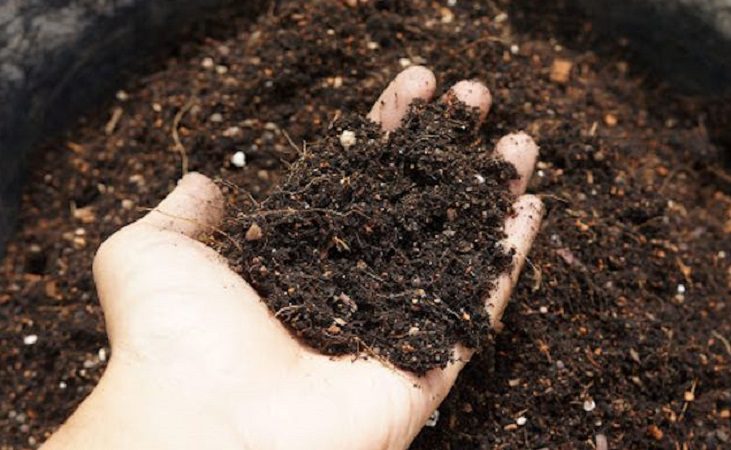
Managing Bed Volume Concerns
When managing bed volume concerns, it’s crucial to consider factors such as:
- Bed volume adjustment
- Soil distribution techniques
- Minimizing soil displacement
Understanding how different soil amendments impact bed volume can help you make informed decisions on whether to remove clay soil or add compost.
Balancing these considerations is essential for achieving optimal soil quality while maintaining bed size within desired parameters.
Bed Volume Adjustment
To manage concerns related to bed volume adjustment when working with compost, careful consideration of the soil’s composition and the desired outcome is essential. When dealing with bed volume adjustment, here are some key points to keep in mind:
- Evaluate Current Bed Volume:
Begin by assessing the existing volume of the bed. Determine whether an increase or decrease in volume is necessary based on the specific requirements of the plants being grown.
2. Clay Removal vs. Compost Addition:
Consider whether it’s more beneficial to remove excess clay from the bed or to add compost to adjust the volume. This decision should be based on the soil composition and the desired nutrient levels.
3. Optimal Compost Ratio:
Determine the ideal ratio of compost to add to the bed to achieve the desired volume adjustment without over-amending the soil. This ratio can vary based on the soil type and plant requirements.
4. Balance Soil Improvement with Bed Size:
Strike a balance between improving the soil quality and adjusting the bed volume. Ensure that the volume adjustment doesn’t compromise the overall health and fertility of the soil.
Soil Distribution Techniques
Evaluate the distribution of soil in your beds carefully to effectively manage concerns related to bed volume adjustment when incorporating compost. Before adding compost, conduct soil testing to determine the current composition of your soil. This analysis will help you understand the existing nutrient levels, texture, and structure, allowing you to make informed decisions on the amount and type of compost needed.
When distributing soil, ensure an even spread to avoid sudden increases in bed volume. Mixing compost with the existing soil gradually can aid in managing bed volume effectively, preventing any drastic changes in height. Layering compost slowly over the soil surface also helps maintain a balanced bed volume.
Consider the balance between removing excess clay and adding compost to maintain the desired bed volume. Properly incorporating compost into the soil through these techniques guarantees optimal bed preparation without causing unnecessary volume increase.
Minimizing Soil Displacement
Minimize soil displacement by strategically calculating the addition of compost to maintain consistent bed dimensions while improving soil quality.
When managing bed volume concerns, it’s essential to minimize the displacement of soil to ensure the integrity of the existing structure.
Here are four key considerations to help you minimize soil displacement effectively:
- Calculate Volume Increase: Determine the volume of compost to be added accurately to prevent excessive soil displacement.
- Monitor Bed Dimensions: Regularly measure the bed dimensions to assess any changes resulting from the addition of compost and adjust accordingly.
- Layering Technique: Utilize a layering technique when adding compost to distribute it evenly and reduce soil displacement.
- Compact Carefully: After adding compost, compact the soil gently to minimize air gaps and stabilize the structure without causing significant displacement.
Balancing Soil and Compost Ratio
Achieving the optimal 1:3 ratio of soil to organic matter is crucial for maintaining proper moisture levels in your compost pile. Balancing the soil and compost ratios correctly ensures that your composting process progresses efficiently. Adding too much soil can hinder microbial activity, potentially slowing down decomposition. Conversely, insufficient soil may also impede the breakdown of organic materials. Striking the right balance is key to providing the necessary nutrients for your plants and promoting the quality of your compost.
| Soil Amount | Compost Amount | Implications |
|---|---|---|
| 25% | 75% | Optimal moisture retention |
| 30% | 70% | Enhanced microbial activity |
| 20% | 80% | Faster decomposition rate |
| 35% | 65% | Nutrient-rich compost quality |
Techniques for Amending Soil
Amending soil for optimal composting outcomes involves incorporating various techniques to enhance microbial activity and nutrient availability. To achieve the best results, consider the following techniques:
- Mixing Soil Into Compost: By blending soil with organic matter, you create a balanced environment rich in soil organic matter that supports microbial growth and nutrient cycling.
- Layering Soil in Compost Bins: Alternating layers of soil and organic material in compost bins promotes efficient decomposition by providing microorganisms with a diverse habitat to thrive in.
- Adding Soil Between Compost Layers: Introducing soil between compost layers enhances aeration and moisture retention, creating favorable conditions for microbial populations to break down organic matter effectively.
- Sprinkling Soil in Compost: Sprinkling soil throughout the compost pile accelerates the decomposition process, speeds up maturation, and ensures that the compost maintains an adequate balance of soil organic matter for optimal nutrient availability.
Fertility Enhancement With Compost
Enhancing soil fertility through the application of compost involves enriching the soil with essential nutrients and organic matter to support optimal plant growth and microbial activity. Composted manure is a valuable component of compost that contributes to enhancing soil fertility. Compost provides vital nutrients such as nitrogen, phosphorus, and potassium, essential for plant growth. It also improves soil structure, promotes beneficial microbial activity, and increases organic matter content. This aids in water retention and nutrient availability for plants. Moreover, compost helps balance pH levels, reduce soil compaction, and support root development, all crucial for healthy plant growth. Regularly incorporating compost into the soil can lead to a more productive and sustainable environment for plants and beneficial soil organisms.
| Benefits of Composted Manure | |
|---|---|
| Nutrient-Rich | Essential nutrients for plant growth |
| Organic Matter Source | Improves soil structure and water retention |
| Microbial Activity | Promotes beneficial microbes for healthy soil |
Healthy Environment for Plant Growth
Creating a healthy environment for plant growth involves incorporating soil into compost to enrich the microbial diversity and nutrient availability essential for robust plant development. When soil is added to compost, it creates an environment that’s conducive to plant growth by providing essential elements and fostering beneficial microbial activity.
Here are four key aspects highlighting the significance of a healthy environment for plant growth:
- Microbial Richness:
Soil in compost introduces a diverse community of beneficial microbes that contribute to soil health and nutrient cycling, promoting plant vitality.
2. Nutrient Enhancement:
The inclusion of soil enhances the availability of nutrients in the compost, ensuring that plants have access to the essential elements required for their growth and development.
3. Root Support:
Soil addition supports root development by providing a stable medium for root growth, leading to healthier plants with improved nutrient uptake capabilities.
4. Overall Vigor:
A balanced soil mix within compost fosters overall plant vigor, contributing to better water retention, disease resistance, and productivity, creating an optimal healthy environment for plant growth.
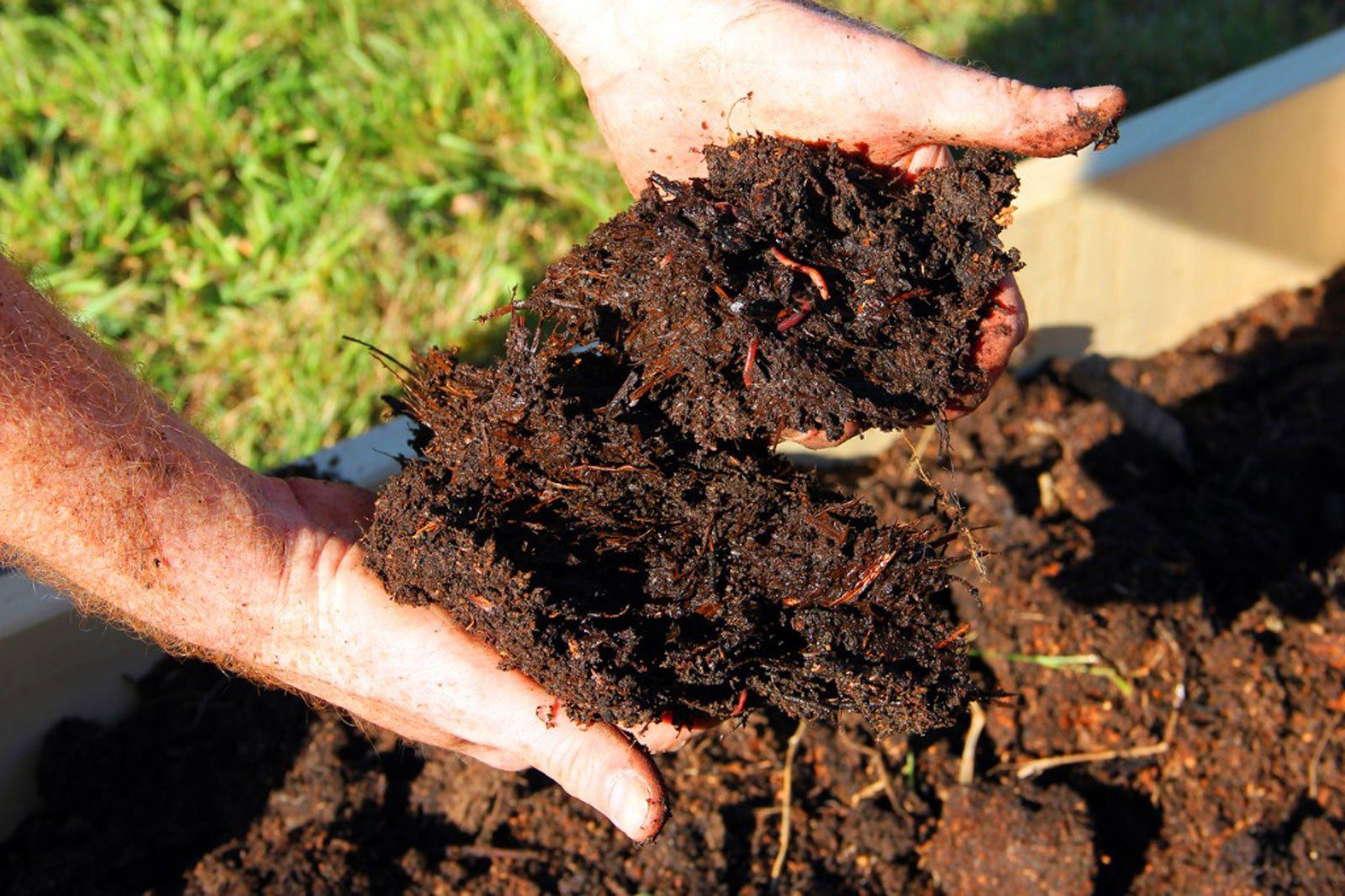
Challenges With Soil and Compost Mix
Mixing soil with compost presents several challenges that can impact the quality and effectiveness of the final compost product. When incorporating clay soil into the compost mix, one major issue that arises is compaction. Clay soil has a tendency to compact easily, leading to reduced aeration within the compost pile. This compaction restricts the movement of air and water, hindering microbial activity crucial for decomposition.
Moreover, using clay soil in incorrect ratios can result in slow decomposition. Clay soil has a dense structure that slows down the breakdown of organic matter, potentially prolonging the composting process. Additionally, the high clay content can cause imbalances in nutrient levels within the compost, affecting the overall quality of the final product.
Furthermore, contaminated clay soil poses a significant challenge when mixed with compost. Contaminants in the soil, such as pesticides or heavy metals, can transfer to the compost, impacting its suitability for use in gardening or farming.
It’s essential to carefully assess the quality and composition of clay soil before incorporating it into the compost mix to avoid these potential issues.
Solutions for Common Problems
If you’re facing challenges like slow decomposition or a smelly compost pile, solutions are within reach. Adding nitrogen-rich materials can boost decomposition rates, while mixing in dry materials can improve aeration and moisture levels.
Remember to turn your compost regularly to prevent compaction and introduce oxygen for a healthier pile.
Soil Compatibility Tips
Ensure the soil you incorporate into your compost is free from pesticides, herbicides, or contaminants that could disrupt the composting process.
When considering soil compatibility, follow these tips:
- Balanced pH Level: Choose soil with a balanced pH to maintain a suitable environment for decomposition and microbial activity.
- Avoid Excessive Clay: Steer clear of soil with high clay content to prevent compaction, poor aeration, and drainage issues in the compost pile.
- Rich in Organic Matter: Opt for soil rich in organic matter and beneficial microbes to enhance the breakdown of organic materials during composting.
- Monitor Moisture Levels: Regularly check the moisture levels in the compost pile when incorporating soil to prevent over-saturation or dryness, which can negatively impact microbial activity and slow down the composting process.
Following these soil compatibility tips will help ensure a healthy composting environment and promote efficient decomposition of organic matter.
Troubleshooting Soil Integration
To troubleshoot common problems related to soil integration in composting, monitor moisture levels and adjust layering to promote proper aeration and prevent compaction. When encountering issues with soil integration in your compost pile, it is essential to address them promptly to ensure the success of the composting process. Here are some common problems and solutions:
| Common Problem | Solution |
|---|---|
| Soil becoming too dry | Water the compost pile gradually, ensuring moisture is evenly distributed. |
| Waterlogged compost due to excessive soil moisture | Add dry, brown materials like leaves or shredded paper to absorb excess moisture. |
| Soil compaction causing poor aeration | Turn the compost pile regularly and layer soil in a thin layer to promote airflow. |
| Uneven distribution of soil in the compost pile | Mix the compost thoroughly during turning to ensure even distribution of soil. |
| Foul odors and slow decomposition | Increase the amount of soil added to the compost to balance the mix. |
Preventing Soil Issues
Prevent common soil issues in composting by monitoring moisture levels and regularly aerating the compost pile. Maintaining the right balance of moisture and oxygen is crucial to avoid problems such as compaction, anaerobic conditions, odors, and nutrient imbalances.
Here are four key strategies to prevent soil issues when adding soil to compost:
- Monitor Moisture Levels: Regularly check the moisture content of the compost pile to ensure it’s neither too wet nor too dry, as extreme conditions can lead to soil compaction.
- Turn the Compost Pile: Aerating the compost by turning it regularly helps prevent anaerobic conditions that can cause soil odors and nutrient imbalances.
- Avoid Diseased Plant Material: Refrain from adding any diseased plant material to the compost to prevent the spread of pathogens in the soil.
- Use Balanced Mix of Green and Brown Materials: Maintain a healthy soil pH level by incorporating a balanced mix of green and brown materials in the compost.
Optimizing Soil Quality
Enhancing soil quality in compost can be achieved by strategically incorporating a balanced mix of green and brown materials. The addition of soil plays a crucial role in optimizing compost quality. By introducing the right blend of green materials, such as grass clippings and kitchen scraps, and brown materials like dry leaves and straw, you create a balanced environment for microbial activity and decomposition. This balanced mix aids in breaking down organic matter effectively, enriching the compost with essential nutrients, and fostering a healthy microbial population essential for the composting process.
Moreover, the proper quantity and type of soil in compost are vital for maintaining optimal conditions. The right soil type ensures adequate aeration, moisture retention, and microbial activity within the compost pile. It helps prevent issues like soil compaction, poor aeration, and excessive moisture, which can hinder the composting process.
Conclusion
In conclusion, adding soil to compost is crucial for creating a diverse and healthy environment for plant growth. By choosing the right soil type and quantity, you can optimize the quality of your compost and ensure a thriving soil ecosystem.
While challenges may arise, solutions can be implemented to address common problems and maintain a successful composting process.
Overall, incorporating soil into your composting routine is essential for promoting sustainable and fruitful gardening practices.