
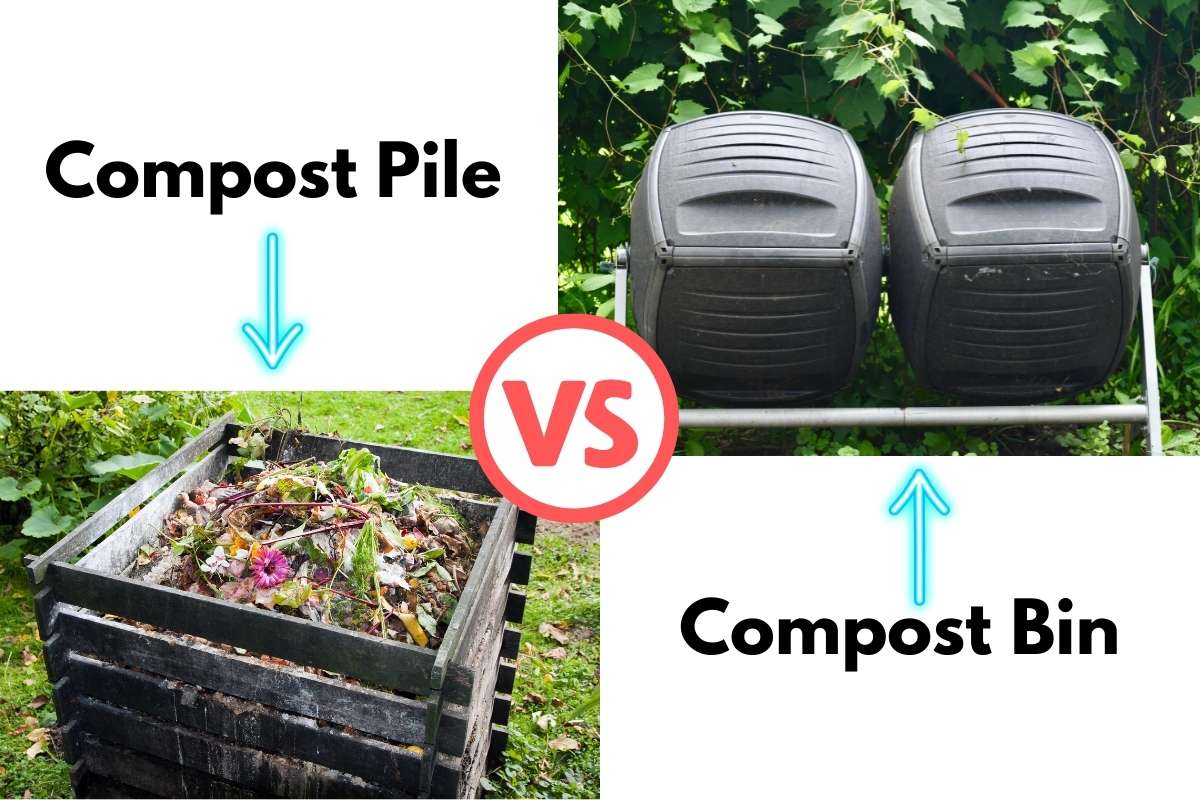
When deciding between a compost pile and a compost bin, consider the space requirements. Piles need more room, while bins are compact and fit well in urban areas. Maintenance-wise, bins excel in odor control and need less upkeep than piles. Aesthetic bins like Silky Road or Bamboozle enhance your space. Cost-wise, piles are cheaper initially, but bins offer better odor and pest control. Environmental impact? Bins speed up decomposition, while piles take longer and emit more gases. Understanding these aspects will help you make a smart choice for your composting needs.
Space Considerations
Compost piles require a significant amount of space, typically at least 3 feet by 3 feet, compared to the compact design of compost bins, making bins more suitable for urban or small living areas. In urban settings or places with space constraints, the limited area available for composting can pose a challenge. Compost bins offer a practical solution by efficiently utilizing space while maintaining a controlled environment for decomposition. The compact nature of bins allows them to fit seamlessly into small living areas, ensuring that composting can be incorporated into various settings without sacrificing visual appeal. On the contrary, compost piles can be less visually appealing and may occupy a larger footprint in your yard, which might not be ideal for those with limited space. Therefore, when considering space constraints, compost bins emerge as the optimal choice, providing a contained and space-efficient option for composting needs.
Maintenance Requirements
Considering the maintenance requirements of both compost piles and compost bins, it becomes evident that the level of attention and care needed for each option significantly influences the overall composting process. Compost piles necessitate periodic turning and the monitoring of moisture levels to support proper decomposition. On the other hand, compost bins excel in odor control and demand less maintenance than open piles. By regularly turning and aerating the compost in a bin, you can accelerate the decomposition process, leading to quicker production of usable compost. Additionally, compost bins equipped with adequate ventilation help deter pests and rodents, safeguarding the compost from unwanted intruders. Well-maintained compost bins can yield finished compost faster than open piles due to the controlled conditions they provide. Therefore, when considering which composting method to adopt, the maintenance requirements play a crucial role in determining the efficiency and success of your composting endeavor.
Aesthetic Appeal
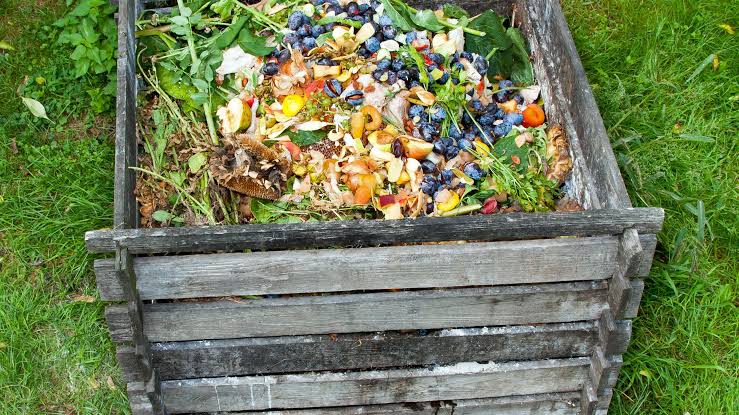
In the realm of composting, the visual aspect of your composting setup can significantly impact the overall ambiance of your space. While compost piles serve their purpose, compost bins offer a more visually appealing choice, especially for indoor or visible areas. Aesthetic compost bins, such as the Silky Road Composting Bin or the Bamboozle Composter, provide a decorative indoor solution that blends style with functionality. Opting for a visually appealing compost bin can enhance the look of your composting area, seamlessly integrating with your home decor.
These bins, like the Bokashi Bin or The Essential Living Composter, not only add a touch of elegance to your space but also support your composting efforts effectively. By choosing an aesthetic compost bin, you can create a composting setup that not only efficiently processes organic waste but also adds to the overall aesthetic appeal of your home.
Cost-Effectiveness Comparison
From a financial perspective, the comparison between compost piles and compost bins reveals interesting insights into their cost-effectiveness. Compost piles are generally more cost-effective as they require minimal investment in equipment or containers. On the other hand, compost bins may involve initial costs for purchasing a suitable container but provide better control over odors and pests. The cost of maintaining a compost pile is primarily related to occasional turning and monitoring, while bins may require occasional maintenance or replacement parts, adding to the overall cost. The long-term cost of materials needed for composting, such as carbon-rich and nitrogen-rich ingredients, may vary between a pile and a bin, impacting the overall cost-effectiveness. Ultimately, both compost piles and bins offer cost-effective solutions for reducing waste and creating nutrient-rich soil, with piles being more budget-friendly upfront, and bins potentially offering better control over maintenance costs in the long run.
Environmental Impact
The environmental impact of composting in a bin compared to a pile presents notable differences in terms of decomposition efficiency and greenhouse gas emissions. Composting in a bin accelerates the decomposition process, turning organic waste like food scraps into nutrient-rich soil in a matter of months, whereas composting in a pile can take up to a year to fully decompose. This quicker breakdown in compost bins helps reduce waste and improve soil quality efficiently. Additionally, compost bins help prevent greenhouse gas emissions that often occur in open pile composting, contributing to a more environmentally friendly process. By containing organic matter within a controlled environment, compost bins optimize conditions for decomposition and nutrient retention, further reducing the environmental impact associated with traditional compost piles. Furthermore, using a compost bin decreases the likelihood of attracting pests like rodents that may be drawn to food waste in open piles, promoting a cleaner and more sustainable composting method.