
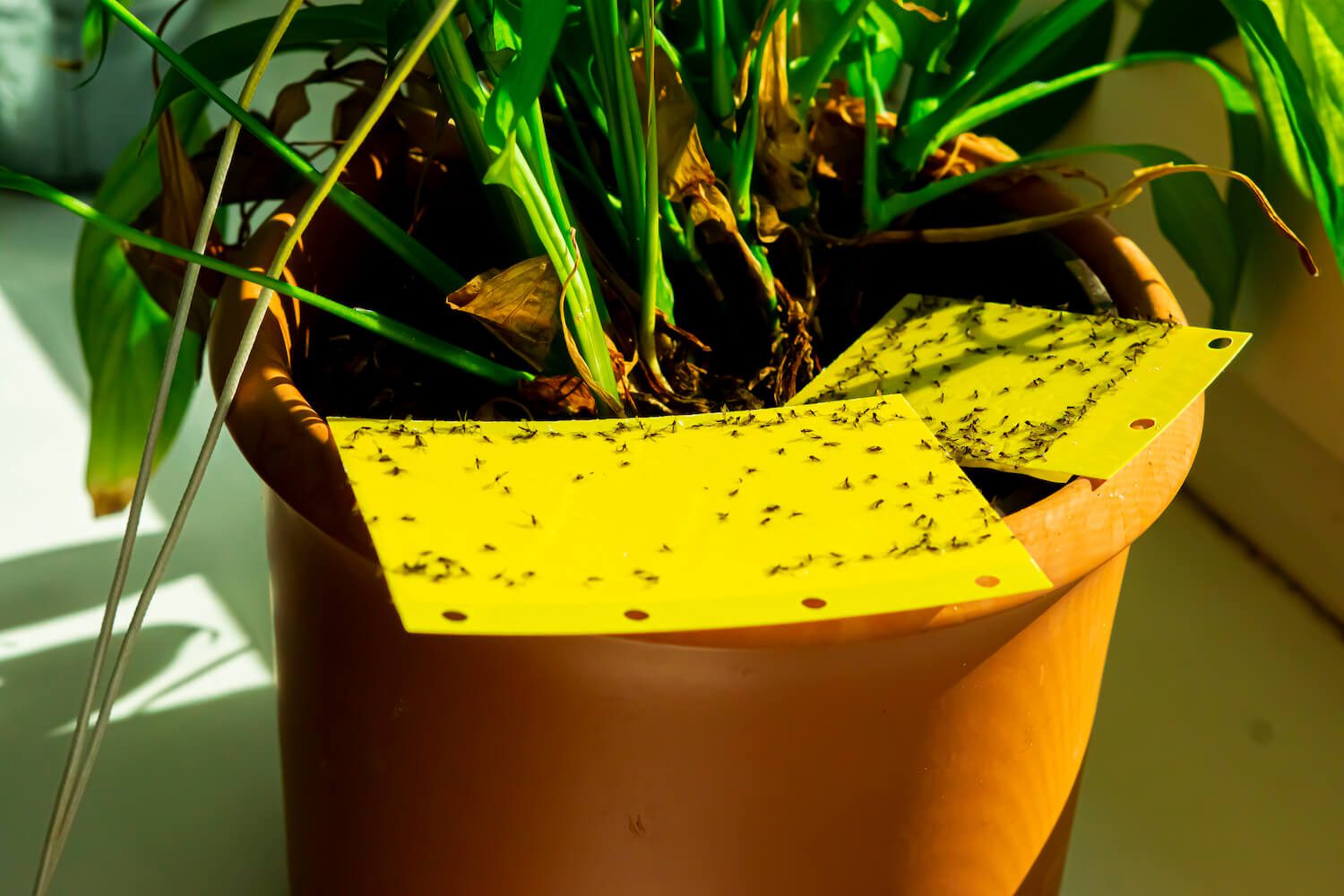
When dealing with stubborn gnat issues, try yellow sticky traps for effective control and tracking. These traps are non-toxic, simple to use, and attract pesky pests with their bright yellow color. Proper placement is key; they work best near plant bases without touching soil. Monitor regularly and switch out traps when filled with gnats to maintain efficacy. Enhance results by positioning traps strategically and combining with other control methods like soil treatments or beneficial predators. Prevent future infestations by addressing root causes and using traps preventively. Take advantage of these tips to tackle gnat problems efficiently.
Understanding Fungus Gnats
Understanding the behavior and lifecycle of fungus gnats is essential for effectively managing and preventing infestations in indoor plants. Fungus gnats are attracted to moist soil where they lay their eggs. The larvae then feed on fungi and organic matter, potentially harming plant roots. To combat these pests, utilizing sticky traps can be a highly effective method. These traps are coated with a substance that attracts adult gnats, causing them to become stuck and unable to fly freely. By placing these traps near infested plants, you can significantly reduce the adult population, thus interrupting the gnat’s life cycle. Moreover, killing adult gnats is crucial in preventing further egg-laying and larval development in the soil. Understanding how these pests operate and utilizing sticky traps strategically can aid in eradicating fungus gnats and protecting your indoor plants from damage.
Identifying Infestations
Look closely for small, dark flies hovering around your houseplants as a telltale sign of adult fungus gnat activity. These adult gnats are often the first indication of a potential infestation. Additionally, inspect the soil for small, white worm-like larvae, which are a clear indicator of a fungus gnat problem. Keep an eye out for symptoms such as yellowing leaves and stunted plant growth, as these are common signs of root damage caused by the larvae feeding on plant roots. To confirm the presence of fungus gnats and identify affected plants, you can conduct the potato test by placing slices of potato on the soil surface and checking for larvae accumulation after a day or two. It’s crucial to address fungus gnat infestations promptly to prevent further harm to your plants. By staying vigilant and observant, you can effectively identify and tackle gnat infestations before they escalate.
Benefits of Yellow Sticky Traps
Small, dark flies hovering around your houseplants can be effectively controlled using yellow sticky traps, which offer a non-toxic and easy-to-use solution for managing fungus gnat infestations. These traps are highly effective in trapping and controlling various pests like fungus gnats, fruit flies, and white flies. The bright yellow color of the traps acts as a powerful attractant, making it easier to monitor and quickly reduce the gnat population in your indoor plants.
One of the significant benefits of yellow sticky traps is their non-toxic nature, ensuring a safe environment for your children and pets while effectively dealing with pest issues. Setting up these traps is a breeze – just peel off the protective film and stick them inside the plant pot rim near the base of the plant. The sticky surface of the traps remains potent for an extended period, aiding in monitoring and managing the extent of the gnat infestation without the need for harmful chemicals.
Proper Placement Techniques
Position the yellow sticky trap inside the plant pot rim, avoiding direct placement in the soil, to effectively target adult fungus gnats in flight. Placing the trap close to the base of the plant where gnats are most active increases its efficiency in capturing these pesky insects. Ensuring that the sticky surface of the trap remains clear of trapped gnats is crucial for continuous effectiveness. The bright yellow color of the trap acts as a beacon for fungus gnats and other flying pests like whiteflies, drawing them in and helping to reduce the population. By setting up the trap correctly and monitoring it regularly, you can effectively control and diminish fungus gnat infestations in your plants.
| Proper Placement Techniques | |
|---|---|
| 1. Inside plant pot rim | Avoid direct soil placement |
| 2. Close to plant base | Target active gnat areas |
| 3. Monitor and replace | Ensure sticky surface remains clear |
| 4. Bright yellow color | Attracts gnats and aids in population reduction |
| 5. Effective control | Set up correctly and monitor consistently |
Monitoring Gnat Populations
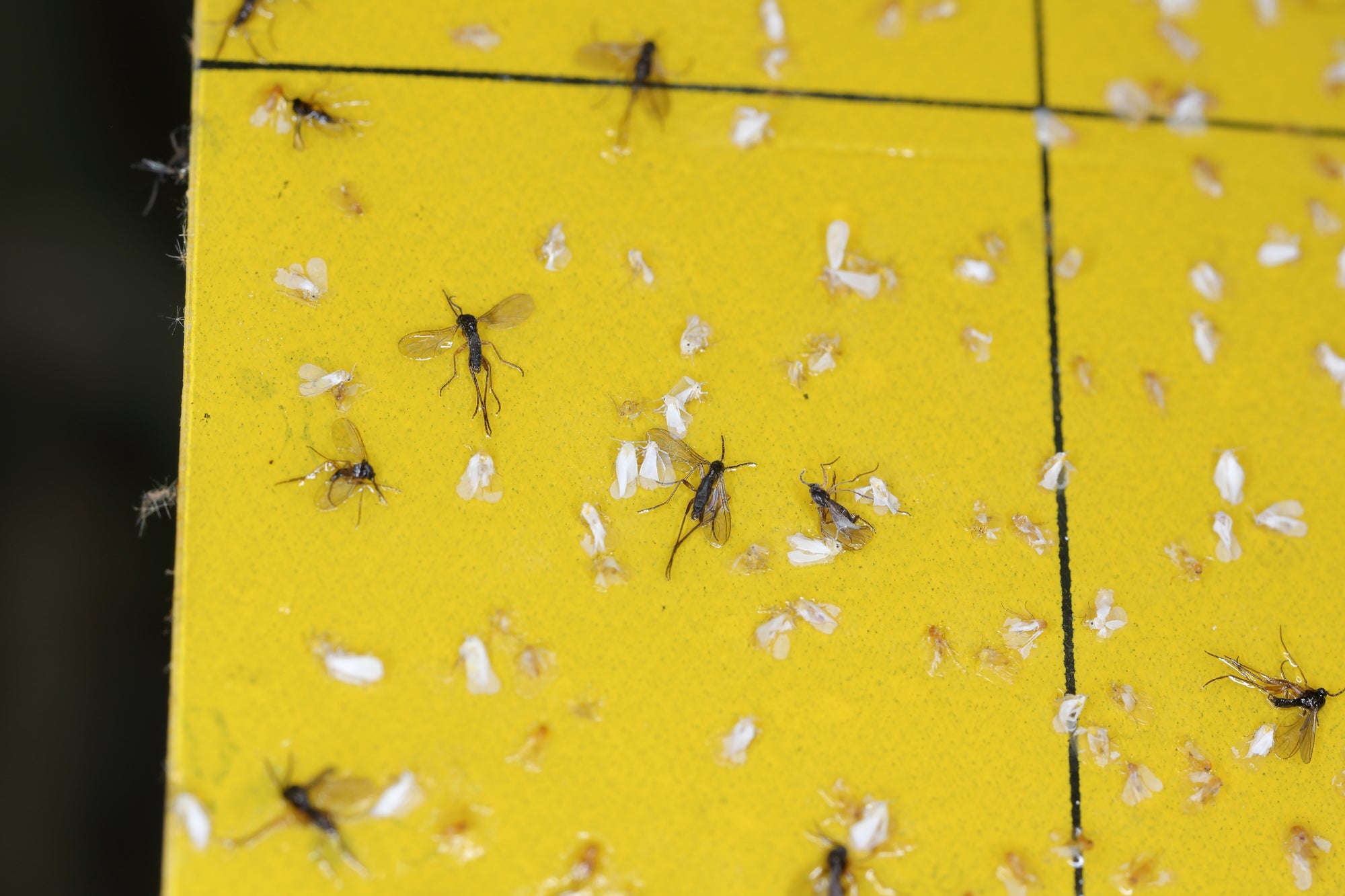
To effectively monitor gnat populations in your indoor plants, regularly inspect the yellow sticky traps to track the number of insects caught and assess the severity of the infestation. By counting and recording the gnats captured on the traps, you can gain valuable insights into the scale of the infestation. Keep a close eye on the traps to determine if the population is increasing, decreasing, or remaining stable over time. Placing the traps strategically near the bases of your plants can help target gnat hotspots and effectively reduce the population. Monitoring gnat populations with yellow sticky traps not only aids in tracking the progress of your control measures but also provides a visual representation of the effectiveness of your pest management strategies. By staying vigilant and regularly checking the traps, you can stay ahead of gnat infestations and take timely actions to protect your indoor plants.
When to Replace Traps
You should replace yellow sticky traps when they are visibly covered with gnats or other insects and are no longer sticky to the touch. Regularly checking the traps for effectiveness is crucial, as replacing them every 1-2 weeks or sooner if necessary helps in maintaining their efficiency. Keep an eye out for signs of dirt or reduced stickiness caused by dust or debris, as these indicate the need for prompt trap replacement to ensure continued control over gnat populations.
Trap Replacement Frequency
Consider replacing yellow sticky traps for gnats when they become covered with insects to maintain their effectiveness. Monitoring the traps regularly is essential to gauge gnat accumulation and determine when replacements are necessary. The frequency of trap replacements can vary depending on the level of infestation. In cases of high gnat populations, more frequent trap replacements may be required to ensure optimal control. Generally, traps may need to be replaced every 1-2 weeks to effectively manage gnat infestations.
Timely trap replacements play a crucial role in ongoing gnat control and monitoring efforts. By replacing traps promptly when they are filled with insects, you can prevent the traps from becoming saturated and losing their ability to catch more gnats. This proactive approach not only helps in controlling the current gnat population but also aids in monitoring the effectiveness of your trapping strategy. Therefore, staying vigilant and replacing sticky traps as needed is key to successfully managing gnat infestations.
Visual Signs of Replacement
Regularly inspecting yellow sticky traps for gnats is crucial to identify visual signs indicating when replacements are necessary. Visual inspection plays a key role in determining the optimal time for trap replacement. When the traps are covered with gnats or other pests, it’s a clear indication that they need to be replaced. Additionally, as the stickiness of the traps diminishes over time, it becomes essential to consider replacing them. By observing the traps closely, you can notice a decrease in effectiveness, prompting the need for replacement. To maintain the efficiency of the traps, it is recommended to replace them every 1-2 weeks or as needed, depending on the level of pest activity in your area. Keeping a keen eye on the traps and being attentive to any signs of wear and tear will help ensure that your gnat control efforts remain effective. Remember, a proactive approach to trap replacement can significantly contribute to managing gnat infestations efficiently.
Maintaining Trap Effectiveness
Monitoring the accumulation of pests on yellow sticky traps is crucial to determining the optimal timing for trap replacement. Regularly inspecting the traps for a buildup of gnats or other insects is essential to maintain the traps’ effectiveness. It is recommended to replace the sticky traps every 2-4 weeks, depending on the level of infestation. By monitoring the traps weekly, you can ensure that they are promptly replaced to prevent the gnats from escaping and reproducing. Remember, a fresh sticky trap will continue to attract and capture fungus gnats effectively.
—
| When to Replace Traps | Frequency | Signs of Replacement |
|---|---|---|
| Covered with pests | Every 2-4 weeks | Accumulation of insects |
| Decreased stickiness | As needed | Loss of trapping effectiveness |
| Full of trapped gnats | Weekly check | High gnat capture rate |
| Dust and debris buildup | Weekly inspection | Reduced attractiveness |
Enhancing Trap Effectiveness
Positioning your traps strategically near plants with visible gnat activity can significantly enhance their effectiveness. Remember to monitor your traps regularly to assess their performance and replace them promptly when covered with gnats. By following these simple steps and timing trap replacements appropriately, you can ensure maximum efficacy in controlling gnat populations in your space.
Placement for Optimal Results
To enhance the effectiveness of yellow sticky traps for controlling fungus gnats, strategically position the traps close to the base of plants where gnat activity is concentrated. By placing the traps near areas with high gnat presence, you increase the likelihood of catching these flying pests. Ensure the traps are easily visible and accessible to the gnats for better results. Here is a table to help you understand the optimal placement for yellow sticky traps:
| Placement Area | Effectiveness |
|---|---|
| Near Base of Plants | Captures gnats before they reach the plant’s root system |
| In Areas of High Activity | Increases the chances of trapping a larger number of gnats |
| Visible and Accessible | Ensures the traps are easily found by flying pests |
Strategic placement of yellow sticky traps plays a crucial role in maximizing their trapping efficiency. Remember to monitor and replace the traps regularly for continued effectiveness in controlling fungus gnats.
Monitoring Trap Performance
When assessing the performance of yellow sticky traps for gnats, observing the level of infestation and trap effectiveness through regular checks is imperative. Monitoring trap performance allows you to gauge the severity of the gnat activity and whether the traps are effectively capturing the insects. By inspecting the traps frequently, you can identify any spikes in gnat populations and take necessary actions promptly. Look for signs of trapped gnats on the sticky surface, ensuring that the traps are not overwhelmed with insects, which could reduce their trapping capacity. Positioning the traps strategically near plants or areas with high gnat activity is crucial for optimal results. Utilizing multiple traps in such locations can help cover a larger surface area and increase the chances of trapping flying adult gnats effectively. Additionally, ensure that the traps are placed indoors or in protected outdoor areas to prevent weather-related damage and maintain their stickiness for prolonged effectiveness. Regular monitoring and maintenance are key to enhancing the performance of yellow sticky traps in controlling gnat infestations.
Timing of Replacement
Replacing yellow sticky traps every 2-4 weeks is crucial for maintaining optimal effectiveness in trapping gnats. Regular replacement is essential to prevent the traps from becoming saturated with insects, which can cause them to lose their stickiness. The timing of replacement should be adjusted based on the level of gnat infestation and the coverage of the traps in your space. By monitoring the traps regularly, you can determine when it’s necessary to replace them to ensure they remain effective. Fresh traps play a significant role in the continuous control of fungus gnats and other pests that may be present in your indoor plants. Therefore, staying on top of the replacement schedule is key to maximizing the efficiency of your sticky traps and keeping gnat populations in check. Remember, timely replacement is the cornerstone of a successful gnat trapping strategy.
Combining With Other Control Methods
By combining yellow sticky traps with other control methods, you can significantly increase the effectiveness of combating gnat infestations in your indoor plants. Here are some tips on how to effectively integrate various strategies for a more comprehensive approach:
- Use Mosquito Bits: These contain a biological larvicide that targets fungus gnat larvae in the soil, complementing the sticky traps that capture adult gnats.
- Try Mozzie Tea: This organic soil treatment not only kills larvae but also enriches the soil, creating an environment less hospitable to gnats.
- Employ Soil Drenches: Applying insecticidal soil drenches can help eliminate larvae hidden deep in the soil, working in conjunction with sticky traps to break the gnat life cycle.
- Implement Biological Controls: Introducing beneficial nematodes or predatory mites can further enhance the eradication of gnat populations, integrating biological solutions into your pest management plan.
Tips for Preventing Future Infestations
To prevent future infestations of gnats in your indoor plants, it is crucial to implement proactive measures that target the root causes of gnat presence. Start by ensuring proper watering practices to prevent soil from becoming excessively moist, as this will help prevent further damage by denying gnats their preferred breeding conditions. Regularly inspect the soil and remove any decaying plant matter, as these are prime spots for gnats to lay their eggs. Additionally, introducing natural predators like beneficial nematodes can help control gnat populations by preying on larvae. Consider using a hydrogen peroxide solution in the soil to effectively kill the larvae and disrupt the gnat life cycle. Finally, using yellow sticky traps preventively can act as a monitoring tool to catch any incoming adult gnats before they have a chance to reproduce. By taking these proactive steps, you can significantly reduce the risk of future gnat infestations and keep your indoor plants healthy.