
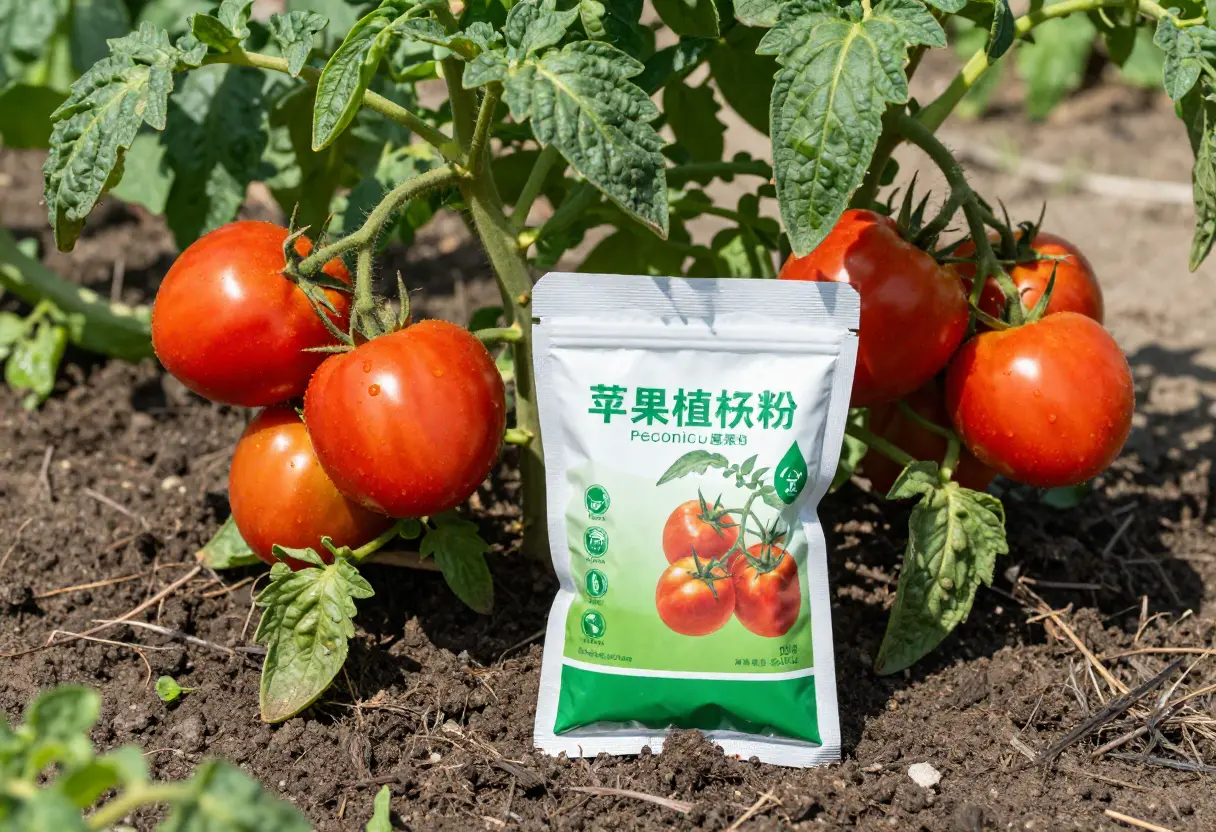
Yes, you can use tomato fertilizer on other plants for optimal growth. Understanding specific nutrient needs is crucial. Tomato feed provides a balanced mix of nutrients beneficial to various plants. The high potassium content promotes root and flower development. Ensure to follow dilution instructions carefully, especially for plants like roses and flowering vegetables. It’s essential to assess each plant’s requirements before application. By customizing the fertilization process, you’ll support healthy growth. Remember, each plant has unique needs.
Nutrient Content of Tomato Fertilizer
Tomato fertilizer’s high potassium levels are crucial for promoting flowering and fruiting in plants. Most liquid fertilizers designed for tomatoes contain a balanced mix of essential nutrients like nitrogen, phosphorus, and micronutrients, which are vital for overall plant health. These nutrients not only support tomato plants but also benefit a wide range of garden plants when used appropriately.
Liquid tomato fertilizers can be a versatile option for promoting healthy growth, vibrant blooms, and increased fruit production in various plant species beyond just tomatoes. When applied correctly, the nutrient composition of tomato fertilizers can help other plants thrive in your garden or indoor space. Remember to follow recommended dilution rates and application instructions to ensure that you are providing the right amount of nutrients for different plant varieties. By understanding the nutrient content of tomato fertilizers, you can make informed decisions on how to use them effectively on a variety of plants.
Understanding Plant Nutrient Needs
To properly care for your plants, it’s crucial to grasp their individual nutrient requirements. Each plant has specific needs, so understanding what they require will help you choose the right fertilizer. By considering factors like growth stage and existing nutrient levels, you can ensure that your plants receive the proper nourishment for healthy development.
Nutrient Requirements for Plants
Understanding plant nutrient needs is crucial for successful gardening and ensuring optimal growth and development. Plants require primary nutrients like nitrogen, phosphorus, and potassium in larger quantities to thrive. Secondary nutrients such as calcium, magnesium, and sulfur are also vital in moderate amounts for healthy plant growth. Additionally, micronutrients like iron, boron, and manganese play essential roles in supporting various plant functions, even though they are needed in smaller quantities.
To meet these nutrient requirements, it’s beneficial to maintain soil quality by incorporating diverse nutrient-rich compost into your gardening practices. This will help provide a balanced array of nutrients to support plant health and development. Particularly for heavy feeders like tomatoes, supplementing missing nutrients between growing seasons can be crucial for ensuring optimal growth and maximizing harvest yields. By understanding and fulfilling the nutrient needs of your plants, you can create a thriving garden ecosystem that fosters healthy and robust plant growth.
Choosing the Right Fertilizer
When selecting the appropriate fertilizer for your plants, it is crucial to consider their specific nutrient requirements for optimal growth and development. Tomato feed, known for its high levels of nitrogen, phosphorus, and potassium, is tailored to meet the demanding needs of tomatoes, making it a suitable choice for other heavy feeders like peppers and eggplants. However, not all plants can thrive on tomato fertilizer alone. Some plants, such as those in the ericaceous family like blueberries and azaleas, have unique nutrient preferences that may not be adequately addressed by tomato feed.
Understanding the nutrient content of the fertilizer is key to making the right choice. While tomato fertilizer can benefit flowering plants like roses due to its high potash content, it may lack essential elements for other types of plants, leading to deficiencies. Before applying tomato feed to your plants, assess their individual requirements and compare them to the nutrients provided by the fertilizer to ensure a balanced and healthy growth environment.
Balanced Fertilizer Mix for Plants
You can optimize plant growth by understanding their specific fertilizer needs and providing them with a balanced mix of nutrients. Different plants have varying nutrient requirements for optimal growth and blooming, so it’s crucial to tailor your feeding schedules accordingly. By customizing your fertilizer mix based on plant types and growth stages, you can promote vigorous growth and vibrant blooms in your garden.
Plant-Specific Fertilizer Needs
For optimal plant growth, it is crucial to provide a balanced fertilizer mix tailored to the specific nutrient requirements of each plant. Different plants, such as tomatoes, have unique needs when it comes to nutrients like nitrogen, phosphorus, and potassium. A balanced fertilizer mix ensures that these essential nutrients are present in the correct ratios to support healthy foliage, root development, and flowering. While tomato fertilizer is formulated specifically for the needs of tomato plants, using it on other plants may not meet their diverse nutrient demands. To promote thriving growth in all your plants, it is essential to research and choose the right fertilizer based on each plant’s specific requirements. By understanding the nutrient needs of individual plants, you can select the most suitable fertilizer to provide them with the necessary elements for robust health and development. Remember, a tailored approach to fertilizing different plants leads to more successful and vibrant garden growth.
Nutrient Requirements for Growth
Plants require a carefully balanced mix of primary nutrients like nitrogen, phosphorus, and potassium, along with secondary nutrients such as calcium, magnesium, and sulfur, to support their growth and overall health. These nutrient requirements are vital for plants to carry out essential functions like photosynthesis, root development, and flowering. Additionally, micronutrients like iron, boron, and manganese are crucial for supporting various metabolic processes in plants.
To ensure optimal growth, it’s important to maintain soil quality by incorporating diverse nutrient-rich compost into the soil. This helps provide a well-rounded nutrient profile that supports overall plant health. Moreover, for heavy feeders like tomatoes, supplementing missing nutrients between seasons is essential to prevent deficiencies and promote vigorous growth.
Understanding the nutrient requirements of plants and providing a balanced fertilizer mix tailored to meet those needs is key to fostering healthy and thriving plant growth. By addressing these essential nutrient requirements, you can promote strong root systems, vibrant foliage, and abundant blooms in your plants.
Customized Feeding Schedules
To create customized feeding schedules for plants, carefully adjust the NPK ratios and incorporate necessary micronutrients tailored to each plant species’ specific nutrient requirements. It’s crucial to ensure that your plants receive the right balance of nutrients at the appropriate times to support their growth and development effectively. Here are some key points to consider when creating personalized feeding schedules:
- Customize feeding schedules based on the specific nutrient requirements of different plants.
- Create a balanced fertilizer mix by adjusting the NPK ratios for various plant species.
- Consider additional micronutrients needed by different plants for optimal growth and health.
- Tailor fertilizer applications to suit the growth stages of each plant variety.
- Ensure proper dilution and application methods when using tomato fertilizer on other plant types.
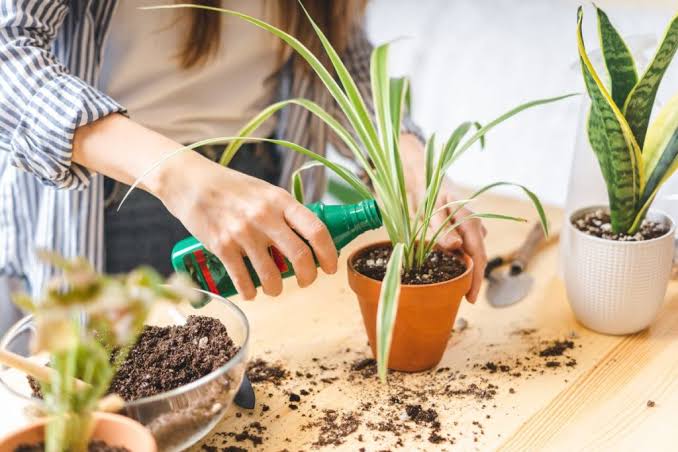
Benefits of Potassium in Fertilizer
One essential aspect of potassium in fertilizer is its role in promoting strong root growth in various plant species. Potassium aids in the development of flowers and fruits, making it a crucial element for overall plant health. Additionally, potassium-rich fertilizer can enhance disease resistance in plants, ensuring they stay healthy and vigorous. By adding potassium to the soil, you can improve water and nutrient uptake, allowing plants to thrive and reach their full potential. Plants benefit greatly from potassium for essential processes like photosynthesis, protein synthesis, and enzyme activation, all vital for their growth and development. Ensuring your plants receive an adequate supply of potassium through fertilizer can lead to stronger, healthier plants with improved resistance to stressors. Consider incorporating potassium-rich fertilizers into your plant care routine to support robust root systems, vibrant blooms, and bountiful harvests.
Choosing the Right Plant Food
Consider carefully evaluating the nutritional requirements of your specific plants before selecting the appropriate plant food to ensure optimal growth and health. When deciding on plant food, keep in mind that tomato fertilizer can be a suitable option for various plants due to its high potassium content, which is beneficial for flower and fruit development. However, it is essential to follow the dilution instructions to avoid overloading the plants with nutrients. Some plants that can thrive with tomato fertilizer include roses, blooming bedding plants, and flowering vegetables. Nonetheless, it is crucial to note that ericaceous plants have specific nutrient needs that may not be met by tomato fertilizer. Before using tomato fertilizer on your plants, consider their individual nutrient requirements to provide them with the right balance of nutrients for healthy growth.
- Evaluate your plants’ nutritional needs
- Tomato fertilizer is high in potassium
- Follow dilution instructions carefully
- Suitable for roses, blooming bedding plants, and flowering vegetables
- Not recommended for ericaceous plants.
General-Purpose Fertilizers for Plants
When selecting general-purpose fertilizers for your plants, consider the nutrient requirements of different plant varieties. Some plants may benefit from specialized fertilizers tailored to their specific needs, while others thrive with a balanced fertilizer blend. Remember to follow recommended application rates to avoid over-fertilizing and causing harm to your plants.
Fertilizer Types for All
General-purpose fertilizers offer a versatile solution for nourishing various plants beyond just tomatoes, containing a balanced mix of essential nutrients for promoting overall plant health and growth. These fertilizers can be applied to flowers, vegetables, shrubs, and trees in gardens or containers. Here are some key points about general-purpose fertilizers:
- General-purpose fertilizers can be used on a variety of plants besides tomatoes.
- These fertilizers typically contain a balanced mix of essential nutrients like nitrogen, phosphorus, and potassium.
- They are suitable for promoting overall plant health, growth, and development.
- Always follow the recommended application rates and frequency when using general-purpose fertilizers on different plants.
- General-purpose fertilizers are an excellent way to recycle organic waste from your kitchen or garden into valuable nutrients for your plants.
Using general-purpose fertilizers ensures that your plants receive the necessary nutrients for robust growth and vibrant blooms, making them a convenient and effective choice for your gardening needs.
Plant-Specific Fertilizer Recommendations
For optimal plant growth and health, selecting the right general-purpose fertilizer with a balanced NPK ratio is essential for various plant species beyond just tomatoes. These fertilizers contain vital nutrients like nitrogen, phosphorus, and potassium that are crucial for overall plant health and development. When choosing a plant-specific fertilizer, ensure it meets the specific needs of the plants you are feeding. Different plants may require varying levels of nutrients, so it’s important to select a fertilizer that aligns with their requirements. Follow the manufacturer’s guidelines for application rates and frequencies when using general-purpose fertilizers on different plants to prevent nutrient imbalances or deficiencies. Monitoring plant growth and adjusting the feeding schedule accordingly can help avoid over-fertilizing, which can harm plants. By selecting the right plant-specific fertilizer and following proper application techniques, you can promote healthy growth and vibrant blooms in a variety of plant species.
Fertilizer Application Tips
To ensure effective nutrient uptake and promote healthy growth in your plants, proper application of general-purpose fertilizers is key. When it comes to fertilizing your plants, here are some essential tips to keep in mind:
- Follow Dilution Rates: Always adhere to the recommended dilution rates specified on the fertilizer packaging to prevent over-fertilization.
- Apply Correctly: Use the appropriate application methods such as watering the fertilizer into the soil around the base of the plants for optimal absorption.
- Consistent Usage: Regularly fertilize your plants following the guidelines provided to support healthy growth, flowering, and fruiting.
- Adjust for Different Needs: Be aware of the varying nutrient requirements of different plants and adjust the fertilizer application accordingly.
- Start Slow: If you are unsure about the right amount to use, start with a smaller quantity and gradually increase based on your plant’s response.
Optimal Nutrient Ratios for Growth
When considering the optimal nutrient ratios for growth in plants, it is crucial to understand the specific requirements of each plant species to determine the suitability of using tomato fertilizer. Different plants have varying needs when it comes to nutrients, and tomato fertilizer, known for its high potassium levels beneficial for flowering and fruiting, may not always provide the ideal balance for all plants. Below is a table outlining the essential nutrients for plant growth and their functions:
| Nutrient | Function | Sources |
|---|---|---|
| Nitrogen | Stimulates leaf growth | Fish emulsion, blood meal |
| Phosphorus | Aids in root development | Bone meal, rock phosphate |
| Potassium | Promotes flowering and fruiting | Wood ash, kelp meal |
| Calcium | Strengthens cell walls | Gypsum, lime |
| Magnesium | Essential for photosynthesis | Epsom salt, dolomitic lime |
Understanding these nutrient ratios can help you decide whether tomato fertilizer is suitable for the specific needs of your plants, ensuring they receive the right balance of nutrients for optimal growth and health.
Alternative Plant Fertilizer Options
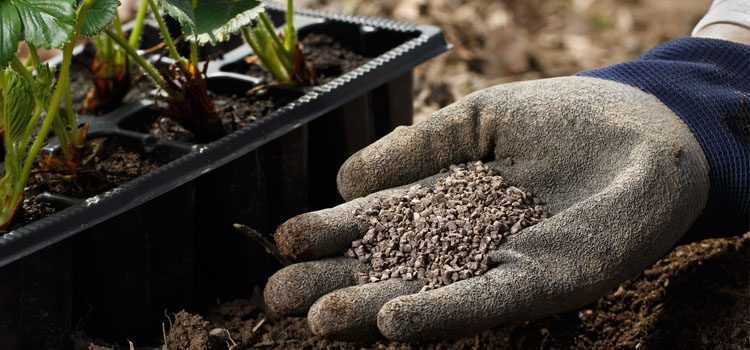
Explore various alternative plant fertilizer options that can provide a balanced nutrient profile for different plant types beyond the constraints of tomato fertilizer’s potassium-rich formula. When looking for alternative plant fertilizer options, consider the following:
- Organic Fertilizers: Opt for organic options like compost, manure, or seaweed extracts for a natural nutrient boost.
- Slow-Release Fertilizers: Use slow-release fertilizers for a steady nutrient supply over an extended period, reducing the risk of over-fertilization.
- Liquid Fertilizers: Liquid fertilizers are quick-acting and easy to apply, ideal for plants requiring immediate nutrient uptake.
- Balanced Fertilizers: Choose balanced fertilizers with equal NPK ratios to cater to the overall needs of various plants.
- Specialized Fertilizers: Consider specialized fertilizers tailored to specific plant types like acid-loving or flowering plants for targeted nutrition.
Recommendations From Experts
Consider incorporating expert recommendations on using tomato fertilizer for various plants to maximize their growth potential and overall health. When it comes to utilizing liquid tomato feed on plants, Houzz members suggest weekly applications for flowers like roses. For garden plants, it’s crucial to follow proper dilution instructions when using concentrated tomato food. While tomato feed is generally beneficial for most plants, it’s best to avoid using it on ericaceous varieties, as advised by community members.
For optimal results, experts recommend selecting tomato food with a high potash content to promote flower and fruit growth. Initially, it’s advisable to use normal plant food for even growth before transitioning to specialized tomato feed. Renowned gardener Alan Titchmarsh suggests incorporating liquid tomato feed into your plant care routine as a weekly nutrition boost, especially after six weeks of planting. By heeding these expert recommendations, you can ensure that your plants receive the necessary nutrients for vigorous growth and vitality.
Best Practices for Plant Fertilization
To ensure optimal growth and health for your plants, it is essential to follow best practices for fertilization, including selecting the right type of fertilizer and adhering to proper application techniques. When fertilizing your plants with tomato fertilizer, keep these best practices in mind:
- Check Potash Content: Tomato fertilizer is rich in potash, which promotes flower and fruit growth in plants.
- Follow Dilution Instructions: Always follow the correct dilution instructions to avoid over-fertilization and potential harm to your plants.
- Avoid Ericaceous Plants: Refrain from using tomato fertilizer on ericaceous plants, as their specific nutrient requirements may not be met.
- Ensure Adequate Watering: Adequate watering is crucial for plants like camellias to support healthy growth and development of next year’s buds.
- Consider for Most Plants: Tomato feed can be suitable for most plants except ericaceous ones, offering essential nutrients for overall plant health.