
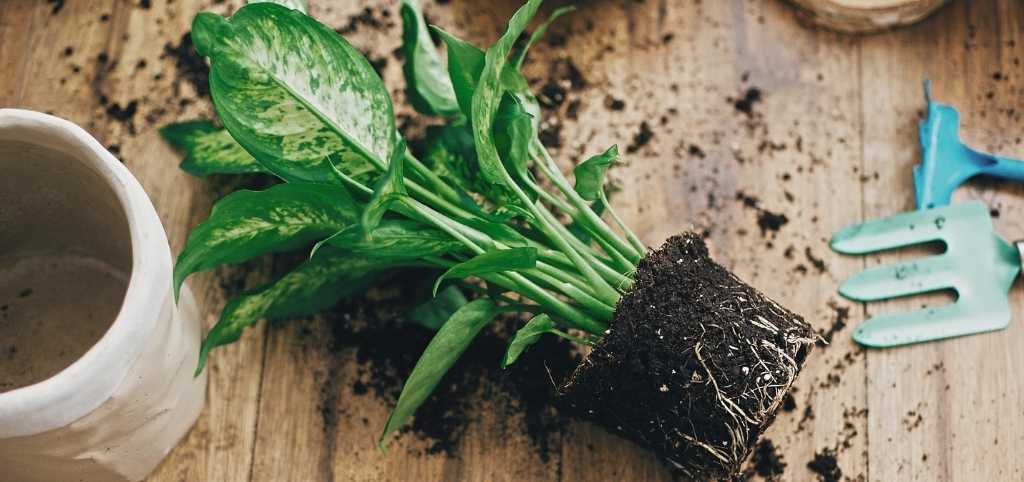
If you’ve dropped your plant, examine stems, leaves, and roots for damage. Repot using nutrient-rich soil and check drainage. Prune broken leaves at an angle and dust with cinnamon powder. Ensure stable placement with proper care for recovery. Most plants bounce back with attention. There’s more to aid in restoring your plant’s well-being and growth.
Assessing Plant Damage
To assess plant damage after a drop, carefully examine the stems, leaves, and roots for any signs of breakage or stress. Begin by checking the plant leaves for wilting, yellowing, or drooping, as these are common indicators of stress following a fall. Inspect the stems for any visible fractures or bruises, as these can impede the plant’s ability to transport nutrients effectively. Moving the plant gently to observe any signs of pain or distress can also help in determining the extent of damage.
Additionally, pay close attention to the roots by gently loosening the soil to check for compaction or displacement. Any disruption to the root system can hinder the plant’s ability to uptake water and nutrients, leading to further stress. By carefully assessing these areas, you can better understand how to help the plant recover efficiently from the impact of being dropped. Remember, swift action and proper evaluation are crucial in aiding the plant’s recuperation process.
Repotting for Recovery
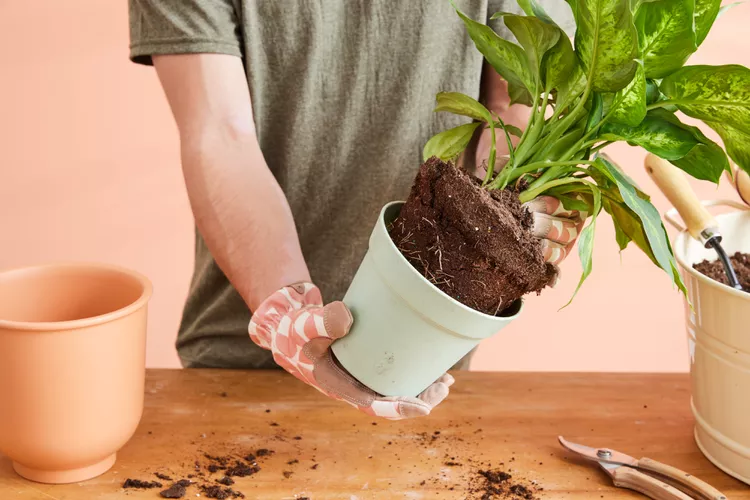
Repotting your plant post-drop incident can significantly aid in its recovery by providing essential fresh soil and improved drainage conditions. The quality of soil plays a crucial role in your plant’s health. Opt for a nutrient-rich mix such as Miracle-Gro Indoor Potting Mix to support growth and recovery. Repotting offers the opportunity to assess root damage and encourage new growth. When considering repotting, it is important to thoroughly examine the soil quality and root health to guide the process effectively. By repotting your plant after an accident, you enable better monitoring of its growth and overall health. This process allows you to create optimal conditions for your plant’s recovery. Ensure you choose a pot with adequate drainage holes to prevent waterlogging, as proper drainage is essential for your plant’s well-being. Repotting is a proactive step that can promote resilience and flourishing in your plant post-drop.
Removing Broken Leaves
After a plant has been dropped, the next step in aiding its recovery involves addressing the issue of removing broken leaves to promote overall plant health and appearance. When tackling broken leaves, consider the following:
- Pruning Techniques: Use clean, sharp scissors to trim off damaged areas, cutting at an angle for a clean finish.
- Sterilization: Dust cinnamon powder on the cut edges to prevent infections and promote healing.
- Organic Matter Boost: Instead of discarding broken leaves, consider incorporating them into the soil mix to increase organic matter content and provide a nutrient boost.
Plant Placement and Care
When considering plant placement and care, prioritize stable surfaces and adequate support to prevent accidents like dropping and ensure overall plant health. Proper soil moisture is crucial for plant growth and stability. Ensure the soil is moist but not waterlogged, as excessively wet soil can lead to root rot and weaken the plant’s anchorage in the pot. Adequate sunlight exposure is essential for photosynthesis and overall plant vigor. Place your plants in locations that receive the appropriate amount of sunlight based on their specific requirements. Temperature control is also vital for plant health and stability. Avoid placing plants near drafty windows or heat sources that can cause temperature fluctuations, which may stress the plant. By carefully considering these factors and providing consistent care, you can reduce the risk of dropping your plants due to neglect and create an environment conducive to their growth and well-being.
Impact on Plant Growth
The impact of dropping a plant on its growth trajectory can vary depending on the severity of the incident and the plant’s resilience. When a plant is dropped, several key factors come into play:
- Growth recovery, plant resilience: Most plants have a remarkable ability to recover from physical stress. They can bounce back and resume their growth trajectory with proper care.
- Shock response, rapid regrowth: Dropping a plant can induce shock, causing temporary stunting. However, many plants respond by quickly regrowing damaged parts or producing new shoots to compensate for the stress.
- Long term impact, recovery process: While drops can be alarming, they usually do not have a long-term impact on the plant’s overall health. With time and appropriate care, the plant can recover fully from the incident and continue its growth process.