
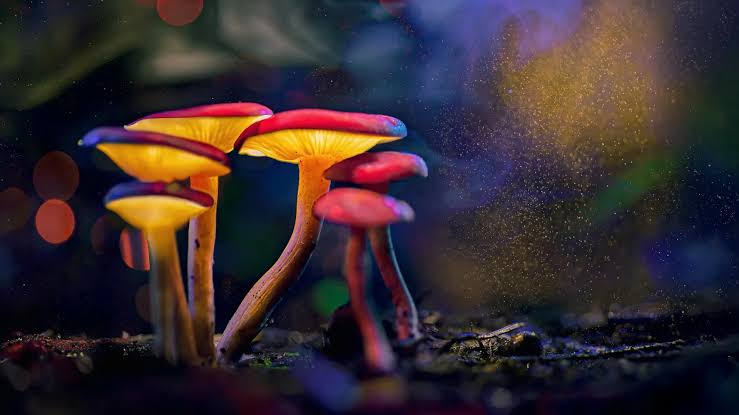
Mushrooms absorb nutrients through enzymatic digestion, breaking down organic matter like wood, leaves, and compost. Their feeding mechanism involves releasing enzymes to extract essential nutrients. Different species have unique strategies for deriving sustenance. Fungi play a crucial role in decomposition processes, aiding in ecosystem nutrient cycling. If you want to explore further, you can discover how mushrooms exhibit saprotrophic, mycorrhizal, parasitic, and endophytic feeding behaviors. Just remember, mushrooms may surprise you with their diverse nutritional sources and feeding relationships in nature.
Mushroom Feeding Mechanism
Mushrooms primarily absorb nutrients through external digestion, utilizing enzymes to break down organic matter for sustenance. This process, known as enzymatic digestion, is crucial for fungal nutrient uptake. By releasing enzymes onto their surroundings, mushrooms can break down complex organic compounds into simpler molecules that they can absorb. This external feeding strategy allows mushrooms to derive their nutrition from a variety of sources, including decaying wood, leaves, and compost rich in cellulose and lignin.
Through organic matter consumption, mushrooms play a vital role in nutrient cycling within ecosystems. Different mushroom species have evolved unique feeding strategies to thrive in various environments. Some mushrooms act as saprotrophs, decomposing dead organic matter, while others form mycorrhizal relationships with plant roots, exchanging nutrients for sugars. Parasitic mushrooms, on the other hand, consume nutrients from living hosts without providing any benefits in return. Understanding these diverse feeding mechanisms sheds light on the essential role mushrooms play in nutrient recycling and ecosystem health.
Saprotrophic Nutrition in Mushrooms
Indispensable for ecosystem nutrient recycling, saprotrophic mushrooms play a crucial role in decomposing dead organic matter to release nutrients back into the environment. Fungal decomposition is the process through which these mushrooms obtain their nutrients. They secrete enzymes that facilitate the breakdown of complex organic compounds present in dead plant material like leaves, wood, and soil into simpler forms that can be absorbed. Through this enzymatic breakdown and organic matter absorption, saprotrophic mushrooms like White Button, Portobello, and Crimini contribute significantly to recycling nutrients in ecosystems. By breaking down dead plant material, these mushrooms release essential nutrients back into the soil, enriching it and making these nutrients available for uptake by other organisms. This process not only sustains the mushroom population but also enhances soil health, creating a cycle of nutrient availability that benefits various organisms in the ecosystem.
Mycorrhizal Relationships With Mushrooms
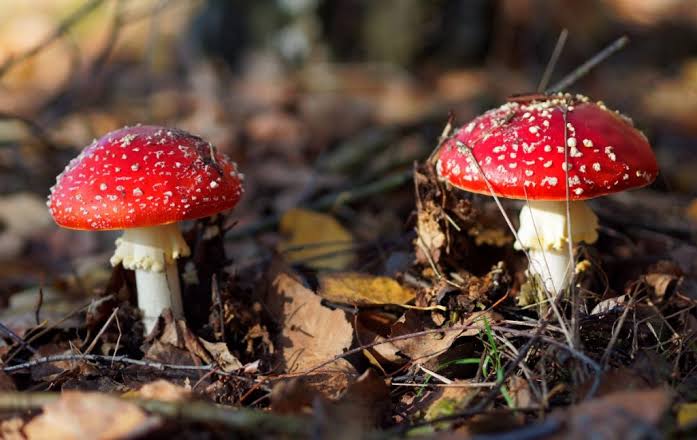
Mycorrhizal relationships form intricate networks between fungi and plant roots, allowing for the exchange of nutrients crucial for both organisms’ survival. These partnerships enhance soil health by improving nutrient uptake efficiency and fostering plant growth. By collaborating underground, mycorrhizal fungi play a vital role in maintaining ecosystem balance and sustainability.
Plant Nutrient Exchange
Enhancing plant nutrient uptake, mycorrhizal relationships with fungi play a vital role in facilitating the exchange of essential nutrients for sugars through symbiotic interactions. Fungal symbiosis with plants involves a collaborative effort in nutrient exchange, where mycorrhizal mushrooms provide plants with crucial elements such as phosphorus and nitrogen in return for sugars generated through photosynthesis. This mutually beneficial relationship is a key mechanism in nutrient transfer, as mycorrhizal fungi extend the plant’s root system through their mycelium, significantly enhancing the plant’s ability to access soil resources.
The plant-fungi collaboration in nutrient exchange not only improves plant growth but also enhances their overall health and resilience to environmental stresses. Mycorrhizal mushrooms actively contribute to nutrient cycling in ecosystems, promoting plant diversity and stability within the environment. By forming these intricate relationships, mycorrhizal fungi play an essential role in the sustainable functioning of ecosystems and the vitality of plant communities.
Fungal Root Partnership
In the intricate network of soil ecosystems, the partnership between fungi and plant roots, known as mycorrhizal relationships, plays a pivotal role in nutrient exchange and ecosystem sustainability. Fungal symbiosis within the root system enhances the capacity of plants to absorb essential nutrients like phosphorus and nitrogen. In this symbiotic relationship, fungi receive sugars from plants through mycorrhizal networks, aiding in their growth and survival. The mycorrhizal fungi act as extensions of the plant root system, exploring the soil for nutrients and water that might otherwise be inaccessible to the plant.
These fungal partnerships are crucial for the overall health of ecosystems, as they improve soil structure and nutrient availability. Forests, grasslands, and agricultural systems benefit greatly from mycorrhizal relationships, which contribute to enhanced plant growth and resilience. Notably, many edible and medicinal mushrooms, such as Porcini and Truffles, form mycorrhizal associations with trees, underscoring the ecological significance of these partnerships.
Soil Health Benefits
Utilizing symbiotic partnerships with mushrooms, plants benefit from improved soil health through enhanced nutrient uptake and water retention. Mycorrhizal relationships establish a crucial connection between plants and fungi, facilitating a mutually beneficial exchange. The mycorrhizal fungi extend the plant’s root system by forming a network that reaches far beyond the plant’s own roots. Through this network, plants gain access to essential nutrients such as phosphorus and nitrogen that are otherwise challenging to acquire. Moreover, mycorrhizal fungi aid in water retention, contributing to the plant’s resilience during dry periods.
This fungal network not only enhances nutrient uptake but also serves as a means of plant communication. Plants can communicate through the mycorrhizal network, sharing resources and warning neighboring plants of potential threats. This intricate system plays a vital role in maintaining soil health by promoting ecosystem balance and supporting the diverse community of soil microorganisms. By fostering mycorrhizal relationships, plants thrive in enriched soil environments, contributing to overall ecosystem health and resilience.
Parasitic Feeding Behavior of Mushrooms
Parasitic mushrooms, such as Chaga and Lions Mane, exhibit a specialized feeding behavior where they extract nutrients from living organisms, particularly trees, by infiltrating their tissues. This host interaction is detrimental to the trees, as these mushrooms disrupt normal functions, leading to diseases or decay. By extracting nutrients from the host, parasitic mushrooms ensure their own growth and survival without benefiting the host organism.
Interestingly, some parasitic mushrooms like Chaga and Lions Mane have medicinal benefits. These mushrooms have been used in traditional medicine for their healing properties. Understanding the nutrient extraction process of parasitic mushrooms is not only essential for managing forest health but also for preventing the spread of diseases in trees. By studying the mechanisms behind this feeding behavior, researchers can develop strategies to mitigate the negative impact of parasitic mushrooms on tree populations and harness the potential medicinal benefits they offer.
Endophytic Nutrition in Mushrooms
Endophytic mushrooms, through their unique feeding strategy, establish a symbiotic relationship with host plants by invading their tissues without causing harm. These mushrooms live within the plant’s cells or tissue, promoting host plant growth, health, and pest resistance. Unlike typical saprotrophic or mycorrhizal mushrooms, endophytic fungi do not form visible fruiting bodies. Instead, they obtain nutrition from the host plant, utilizing its resources for growth and reproduction. This process is essential for the survival of the endophytic fungi, as they rely on the plant for their metabolic needs.
The plant symbiosis formed with endophytic fungi plays a crucial role in maintaining plant health and ecosystem balance. By integrating themselves within the host plant, these fungi contribute to the overall well-being of the plant and surrounding environment. Through fungal metabolism, endophytic mushrooms extract nutrients from the host, highlighting the intricate relationship between plants and fungi in nature.
Nutrient Absorption by Mushrooms
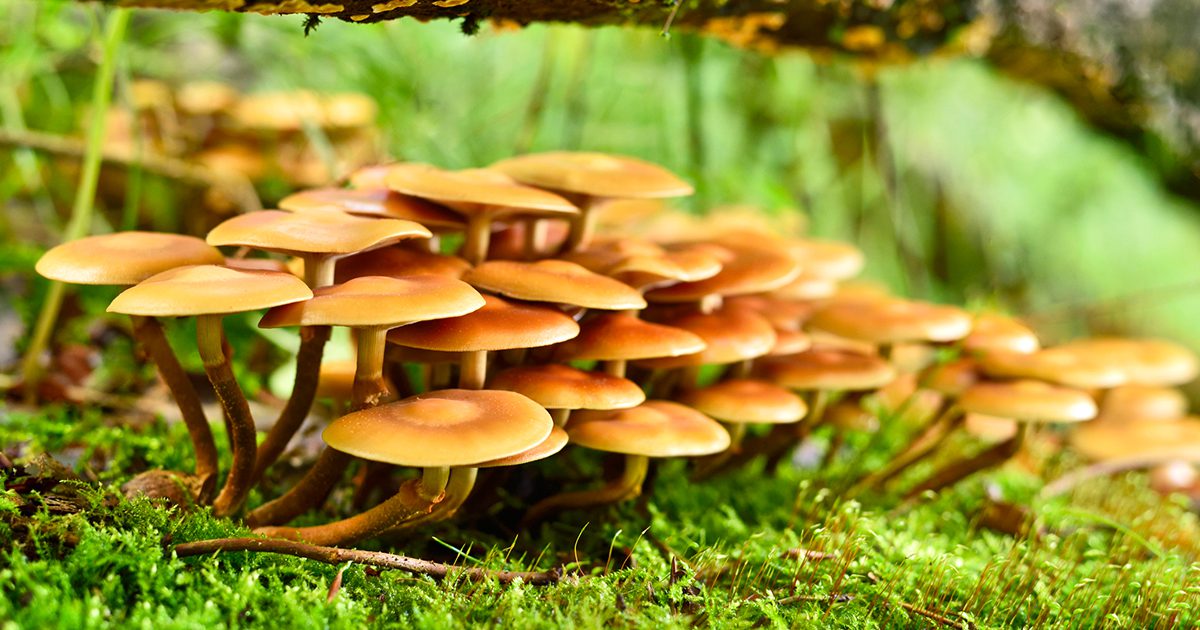
Mushrooms absorb nutrients by secreting enzymes that break down complex organic compounds like cellulose and lignin in their environment. Through their mycelium, mushrooms extract essential nutrients from dead plants, wood, and animal matter rich in carbon and nitrogen. This unique feeding strategy not only sustains mushroom growth but also plays a vital role in ecosystem nutrient cycling and decomposition processes.
Mushroom Nutrient Sources
Nutrient absorption in mushrooms primarily occurs through the enzymatic breakdown of organic matter present in their environment. Mushrooms exhibit a selective preference for their substrate, a process crucial for their survival. This choice is influenced by nutrient competition, where mushrooms compete with other microorganisms for available resources. Through fungal decomposition, mushrooms play a vital role in organic recycling by breaking down complex compounds like cellulose and lignin found in decaying plant material, dead trees, and organic debris.
Mushrooms derive essential nutrients from various sources such as wood chips, sawdust, straw, compost, and manure. These substrates provide carbohydrates, proteins, fats, vitamins, and minerals necessary for mushroom growth and development. The mycelium network of mushrooms acts as a scavenger, releasing enzymes to degrade complex compounds into simpler forms that can be absorbed. This efficient nutrient absorption process enables mushrooms to thrive in diverse environments and contribute significantly to ecosystem nutrient cycling.
Fungal Nutrient Absorption
Within their environment, fungi absorb essential nutrients through a network of branching hyphae known as mycelium, utilizing enzymatic processes to break down organic matter effectively. Fungal nutrient uptake occurs when mycelium secretes enzymes that degrade complex organic compounds such as cellulose and lignin into simpler forms. This enzymatic breakdown releases nutrients like carbon, nitrogen, phosphorus, and potassium, which are then absorbed by the mycelium for sustenance.
Through this process, mushrooms play a crucial role in nutrient recycling within ecosystems. By decomposing dead organic material, fungi release essential elements back into the environment, making them available for other organisms to utilize. This nutrient release not only benefits the fungi themselves but also contributes to the overall health and balance of the ecosystem.
Unlike plants that rely on photosynthesis to produce their food, mushrooms rely on external nutrient sources, highlighting their unique role as decomposers in the ecosystem. Fungal nutrient absorption and recycling are essential processes that support the sustainability of various habitats.
Factors Influencing Mushroom Growth
To ensure optimal growth of mushrooms, various factors such as substrate composition, pH levels, nutrient availability, moisture content, and aeration must be carefully considered. The pH level of the substrate is crucial for mushroom growth, with most species thriving in an optimal range of 5-6.5. Proper pH regulation ensures the availability of essential nutrients and enzymes necessary for mycelium development.
Aeration plays a vital role in mushroom growth by providing oxygen for metabolic processes, aiding in mycelium growth, and promoting substrate colonization. Adequate aeration prevents the accumulation of harmful byproducts and ensures the efficient utilization of nutrients by the mushrooms.
Moreover, maintaining the ideal moisture content of 50-70% in the substrate is essential for optimal mycelium growth. Mushrooms require a balanced moisture level to support their metabolic activities and prevent growth inhibition caused by excessively dry conditions.