
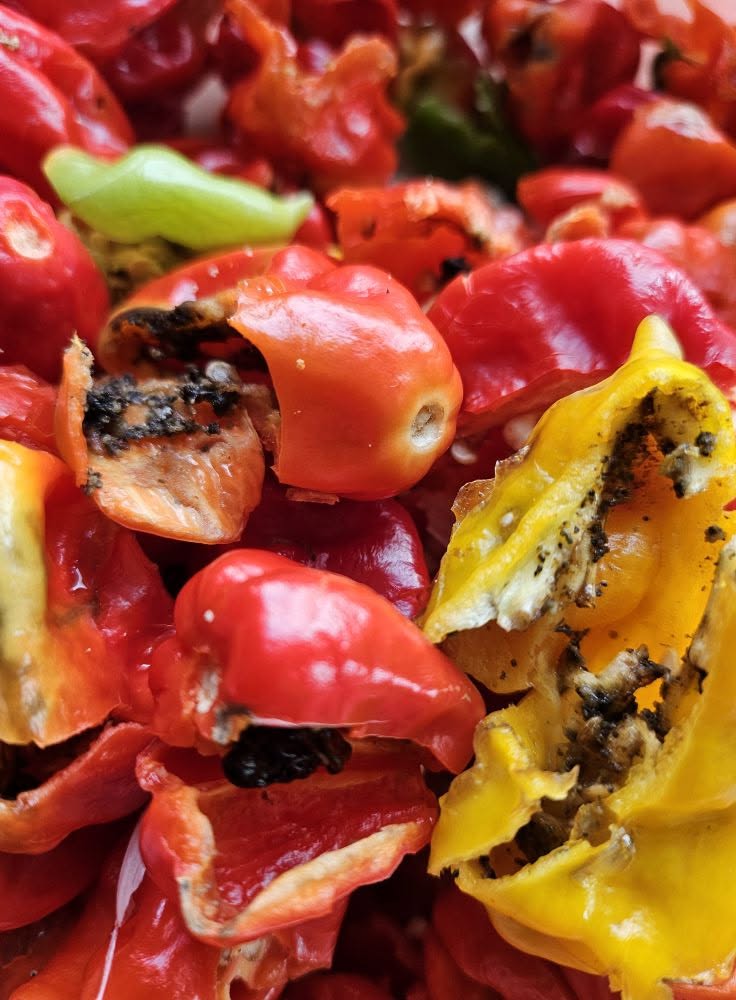
If your peppers have black areas inside, it could be due to excess rain leading to mold and rot, especially in varieties like Orange Habanero. Look for dark patches, soft texture, and pest indicators. Fungal infections like Anthracnose and Phytophthora capsici are common culprits, causing decay and wilting. Proper spacing, watering, and removing infected peppers are vital. Anthracnose causes dark lesions and rot, managed with proper care and fungicides. For more insights on preventing mold growth, blossom end rot, and identifying black spots on peppers, understanding pests in pepper plants, and Calvin’s perspective, explore further.
Causes of Black Inside Peppers
Excessive rain and humidity can lead to peppers turning black inside, often caused by mold or rot. Mold and rot are common culprits that result in the formation of black spots within the peppers. Varieties such as Orange Habanero and Zavory are particularly susceptible to developing black insides under these conditions. The presence of fruit flies or pepper weevils can exacerbate the issue, accelerating the blackening process. In some cases, larvae residing inside the flower of the pepper plant can instigate rot, leading to the appearance of black spots within the peppers. It’s essential to note that environmental factors play a significant role in this phenomenon; excessive rain during pod development and inconsistent watering practices can create conditions conducive to peppers turning black inside. By understanding these causes, you can take proactive measures to mitigate the risk of mold, rot, and black spots affecting your pepper plants.
Symptoms of Peppers Black Inside
Black spots inside peppers are indicative of various issues such as mold, rot, or pest infestations, leading to the peppers turning black inside. When inspecting your peppers, look for dark patches or areas of discoloration, especially near the stem or on the inner walls. These black spots can signify the presence of mold, which thrives in moist environments. Additionally, rot caused by excessive moisture can cause the peppers to blacken from the inside out. In cases of pest infestation, such as fruit flies laying eggs inside the peppers, larvae can hatch and feed on the pepper, resulting in blackened areas. Peppers that have turned black inside may also exhibit a soft or mushy texture, indicating spoilage. To prevent further damage, promptly remove any affected peppers and adjust your watering practices to avoid excessive moisture, ensuring the health and quality of your pepper harvest.
Types of Fungal Infections
Fungal infections in peppers can be caused by common pathogens like Fusarium wilt, Anthracnose, Phytophthora capsici, Botrytis cinerea, and Powdery mildew. These infections manifest through symptoms such as wilting, yellowing, sunken black lesions, dark spots, and decay in peppers. Preventive measures such as proper watering, spacing, and crop rotation can help manage these fungal pathogens effectively.
Common Fungal Pathogens
When discussing common fungal pathogens affecting peppers, it is crucial to understand the types of fungal infections that can impact pepper plants. Bell peppers, also known as sweet peppers, are susceptible to various fungal pathogens like Phytophthora capsici, Colletotrichum coccodes, and Fusarium species. Phytophthora capsici, a water mold, thrives in wet environments, leading to issues such as damping-off and root rot in bell peppers. Colletotrichum coccodes, causing anthracnose, results in dark, sunken lesions on peppers, potentially leading to fruit rot. Fusarium species are known to induce wilt, crown rot, and fruit rot in bell peppers, affecting both the health of the plant and the quality of the fruit.
These fungal infections can manifest as black spots or lesions on the peppers, turning them into unhealthy or inedible produce. Identifying and managing these common fungal pathogens promptly is essential to prevent significant damage to bell pepper crops.
Symptoms and Signs
Symptoms indicative of fungal infections in peppers can vary from small, sunken black spots to dark lesions affecting the fruit’s interior. Black spots inside peppers may signal the presence of fungal pathogens like anthracnose or Phytophthora blight. Anthracnose typically manifests as small, sunken black spots on the surface of the pepper, while Phytophthora blight causes dark lesions within the pepper, impacting its edibility. The development of mold inside the peppers turning them black is a common consequence of fungal infections. Properly identifying these symptoms is crucial in implementing timely interventions to prevent the spread of these pathogens to other plants or crops. If you notice black spots or dark lesions on your peppers, it is essential to take action promptly to mitigate the damage caused by these fungal infections. Stay vigilant for any signs of fungal infections to protect your plants and ensure a healthy harvest.
Prevention Measures
To prevent the development of black spots inside peppers caused by fungal infections, implementing effective prevention measures is crucial. Various types of fungal infections, such as anthracnose and phytophthora, can lead to peppers turning black internally. Fungal infections favor moist environments, underscoring the importance of adhering to strict watering practices. Anthracnose typically presents as sunken black lesions on the peppers, while phytophthora manifests as dark, water-soaked areas within the fruit.
To combat these issues, it is essential to use fungicides as a preventative measure. Additionally, improving air circulation around the plants and refraining from overhead watering can help mitigate the risk of fungal infections. Regularly inspecting the pepper plants for early signs of fungal issues is also crucial in catching and addressing problems promptly. By incorporating these preventative measures, you can safeguard your pepper plants from succumbing to fungal infections that cause them to turn black inside.

Impact of Anthracnose on Peppers
Anthracnose can significantly impact your pepper plants by causing dark lesions that lead to fruit rot, affecting both the quality of your harvest and the overall health of the plant. To manage this fungal disease, proper spacing, targeted watering, and timely removal of infected plant material are crucial steps you can take. Fungicides can also aid in controlling anthracnose, but early detection and prevention remain essential for effective management.
Anthracnose Symptoms
In pepper cultivation, the impact of anthracnose manifests through the development of dark, sunken lesions on the fruits. This fungal disease, primarily caused by Colletotrichum species, progresses with infected peppers displaying black, water-soaked spots that gradually enlarge. Cultivar susceptibility plays a crucial role in the severity of anthracnose, with some pepper varieties being more prone to the disease than others. Environmental factors such as wet and humid conditions create an ideal environment for the rapid spread of anthracnose, affecting pepper plants extensively.
Effective fungal identification is imperative for diagnosing anthracnose early on. Timely detection allows for the implementation of cultural practices like proper sanitation, crop rotation, and adequate spacing to prevent disease spread. Additionally, chemical treatments such as fungicides can be utilized to manage anthracnose in peppers. Understanding the symptoms of anthracnose and adopting appropriate control measures are essential for minimizing the impact of this destructive disease on pepper crops.
Management Strategies
Effective management of anthracnose on peppers involves implementing sanitation practices, fungicide applications, and the removal of infected plant material to control the spread of the disease. Disease management strategies for anthracnose include maintaining clean growing conditions by removing debris and weeds that can harbor fungal spores. Fungal control is crucial, and applying fungicides labeled for anthracnose prevention can help protect pepper plants. It is essential to follow proper application guidelines and schedules for fungicide treatments to effectively combat the disease.
In addition to fungicide applications, plant sanitation plays a significant role in preventing anthracnose. Regularly inspecting pepper plants for any signs of anthracnose, such as dark lesions, and promptly removing and destroying infected plant parts can help contain the spread of the disease. Pruning pepper plants to improve air circulation can also aid in reducing the humidity levels that favor anthracnose development. By combining these disease management approaches, you can effectively control anthracnose and protect your pepper crops from significant damage.
Preventing Mold Growth in Peppers
To prevent mold growth in peppers, ensure proper air circulation and spacing between your pepper plants. Adequate airflow helps prevent moisture buildup, reducing the risk of mold development. Avoid overhead watering, as wet foliage can promote mold growth. When cultivating peppers, practice good harvesting techniques by picking them promptly when ripe. Overripened peppers are more susceptible to mold formation. After harvesting, store peppers in a cool, dry place to maintain freshness and minimize the chances of mold growth. Regularly inspect your pepper plants for any signs of mold or rot. If you notice any affected peppers, remove them immediately to prevent the spread of mold to healthy fruits. By following these mold prevention strategies in your pepper cultivation, you can help ensure a healthy and mold-free harvest.
Importance of Proper Storage
Proper storage of peppers plays a crucial role in preserving their quality and preventing mold and rot. To ensure the longevity of your peppers, proper handling is essential. Store them in a cool, dry place away from moisture and direct sunlight. Refrigeration can also help extend their shelf life; place them in a perforated plastic bag to maintain freshness. Avoid storing peppers near ethylene-producing fruits as this can lead to premature ripening and spoilage.
Effective storage techniques can make a significant difference in the lifespan of your peppers. Freezing peppers after blanching is another method to consider, as it helps preserve their flavor and texture for future use. By following these storage practices, you can prevent spoilage and enjoy fresh, flavorful peppers for longer periods. Remember, the way you store your peppers can greatly impact their quality and taste, so proper storage is key to maintaining their freshness.
Understanding Sun Scald Damage
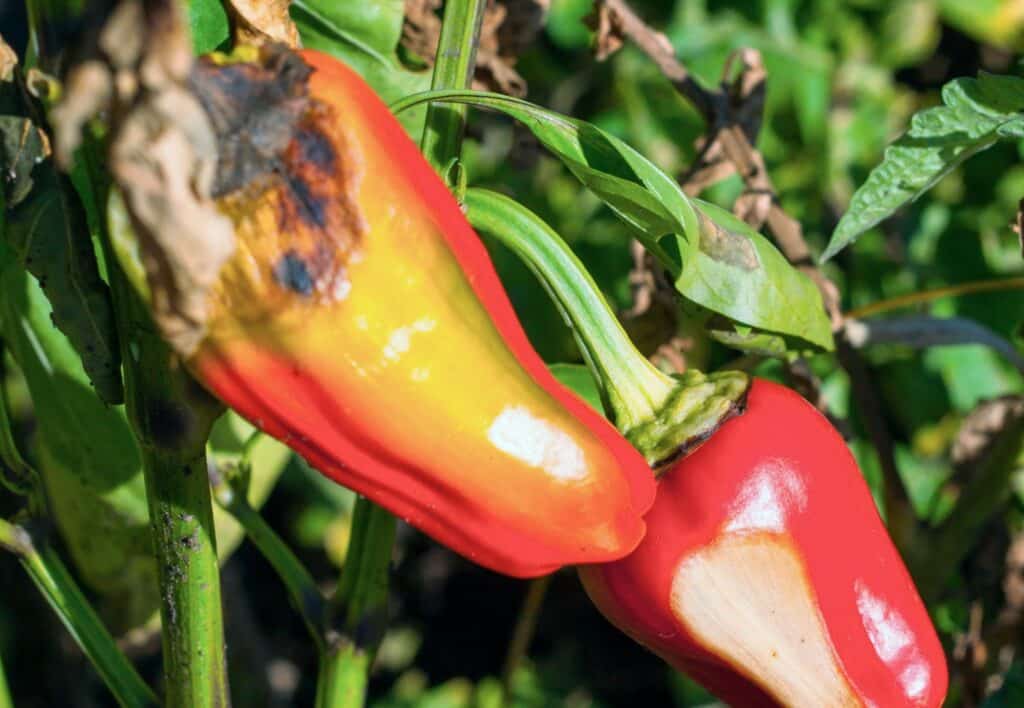
Exposure to excessive sunlight can result in sunscald damage on peppers, leading to black or brown discoloration of the outer skin. Sunscald occurs when the fruit is exposed to intense UV radiation, causing dark spots or patches on the peppers. This damage is more likely to happen when the plants lack sufficient foliage cover, leaving the fruit vulnerable to direct sunlight.
Symptoms of sunscald on peppers include wilting, sunken areas, and the formation of black lesions. To prevent sunscald, it is essential to provide shade, use mulching techniques, and ensure proper spacing between plants to reduce the amount of sun exposure the fruit receives. By implementing these prevention measures, you can significantly lower the risk of sunscald affecting your pepper plants.
Sunscald damage not only impacts the appearance of the peppers but can also affect the overall harvest quality. Peppers with sunscald may have reduced market value due to their unappealing appearance, leading to potential losses for growers. Therefore, understanding and addressing sunscald is crucial for maintaining a healthy pepper crop.
Blossom End Rot Explained
Sunscald damage on peppers may lead to blossom end rot, a condition characterized by black spots caused by a calcium uptake issue. Blossom end rot is not true rot but rather a physiological disorder stemming from inadequate calcium levels in the fruit due to irregular watering or poor soil conditions. To prevent rot, ensure you maintain consistent soil moisture levels by watering deeply but infrequently. Additionally, consider adding calcium-rich amendments like gypsum or lime to the soil before planting. Monitoring the pH levels of the soil can also aid in preventing calcium deficiency. If your peppers show signs of blossom end rot, look for black, sunken spots at the blossom end of the fruit. While affected areas are unappealing, the rest of the pepper is safe to consume after removing the damaged portions. By following these gardening tips and addressing calcium deficiencies, you can help your peppers thrive and avoid blossom end rot.
Identifying Black Spots on Peppers
To identify black spots on peppers, closely inspect the fruits for signs of damage or discoloration. Look for irregularly shaped spots that may appear sunken or raised on the pepper’s surface. Check for any presence of pests or larvae inside the pepper that could be causing the black spots.
Black Spots Causes
When inspecting peppers for black spots, carefully examine the skin for signs of pest infestation or bacterial infection. Black spots on peppers can be attributed to various causes. Pepper weevil infestations are a common culprit, with these pests laying eggs inside the peppers, leading to larvae development and subsequent black spot formation. Additionally, bacterial diseases can also result in black spots on peppers, indicating the need for disease-resistant pepper varieties and good hygiene practices to mitigate these issues.
Another factor to consider is sunscald discoloration, which occurs when peppers are exposed to direct sunlight, leading to black or brown spots on the skin. It’s essential to shield peppers from excessive sun exposure to prevent this type of discoloration.
Furthermore, the development of black spots on the end of peppers could be due to blossom end rot, often associated with calcium uptake problems. Understanding these causes can help in implementing appropriate measures to protect peppers from black spot formation.
Prevention Tips
Inspect peppers regularly for black spots to identify potential issues caused by pests, diseases, or calcium uptake problems. Implementing proper soil management practices can help prevent nutrient deficiencies that may lead to black spots on peppers. Integrated pest management techniques can also aid in reducing the risk of pest-related issues that contribute to the development of black spots. Good hygiene practices are essential to prevent the spread of diseases that result in black spots on peppers. Additionally, ensuring adequate watering and proper drainage can help minimize the occurrence of blossom end rot, a common cause of black spots. Consider planting disease-resistant pepper varieties to decrease the likelihood of black spots appearing on your peppers. Keep an eye out for signs of insect infestations such as pepper weevils, as addressing these promptly can help prevent black spots from forming on your peppers. By following these prevention tips, you can maintain healthy pepper plants and reduce the incidence of black spots caused by various factors.
Treating Pests in Pepper Plants
Implementing effective pest control measures is crucial in addressing the issue of pests in pepper plants, particularly in combating the damage caused by pepper weevils and other pests that result in black spots on the fruit. To effectively treat pests in pepper plants, consider the following:
- Organic solutions and biological control: Utilize natural substances like neem oil or insecticidal soap to eliminate pests without harming the plant or the environment. Biological control methods involve introducing beneficial insects that prey on the pests infesting the pepper plants.
- DIY remedies and homemade sprays: Create your own pesticide sprays using ingredients like garlic, chili pepper, or soap solutions. These homemade remedies can be effective in controlling pests and are cost-efficient alternatives to commercial pesticides.
- Natural predators and beneficial insects: Encourage the presence of natural predators such as ladybugs, lacewings, or parasitic wasps in your garden. These beneficial insects feed on pests like aphids and caterpillars, helping to keep the pest population in check without the need for chemical intervention.
Calvin’s Perspective on Peppers
Calvin, also known as the Pepper Geek, provides valuable insights and expertise on cultivating healthy pepper plants and crafting flavorful recipes with a spicy twist. His passion for peppers is evident in his detailed knowledge of various pepper varieties, innovative growing techniques, and creative culinary uses. Below is a table summarizing Calvin’s perspective on peppers:
| Pepper Varieties | Growing Techniques | Culinary Uses |
|---|---|---|
| Scorpion Peppers | Indoor cultivation tips | Spicy sauces |
| Bell Peppers | Outdoor garden maintenance | Stuffed pepper dishes |
| Jalapeño Peppers | Pickling methods | Salsas and marinades |
Calvin’s collaboration with Crystalyn further enhances the depth of information available to readers, making it easier for beginners and experienced gardeners alike to benefit from his practical advice. Whether you are interested in growing peppers indoors, exploring new culinary creations, or simply expanding your knowledge of pepper varieties, Calvin’s insights offer a wealth of valuable information.