
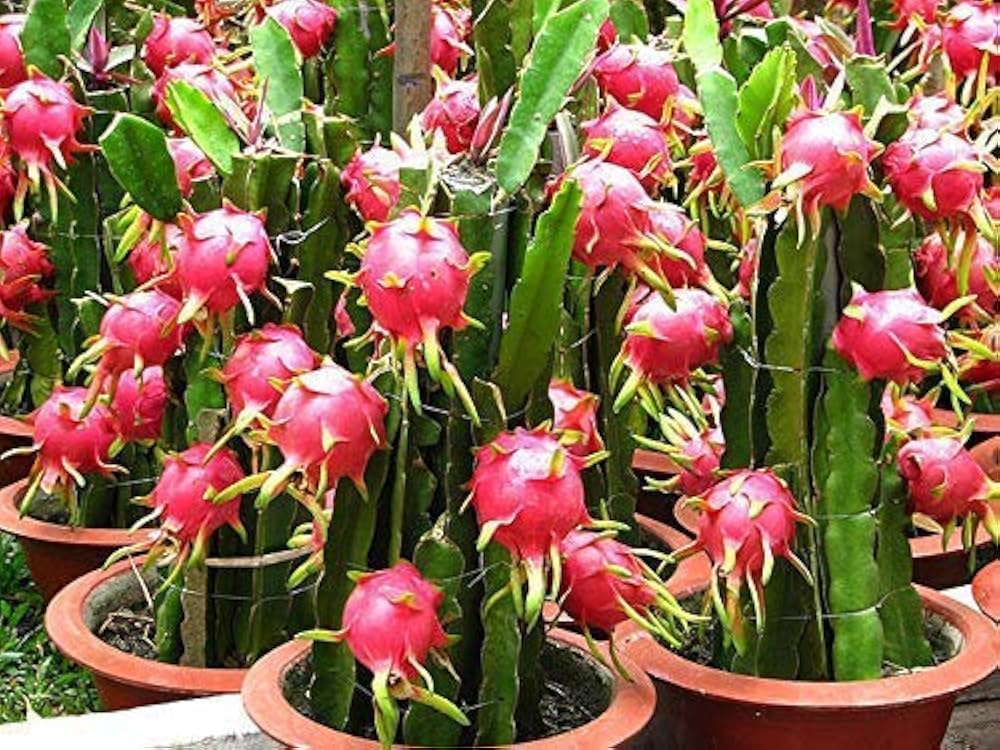
To care for your dragon fruit plant effectively, start by choosing well-drained soil in a sunny spot for growth. Support it with trellises for a thriving plant and fruits. Ensure it gets 6-8 hours of sunlight daily, keeping temperatures moderate between 65-90°F. Opt for slightly acidic soil and use organic mulch for moisture and weed control. Water when the top inch is dry; adjust based on soil conditions. Regular pruning aids plant health. Harvest correctly and propagate using stem cuttings in cactus mix. Mastering these basics sets a solid foundation for your dragon fruit plant care.
Planting Site Selection
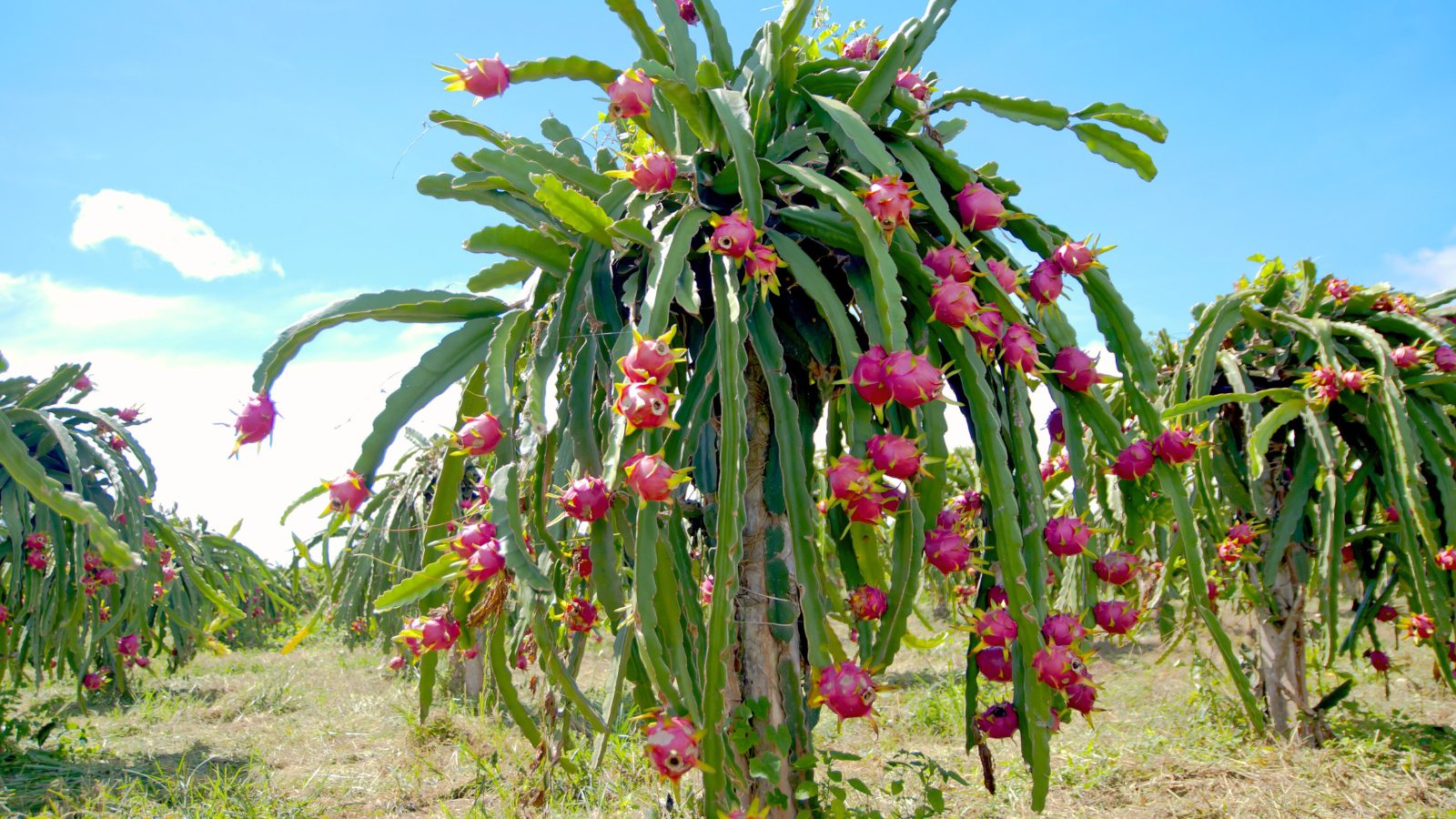
When selecting a site for planting your dragon fruit, ensure it is well-drained and receives full sun to partial shade. Dragon fruit thrives in these conditions, promoting healthy growth and bountiful fruit production. It is crucial to choose a location with proper drainage to prevent waterlogging, which can lead to root rot and other issues. Additionally, providing full sun to partial shade ensures that your dragon fruit plants receive adequate sunlight for photosynthesis while avoiding excessive heat stress.
To support your dragon fruit plants, consider installing a trellis or other support structure. This not only helps the plants grow vertically but also aids in better fruit development and ease of maintenance. When spacing out your dragon fruit plants, make sure to plant them at least 6 feet apart to allow ample room for growth and airflow between plants.
Regular fertilization is key to providing your dragon fruit plants with essential nutrients for optimal health and productivity. By following these guidelines for planting site selection, you set a strong foundation for successful dragon fruit cultivation.
Vertical Training and Support Structures
To ensure optimal growth and fruit production for your dragon fruit plant, sturdy trellises or support structures are essential. These structures not only help manage plant growth and improve air circulation but also make harvesting easier. By utilizing proper support, you can train your plant vertically, creating a neat and organized growing area while maximizing space in small gardens or containers.
Vertical Training Benefits
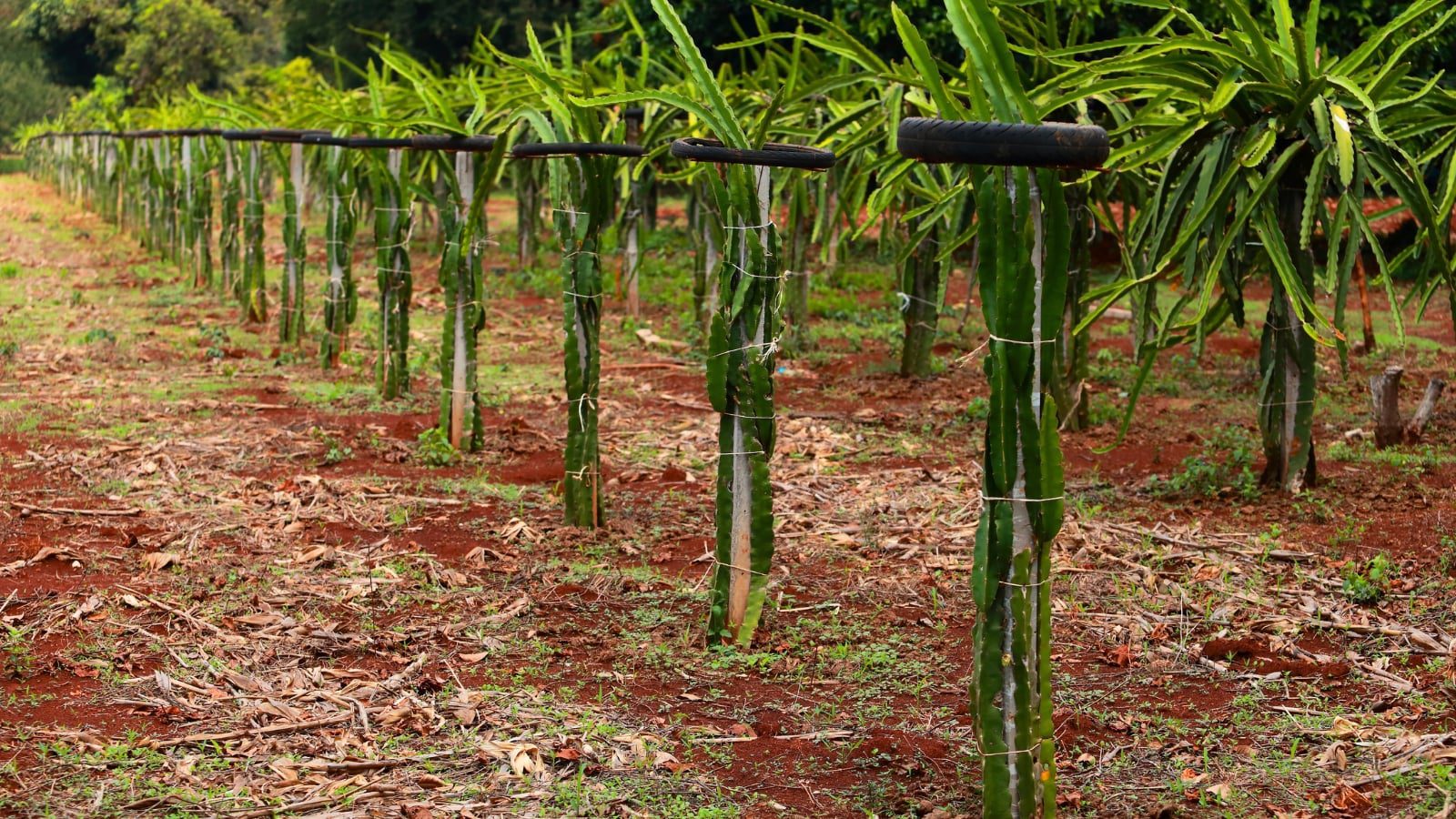
Vertical training of dragon fruit plants is essential for maximizing their growth potential and optimizing sunlight exposure. By encouraging upwards growth through support structures like trellises or poles, you not only make the most of limited space but also ensure that your plants receive ample sunlight for photosynthesis. This vertical growth not only benefits the plants but also promotes healthier growth overall. The increased airflow around the plant reduces the risk of diseases, making maintenance easier and more efficient. Additionally, trained dragon fruit plants are simpler to manage, prune, and harvest, saving you time and effort in the long run. Furthermore, vertical training has the added advantage of leading to abundant flowering and increased fruit production, allowing you to enjoy a more bountiful harvest. So, by implementing proper vertical training techniques, you set your dragon fruit plants up for success and ensure a fruitful growing season.
Support Structures Importance
Support structures play a vital role in the successful vertical training of dragon fruit plants, ensuring their growth is upright and productive. Trellises and other support systems are crucial for maximizing sunlight exposure, which is essential for photosynthesis and optimal fruit production. By providing the necessary support, these structures keep the plant off the ground, reducing the risk of pests and diseases that may hinder its growth. Additionally, vertical training allows for improved air circulation around the plant, aiding in the prevention of fungal diseases that thrive in damp, stagnant conditions. Well-designed support structures not only help in the vertical growth of the dragon fruit plant but also contribute to its overall longevity and health as it continues to produce fruit. Investing in proper support for your dragon fruit plant is a proactive measure that can significantly impact its development and resistance to potential threats.
Training Techniques for Growth
For effective growth management and optimal plant health, implementing proper training techniques is essential when cultivating dragon fruit plants. When it comes to training techniques for growth, consider the following:
- Vertical Training: Encourage vertical growth by guiding the dragon fruit plant to climb upwards on support structures such as trellises or arbors. This method helps utilize space efficiently and enhances light exposure for improved growth and fruit production.
- Support Structures: Utilize support structures to prevent sprawling growth, promote better air circulation around the plant, and prevent bending or breakage under the weight of fruit. These structures also make plant maintenance easier.
- Space Efficiency: Training dragon fruit plants vertically not only ensures space efficiency but also facilitates easier access for maintenance tasks, such as pruning and harvesting.
- Fruit Weight Management: Proper training techniques and support structures help distribute the weight of the fruit, reducing the risk of branches breaking and ensuring the plant’s overall health and productivity.
Implementing these training techniques and support structures will not only aid in the plant’s growth but also contribute to its overall health and fruit yield.
Light and Temperature Requirements

To ensure the healthy growth of your dragon fruit plants, it is crucial to provide them with bright, indirect sunlight for at least 6-8 hours daily and maintain temperatures between 65°F and 90°F (18°C to 32°C), as they are not frost-tolerant. Dragon fruit plants are sensitive to extreme temperatures, so it’s essential to create a suitable environment for them to thrive. Avoid exposing them to direct sunlight to prevent leaf sunburn, and if your region experiences intense sunlight, consider providing some shade. These plants can adapt to different environmental conditions, but they truly flourish in warm temperatures. Here is a table summarizing the light and temperature requirements for your dragon fruit plants:
| Aspect | Requirement |
|---|---|
| Light | Bright, indirect sunlight for 6-8 hours daily |
| Temperature | 65°F to 90°F (18°C to 32°C); avoid frost |
Soil Preparation and Fertilization
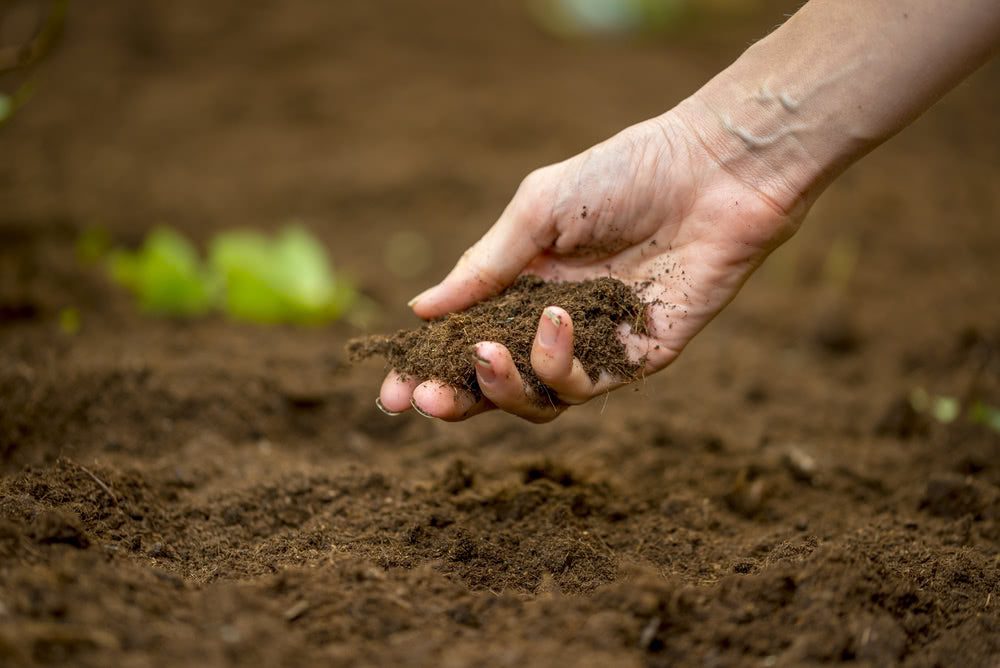
To ensure your dragon fruit plant thrives, it’s vital to prepare the soil properly. Maintaining the correct pH level and incorporating organic fertilizers will provide essential nutrients for healthy growth. Mulching the soil can help retain moisture and promote optimal conditions for your plant.
Proper Soil Ph
How crucial is maintaining the proper soil pH level for ensuring the healthy growth of your dragon fruit plants? Dragon fruit plants thrive in slightly acidic soil with a pH range of 6.0 to 7.0. To achieve this optimal pH level, follow these essential steps:
- Soil Preparation: Begin by preparing the soil with a blend of compost, manure, and organic fertilizer. This mix provides the necessary nutrients for your plants to grow healthily.
- Balanced Fertilization: Regularly feed your dragon fruit plants with a balanced, water-soluble fertilizer to support their growth and encourage fruit production.
- Nutrient Deficiencies: By maintaining the proper soil pH levels, you can prevent nutrient deficiencies in your plants, ensuring they have access to all the necessary elements for their well-being.
- Overall Health: Proper soil preparation and fertilization are key factors in the overall health and productivity of your dragon fruit plants. Neglecting soil pH management can hinder their growth and development.
Organic Fertilizers Recommended

Using organic fertilizers like OCP eco-seaweed and eco-aminogro is crucial for the optimal soil preparation and fertilization of your dragon fruit plants. These recommended organic fertilizers play a vital role in promoting optimal plant growth and tastier fruit production. To ensure your dragon fruit plants thrive, it is essential to apply organic fertilizers regularly, ideally every 2-3 weeks. Additionally, for continued health and productivity, reapplication of lime and organic fertilizers should be done each spring.
OCP eco-seaweed and eco-aminogro are specifically formulated to provide the necessary nutrients for dragon fruit plants to flourish. By incorporating these organic fertilizers into your plant care routine, you can enhance the soil quality, leading to improved growth and fruit yield. The regular use of these products supports the development of robust plants and flavorful fruits. Remember, proper fertilization with organic options is essential for the overall well-being of your dragon fruit plants.
Mulching for Moisture
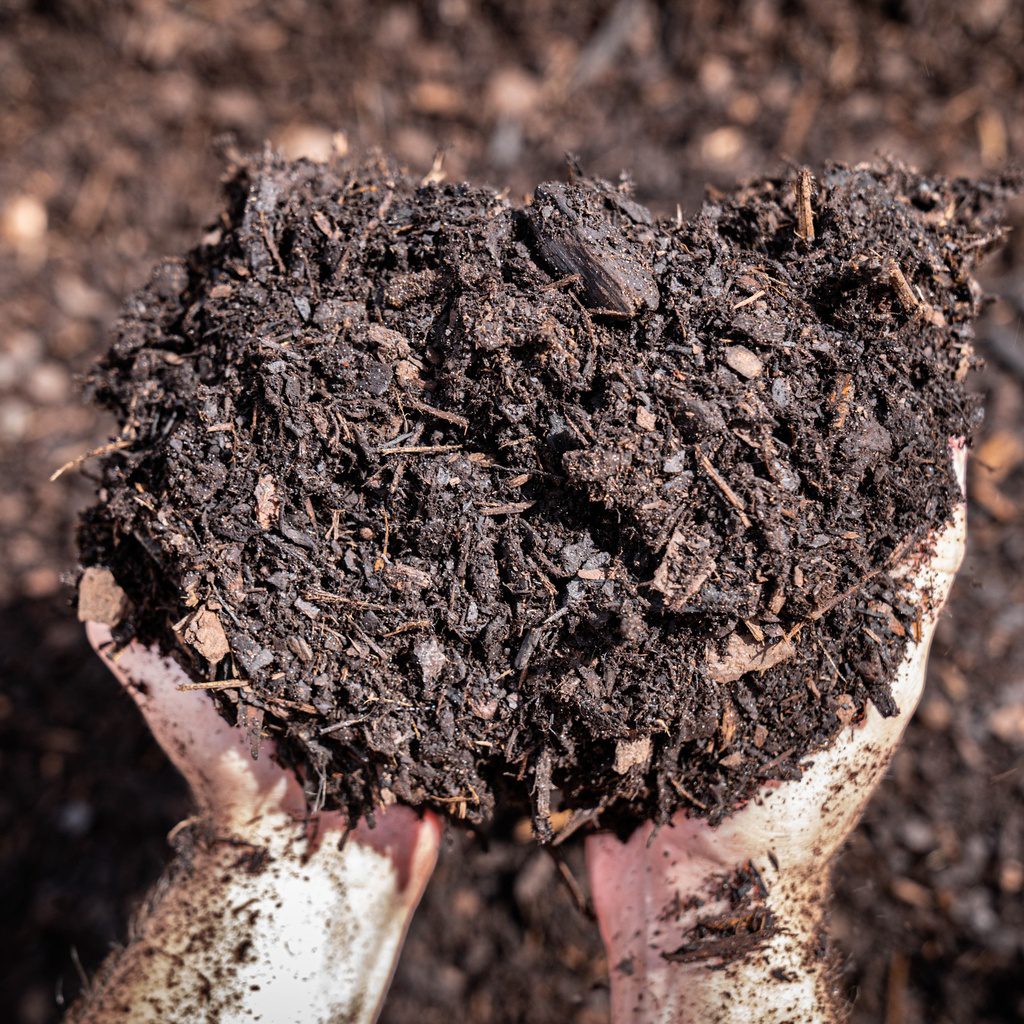
Mulching for moisture is an essential practice in soil preparation and fertilization for your dragon fruit plants. Here’s why mulching is crucial for the health and vitality of your plants:
- Retaining Soil Moisture: Mulching helps keep the soil hydrated by reducing evaporation, ensuring your dragon fruit plants have a consistent moisture level for optimal growth.
- Nutrient-Rich Organic Mulches: Organic mulches such as compost, straw, or wood chips not only retain moisture but also provide essential nutrients as they decompose, promoting overall plant health.
- Weed Suppression: By forming a barrier, mulch suppresses weed growth around your dragon fruit plants, preventing competition for water and nutrients.
- Temperature Regulation and Root Protection: Applying a 2-4 inch layer of mulch around the plant base regulates soil temperature, shielding roots from extreme heat or cold, enhancing their protection and growth.
Remember to regularly replenish the mulch as it breaks down to sustain these benefits and ensure the longevity of your dragon fruit plants.
Watering and Humidity Needs
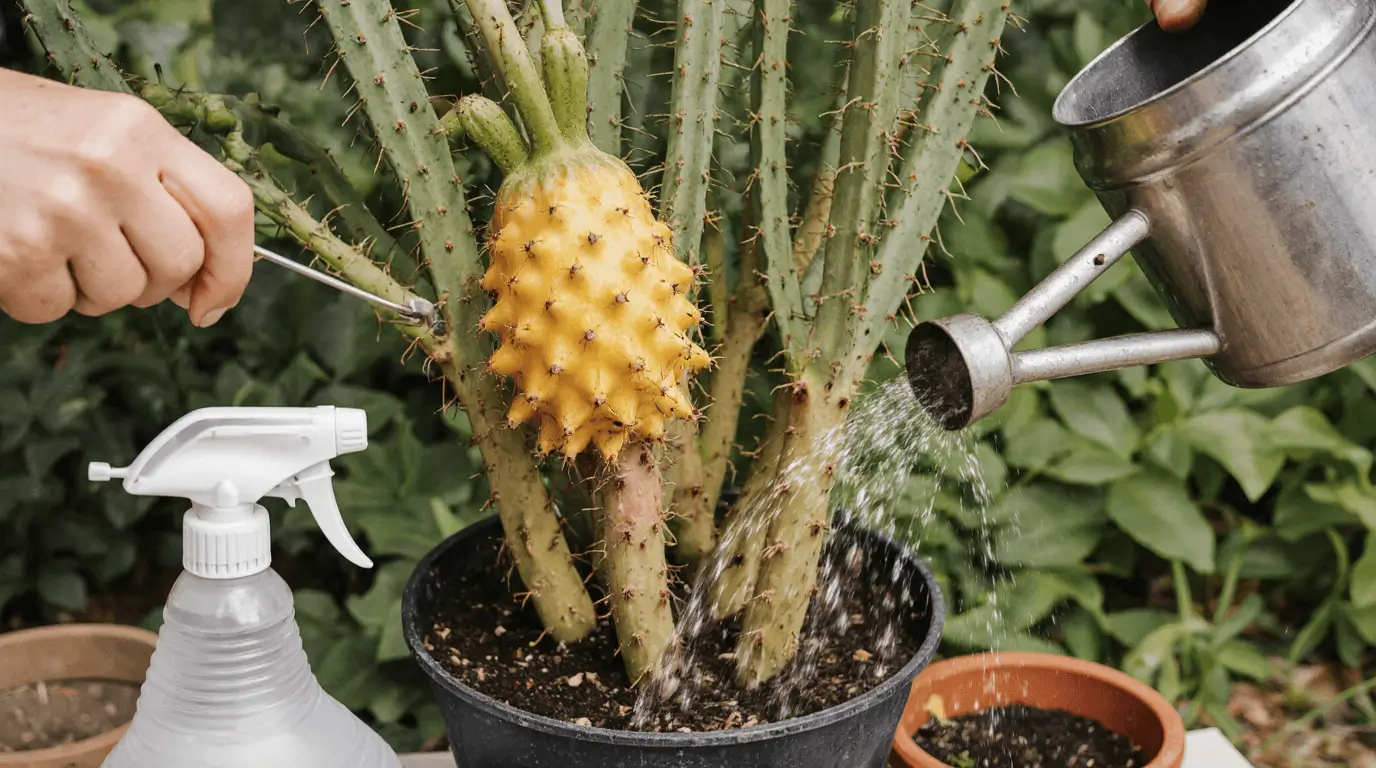
Maintain regular watering intervals for your dragon fruit plant to prevent root rot, ensuring the soil has a chance to dry out between each watering session. Consistency is key to keeping your plant healthy. Optimal humidity levels between 30-50% are ideal for mimicking its natural tropical rainforest habitat. Avoid overwatering and misting, as these can lead to fungal diseases and root rot. High humidity levels, especially during the growing season, help promote healthy growth and fruit production. Balancing watering and humidity is crucial for preventing issues and ensuring your dragon fruit plant thrives.
| Watering Tips | Humidity Guidelines |
|---|---|
| Water when the top inch of soil is dry | Maintain humidity between 30-50% |
| Use well-draining soil to prevent waterlogging | Increase humidity during the growing season |
| Adjust watering frequency based on plant needs | Avoid misting to prevent fungal diseases |
| Monitor soil moisture with a moisture meter | Provide good air circulation to prevent excess humidity |
| Consider environmental factors like temperature | Use a humidifier in dry climates |
Pruning and Harvesting Guidelines
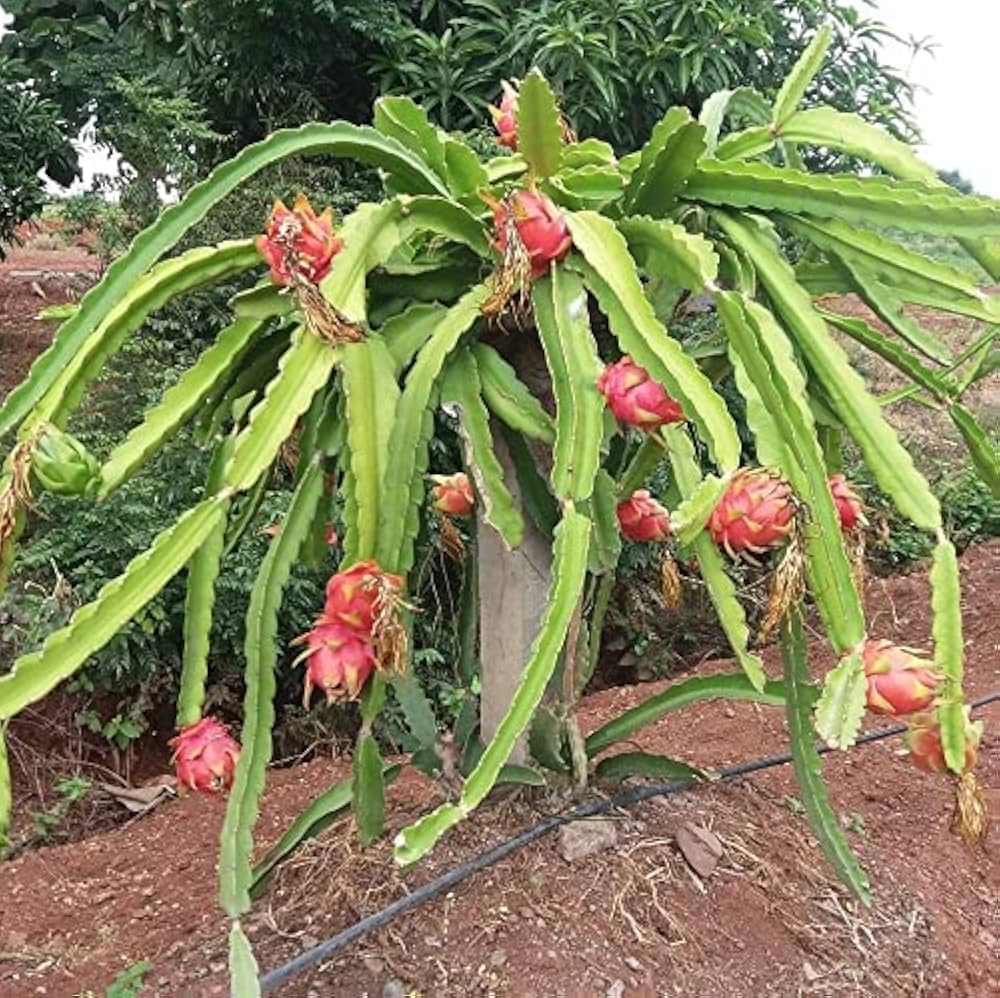
Wondering how to effectively manage growth and ensure optimal fruit production for your dragon fruit plant? Follow these essential pruning and harvesting guidelines to keep your plant healthy and thriving:
- Prune regularly: Trim your dragon fruit plant to improve air circulation, remove dead branches, and stimulate new growth, leading to better fruit production.
- Harvest at the right time: Pick your dragon fruit when the skin is bright in color, the wings start to wither, and the fruit twists easily from the stem for the best taste.
- Promote a healthier plant: Proper pruning not only prevents energy waste but also encourages flowering, resulting in a healthier and more productive plant.
- Storage tip: Once harvested, your dragon fruit can be stored in the refrigerator for up to two weeks, allowing you to enjoy the fruits of your labor for longer while preventing diseases and pests.
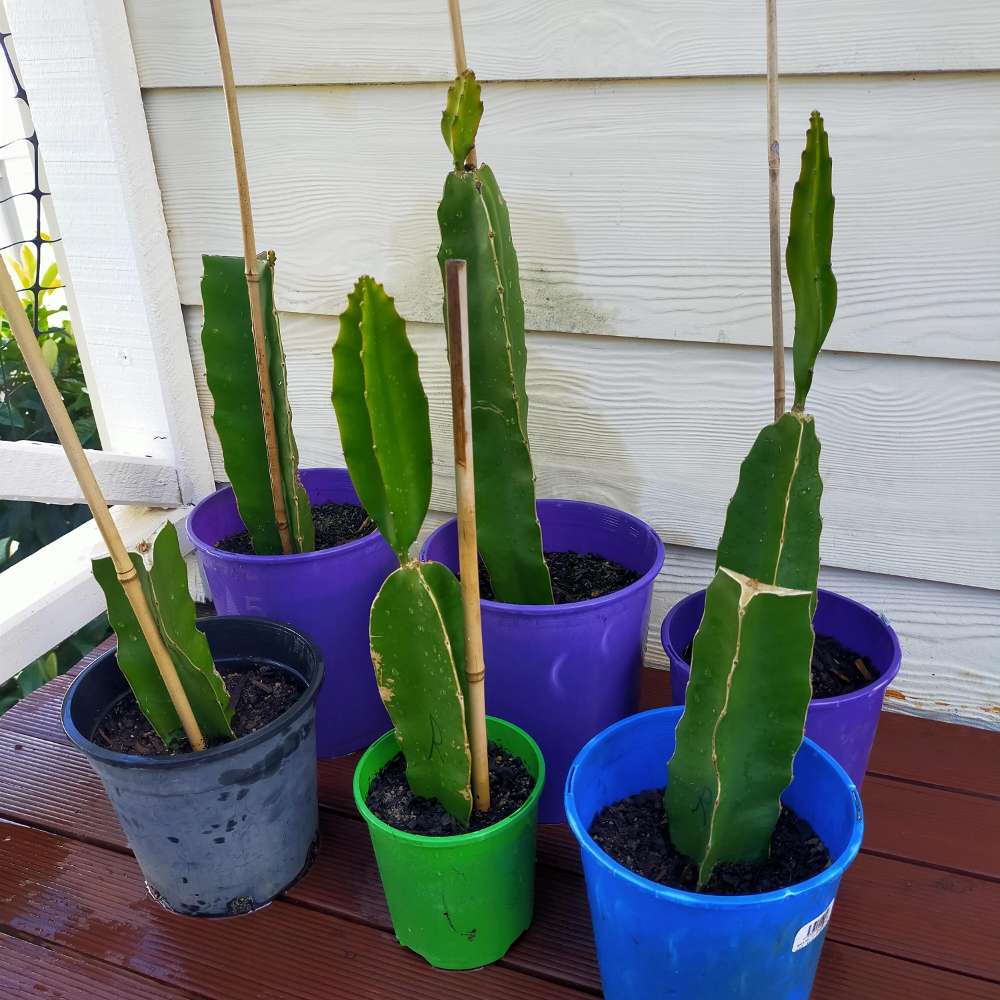
Propagation and Potting Techniques
To successfully propagate and pot your dragon fruit plant, begin by selecting a cactus pot with proper drainage and preparing a sandy cactus potting mix. Dragon fruit plants can be easily propagated from stem cuttings, which need to dry and callus before planting in well-draining soil to encourage root growth. When potting these cuttings, ensure they have enough space for roots to develop by using a cactus pot with good drainage and sandy soil mix. For optimal growth, remember to provide regular fertilization, maintain a balanced watering schedule, and practice proper pruning techniques to keep the plant healthy. If you choose to grow dragon fruit from seeds, extract them from ripe fruits, rinse thoroughly, and plant in a well-draining mix with the right germination conditions. By following these propagation and potting techniques, you can successfully nurture your dragon fruit plant and enjoy its beautiful blooms and tasty fruits.