
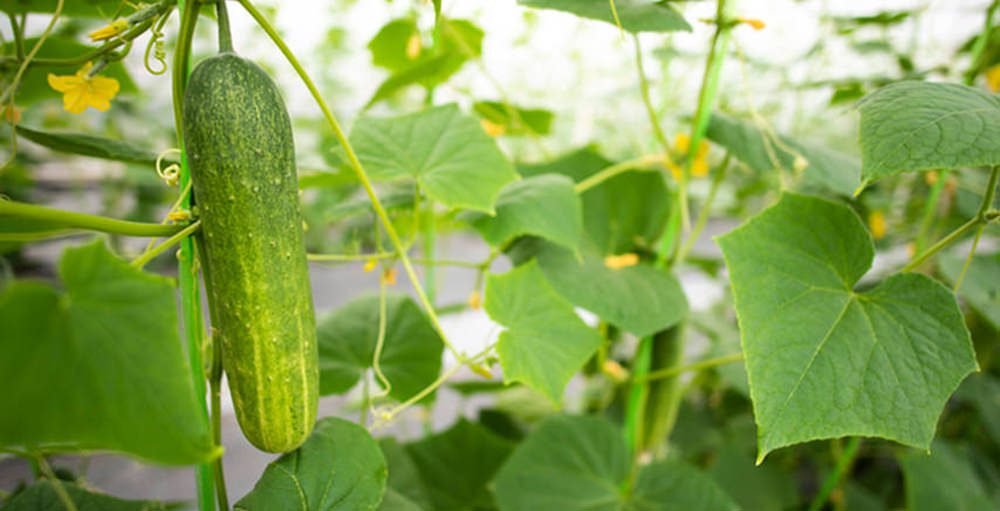
To grow cucumbers in an aquaponic system, start by selecting cucumber varieties like ‘Telegraph’ or ‘Diva’ based on your preferences. Properly set up the aquaponics system with essential components and nitrifying bacteria to convert fish waste into plant nutrients. Whether you choose to start from seeds or seedlings, ensure optimal conditions for growth. Transplant carefully, monitor water quality, and maintain consistent care for healthy cucumber plants. Focus on water quality, fish health, and plant care throughout the process. Harvest cucumbers at the right size for continuous production. Remember, attention to detail is key for successful cucumber cultivation in aquaponics.
Choosing Cucumber Varieties
When selecting cucumber varieties for your aquaponic system, prioritize characteristics like shape, flavor, texture, and disease resistance to ensure successful cultivation. English cucumber varieties, such as ‘Telegraph,’ are favored for their long, slender shape and mild flavor, making them a popular choice among aquaponic growers. These cucumbers require ample space for their vines to spread and thrive.
Beit Alpha cucumbers, like the ‘Diva,’ are renowned for their crisp texture and abundant fruiting, making them well-suited for aquaponics. Their compact growth habit and prolific fruiting make them ideal for smaller aquaponic setups where space may be limited.
Hybrid cucumber varieties, including ‘Marketmore’ hybrids, offer excellent disease resistance and high yields, ensuring a bountiful harvest in aquaponic systems. Additionally, consider the pollination needs of different cucumber varieties to ensure proper fruit development within your aquaponic setup. By selecting cucumber varieties that match your space requirements and provide disease resistance, you set the foundation for a successful cucumber cultivation in your aquaponic system.
Setting Up Aquaponics System
To establish an efficient aquaponics system for cultivating cucumbers, you will need essential components such as a fish tank, grow bed, water pump, and filtration system. The aquaponic system functions by utilizing nitrifying bacteria within the grow bed to convert fish waste into essential nutrients for plant growth. Water continuously circulates from the fish tank to the grow bed, providing cucumbers with the necessary nutrients for optimal development. Proper maintenance of water quality is imperative to ensure the health and productivity of cucumber plants in the aquaponics system. Monitoring for nutrient deficiencies, ensuring adequate water circulation, and optimizing pH levels are vital tasks in maintaining suitable conditions for cucumber growth. Remember, cucumbers grown in aquaponics require consistent attention to watering, fertilization, and overall monitoring to support robust plant growth and a bountiful harvest. By diligently maintaining your aquaponics system, you can create an ideal environment for flourishing cucumber plants.
Starting From Seeds or Seedlings
Starting cucumbers in an aquaponic system can be achieved by either using seeds or seedlings, depending on your preference and experience level. When starting from seeds, you have more control over the plant’s growth and it is a cost-effective option. For beginners or those looking for a more convenient approach, cucumber seedlings are a great choice as they are already established plants ready for transplantation.
To ensure successful germination when starting from seeds, it is vital to provide optimal conditions such as warmth, moisture, and adequate light. Additionally, selecting healthy and disease-free cucumber seedlings is crucial for the overall growth and productivity of your aquaponic system. Below is a comparison table to help you decide between starting from seeds or seedlings:
| Starting from Seeds | Starting from Seedlings |
|---|---|
| Cost-effective | Convenient for beginners |
| Requires germination conditions | Ready for immediate transplantation |
| Control over growth | Established plants |
Transplanting Cucumber Plants
Transplant cucumber plants into your aquaponic system once they have developed at least 2-3 true leaves and well-established roots. It is essential to ensure that the roots are not tangled before transplanting to prevent damage to the plant. When ready, gently remove the seedling from its container, being careful not to disturb the roots, and place it into the grow bed of your aquaponics system.
After transplanting, water the cucumber plants immediately to help them settle into their new environment and minimize stress. Keep a close eye on the transplanted plants for any signs of shock or wilting. This monitoring is crucial to address any issues promptly and ensure the successful establishment of the cucumber plants in the aquaponic system. By following these steps carefully, you can support the healthy growth and development of your cucumber plants within the aquaponics setup.

Caring for Cucumber Plants
Water your cucumber plants consistently, ensuring the soil remains moist but not waterlogged. Implement a pest management strategy that includes regular inspection and prompt action against any pests that may harm your cucumber plants. By following these practices diligently, you can help your cucumber plants thrive and produce a bountiful harvest in your aquaponic system.
Watering Cucumber Plants
To ensure optimal growth and fruit production in your cucumber plants within an aquaponic system, maintaining consistent and appropriate moisture levels is paramount. Here are some key points to consider when watering your cucumber plants:
- Consistent Watering: Cucumber plants in aquaponics require constant watering to thrive and develop healthy fruits. Ensure that the moisture levels in the grow bed are consistently maintained to support the roots’ growth and nutrient uptake.
- Proper Moisture Levels: It is essential to provide adequate water to maintain optimal moisture levels in the grow bed. Avoid over-watering, which can lead to root rot, and under-watering, which may hinder plant growth and reduce fruit yield.
- Automated Drip Irrigation: Consider using automated drip irrigation systems to provide controlled and consistent watering for your cucumber plants. These systems can help regulate the water supply based on the plants’ needs, ensuring they receive the right amount of moisture.
- Regular Monitoring: Monitor the soil moisture levels regularly and adjust the watering frequency based on the specific requirements of your cucumber plants. This proactive approach is crucial for successful cucumber cultivation in aquaponics.
Managing Pests Effectively
Implementing effective pest management strategies is crucial for ensuring the health and productivity of your cucumber plants in an aquaponic system. Integrated pest management techniques are essential to maintain a balanced ecosystem within your setup. To deter common pests like aphids, spider mites, or cucumber beetles, consider natural pest control methods such as companion planting with marigolds or basil. Regularly inspect your cucumber plants for any signs of pest infestations and promptly address them to prevent damage to plant health. Introducing beneficial insects like ladybugs or lacewings can aid in controlling pest populations within the aquaponic system.
Additionally, it is important to be vigilant against diseases like powdery mildew that can affect cucumber plants. Use organic solutions like neem oil or insecticidal soap to manage pest infestations effectively. Pruning and removing infected plant parts promptly can help prevent the spread of diseases carried by pests in the aquaponics system. Employing these strategies alongside utilizing natural pollinators and maintaining a mechanical filter can contribute to the overall health and vitality of your cucumber plants.
Water Quality Maintenance
Maintaining optimal water quality in an aquaponic system for growing cucumbers requires regular water exchanges to ensure proper conditions for plant growth. To effectively manage water quality in your cucumber aquaponics system, follow these key steps:
- Adjust pH Levels: Regularly monitor and adjust pH levels to ensure they are within the appropriate range for cucumber growth. Fluctuations in pH can impact nutrient availability and plant health.
- Ensure Proper Oxygenation: Adequate oxygen levels are crucial for the well-being of your cucumbers. Properly oxygenating the water prevents issues related to poor water quality and promotes healthy plant development.
- Monitor Water Temperature: Keep a close eye on water temperature and maintain it within the recommended range. Extreme temperatures can stress the plants and hinder their growth potential.
- Implement Filtration Systems: Installing a reliable filtration system is essential for water quality maintenance. It helps in keeping the water clean and free from contaminants that could harm the cucumbers or disrupt the balance of the aquaponic system.
Fish Health and Nutrition
You must closely monitor your fish’s health in the aquaponic system by observing their behavior, appetite, and physical appearance regularly. Providing a well-balanced diet is crucial to support their growth and immune system, ensuring they receive essential nutrients like proteins, vitamins, and minerals. It is essential to establish a feeding schedule to prevent overfeeding, maintain water quality, and seek guidance from aquaponics experts for specific nutritional requirements of your fish species.
Fish Dietary Requirements
A balanced diet rich in protein, vitamins, and minerals is essential for maintaining the health and nutrition of fish in aquaponic systems. To ensure your fish thrive, consider the following:
- Protein Sources: Opt for commercial fish feed containing a balanced mix of proteins, vitamins, and minerals. Additionally, supplement their diet with natural protein sources like insects and worms to provide variety and essential nutrients.
- Fish Feeding Rates: Monitor your fish feeding habits closely. Adjust the feeding rates based on the fish species in your aquaponic system to prevent overfeeding, which can lead to water quality issues.
- Nutrient-Rich Waste: Proper nutrition for fish results in nutrient-rich waste that serves as a valuable fertilizer for plant growth. This waste contributes to the overall sustainability and productivity of your aquaponic system.
- Understanding Fish Species: Different fish species have varying dietary requirements. Tailor the feeding regimen to meet the specific needs of the fish in your setup for optimal health and growth.
Maintaining Water Quality
Regularly monitoring water quality parameters such as ammonia, nitrites, and nitrates is crucial for ensuring a healthy environment for both fish and plants in your aquaponic system. Fish waste, if not efficiently managed, can lead to a build-up of harmful ammonia and nitrites, which are detrimental to fish health and can hinder nutrient uptake by cucumber plants. To maintain optimal water quality, it is essential to provide a balanced diet to the fish. A well-fed fish population will produce nutrient-rich waste that is beneficial for plant growth. Adjusting the feeding schedule based on fish behavior and water conditions is vital to prevent overfeeding, which can result in excess nutrients in the water. Proper aeration is also key in maintaining water quality. Adequate oxygen levels are crucial for fish health and optimizing nutrient production for your cucumber plants. Additionally, regular cleaning and maintenance of the filtration system are necessary to prevent clogs and ensure effective removal of solid waste, which could otherwise compromise water quality and impact fish health.
Monitoring Fish Behavior
Monitoring fish behavior plays a critical role in ensuring the health and nutrition of fish within an aquaponic system. To maintain optimal conditions for your fish and ultimately your cucumber plants, follow these key steps:
- Observe Changes: Keep a close eye on any alterations in fish behavior such as decreased feeding, unusual swimming patterns, or excessive hiding. These changes could signal underlying issues with water quality or stress levels.
- Assess Feeding Patterns: Monitoring how actively and eagerly your fish are feeding can provide insights into their overall health. A sudden decrease in appetite may indicate potential health problems that need to be addressed promptly.
- Watch Swimming Activity: Regularly observe the swimming behavior of your fish. Lethargic movements or erratic swimming could be signs of stress or discomfort caused by poor water quality.
- Look for Abnormal Behavior: Be vigilant for any signs of disease or abnormal behavior among your fish. Early detection and intervention are crucial to maintaining fish health and preventing the spread of illnesses throughout the aquaponic system.
Plant Care in Aquaponics
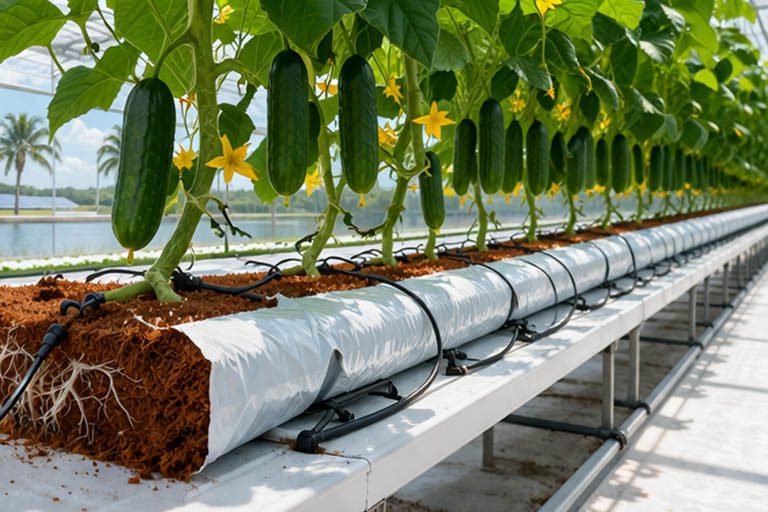
Inspecting your cucumber plants for pests, diseases, and nutrient deficiencies is essential for maintaining plant health in an aquaponic system. Regular monitoring allows you to catch issues early, preventing them from affecting the overall plant growth and fruit production. Pruning your cucumber plants is crucial as it helps with air circulation, reduces the risk of diseases, and promotes better fruit development. Additionally, maintaining optimal lighting levels within your aquaponic setup is vital to support plant growth and increase yields. Implementing trellising techniques is also important as it provides support for the cucumber vines, saves space, and prevents fruit rot in the system. Using natural pest control methods like chili sprays can help deter pests and protect your cucumber plants effectively.
| Plant Care Tips | Description |
|---|---|
| Regular Inspections | Monitor for pests, diseases, and nutrient deficiencies to maintain health. |
| Pruning | Improve air circulation, reduce disease risk, and encourage fruit growth. |
| Optimal Lighting | Maintain proper lighting levels to support growth and maximize yields. |
| Trellising Techniques | Support cucumber vines, save space, and prevent fruit rot in the system. |
| Natural Pest Control | Use methods like chili sprays to deter pests and protect cucumber plants. |
Troubleshooting System Issues
You must diligently monitor water quality to prevent nutrient deficiencies or imbalances that can hinder cucumber growth. Keep a close eye on fish health and behavior as early indicators of potential system issues. Implement effective pest control strategies to safeguard your aquaponic system from harmful infestations.
Water Quality Management
To troubleshoot water quality issues in your aquaponic system, carefully analyze and adjust key parameters like pH, ammonia, nitrites, and nitrates for optimal performance.
- Monitor Water Quality Parameters: Regularly check pH, ammonia, nitrites, and nitrates to maintain a balanced environment for your fish and plants.
- Adjust pH Levels: Keep pH within the range of 6.8-7.2 to facilitate nutrient absorption crucial for plant growth and overall system health.
- Conduct Water Exchanges: Prevent nutrient buildup by exchanging water regularly to ensure a healthy ecosystem for both fish and plants.
- Ensure Proper Oxygen Levels: Maintain adequate aeration to support fish respiration and prevent stress or disease outbreaks.
Nutrient Deficiency Detection
Monitor the plant leaves closely for signs such as yellowing, browning, or stunted growth to identify potential nutrient deficiencies within your aquaponic system. Leaf discoloration, especially yellowing or browning, can be indicative of specific nutrient deficiencies affecting cucumber plants. Conducting regular water quality tests is crucial to spot imbalances that might lead to nutrient deficiencies. Additionally, look for distorted growth patterns in the leaves as they can also signal the type of nutrient deficiency present. Adjusting the pH levels of the water is essential to ensure optimal nutrient absorption by the cucumber plants and prevent deficiency issues. By maintaining proper pH levels and promptly addressing any signs of nutrient deficiencies through appropriate supplementation, you can help your cucumbers thrive in the aquaponic system. If unsure about nutrient deficiency detection or correction methods, don’t hesitate to seek advice from aquaponics experts or agricultural specialists for tailored guidance.
Pest Control Strategies
Implement natural pest control methods like introducing beneficial insects or using neem oil to effectively prevent pest infestations in your aquaponic cucumber system. To tackle pest issues, follow these strategies:
- Regular Inspection: Check cucumber plants regularly for common pests like aphids, spider mites, and whiteflies. Early detection allows for prompt intervention.
- Physical Barriers: Use row covers or sticky traps as physical barriers to deter pests from damaging cucumber plants in the aquaponics system. These barriers can help reduce pest populations.
- Good Hygiene Practices: Maintain good hygiene by promptly removing plant debris and fallen fruits. This practice helps prevent attracting pests and diseases to the cucumber plants.
- Crop Rotation and Companion Planting: Consider rotating crops and implementing companion planting techniques. These methods can naturally repel pests and create a balanced environment for healthy cucumber growth within the aquaponics system.
Harvesting Cucumbers
When harvesting cucumbers in an aquaponic system, ensure they are picked at the desired size of 6-8 inches in length to maintain optimal quality and taste. Use sharp scissors or a knife to cut the cucumbers from the vine, being careful not to damage the plant. Regular harvesting is crucial as it promotes continuous fruit production and prevents cucumbers from becoming overripe and bitter. Once harvested, store the cucumbers in the refrigerator to preserve their freshness for up to a week.
Common Growing Challenges
Maintaining optimal water quality and pH levels is a fundamental consideration when addressing common growing challenges in an aquaponic system for cucumbers. To overcome these challenges effectively, consider the following:
- Water Quality: Regularly test water parameters to ensure proper levels of dissolved oxygen, ammonia, nitrites, and nitrates. Imbalances can stress cucumber plants and hinder growth.
- pH Levels: Monitor pH closely as fluctuations can impact nutrient availability. Aim for a pH range between 5.8 and 6.5 for optimal cucumber growth in aquaponics.
- Nutrient Deficiencies: Conduct routine assessments to identify and correct any nutrient deficiencies promptly. Adjust the aquaponic system’s nutrient solution to provide cucumbers with essential elements for healthy development.
- Temperature Extremes: Install temperature control measures to mitigate extreme fluctuations or high heat. Cucumbers thrive in temperatures between 70-85°F (21-29°C); deviations can lead to stunted growth and poor fruit set.