
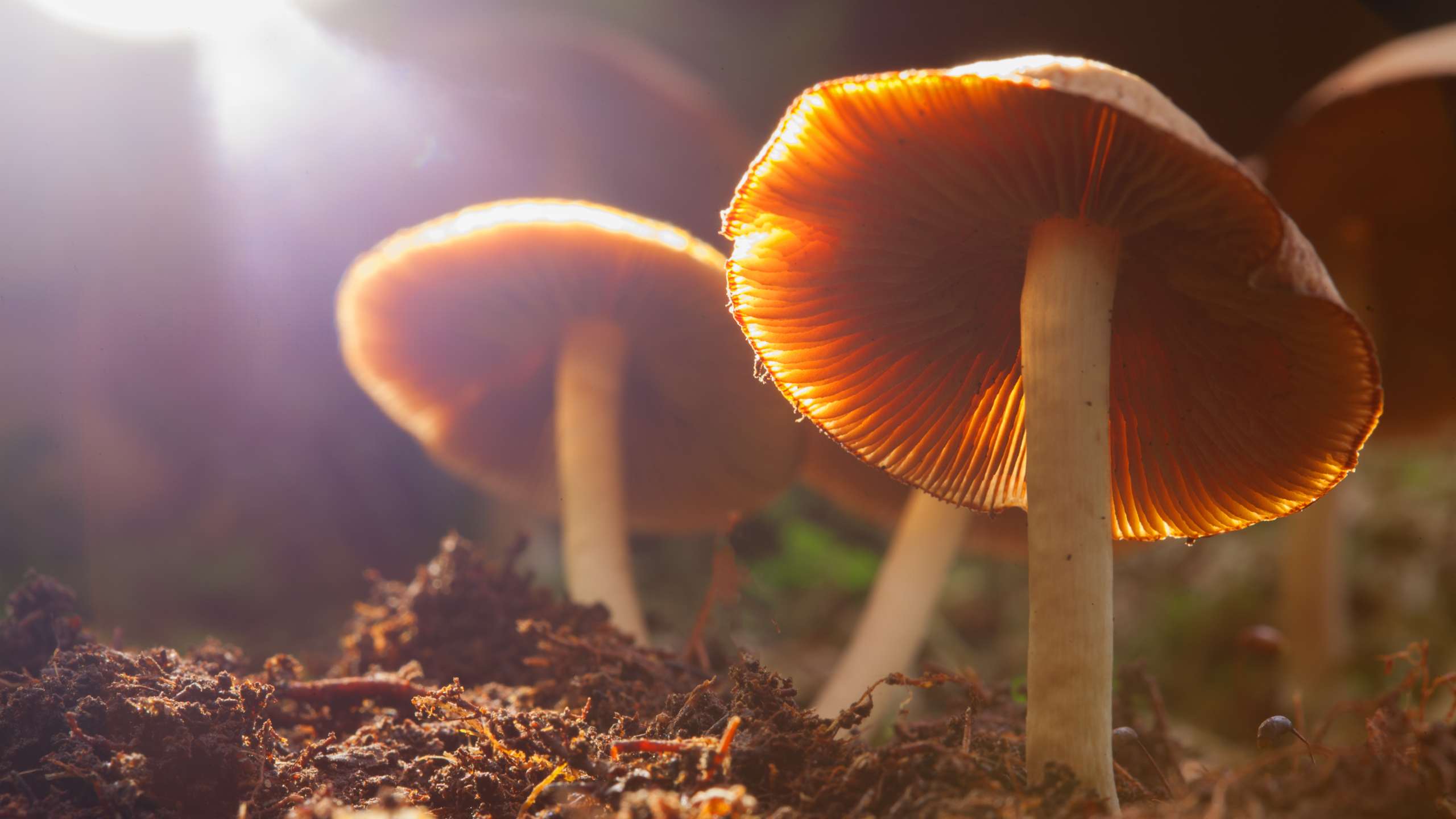
In certain cases, mushrooms do grow in poop because of coprophilous fungi. These unique fungi excel in decomposing animal feces, returning essential nutrients to the ground to enhance soil fertility. Some fungi even survive animal digestive tracts, enriching soil through manure breakdown. This process aids in converting waste into organic material and supports ecosystem productivity. If you want to understand more about the fascinating relationship between mushrooms and poop, further exploration into specific types of animal dung, nutrient recycling, and the benefits of fungi in maintaining ecological balance will provide you with valuable insights.
Coprophilous Fungi: Manure Decomposers
Coprophilous fungi play a crucial role in ecosystem nutrient cycling by decomposing animal feces and enriching soil fertility with organic matter. These specialized fungi have adapted to thrive in environments rich in animal dung, utilizing the nutrients present to support their growth. By breaking down the complex compounds found in feces, coprophilous fungi contribute to the decomposition process, releasing essential nutrients back into the soil for plant uptake.
One fascinating aspect of coprophilous fungi is their ability to enter animals through spores present on vegetation, surviving digestion to germinate in manure. This unique trait allows these fungi to colonize and decompose specific types of animal dung, showcasing their resilience and adaptability to varying environments. For example, some coprophilous fungi exhibit a preference for horse dung due to its acidity, further highlighting the diverse ecological niches these fungi can occupy based on the characteristics of the substrate they colonize.
Fungal Spores and Animal Digestion
Fungal spores, resilient to the harsh conditions of animal digestive tracts, have evolved mechanisms to survive and germinate in feces. This unique adaptation allows certain fungi species to propagate and enrich the soil through the decomposition of animal manure. Understanding the intricate relationship between fungal spores and animal digestion sheds light on the vital role these organisms play in nutrient cycling and ecosystem health.
Spores and Digestive Tracts
Spores of certain mushrooms demonstrate remarkable resilience, surviving the journey through animal digestive tracts to ultimately germinate in fecal matter. Fungal spores, like those of Psilocybe cubensis and Panaeolus spp., are equipped to withstand the harsh conditions of the digestive system. Once excreted in feces, these spores find a nutrient-rich environment to germinate and begin their growth cycle. The presence of coprophilous fungi, which specialize in breaking down fecal matter, aids in the conversion of dung into organic material, enriching the soil in the process.
This unique relationship between fungal spores and animal digestive tracts not only benefits the fungi but also plays a crucial role in ecosystem dynamics. By utilizing feces as a growth medium, certain mushrooms establish a symbiotic bond with the digestive systems of animals, contributing to the decomposition of organic matter and the recycling of nutrients in the environment. This intricate interplay highlights the interconnectedness of different organisms in nature’s web of life.
Fungal Propagation Mechanisms
Surviving the journey through animal digestive tracts, certain fungal spores demonstrate remarkable resilience to ultimately germinate in fecal matter. Fungi play a crucial role in the ecosystem by aiding in the decomposition of organic matter, and coprophilous fungi specifically thrive in animal dung. These fungi have adapted to survive the harsh conditions of the digestive system, allowing their spores to pass through unharmed. Once excreted, these spores germinate in the feces, breaking down the organic material present. Coprophilous fungi are essential for nutrient cycling, as they convert fecal matter into organic material that enriches soil fertility. Some fungal species have evolved to grow exclusively on specific types of animal dung due to varying acidity levels. Through this process, resilient spores on vegetation enter animals, pass through their digestive systems, and colonize the manure, contributing to the vital function of decomposing fecal matter and recycling nutrients back into the environment.
Specificity to Animal Dung Types
Certain mushroom species exhibit a preference for specific types of animal dung for optimal growth and development. Coprophilous fungi, which are fungi that thrive on dung, show a particular affinity for different types of animal excreta such as those from cows, horses, and elephants. For instance, mushrooms like Psilocybe cubensis are commonly found flourishing in cow dung. The reason behind this specificity lies in the varying composition of nutrients and acidity levels present in different types of dung, which directly influence the growth and development of mushrooms. By understanding the relationship between specific mushrooms and the types of dung they thrive in, researchers and cultivators can enhance the success of mushroom cultivation. This knowledge is crucial for creating optimal conditions that mimic the natural environment in which these mushrooms flourish, ensuring healthy growth and sustainable cultivation practices.
Benefits of Fungi in Ecosystems
Fungi play a crucial role in ecosystems by breaking down organic matter and cycling nutrients back into the soil, supporting biodiversity. Coprophilous fungi found in animal manure contribute to soil enrichment and fertility by resilient spores surviving digestion and germinating in the waste. These fungi not only convert feces into valuable organic matter but also exhibit specificity to different types of animal dung based on acidity levels, highlighting their importance in maintaining ecological balance.
Ecosystem Role of Fungi
Ecosystems benefit significantly from the crucial role that fungi play in decomposing organic matter and recycling essential nutrients. Fungi contribute to the balance of ecosystems in various ways:
- Nutrient Recycling: Fungi break down dead plant material and animal waste, releasing nutrients back into the soil for uptake by plants. This process enhances soil fertility and sustains the ecosystem’s productivity.
- Symbiotic Relationships: Certain fungi form symbiotic associations with plants, such as mycorrhizal fungi. These partnerships facilitate nutrient exchange, aiding in plant growth and resilience against environmental stressors.
- Soil Enrichment: Coprophilous fungi, specialized in thriving on animal dung, play a crucial role in converting waste into valuable organic matter. Their presence enriches the soil, promoting healthier plant growth and ecosystem dynamics.
- Spore Resilience: The resilient spores of coprophilous fungi can survive passage through the digestive systems of animals. Once deposited in dung, these spores germinate, further contributing to soil enrichment and ecosystem sustainability.
Biodiversity Support by Fungi
In the intricate web of ecosystems, the biodiversity support provided by fungi through the decomposition of organic matter is fundamental to sustaining the balance and productivity of these environments. Fungi play a crucial role in enhancing biodiversity by breaking down organic matter, including animal manure. Coprophilous fungi, specialized in decomposing feces, recycle nutrients, enrich soil, and support plant growth. Resilient spores of these fungi survive digestion to germinate in nutrient-rich manure, further contributing to ecosystem health. Some fungi species have specifically evolved to thrive on horse dung due to its unique acidity, showcasing the adaptability and diversity within the fungal kingdom. By efficiently decomposing organic matter, fungi facilitate nutrient cycling, which is essential for the growth and survival of various organisms in the ecosystem. The intricate interactions between fungi and their environment highlight the critical role these organisms play in supporting biodiversity and maintaining ecosystem balance.
Nutrient Recycling in Nature
Nutrient recycling in nature involves the vital process of coprophilous fungi converting animal manure into essential organic matter, thereby enhancing soil fertility and sustaining ecological balance. Coprophilous fungi play a crucial role in ecosystem functioning through their unique ability to break down fecal matter. Here’s how this process works:
- Decomposition: Coprophilous fungi specialize in decomposing animal waste, breaking down complex organic compounds into simpler forms that can be utilized by other organisms in the ecosystem.
- Nutrient Enrichment: By decomposing feces, coprophilous fungi release nutrients like nitrogen, phosphorus, and potassium back into the soil, enriching it and promoting plant growth.
- Spore Resilience: The resilient spores of coprophilous fungi can survive the digestive tracts of animals and germinate in the nutrient-rich environment of animal manure, ensuring their continued presence in the ecosystem.
- Ecological Balance: Coprophilous fungi contribute to maintaining ecological balance by recycling nutrients, reducing waste accumulation, and supporting the overall health of the ecosystem.
Adaptability of Coprophilous Fungi
Adapting to diverse environmental conditions, coprophilous fungi demonstrate remarkable versatility in their ability to thrive on a variety of animal manure substrates. These fungi, commonly found on feces, play a crucial role in ecosystem functioning by breaking down organic matter and recycling nutrients back into the soil. Through the process of decomposition, coprophilous fungi convert animal manure into valuable organic material, enriching the soil and enhancing its fertility.
The resilience of coprophilous fungi lies in their spores, which can survive the digestive systems of animals and germinate in fecal matter. This ability allows them to colonize a wide range of manure types, contributing to the breakdown of diverse substrates. Some species of coprophilous fungi even show specificity towards certain types of animal dung, like horse manure, due to its unique acidity levels, highlighting the adaptability and specialization within this group of fungi.
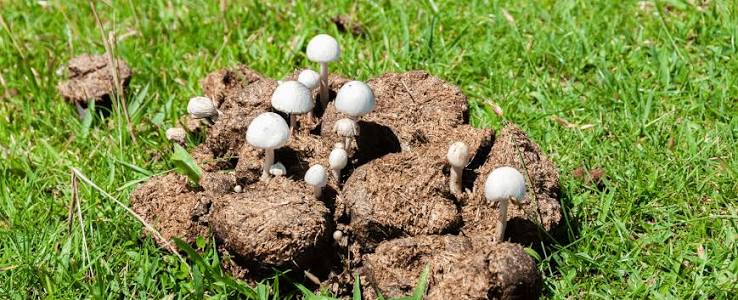
Unique Growth Environment for Mushrooms
Mushrooms, such as Psilocybe cubensis, thrive in the unique environment provided by cow dung due to its low stomach acid content. This fecal habitat offers essential nutrients and a suitable substrate for mushrooms to grow. The combination of low acidity and high nutrients in cow dung creates a favorable setting for certain mushroom species to flourish.
Fungal Fecal Habitats
In fecal habitats, coprophilous fungi exhibit a remarkable capability to thrive and convert animal manure into enriched organic matter. These fungi play a crucial role in the ecosystem by breaking down feces and recycling nutrients. Here are some intriguing facts about fungal fecal habitats:
- Digestion Survivors: Resilient fungal spores pass through the digestive system of animals unharmed and germinate in the fecal matter, contributing to the enrichment of soil fertility.
- Symbiotic Relationships: Certain fungi species establish symbiotic relationships with specific animals like horses or cows, aiding in the decomposition process of their dung.
- Exclusive Growth: Coprophilous fungi enter animal hosts through spores found on vegetation and grow exclusively on specific types of fecal matter, adapting to the unique characteristics of each habitat.
- Acidity Influence: The acidity levels in animal manure play a significant role in determining which fungal species will thrive in the fecal habitat, showcasing the adaptability of these organisms to varying environments.
Nutrient-Rich Substrates
Fungal fecal habitats serve as nutrient-rich substrates where mushrooms can thrive, utilizing the enriched organic matter from animal manure to support their growth. The presence of essential nutrients like nitrogen, phosphorus, and potassium in animal manure creates an ideal environment for mushroom growth. These nutrient-rich substrates provide a fertile medium that enables various mushroom species to flourish. Manure serves as a reservoir of organic materials that decompose over time, releasing vital nutrients that mushrooms require for development. The unique composition of manure offers a diverse array of nutrients, fostering the growth of different types of mushrooms. This rich nutrient content in the substrate plays a crucial role in supporting the metabolic processes of mushrooms, contributing to their overall health and vitality. Ultimately, the nutrient-rich substrates found in fungal fecal habitats create a specialized niche where mushrooms can thrive and proliferate, showcasing the remarkable adaptability of these fungi to utilize diverse environments for their growth.
Edible Mushroom Species in Dung
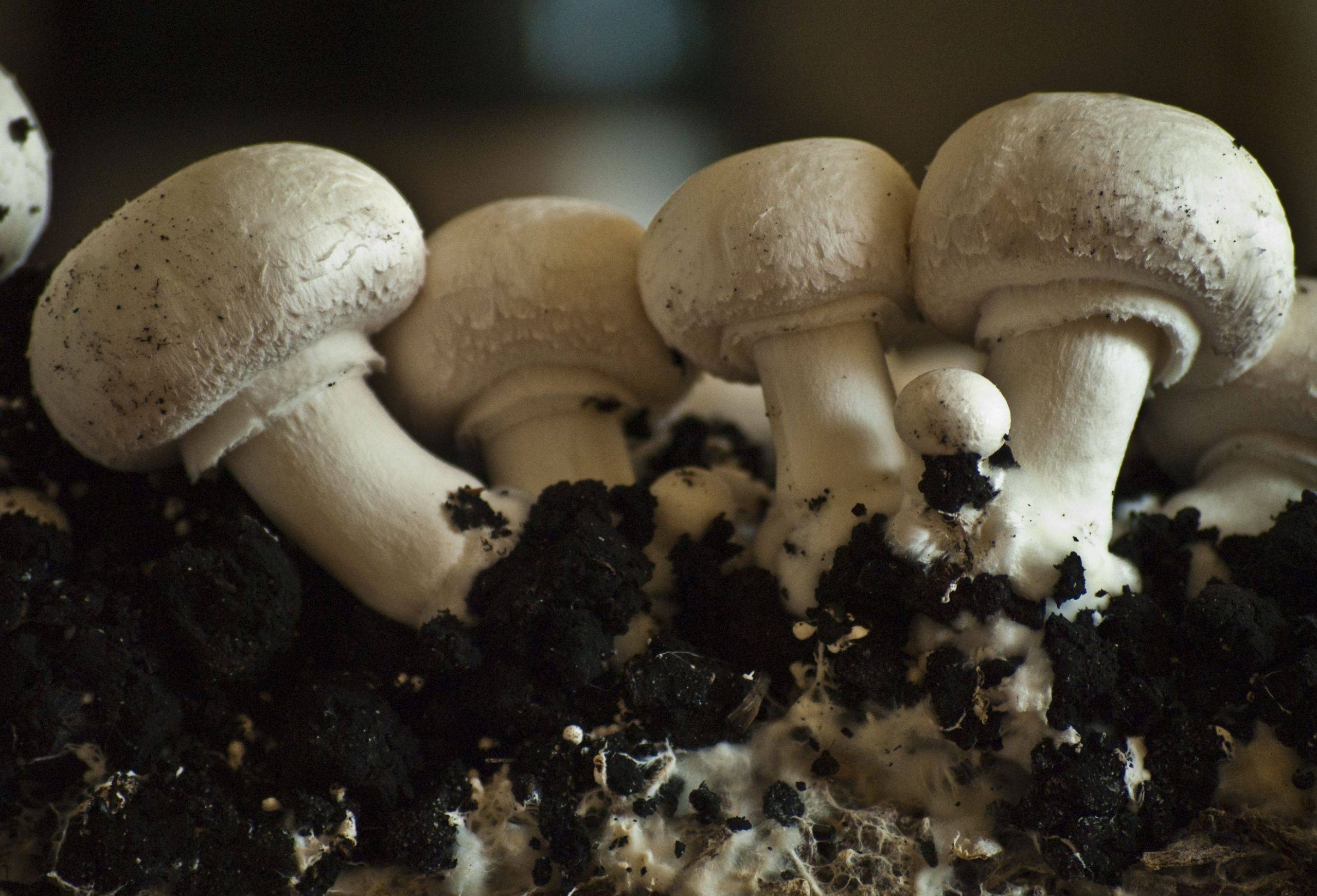
Among the various edible mushroom species that can be found thriving in animal dung are white button, cremini, and horse mushrooms. These mushrooms have adapted to utilize the nutrient-rich environment provided by specific types of animal poop to grow and develop. The symbiotic relationship between these mushrooms and the dung they grow in plays a vital role in their life cycle. Here are some key points to consider regarding edible mushroom species in dung:
- Nutrient Absorption: Edible mushrooms like white button mushrooms absorb essential nutrients from the organic matter present in animal dung to support their growth.
- Environmental Adaptation: Certain edible mushroom species have evolved mechanisms to thrive in the unique conditions offered by different types of animal poop.
- Symbiotic Relationship: The relationship between edible mushrooms and animal dung is mutually beneficial, with the mushrooms benefiting from the nutrients while aiding in the decomposition process of the dung.
- Caution: It is crucial to exercise caution and seek expert guidance when foraging for wild mushrooms in animal manure to ensure safety and proper identification.
Psychedelic Mushroom Varieties
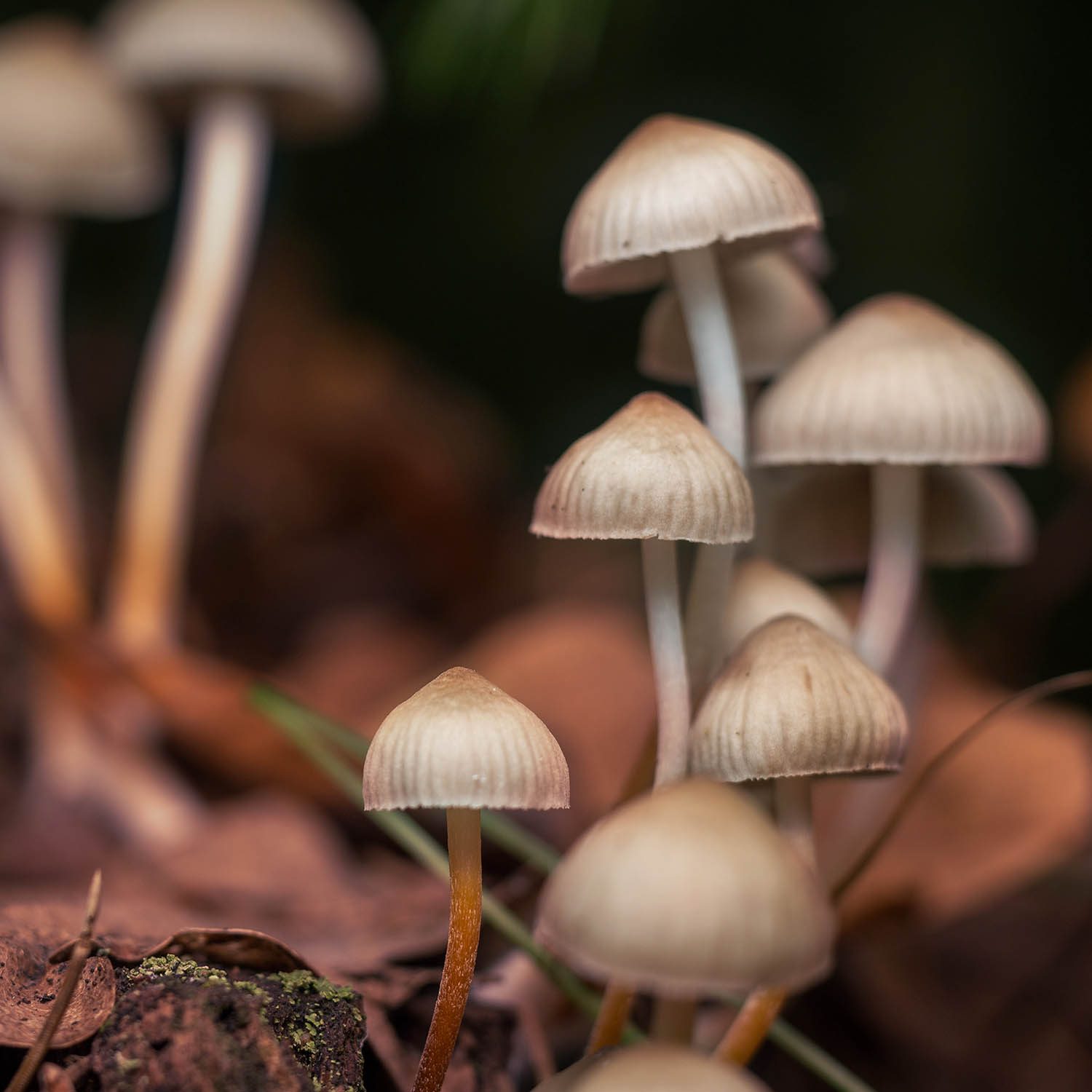
Growing in animal dung, psychedelic mushroom varieties exhibit unique characteristics and adaptations conducive to their development. Psychedelic mushrooms like Psilocybe cubensis, Golden Teacher, Panaeolus spp., Banded Mottlegill, and Blue Meenie are among the varieties that flourish in dung-rich environments. These mushrooms have evolved a symbiotic relationship with animals, utilizing the nutrients present in fecal matter for their growth.
Psychedelic mushrooms contain compounds such as psilocybin and psilocin, which are responsible for their hallucinogenic effects. These compounds act on serotonin receptors in the brain, leading to altered perceptions, thoughts, and emotions when consumed. While some individuals seek out psychedelic mushrooms for recreational or spiritual purposes, it is crucial to exercise caution. Identifying and consuming mushrooms found in poop can be risky, as misidentification may result in ingesting toxic varieties that can cause adverse effects or even be lethal. Therefore, it is essential to consult experts or field guides to ensure safe mushroom foraging practices.
Inedible and Poisonous Fungi
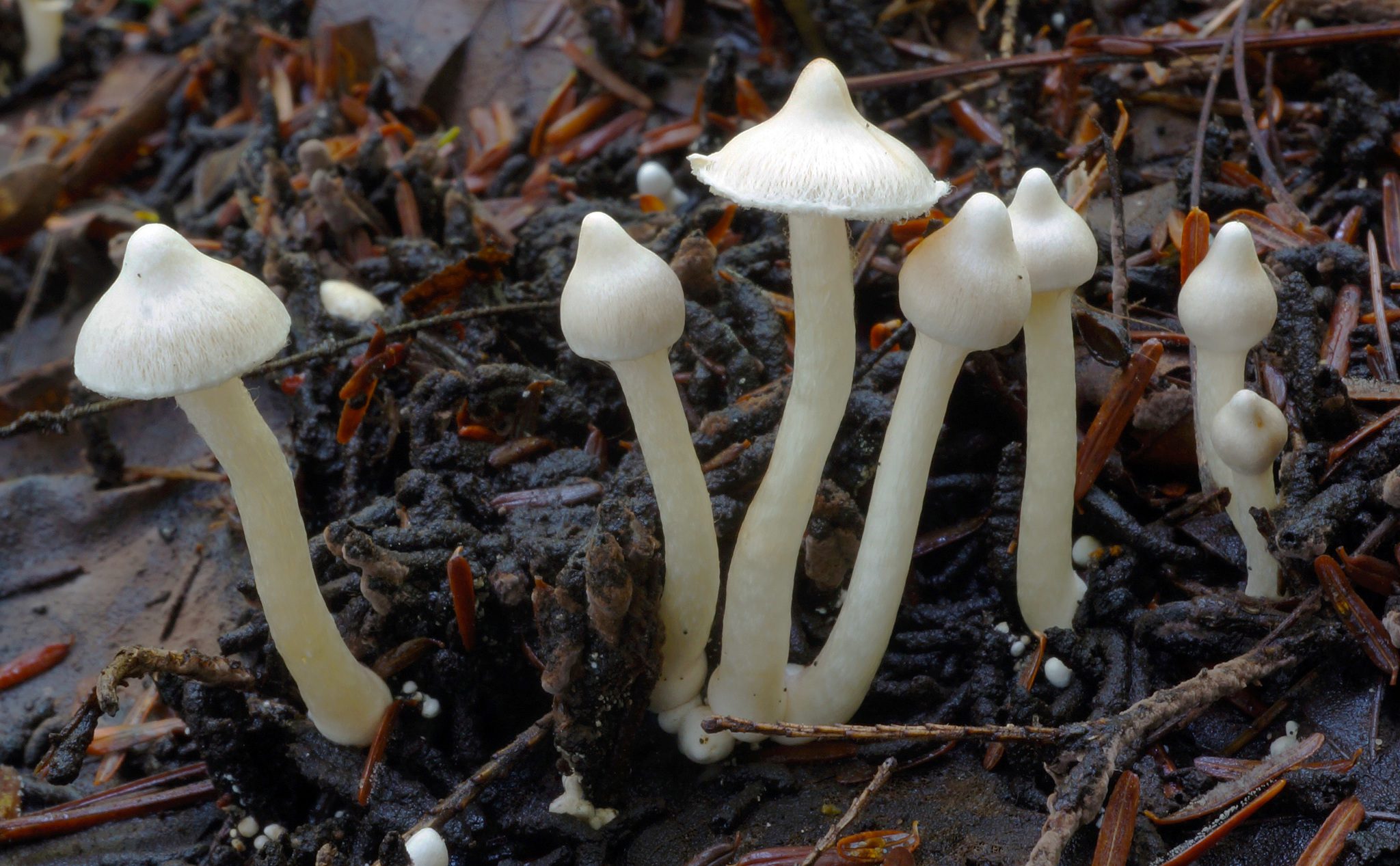
Expert knowledge in mushroom identification is crucial to differentiate between edible and inedible species. When it comes to inedible fungi, they can pose serious health risks if mistaken for edible varieties. Here are some key points to consider:
- Toxicity Concerns: Inedible fungi like Conocybe spp. and Inocybe spp. contain toxins that can lead to severe complications if consumed, emphasizing the importance of accurate identification.
- White Fibercap Hazard: White Fibercap mushrooms are classified as inedible due to their toxicity to humans. Eating these mushrooms can result in adverse effects on health.
- Ecological Significance: Despite being inedible or poisonous to humans, certain mushroom species play crucial roles in ecosystems. They contribute to nutrient cycling and decomposition processes, highlighting their ecological significance.
- Expertise in Identification: Given the potential dangers associated with consuming inedible fungi, having expert knowledge in mushroom identification is essential for distinguishing between safe and harmful species.
Cultivating Mushrooms With Manure
When considering the cultivation of mushrooms with manure, it is imperative to understand the specific types of animal waste that certain mushroom species thrive in. Research has shown that mushrooms can grow successfully in specific types of animal manure, with pasteurization being a critical step for optimal cultivation. Utilizing pasteurized manure is essential in mushroom cultivation to ensure successful growth and to minimize risks associated with harmful bacteria. DIY pasteurization techniques, such as pressure cooking at 240°F for 3-4 hours, have been proven effective in retaining nutrients in the manure while reducing odors post-treatment. Proper pasteurization methods not only promote healthy mushroom growth but also guarantee the safety of the cultivated mushrooms for consumption. By understanding the preferred animal waste for different mushroom species, cultivators can create an optimal environment for mushroom growth, leading to a successful and rewarding cultivation process.