
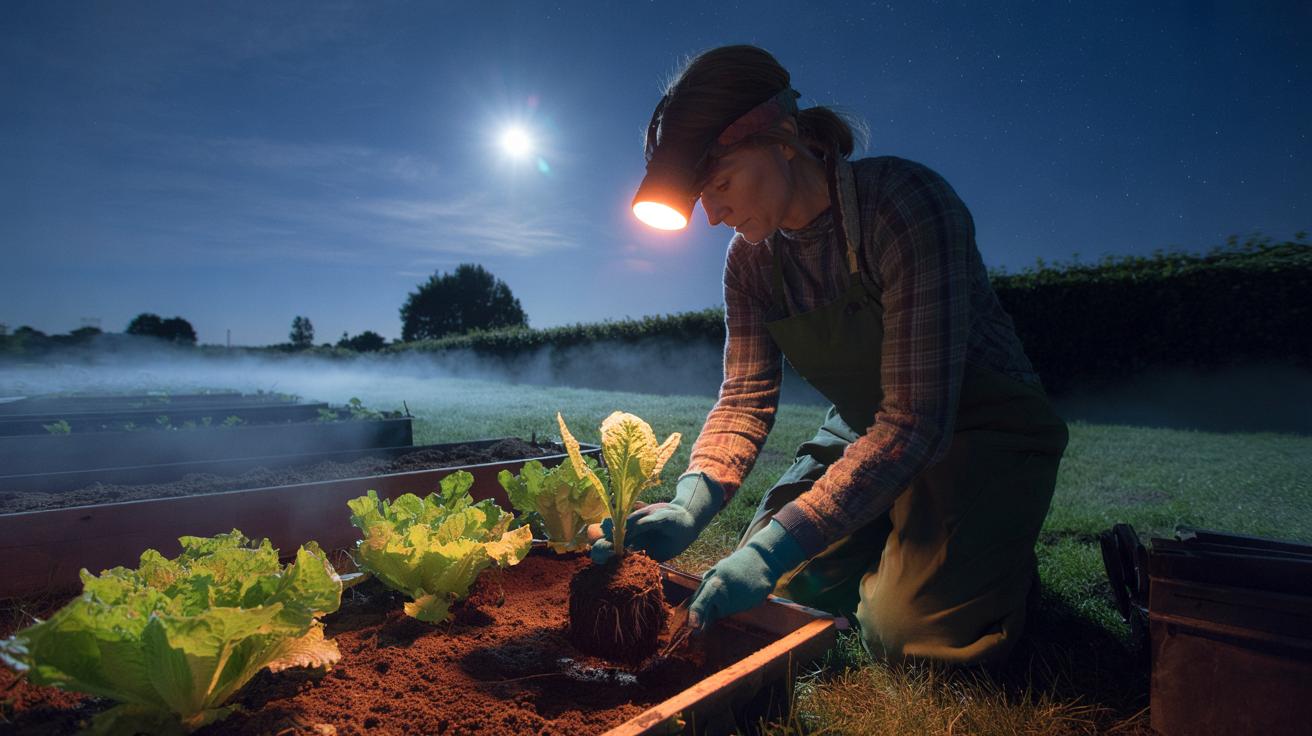
Yes, planting at night can be beneficial for your plants. Cooler temperatures reduce stress, enhance water absorption, and aid in precise planting with artificial lighting. This reduces the risk of sunburn, provides a comfortable environment, and supports optimal growth conditions. Night planting also helps manage pests, reduces water evaporation, and promotes efficient water absorption for healthier plants. Moreover, it supports irrigation systems and enhances plant hydration. By planting at night, you create an ideal setting for successful gardening.
1. Benefits of Planting at Night
Planting at night offers numerous advantages that contribute to the overall health and success of your garden. When engaging in nighttime gardening, you provide cooler temperatures for your plants, which helps reduce stress and promotes better growth. This optimal environment allows for enhanced water absorption by plants without the risk of evaporation that can occur during the heat of the day. Additionally, the use of artificial lighting during nighttime planting sessions can improve visibility and precision, especially when handling delicate or small seeds.
2. Suitable Environment for Health
Nighttime gardening offers an optimal environment for individuals concerned about health issues exacerbated by heat. The cooler temperatures present during nighttime planting can reduce the risk of sunburn and heat-related illnesses. This setting provides a more comfortable and safer atmosphere to engage in gardening activities, potentially benefiting those with heat sensitivity or health concerns.
Ideal Planting Conditions
Creating an optimal environment for plant health involves ensuring suitable conditions for growth and development. When considering ideal planting conditions, night planting offers unique advantages that can contribute to the well-being of your garden.
- Planting at night can provide cooler temperatures, reducing heat stress and promoting healthier growth for newly planted seedlings.
- Night planting allows for better moisture retention in the soil, preventing rapid evaporation and ensuring optimal hydration for young plants.
- The absence of direct sunlight during nighttime planting can minimize transplant shock and help plants establish roots more effectively.
- Cooler nighttime temperatures can also reduce water loss through transpiration, enabling plants to conserve energy and focus on root development.
Health Benefits of Gardening
Optimal gardening conditions can significantly contribute to creating a suitable environment for promoting health benefits, particularly in relation to individuals with specific health considerations. Engaging in gardening activities, whether during the day or at night, can offer various health benefits that positively impact both physical and mental well-being. Here are some key health benefits of gardening:
| Health Benefits of Gardening |
|---|
| 1. Cooler Environment for Health Issues |
| 2. Improved Visibility for Visual Impairments |
| 3. Effective Pest Management |
| 4. Efficient Water Absorption |
| 5. Water Conservation Efforts |
Nighttime gardening, with its cooler temperatures, can offer a comfortable setting for individuals with health issues to partake in gardening without being overwhelmed by the heat. Additionally, the use of artificial lighting enhances visibility for those with visual impairments, enabling active participation. Moreover, planting at night aids in identifying and managing pests effectively, ensuring optimal plant health. The reduced evaporation rate during nighttime watering not only promotes efficient water absorption by plants but also supports water conservation efforts, making night gardening a sustainable and health-promoting practice.
3. Artificial Lighting for Visibility
When considering artificial lighting for visibility in nighttime gardening, it is crucial to focus on lighting for plant growth. Understanding the different types of grow lights available can help you choose the most suitable option for your garden. By selecting the right lighting, you can ensure optimal conditions for your plants to thrive even during nighttime gardening sessions.
Lighting for Plant Growth
Artificial lighting plays a crucial role in providing the necessary light spectrum for promoting plant growth and development in nighttime gardening scenarios. LED grow lights are efficient options for supplementing light in indoor or outdoor nighttime gardens. These lights mimic natural sunlight, providing a full spectrum for optimal plant development and flowering. Proper placement and duration of artificial lighting are essential to prevent light stress or damage to plants. Smart lighting systems offer automated light cycles, ensuring consistent and effective plant growth during nighttime planting. When setting up artificial lighting for nighttime gardening, consider the specific light spectrum needed for the plants you are growing, ensuring they receive adequate light for photosynthesis and growth. By choosing the right type of artificial lighting and implementing it correctly, you can create an environment where plants thrive even during nighttime hours.
Types of Grow Lights
LED grow lights emit specific wavelengths beneficial for plant growth, making them an energy-efficient choice for indoor gardening. When choosing the right grow lights for your indoor garden, understanding the different types available is crucial. Here is a breakdown of some common types of grow lights used in indoor gardening:
| Type of Grow Light | Description |
|---|---|
| LED | Energy-efficient, emits specific wavelengths for plant growth. |
| High-Pressure Sodium | Provides a balanced spectrum ideal for flowering plants. |
| Metal Halide | Suitable for vegetative growth with a blue spectrum. |
| Compact Fluorescent | Cost-effective but may require more fixtures for coverage. |
Each type of grow light has its advantages and is suited for different stages of plant growth. Consider factors such as energy efficiency, light spectrum, and coverage area when selecting the most suitable option for your indoor garden. Mimicking the natural world’s light cycles through proper grow lights can greatly enhance your plant’s development and overall health.
4. Managing Bug Problems Effectively
Enhance your bug management efficiency during nighttime gardening by utilizing the optimal visibility to monitor and address pest populations effectively. Nighttime bug monitoring offers a unique opportunity to observe and tackle various insect-related challenges. Here are some strategies to help you manage bug problems effectively:
- Scout for Specific Pests: Utilize the enhanced visibility at night to search for pests like slugs, snails, and other nocturnal insects that may be damaging your plants.
- Heightened Awareness of Encounters: Be alert for encounters with pests such as ticks, which are more active during the nighttime, to prevent potential issues.
- Observe Nocturnal Insect Activity: Monitoring nocturnal insect behavior can provide insights into their habits and help in implementing proactive measures against bug infestations.
- Utilize Artificial Lighting: Incorporating artificial lighting in your garden can aid in spotting and addressing bug problems efficiently, making it easier to manage pest populations during nighttime gardening sessions.
5. Reducing Water Evaporation
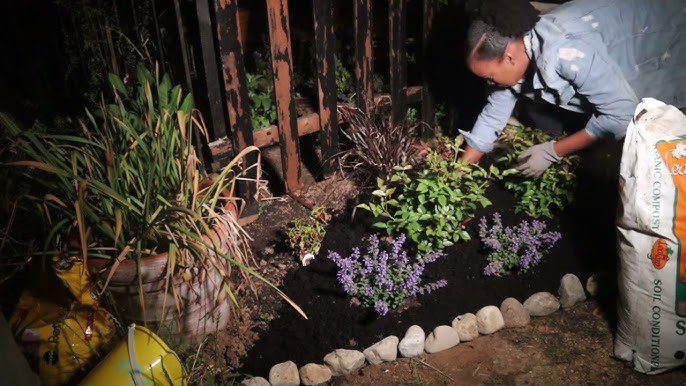
Utilize the benefits of watering plants at night to effectively reduce water evaporation rates and optimize plant hydration levels for improved growth and health. Watering your plants during the night helps to lower water evaporation, which can be significant during the hotter parts of the day. By reducing evaporation, more water is available for the plants to absorb, leading to better hydration levels. This is particularly important in warm weather conditions when plants may require more water to stay healthy. Additionally, decreased evaporation during nighttime watering aids in retaining soil moisture, ensuring a more consistent level of hydration for your plants.
Nighttime watering not only benefits your plants but also promotes water conservation by minimizing wastage. By watering at night, you can ensure that the water you provide is utilized efficiently by the plants, without losing it to evaporation during the daytime. This conservation measure helps in maintaining a sustainable watering routine while supporting the overall health and growth of your garden.
6. Promoting Efficient Water Absorption
Watering your plants at night facilitates optimal water absorption due to the cooler temperatures that reduce evaporation rates, enabling plants to efficiently uptake moisture for improved hydration and growth. This practice supports efficient water absorption, benefiting plant health in several ways:
- Enhanced Hydration: Plants absorb water more effectively during nighttime, leading to better hydration and increased growth.
- Minimized Water Loss: Avoiding daytime watering helps prevent water loss through evaporation, maximizing the amount of water taken in by plants.
- Root Absorption: Nighttime watering allows roots to absorb moisture more efficiently, supporting overall plant health by ensuring adequate hydration.
- Water Conservation: Efficient water absorption at night can contribute to reduced water usage and conservation efforts in gardening, promoting sustainability in plant care practices.
7. Supporting Irrigation Systems
Night planting supports irrigation systems by facilitating optimal water penetration into the soil without immediate evaporation in cooler temperatures. This practice enhances the efficiency of watering by allowing plants to absorb moisture effectively, reducing the frequency of watering needed during the daytime. By supporting irrigation systems through night planting, the moisture levels in the soil can be maintained at an optimal range for the health and growth of plants. Additionally, planting at night can significantly improve the effectiveness of drip irrigation systems, as it minimizes water loss due to evaporation. This method not only conserves water but also ensures that plants receive an adequate amount of hydration. The combination of night planting and proper irrigation systems can promote root development and overall plant hydration, contributing to the successful growth and vitality of your garden or crops. Remember, supporting irrigation systems through night planting is a strategic way to optimize water usage and enhance plant health.
8. Enhancing Plant Hydration
Enhancing plant hydration is crucial for ensuring optimal growth and development in plants. Nighttime watering plays a significant role in improving plant hydration, especially during hot and dry conditions. Here are some key points to consider:
- Efficient Water Absorption: Watering plants at night allows them to absorb water more efficiently due to cooler temperatures and reduced evaporation.
- Reduced Water Loss: Nighttime watering minimizes the risk of water loss through evaporation, ensuring that plants receive the necessary hydration.
- Prevention of Evaporation: Cooler evening temperatures prevent rapid water evaporation, enabling plants to effectively take in moisture.
- Root Health Promotion: Proper hydration at night supports healthy root growth, benefiting overall plant hydration and development.