
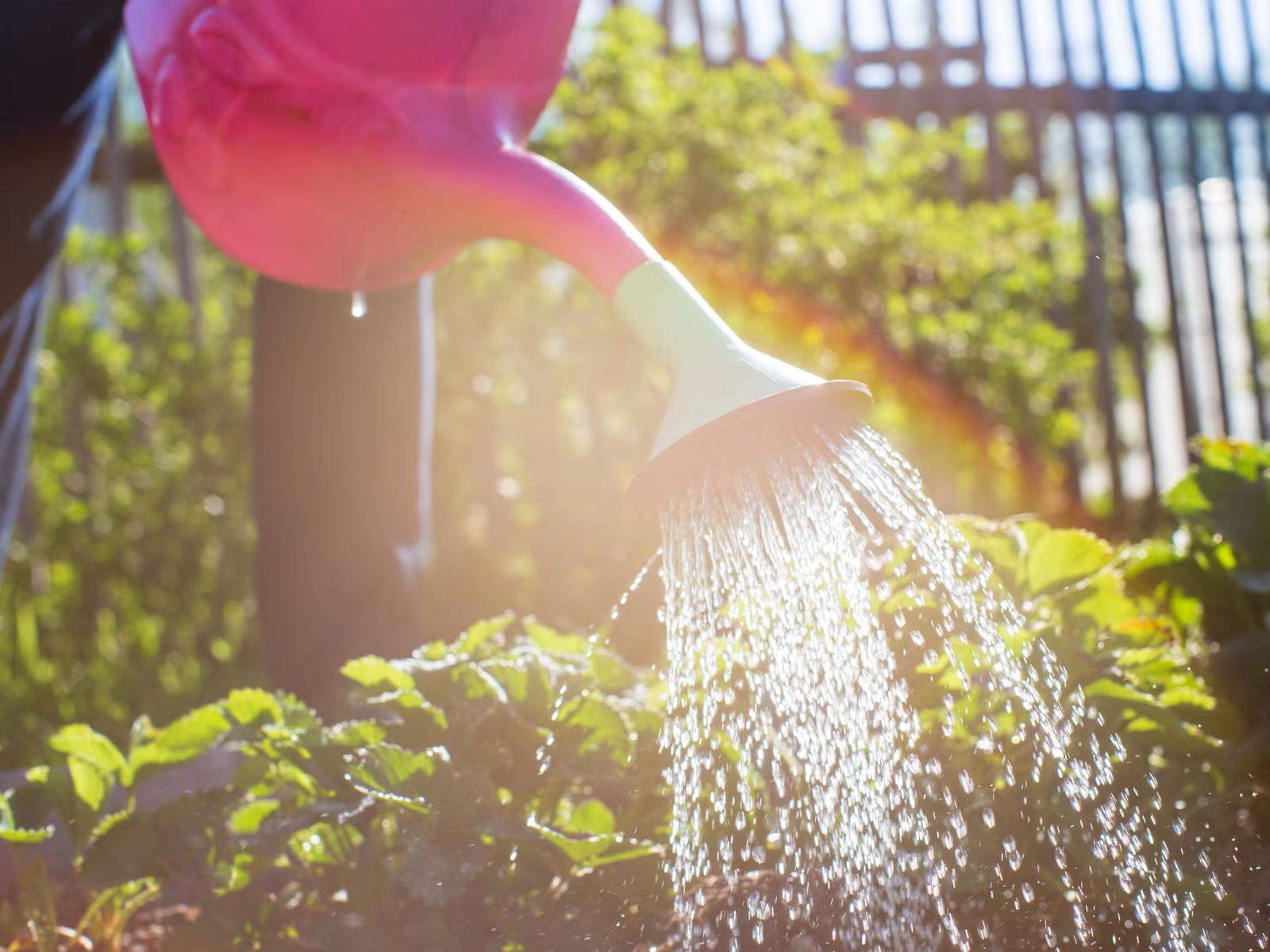
Before using hot water on plants, know that some plants, like sensitive ferns, can react poorly. Hot water may scald roots, causing dehydration and harming soil microbes. Delicate leaves can get burnt, affecting photosynthesis. Use lukewarm water to prevent shock and aid nutrient absorption. Be mindful of moisture loss and potential dehydration from excessive heat. Consider effects on soil health, as hot water can disrupt microbial activity. Customize watering for potted plants based on pot size and drainage. Opt for rainwater over tap water for healthier plants. Follow best practices by watering at the plant base, in the morning or evening.
1. Plant Sensitivity to Hot Water
Do certain plants react negatively to hot water? Yes, some plants, such as sensitive ferns and hydrangeas, can be adversely affected by hot water. Hot water, when used on plants, can scald their roots, leading to significant damage, especially if the temperature of the water is too high. Additionally, plants with delicate foliage may experience burns if hot water is applied directly to their leaves. Considering the sensitivity of certain plant species to temperature changes is crucial before utilizing hot water for watering or treatment purposes. It is essential to exercise caution when using hot water on plants to avoid causing stress, damage, or potential death to the vegetation. Understanding the specific needs and tolerances of different plant species towards heat can help prevent any negative consequences that may arise from the application of hot water during plant care routines.
2. Effects on Plant Roots
Certain plants can be negatively impacted by hot water, particularly when it comes to the effects on their roots. Plant roots are essential for the overall health and growth of plants, making it crucial to understand the potential consequences of using hot water. When plant roots are exposed to hot water, they can suffer from scalding or burning, leading to root dehydration and impairing their ability to absorb nutrients from the soil. The sensitivity of plant roots to temperature changes means that hot water can induce stress and ultimately cause plant decline. Additionally, prolonged exposure to hot water can harm beneficial soil microbes that support plant health. Using excessively hot water on plant roots may result in severe damage to the root system, impeding the plant’s growth and overall well-being. Therefore, it is vital to be cautious and avoid using hot water that could harm the delicate balance of the plant roots and soil ecosystem.
3. Risk of Scalding Leaves
When using hot water on plants, be cautious of the risk of scalding leaves. Hot water can harm delicate leaf tissues, causing irreversible damage and hindering photosynthesis. To prevent leaf scalding, focus on applying hot water carefully to the root zone and avoiding direct contact with the leaves.
Leaf Sensitivity to Heat
Avoid exposing plant leaves to hot water, as it can lead to scalding and damage. When hot water droplets persist on the foliage, scalding leaves can occur, resulting in heat stress, wilting, and browning. Additionally, direct contact with hot water can harm the protective waxy layer on leaves, making them more susceptible to damage.
To prevent leaf sensitivity to heat, consider the following:
- Gently Water at the Base: Direct hot water at the base of the plant rather than spraying it over the leaves.
- Use Lukewarm Water: Opt for lukewarm water instead of hot water to avoid scalding the leaves.
- Time Watering Appropriately: Water plants during cooler times of the day to minimize heat stress on the leaves.
- Inspect for Residual Water: Ensure no hot water droplets remain on the leaves after watering to prevent scalding and potential damage.
Preventing Leaf Damage
To prevent leaf damage from scalding, always apply hot water directly to the root zone of the plant. When using hot water for irrigation, it’s crucial to be mindful of the water temperature to avoid harming the delicate leaves of your plants. Directing the hot water at the base of the plant not only prevents scalding but also ensures that the water reaches the roots where it’s needed most. By focusing on the root zone, you minimize the risk of burns, browning, and tissue damage that can occur when hot water comes into direct contact with the leaves. Remember that scalding leaves can lead to reduced photosynthesis and overall plant stress, impacting the health and vitality of your greenery. By being cautious with water temperature and application, you can effectively prevent leaf damage and promote the well-being of your plants.
4. Water Temperature Guidelines
When watering your plants, remember that the ideal water temperature is generally around room temperature to prevent harm to their roots and leaves. While tropical plants might appreciate slightly warmer water, avoid using hot water as it can cause damage. Prevent cold water shock, especially for plant roots, by keeping the water temperature within the recommended range.
Ideal Water Temperature
What is the ideal water temperature for most plants to prevent root damage and stress? Generally, most plants thrive when watered with room temperature water. Here are some key points to consider when determining the ideal water temperature for your plants:
- Room temperature water: Maintaining water at room temperature is beneficial to prevent root damage and stress for most plant species.
- Tropical plants: While tropical plants may appreciate slightly warmer water, it is crucial to avoid using hot water as it can harm the roots.
- Cold water shock: Adjust the water temperature based on the specific needs of your plant to prevent cold water shock.
- Plant sensitivity: Different plants have varying levels of sensitivity to water temperature, so consider this factor when deciding on the ideal temperature for watering.
Impact on Plant Health
How does water temperature impact the overall health of plants, and what are the guidelines to consider for optimal growth? The temperature of water you use can have a significant impact on your plant’s health. Most plants prefer room temperature water as extremes can cause root damage and stress. While tropical plants may benefit from slightly warmer water, it’s crucial to avoid using hot water that can harm sensitive roots. Cold water shock should also be avoided, especially for plants that are more sensitive. It’s essential to consider each plant’s individual needs when determining the ideal water temperature for optimal growth. Monitoring how your plants respond to different water temperatures can help you adjust and optimize their health and growth. By understanding the impact of water temperature on plants and following these guidelines, you can ensure that your plants thrive and stay healthy.
5. Moisture Loss and Dehydration
Excessive heat from hot water can accelerate moisture loss in plants, leading to dehydration. When considering using hot water on your plants, it’s vital to be aware of the potential risks associated with moisture loss and dehydration. Here are some key points to keep in mind:
- Dehydration from hot water can cause wilting and yellowing of leaves, indicating stress on the plant.
- Rapid moisture loss due to hot water can impede the plant’s ability to take up essential nutrients, affecting its overall health.
- Dehydrated plants are more vulnerable to diseases, pests, and environmental factors, compromising their resilience.
- To prevent dehydration, it’s crucial to ensure that the water temperature is appropriate for the specific plant species and adjust your watering routine accordingly. By being mindful of these factors, you can help maintain the health and vitality of your plants when using water for irrigation.

6. Importance of Lukewarm Water
Using lukewarm water when watering your plants is essential for maintaining their health and promoting optimal growth. Water that is lukewarm helps prevent shock to plants by closely matching their internal temperature, reducing the risk of stress and damage. It allows for better nutrient absorption, enabling plants to thrive and develop strong roots. Lukewarm water is particularly beneficial for root health, as it minimizes the chances of root damage that could occur with hot water. Additionally, using lukewarm water can help avoid promoting fungal growth in the soil, creating a healthier environment for your plants to grow in. This temperature range is especially important for plants sensitive to extreme temperatures, as it reduces the likelihood of wilting and other stress-related issues. By incorporating lukewarm water into your plant care routine, you are providing a stable and nurturing environment for your plants to flourish.
7. Hot Water and Soil Health
Hot water can play a significant role in influencing soil health and its impact on plant growth. When considering hot water treatments for your plants, it’s crucial to understand how this practice can affect the soil ecosystem. Here are some key points to keep in mind:
- Hot water can help eliminate soil-borne pests and pathogens, promoting healthier soil for plant growth.
- Using hot water in soil can disrupt microbial activity, impacting nutrient cycling and plant health.
- Excessive use of hot water can lead to soil compaction and dehydration, affecting root development.
- Hot water treatments can alter soil structure, potentially reducing water infiltration and drainage.
8. Potted Plants Considerations
When it comes to potted plants, remember that container size matters for proper root growth and development. Ensure good drainage to prevent waterlogging, which can lead to root rot and other issues. Adjust your watering frequency according to your plant’s specific needs to maintain optimal health.
Container Size Matters
Consider the size of the container when caring for potted plants to ensure proper watering and plant health. The container size plays a significant role in how often you should water your plants and the overall well-being of your green friends. Here are some crucial points to keep in mind:
- Larger pots with small plants: Larger pots can hold more moisture, which means you may need to water less frequently, especially if the plant is small.
- Small pots with large plants: Smaller pots tend to dry out faster, so larger plants in small pots may require more frequent watering to keep them hydrated.
- Proper drainage: Ensure that your pots have proper drainage holes to prevent waterlogging and root rot, which can be detrimental to your potted plants’ health.
- Check soil moisture: Regularly check the soil moisture to gauge when your plants need watering. Adjust your watering schedule based on the container size and the plant’s specific water needs.
Drainage Is Crucial
Proper drainage is a critical factor to keep in mind when caring for potted plants, especially when considering the use of hot water. Adequate drainage is essential to prevent waterlogging and root rot in potted plants. Ensure your pots have drainage holes to allow excess hot water to escape and avoid drowning the roots. Standing water in pots can create stagnant conditions that attract pests and promote disease. Good drainage not only prevents these issues but also promotes oxygen flow to the roots and prevents soil compaction. To optimize plant health when using hot water, use a well-draining potting mix combined with proper drainage. Remember, maintaining good drainage in your potted plants is crucial for their overall well-being and longevity. By ensuring effective drainage, you can help your plants thrive even when utilizing hot water in your watering routine.
Watering Frequency Tips
Maintain an appropriate watering schedule for potted plants based on their size and pot dimensions to ensure optimal soil moisture levels. When it comes to watering frequency for potted plants, consider the following tips:
- Larger plants in pots require more frequent watering than smaller plants.
- Small pots may need to be watered twice a day to maintain soil moisture.
- Customize watering frequency based on the size of the plant and pot.
- Ensure proper drainage to prevent overwatering and root rot in potted plants.
To water plants effectively, it’s essential to strike a balance between providing enough moisture without drowning the roots. Overwatering can lead to suffocated roots and other issues, so it’s crucial to tailor your watering routine to the specific needs of your potted plants. Remember to water your plants in the morning or evening to help them absorb water more efficiently and reduce evaporation during the hottest parts of the day.
9. Tap Water Vs. Rainwater
When deciding between tap water and rainwater for your plants, consider the potential impact of each on plant health and growth. Tap water contains minerals, chlorine, and fluoride that may harm sensitive plants, while rainwater is chemical and chlorine-free, making it ideal for plant health. Rainwater also contains beneficial minerals and trace elements that tap water may lack, helping to nourish plants without disrupting soil pH levels. Plants such as Calathea and Maranta, sensitive to tap water, may thrive better with rainwater due to its purity and mineral content. To help you understand the differences better, here is a comparison between tap water and rainwater:
| Aspect | Tap Water | Rainwater |
|---|---|---|
| Chemicals | Contains chlorine and fluoride | Free from chemicals like chlorine |
| Mineral Content | May lack beneficial minerals and trace elements | Rich in beneficial minerals and trace elements |
| Impact on Plant pH | Can disrupt soil pH levels | Helps maintain soil pH levels stable |
10. Best Practices for Watering Plants
To ensure optimal plant health and growth, water your plants following these best practices.
- Water plants in the morning or evening: Reduce evaporation and help with root absorption by watering at these times.
- Water the soil directly at the base of the plant: Prevent fungal diseases and scorched spots on leaves by avoiding wetting foliage.
- Ensure proper drainage: Avoid over-watering by allowing excess water to drain out of bottom holes.
- Check soil moisture before watering again: Prevent waterlogging and plant stress by ensuring the soil needs watering.