
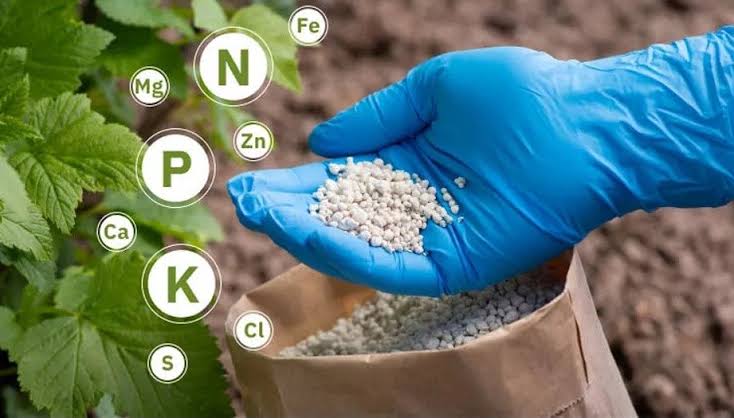
In summer, you’ll want to opt for slow-release, low-nitrogen fertilizers to prevent lawn stress and burns. Make sure to incorporate potassium-rich options, which enhance drought resistance and plant disease immunity. It’s crucial to understand whether your lawn comprises cool-season or warm-season grasses, as their nutrient needs differ significantly during the hotter months. Applying your fertilizer during cooler periods of the day and ensuring even coverage can further protect your lawn. Regular soil tests will help tailor your approach, ensuring you don’t over-fertilize. Explore more nuanced tips that could tremendously boost your lawn’s summer performance.
Understanding Summer Fertilization
To ensure your lawn stays healthy through the hot months, it’s crucial to adjust your fertilization strategy, particularly by moderating nitrogen use and incorporating essential micronutrients like iron.
Summer fertilizer practices differ significantly based on your grass type. Cool-season grasses, such as fescue and bluegrass, are particularly sensitive to excessive nitrogen during summer heat, which can lead to rapid, weak growth and increased susceptibility to diseases. In contrast, warm-season grasses like Bermuda and zoysia demand a calculated approach to nitrogen to support their growth peak in summer.
Understanding the specific needs of your grass type is vital. For instance, slow-release nitrogen formulas are preferable for cool-season grasses in the summer to prevent sudden spurts of growth that can stress the grass. Meanwhile, warm-season types benefit from regular, balanced feeding that supports consistent growth without overwhelming the grass.
Additionally, summer stresses such as high temperatures and drought conditions make micronutrients like iron even more crucial. Iron helps in chlorophyll production, which is vital for the photosynthesis process, keeping your lawn greener and healthier looking without promoting excessive growth.
Tailor your summer fertilizer approach based on these principles, and you’ll maintain a robust, vibrant lawn throughout the season.
Benefits of Seasonal Fertilizing
Understanding your lawn’s needs allows you to reap the benefits of seasonal fertilizing. Maintaining a lush, dense turf that resists weeds and diseases effectively is crucial when you focus on summer lawn care. Using the best lawn fertilizer becomes crucial during the hotter months when your grass faces intense heat and potential drought conditions, making it vulnerable to stress and damage.
By choosing a fertilizer with a low-nitrogen content specifically formulated for summer use, you’re helping to prevent the burn and stress that can occur with high-nitrogen products.
Seasonal fertilizing not only enhances the green, healthy appearance of your turf but also fortifies it against the invasion of undesirable grasses and weeds. This preventive measure significantly reduces the risk of soil erosion. Furthermore, a well-fertilized lawn is better equipped to recover from any turf damage it has endured.
Applying the right nutrients during the summer supports robust growth and ensures that your lawn remains a vibrant, inviting space. It’s not just about aesthetics; it’s about creating an environment where your turf can thrive despite the challenges posed by the season.
Identifying Your Lawn Type
To optimize your summer lawn care, you’ll first need to identify your lawn type. Assessing the soil type and understanding the climate impacts on your area are critical steps before choosing the right fertilizer strategy. Familiarize yourself with common grass varieties to ensure you’re applying the correct nutrients and care techniques for your specific lawn.
Common Grass Varieties
Identifying your lawn’s grass variety, such as Kentucky Bluegrass, Turf Type Tall Fescue, Bermuda, or St. Augustine, is essential for selecting the most effective summer fertilizer.
Kentucky Bluegrass, a cool-season grass, thrives in cooler temperatures but requires careful management during the hotter months. You’ll need to apply nitrogen cautiously to avoid stressing the grass, which can lead to damage or disease.
Meanwhile, Turf Type Tall Fescue, another cool-season variety, is known for its drought tolerance and deep rooting, which makes it slightly more forgiving during the summer heat.
Understanding these grass types’ growth patterns and maintenance needs is key to optimizing your lawn care routine. For instance, while Kentucky Bluegrass might need a lighter, more frequent fertilization schedule to maintain its lush, vibrant color without burning, Tall Fescue benefits from a more stable, controlled-release fertilizer that supports its growth without overwhelming it during summer’s peak.
Soil Type Assessment
Assess your lawn’s soil type by examining the pH, texture, and drainage characteristics to select the most effective summer fertilizer. It’s essential to understand these elements as they significantly influence how well nutrients are absorbed and utilized by your grass during the hot months. Starting with a soil test can provide a clear picture of what your lawn specifically needs. This test reveals the current pH level and the nutrients that are deficient, guiding you to a more informed choice.
Different soils, such as clay, sandy, or loamy, have unique needs. Clay soil, for instance, holds nutrients well but may suffer from poor drainage, making specific types of fertilizer more suitable to ensure that water and nutrients don’t just sit at the surface. Sandy soils, on the other hand, drain quickly but can leach essential nutrients, requiring a fertilizer that can help retain these nutrients longer. Loamy soil, being an ideal mix, mightn’t need as heavy adjustments but still benefits from a tailored approach to maintain its balance.
Through soil type assessment, you’ll be able to pick a summer fertilizer that not only addresses nutrient deficiencies but also complements your soil’s natural characteristics, promoting a healthier, more resilient lawn throughout the season.
Climate Impact Considerations
Understanding whether your lawn consists of cool-season or warm-season grasses is crucial, as each type responds differently to summer’s harsh conditions and requires specific fertilization strategies. Identifying your lawn type not only helps in selecting the right nutrients but also in managing water usage and adapting to the increased summer heat.
Here’s how you can determine and address the needs of your lawn:
- Identify Your Grass Type: Cool-season grasses (like bluegrass and fescue) thrive in cooler temperatures and may become stressed during hot months. Warm-season grasses (such as Bermuda and zoysia) excel in heat but require different nutrient formulations.
- Assess Summer Stress Factors: Consider how summer heat and limited water availability affect your specific lawn type. Cool-season grasses will need careful fertilization to avoid nitrogen overload, which can lead to further stress and damage.
- Choose the Right Fertilizer: For cool-season types, opt for fertilizers with lower nitrogen content during summer. Warm-season grasses can benefit from a balanced blend that supports growth during their peak growing season.

Importance of Potassium
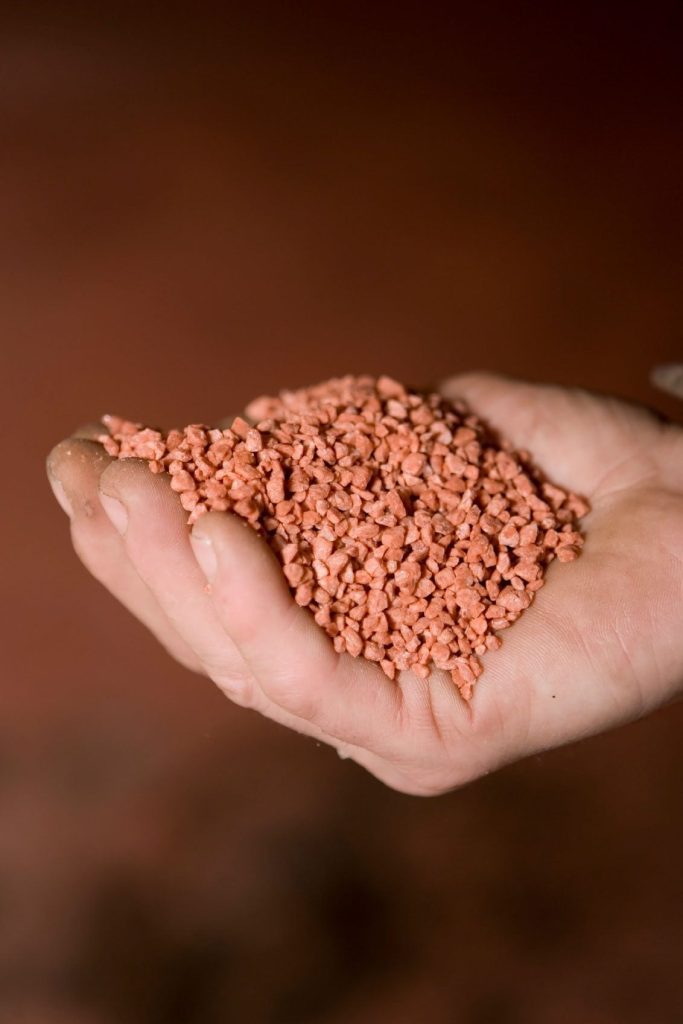
As you consider your summer lawn care, it’s important to recognize how potassium significantly boosts drought resistance. This nutrient enhances your plants’ ability to absorb water and essential nutrients, making them more resilient against heat and dry conditions.
Additionally, a good supply of potassium in your fertilizer mix can strengthen plant disease immunity, keeping your lawn robust and healthy throughout the hotter months.
Potassium Boosts Drought Resistance
Potassium in summer fertilizers plays a crucial role in boosting your lawn’s drought resistance by enhancing water uptake and retention. This essential nutrient ensures that your grass doesn’t just survive the heat but thrives during those long summer days.
By helping your lawn maintain moisture, potassium reduces the need for frequent watering, saving you time and conserving water resources.
To maximize the benefits of potassium in your summer lawn care routine, consider these practical steps:
- Test Your Soil: Before applying any fertilizer, it’s crucial to test your soil to understand its current potassium levels. This will guide you in choosing the right fertilizer with the appropriate potassium content.
- Select the Right Fertilizer: Opt for a fertilizer that offers a balanced mix of nutrients, including a higher potassium ratio during the summer months. This balance supports overall lawn health and aids in drought resistance.
- Regular Application: Apply potassium-rich fertilizer according to the recommended schedule. Over-application can lead to nutrient imbalances, so stick to the guidelines provided on the product label or by a lawn care professional.
Enhancing Plant Disease Immunity
Beyond aiding in drought resistance, potassium also strengthens your lawn’s defense against diseases such as brown patch and dollar spot. This vital nutrient plays a crucial role in enhancing plant disease immunity by toughening the cell walls, which act as barriers against pathogens.
When you include potassium-rich fertilizers in your summer lawn care routine, you’re not just feeding your grass; you’re fortifying it against common adversaries.
Potassium’s role doesn’t stop at surface strength; it also enhances overall plant vigor, making your lawn robust and more capable of withstanding disease pressure. Adequate levels of this nutrient ensure that your plants can manage better under the high stress of summer temperatures, which often exacerbate vulnerability to infections.
Moreover, a deficiency in potassium can weaken your lawn’s immune system, making it an easy target for fungal and bacterial diseases. It’s essential you maintain proper potassium levels to prevent such weaknesses.
Remember, healthy plants with balanced nutrient uptake are less likely to succumb to diseases and can recover faster if they do get sick.
Incorporating a potassium-focused fertilizer isn’t just a precaution; it’s a proactive strategy to keep your lawn lush, healthy, and resilient all summer long.
Nitrogen Needs in Summer
During the summer, your lawn requires less nitrogen to prevent stress and avoid burns. Unlike spring when your grass thrives on higher nitrogen levels for lush growth, summer’s harsh conditions mean you’ve got to adjust your approach.
Overfeeding nitrogen can lead to scorched spots, as the intense heat makes it tough for grass to process high nitrogen levels.
Here’s how to manage your lawn’s nitrogen needs effectively in summer:
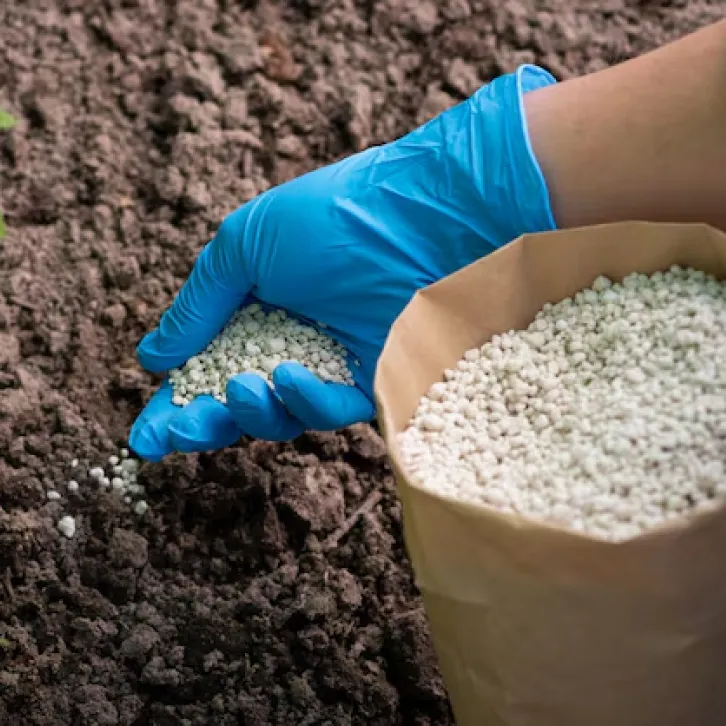
- Reduce Nitrogen Quantities: Apply less nitrogen than you’d in cooler seasons. Consider fertilizers specifically formulated for summer use, such as the Lawnifi Summer Fertilizer Box, which offers a balanced nutrient mix without excess nitrogen.
- Time Your Applications: Apply nitrogen during cooler periods of the day, ideally late evening or early morning. This reduces the risk of nitrogen burn, as the cooler temperatures help the soil absorb the fertilizer more effectively.
- Choose the Right Product: Look for summer fertilizers that contain slow-release nitrogen. These products gradually release nitrogen, preventing overwhelming your lawn with a sudden surge that could cause damage during hot weather.
Micronutrients for Stress Resistance
While managing nitrogen is important, don’t overlook the role of micronutrients like iron, magnesium, and zinc, which bolster your grass’s resistance to summer stress. These micronutrients are pivotal, not just supplementary, in ensuring your lawn remains resilient and healthy during the challenging high temperatures and potential drought conditions typical of summer.
Iron is crucial for chlorophyll production, which not only keeps your grass looking lush and vibrant but also enhances its capacity to withstand heat stress. It’s like giving your lawn a shield against the scorching sun.
Similarly, magnesium is vital for enzyme function. This nutrient helps drive the metabolic processes that fortify your grass against stress, ensuring it can efficiently perform photosynthesis, even under duress.
Zinc plays a significant role in supporting root development and overall plant health. Strong roots are fundamental for your lawn to access water and nutrients deep in the soil, which is especially critical in dry spells. By facilitating better root growth, zinc ensures your grass can endure prolonged periods of heat and minimal rainfall.
Incorporating a balanced blend of these micronutrients in your summer fertilizer strategy offers comprehensive support, enhancing stress resistance and maintaining the vigor and health of your lawn.
Organic Vs. Synthetic Fertilizers
When you’re choosing between organic and synthetic fertilizers, the composition of each plays a crucial role in their effectiveness and impact.
Organic options typically foster long-term soil health and lower environmental risks, whereas synthetic types offer rapid nutrient availability but can harm soil structure with repeated use.
Understanding these differences alongside specific application techniques will ensure you make the best choice for your garden’s sustainability and productivity this summer.
Composition Differences
Source and Nutrient Release:
Organic fertilizers originate from natural materials like compost or animal manure. They release nutrients slowly, reducing the risk of overfeeding and burn. This slow release also means they provide a steady supply of nutrients throughout the season.
In contrast, synthetic fertilizers are made from chemical compounds and provide a quick boost of nutrients to your lawn. However, this rapid release can lead to nutrient runoff and might require more frequent applications.
Soil Health:
Regular use of organic fertilizers improves soil structure and increases microbial activity. This enhancement in soil health promotes better nutrient absorption, benefiting your lawn long-term. Synthetic fertilizers, while effective at feeding your plants, don’t contribute to soil health and may, over time, degrade soil quality if used excessively.
Application Frequency:
Due to their nature, organic fertilizers generally require fewer applications compared to synthetic options. The slow nutrient release from organics ensures a longer-lasting effect, while synthetics might need reapplication to maintain nutrient levels, especially in fast-draining soils during summer.
Choose wisely based on your lawn’s specific needs and local climate conditions.
Environmental Impact
Organic fertilizers reduce environmental impact significantly compared to synthetic options, due to their natural composition and slower nutrient release. When you choose organic, you’re opting for products that naturally integrate into the ecosystem, enhancing soil structure and water infiltration. This approach not only minimizes runoff but also reduces the risk of nutrient leaching into nearby water bodies, a common issue with synthetic fertilizers.
Furthermore, organic fertilizers are pivotal in promoting a thriving soil microbiome. The organic matter present in these fertilizers supports microbial diversity that aids in nutrient cycling, improving long-term soil fertility and structure. By using organic options, you’re fostering soil that retains more carbon and nutrients, which gradually releases them to plants. This slow-release mechanism prevents the sudden influx of nutrients that often leads to environmental degradation and is frequent with synthetic fertilizers.
On the other hand, synthetic fertilizers, while effective in providing immediate nutrient boosts, often necessitate more frequent applications. This not only increases your effort and the cost involved but also heightens the risk of over-application, leading to severe environmental repercussions such as algal blooms in local waterways.
Application Techniques
You’ll find that applying organic fertilizers requires a different technique than synthetic ones due to their composition and nutrient release rates. When using organic options, the goal is to enhance the soil structure and increase microbial activity. This means the benefits extend beyond just nutrient supply.
In contrast, synthetic fertilizers are all about precision and immediate results, especially with quick-release formulas designed for rapid uptake by your plants.
Here are three key application techniques to consider:
- Method of Application: For organic fertilizers, broadcasting by hand or with a spreader and then incorporating them into the soil through light tilling is effective. Synthetic fertilizers often require more precise application, typically using a spreader to ensure even coverage and prevent burning of the lawn.
- Timing: Apply organic lawn fertilizer during early spring or fall when microbial activity can maximize nutrient breakdown and uptake. Synthetic, quick-release fertilizers are best applied in small doses; avoid hot midday sun which can enhance the risk of burning the grass.
- Watering: After applying organic fertilizer, water your lawn lightly to help nutrients seep into the soil. For synthetic fertilizers, especially quick-release types, watering thoroughly is crucial to help dissolve and distribute nutrients effectively, reducing the risk of lawn damage.

When to Fertilize in Summer
To ensure your lawn thrives throughout the harsh summer conditions, start fertilizing in early summer. This initial feeding strengthens your grass, preparing it to withstand the heat and promoting vigorous growth. In regions like the South, where summers can be particularly brutal, it’s crucial to follow up with additional fertilizer applications every 6-8 weeks.
Using the right product is key for summer lawn care. For example, Scotts® Green Max™ Lawn Food is recommended for mid-summer applications in the South. In the North, consider Scotts® Turf Builder® SummerGuard® Lawn Food with Insect Control, which not only feeds the lawn but also protects it from pests.
Here’s a handy table to guide your fertilizing schedule:
| Region | Recommended Product | Timing |
|---|---|---|
| South | Scotts® Green Max™ Lawn Food | Early and Mid-Summer |
| North | Scotts® Turf Builder® SummerGuard® Lawn Food with Insect Control | Early and Late Summer |
How Much Fertilizer to Apply
Now that you know when to fertilize, let’s determine how much fertilizer your lawn actually needs this summer. Choosing the right amount of lawn fertilizer for summer is crucial to maintain a healthy, lush green carpet without the risk of burning it or underfeeding it.
Here are three essential steps to follow:
- Read the Product Instructions:
Always start by checking the manufacturer’s guidelines on the fertilizer packaging. Products vary, and the recommendations provide a good baseline on how much fertilizer to apply, usually expressed in pounds of nitrogen per 1,000 square feet.
2. Calculate Your Lawn’s Area:
You’ll need to know your lawn’s total area to apply the correct amount of fertilizer. Measure the length and width of your lawn and multiply these figures to get the square footage. This measurement determines how much product you’ll actually need to use.
3. Adjust as Needed:
Consider your lawn’s existing health and growth rate. If it’s particularly lush and growing well, you might opt to apply slightly less than recommended. Conversely, a struggling lawn may benefit from the higher end of the recommended range, but always be cautious to avoid over-fertilization which can damage your grass.
Techniques for Even Application
When it comes to applying summer fertilizer, selecting the right tool is crucial for even distribution.
You’ll need to adjust your spreader settings precisely, ensuring consistency in application rates that match the needs of your lawn.
Employing techniques like crisscross spreading patterns can prevent uneven coverage and promote a healthier, more vibrant lawn.
Selecting Proper Spreading Tools
Selecting the right spreading tools, like a broadcast spreader, ensures your fertilizer is evenly distributed across the lawn. The type of spreader you choose can make a big difference in how effectively and efficiently you can apply fertilizer, especially during the hot summer months when plants are in dire need of nutrients.
Here are the key considerations for picking and using a spreader:
- Type of Spreader: Choose a broadcast spreader for larger lawns as it disperses fertilizer over a wide area. This will help you cover more ground quickly and with less effort.
- Calibration: Before you start, calibrate your spreader according to the specific type and amount of fertilizer you’re using. This step ensures that you’re applying the right amount evenly across your lawn, preventing both underfeeding and wasteful overfeeding.
- Pace Consistency: Maintain a steady pace while walking with the spreader. A consistent speed avoids dumping too much fertilizer in one spot and too little in another, which can lead to uneven growth and potential lawn damage.
Pattern Consistency Techniques
To achieve even distribution of fertilizer across your lawn, mastering pattern consistency techniques is essential. Ensuring that you overlap your spreader passes is one of the simplest yet most effective methods to prevent missed spots and uneven nutrient absorption. It’s all about the path you take—each pass should slightly overlap the previous one, typically by about 5-10 inches, depending on your spreader’s width.
Walking at a steady pace is vital. If you rush or slow down intermittently, you’ll end up with a patchy application. The fertilizer needs to be spread uniformly, and maintaining a consistent speed helps achieve that. It’s like painting a masterpiece—you wouldn’t rush the brush strokes, would you?
Regular maintenance of your spreaders also plays a crucial role. Before each use, check that the spreader is functioning correctly and make any necessary adjustments. A well-maintained spreader ensures accurate and efficient fertilizer application, supporting the uniform growth and health of your lawn.
Adjusting Application Rates
You’ll need to adjust application rates carefully to ensure the fertilizer spreads evenly across your lawn, optimizing nutrient absorption and preventing growth irregularities. Accurately calculating the right amount of fertilizer per square footage is crucial. Not only does this practice help in achieving a lush, healthy lawn, but it also prevents the potential hazards of over or under-fertilization.
Here are three practical steps to ensure you’re adjusting application rates correctly:
- Calculate Your Lawn’s Area: Measure the total square footage of your lawn. This measurement is essential to determine the amount of fertilizer needed. Use a reliable yard measure or digital mapping tool for accuracy.
- Follow Fertilizer Guidelines: Each type of fertilizer comes with recommended application rates, usually specified in pounds per square footage. Stick to these guidelines to avoid applying too much or too little, which could harm your lawn.
- Use a Calibrated Spreader: Invest in a quality spreader and calibrate it according to the manufacturer’s instructions. Calibration ensures that the spreader releases the right amount of fertilizer evenly across the lawn. Regular checks and adjustments might be necessary to maintain accuracy throughout the season.

Watering After Fertilization
Watering thoroughly after fertilizing is essential to activate the nutrients and safeguard your lawn against burns. When you water your lawn, it’s crucial to ensure that the water penetrates deeply enough to reach the grass roots. This deep watering not only activates the fertilizer but also helps it seep into the soil, maximizing its effectiveness and minimizing the risk of nutrient runoff.
Adequate watering involves applying about 1 inch of water. This depth ensures that the moisture reaches the root zone where it’s most needed. By doing so, you’ll help the roots absorb the nutrients efficiently, promoting a healthier, more resilient lawn throughout the hot summer months.
To get the most out of your watering efforts, aim to water early in the morning. This timing reduces water loss due to evaporation and gives the grass ample time to absorb the nutrients during the cooler parts of the day. Moreover, early morning watering helps distribute the nutrients evenly, preventing the concentration of fertilizer in one spot, which can lead to lawn burn.
Signs of Over-Fertilization
Understanding the signs of over-fertilization, such as yellowing or browning grass, is crucial for maintaining a healthy lawn. If you’re noticing these issues, it’s likely that your lawn is suffering from nutrient overload. This can’t only detract from the beauty of your yard but also weaken your grass, making it more susceptible to diseases and pests. Here’s what you should look out for:
- Yellowing or Browning Grass: This is often the first sign of over-fertilization. Grass blades may start to yellow or brown at the tips and edges, indicating they’re receiving more nutrients than they can absorb.
- Excessive Top Growth: Over-fertilization can cause your grass to grow too quickly at the expense of root development. This results in a lush, green top that looks healthy but is actually unstable and weak.
- Increased Thatch Buildup: Thatch is a layer of organic matter between the living grass and the soil. Over-fertilization boosts the growth of the grass’s above-ground parts, which contributes to a faster accumulation of thatch. This can prevent water and nutrients from reaching the roots effectively.
To avoid these problems, it’s important to adjust your fertilizer application rates and timing. Remember, more isn’t always better when it comes to fertilizing your lawn.
Lawn Care During Drought
During a drought, selecting a summer fertilizer that enhances deep root growth and improves soil water retention is essential for maintaining a healthy lawn. You’ll want to opt for a slow-release fertilizer that provides balanced nutrients. This type of fertilizer not only supports your lawn under drought stress but also reduces the need for frequent watering, preserving precious water resources.
When choosing your summer fertilizer, consider using products rich in potassium. Potassium plays a crucial role in enhancing drought tolerance by helping your grass cope with heat and water scarcity. It strengthens the grass’s ability to withstand hot conditions and makes it more resilient against disease and pests.
Also, adjust your fertilization schedule. It’s vital to minimize applications during periods of drought. Over-fertilizing can lead to nutrient runoff and may harm your lawn more than help it. Aim for minimal but essential fertilization to keep your lawn healthy without overwhelming it.
Alternatives to Chemical Fertilizers
If you’re seeking a more sustainable approach to nourish your lawn this summer, consider using organic fertilizers like compost, manure, or fish emulsion. These natural options don’t just feed your lawn; they enhance soil structure, boost microbial activity, and build plant resilience, setting the stage for a thriving garden without synthetic chemicals.
Here are three practical choices to consider for your summer lawn care:
- Compost: Rich in nutrients, compost gradually releases nitrogen, phosphorus, and potassium into the soil, improving its health and water retention capabilities.
- Fish Emulsion: This fast-acting liquid fertilizer is high in nitrogen, which is essential for leafy growth. It’s especially effective when your lawn needs a quick nutrient boost during the hot summer months.
- Bone Meal: Slow to break down, bone meal is an excellent source of phosphorus, vital for root development. It’s particularly beneficial in the early stages of summer when roots are actively expanding.
Switching to organic fertilizers not only supports your summer lawn care by providing essential nutrients in a more natural form, but also reduces runoff pollution and promotes a healthier, more biodiverse ecosystem.

Maintaining Lawn Health
To maintain your lawn’s health throughout the hot summer months, it’s crucial to choose a fertilizer with the right balance of essential nutrients like nitrogen, phosphorus, and potassium. These elements are the backbone of a robust lawn program, helping your grass endure seasonal turf stresses such as high temperatures and limited rainfall.
Proper summer fertilization isn’t just about maintaining a vibrant green color; it’s about building a resilient turf that can withstand the challenges of the season. Applying the right formula will ensure that your lawn not only survives but thrives, preventing unsightly weed invasions and promoting denser, healthier growth.
Here’s a quick guide to the nutrient ratios ideal for summer lawn care:
| Nutrient | Function | Recommended Ratio |
|---|---|---|
| Nitrogen | Promotes leaf growth & greenness | 3-1-2 |
| Phosphorus | Supports root development | 1-2-1 |
| Potassium | Enhances stress resistance | 2-1-3 |