
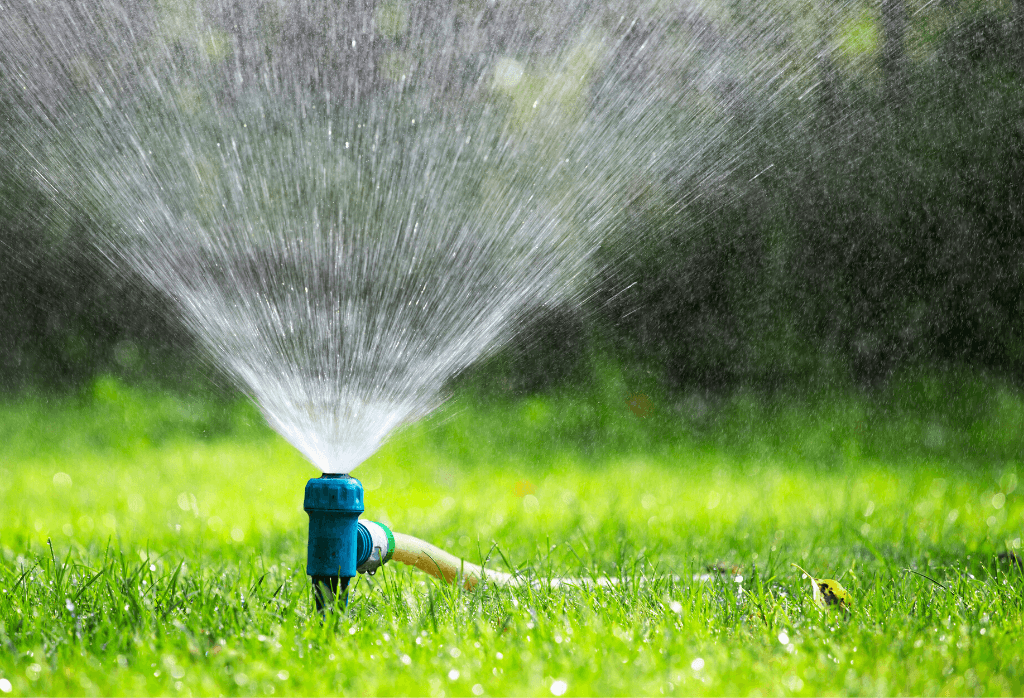
To water your grass effectively, start early in the morning before 10 a.m. to minimize evaporation and reduce disease risk. Aim to saturate your lawn to a depth of six inches, encouraging deep root growth. Use a soil moisture meter or a simple screwdriver to check water penetration and adjust your watering frequency based on the soil type—sandy soils demand more frequent watering, whereas clay soils retain moisture longer. Install an automated timer on your sprinkler system to ensure consistent watering. With the right techniques, you’ll promote a lush, healthy lawn prepared for varying weather conditions. There’s much more to discover about maintaining vibrant grass.
Understanding Grass Types
To optimize your lawn’s health, it’s crucial to understand that different grass types, such as Kentucky bluegrass and Ryegrass, have specific water needs tailored to their unique characteristics. These needs vary primarily due to their physiological and anatomical adaptations, which influence how they absorb and retain moisture.
For instance, cool-season grasses, including Kentucky bluegrass, typically thrive in cooler temperatures and may require more frequent watering during periods of hot weather to maintain their lush, green appearance.
Conversely, Ryegrass, another cool-season variety, is known for its quick germination and growth rates, demanding consistent moisture to support its rapid development.
Delving deeper into water requirements, grass types like Tall Fescue and Canada bluegrass are more drought-tolerant. Their root systems are often deeper, allowing them to access moisture from deeper soil layers, which reduces their surface water dependency. Understanding these specific needs is essential to optimize watering practices, ensuring that you’re not over or under-watering your lawn.
Choosing grass types that are well-suited to your local climate also enhances water efficiency. This strategic selection minimizes wastage and supports sustainable lawn maintenance, aligning your gardening efforts with environmental conservation principles.
Best Watering Times
Understanding the specific watering needs of your grass type sets the stage for discussing when it’s most effective to water your lawn. Timing is crucial to ensure the water you apply benefits your grass the most while preventing potential problems. The best Time of Day to water is undoubtedly in the morning, ideally before 10 a.m. Morning watering allows the grass to absorb water efficiently, minimizing evaporation due to the lower temperatures and less intense sunlight.
Here’s a quick reference table to guide you:
| Time of Day | Benefits |
|---|---|
| Before 10 a.m. | Minimizes evaporation, maximizes absorption |
| 4 p.m. – 6 p.m. | Reduces risk of fungal diseases, ensures grass dries before nightfall |
| After 8 p.m. | Not recommended – increases risk of diseases due to moisture |
Evening watering, specifically between 4-6 p.m., can also be effective. This timing allows the water to reach the roots without the risk of overnight moisture, which can lead to fungal diseases. Consistency in these practices not only promotes a healthier lawn but also establishes a routine that supports the natural growth cycle of your grass, ensuring it remains lush and vibrant.
Proper Sprinkler Setup
To optimize your lawn’s health, it’s crucial you select the right sprinkler system that matches the specific dimensions and shape of your grassy area.
You’ll need to position your sprinklers strategically to achieve uniform water coverage, ensuring no area is left dry or overly saturated.
Adjusting the height and reach of each sprinkler head also minimizes evaporation and maximizes water penetration into the soil.
Choosing the Right Sprinkler
Your lawn’s size and shape dictate the best sprinkler type, ensuring optimal coverage and water distribution. For an effective watering system, you must choose a sprinkler that matches your lawn’s dimensions and configuration. This ensures even coverage and efficient use of water, reducing waste and promoting healthy grass growth.
Here’s how you can set up your sprinkler system correctly:
- Assess your lawn size and shape: Measure the area of your lawn to determine the coverage needed. Different sprinklers suit different shapes and sizes, such as rectangular or circular areas.
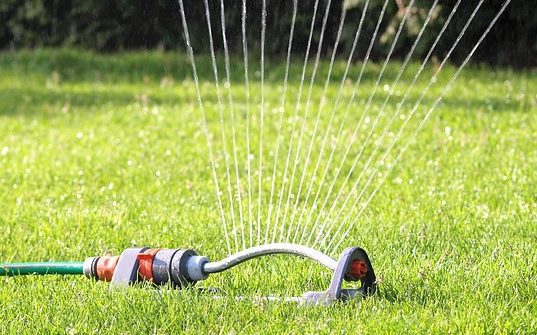
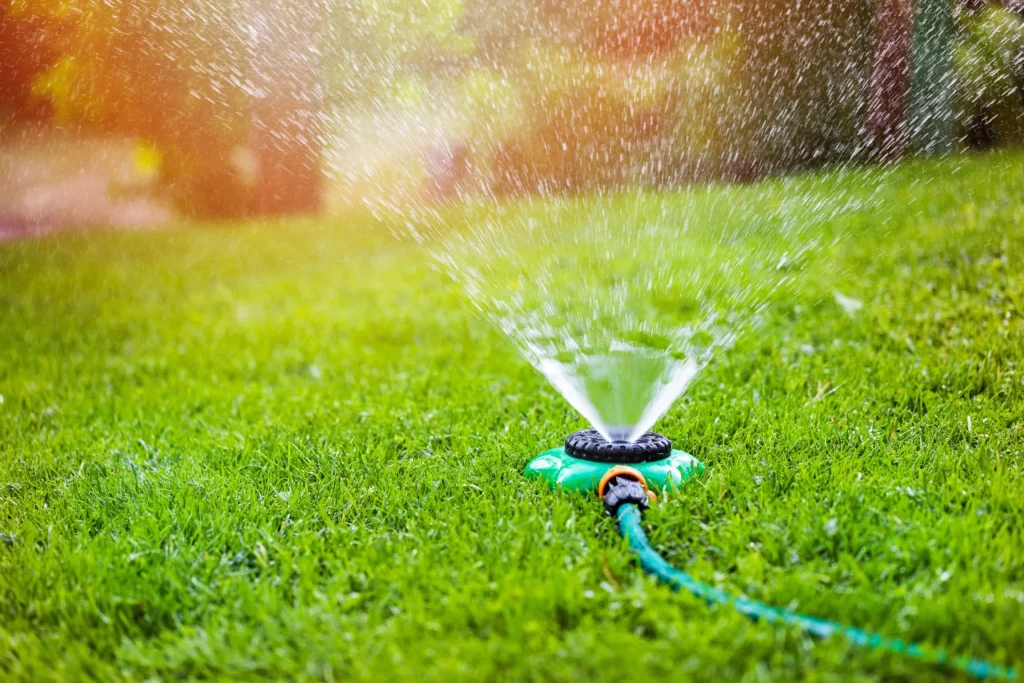
- Choose the right type of sprinkler: Consider oscillating sprinklers for large, rectangular areas; rotary sprinklers for large, circular areas; and stationary sprinklers for small patches.
- Ensure even water distribution: Look for models that offer adjustable range and pattern controls to provide uniform hydration across your entire lawn.
- Install a timer: A timer automates the watering process, ensuring your lawn receives moisture at the most beneficial times without over-watering.
Investing time in selecting the right sprinkler and configuring it properly can make a significant difference in your lawn’s appearance and health. Efficient watering practices not only conserve water but also provide your grass with the hydration it needs to thrive.
Optimal Sprinkler Placement
Strategically placing sprinklers ensures every part of your lawn receives uniform water coverage, maximizing efficiency and promoting healthy growth. To achieve optimal coverage, it’s crucial to consider your lawn’s shape and size. Adjusting sprinkler heads helps prevent overspray onto non-grassy areas like sidewalks, which not only conserves water but also prevents water wastage.
When setting up sprinklers, avoid obstacles like trees or fences, as these can block water flow and create dry spots. Regularly check and tweak your sprinkler placement, especially as plants grow and landscaping changes, to maintain even water distribution.
Here’s a practical guide to help you visualize proper sprinkler placement:
| Feature | Consideration |
|---|---|
| Lawn Shape & Size | Tailor sprinkler reach to fit the unique contours of your lawn. |
| Sprinkler Heads | Adjust angles and distances to cover the lawn evenly without waste. |
| Obstacles | Place sprinklers strategically to avoid trees and fences, ensuring complete coverage. |
Monitoring Soil Moisture
Monitoring soil moisture effectively requires using a soil moisture meter to determine the precise water content of your lawn. This tool helps you avoid the common pitfalls of overwatering or underwatering by providing accurate readings on how much water your soil retains.
Understanding these details is crucial for establishing a watering schedule that aligns with the specific needs of your soil type.
Here’s a step-by-step guide on how to monitor your lawn’s moisture:
- Insert the Soil Moisture Meter: Push the meter deeply into the soil at various points across your lawn to get a uniform understanding of moisture levels.
- Check Manually with a Screwdriver: Complement the meter readings by periodically checking the soil manually. If a screwdriver enters the soil easily, it generally indicates sufficient moisture.
- Observe the Soil Type: Recognize that different soil types (clay, sand, loam) retain water differently, affecting moisture retention and availability to your grass.
- Note the Consistency: Regular monitoring allows you to notice changes in soil moisture over time, helping adapt your approach to seasonal variations and weather conditions.
Adjusting Water Frequency
As the seasons change, you’ll need to adjust your watering schedule to accommodate the varying demands of your grass.
Considering your soil type is crucial; sandy soils drain quickly and require more frequent watering, whereas clay soils retain moisture longer and may need less.
Additionally, keep an eye on weather forecasts, as sudden changes can significantly impact the hydration needs of your lawn.
Seasonal Watering Adjustments
To maintain your lawn’s health throughout the year, you’ll need to adjust your watering frequency according to seasonal changes and local climate conditions. As the seasons shift, so do the hydration needs of your grass.
During hot, dry periods, especially in summer, it’s crucial to increase your watering frequency. This prevents your grass from drying out and ensures it maintains its lush, green appearance.
Conversely, in cooler months, you should reduce watering to avoid oversaturation, which can lead to fungal growth and other health issues in your lawn.
Here are four detailed guidelines to help you adjust your watering schedule effectively:
- Monitor local rainfall patterns: Adjust irrigation based on recent weather conditions. If heavy rains are frequent, you can significantly reduce watering.
- Be mindful of drought conditions: During droughts, adjust your watering practices to comply with local restrictions and reduce water usage.
- Observe grass health and growth: Increase or decrease watering frequency based on the vitality and growth rate of your lawn.
- Choose the best time to water: Early morning is ideal, as it minimizes evaporation and helps water penetrate deeper into the soil.
These adjustments aren’t only practical but necessary for the sustainability and beauty of your lawn.
Soil Type Considerations
Understanding the type of soil in your lawn significantly affects how you should adjust your watering schedule. Soil types vary in their ability to penetrate and retain moisture, substantially influencing the watering frequency necessary to maintain optimal soil moisture levels.
For example, sandy soil, with its large particles and high porosity, allows water to penetrate quickly but doesn’t hold moisture well. This characteristic means you’ll need to water more frequently to ensure your grass stays hydrated.
On the other hand, clay soil has smaller particles and a denser structure, leading to slower water penetration and higher moisture retention. As a result, clay soils require less frequent watering, as the water is held within the soil for longer periods, reducing the risk of drought stress.
To tailor your watering approach effectively, it’s crucial to monitor the moisture levels in your soil. Use tools like a soil moisture sensor or even a simple garden trowel to check how quickly your soil dries out after watering. This hands-on monitoring will help you avoid common pitfalls such as overwatering, which can lead to runoff, or under-watering, which can stress your grass.
Adjusting your watering schedule according to these observations ensures your lawn remains healthy and vibrant.
Weather Impact Analysis
Adjusting your watering frequency based on current weather conditions, including rainfall and temperature fluctuations, is crucial for maintaining a healthy lawn. You’ve got to pay close attention to local weather forecasts and adapt your lawn care to match the changing climate. This proactive approach helps prevent overwatering or underwatering, both of which can lead to lawn health issues.
Here’s what you need to consider:
- Monitor Soil Moisture: Check the moisture level of your soil regularly. It’s your best indicator of when your grass needs water. During dry spells, the soil dries out faster, and your grass will need more frequent watering to stay healthy.
- Watch Local Weather Forecasts: Staying updated with local weather forecasts allows you to anticipate rain and avoid unnecessary watering. This can save you water and protect your grass from root rot caused by excess moisture.
- Adjust for Temperature: Increase your watering frequency during hot, dry periods to prevent your grass from drying out. Conversely, reduce watering in cooler weather to conserve water and maintain optimal soil moisture.
- Respond to Rainfall: After significant rainfall, you can skip watering for a few days. Rain naturally saturates the soil, providing all the moisture your grass needs.
Techniques for Deep Watering
Deep watering, which saturates your lawn’s soil to a depth of six inches, encourages deeper root growth and enhances drought resilience. By implementing this method, you’re enabling your lawn to access moisture stored deeper within the soil, reducing your need to water frequently. This technique not only conserves water but also fosters a stronger, more drought-resistant lawn.
To effectively deep water your lawn, you should aim to moisten the soil up to six inches below the surface. You can check this by using a soil probe or a simple screwdriver after watering; it should easily penetrate the wet soil to the required depth. Start by watering early in the morning to reduce evaporation losses. Apply the water slowly and evenly, allowing it to seep deeply into the soil, encouraging the roots to grow downwards in search of moisture.
Adopting a schedule of deep, infrequent watering will promote a robust root system. Over time, this practice makes your lawn more resilient to environmental stressors by deepening the root zone. This deeper rooting system helps your grass access nutrients and moisture during dry spells, ensuring your lawn stays green and healthy even in challenging conditions.

Signs of Overwatering
You’ll notice signs of overwatering in your lawn, such as yellowing grass, fungal growth, and soggy soil, indicating that adjustments are necessary in your watering practices. Overwatering can severely impact the health of your grass by causing root rot, which diminishes the plant’s ability to absorb nutrients and water efficiently.
Additionally, too much water in the soil can lead to nutrient leaching where essential nutrients are washed away before they can be utilized by the grass, further weakening your lawn.
Moreover, excessive moisture in the soil reduces oxygen availability, crucial for root respiration. Without adequate oxygen, roots can suffocate and become more susceptible to diseases.
To identify and mitigate overwatering, consider the following signs:
- Yellowing or wilting grass: Indicates that the roots are struggling due to excessive moisture.
- Fungal growth: A sign of too much moisture and poor soil aeration.
- Runoff or pooling water: Suggests that the soil can’t absorb more water, possibly due to poor drainage.
- Increased pest activity: Overly moist conditions attract more pests, which can further damage the grass.
Monitoring these signs and adjusting your watering practices accordingly will help maintain a healthy, vibrant lawn.
Seasonal Watering Strategies
As you transition through the seasons, it’s crucial to adapt your lawn’s watering schedule to optimize growth and health.
In spring, focus on moisture management to support new growth without overwatering, while summer demands precise irrigation techniques to cope with increased evaporation rates.
During winter, less frequent watering is necessary, but don’t neglect your grass entirely, especially in milder climates where occasional hydration can prevent dormancy stress.
Spring Moisture Management
To optimize grass health in spring, adjust your watering frequency based on the prevailing temperatures and recent rainfall levels. Spring is a critical time for establishing strong root development in your lawn, and managing soil moisture is key. You’ll need to be vigilant and responsive to current weather conditions to maintain the ideal moisture balance.
Here are a few targeted strategies to ensure effective spring moisture management:
- Use a Rain Gauge: This helps you measure rainfall accurately so you can adjust your watering accordingly. If it’s been a wet week, you mightn’t need to water at all.
- Water Early in the Morning: Doing so reduces evaporation and allows water to seep deeper into the soil, promoting healthier roots.
- Monitor Soil Moisture: Regularly check the moisture levels in your soil. This can be done using a simple soil moisture meter, which will tell you if your grass needs watering.
- Deep, Infrequent Watering: Encourage your grass to develop deep roots by watering deeply but not too frequently. This practice helps in building drought resistance and reduces the frequency of watering needed as the season progresses.
Summer Irrigation Techniques
Summer’s heat demands that you adjust your lawn’s watering schedule to ensure optimal growth and drought resilience. During these months, it’s crucial to water your grass deeply once or twice a week. This method promotes the development of deep roots, enhancing your lawn’s ability to access water from deeper soil layers and withstand dry conditions.
Utilize an irrigation system to efficiently manage this task. Set it to deliver about an inch of water per session, which you can measure using a rain gauge. This setup ensures your lawn receives sufficient hydration without wastage.
Watering in the morning is particularly effective. By doing this, you minimize evaporation and give your grass ample time to dry out during the day, reducing the risk of fungal diseases that thrive in moist, cool conditions. Moreover, early watering helps in utilizing the cooler temperatures, thereby ensuring that water penetrates deeper into the soil.
Adjust your watering frequency based on the current weather conditions. Increase the frequency during hotter spells and cut back when cooler, wetter weather prevails.
Always consider your local climate and grass type when fine-tuning your summer watering strategy, as these factors significantly influence your lawn’s water needs.
Winter Watering Tips
While summer irrigation focuses on deep, infrequent watering, winter care for your lawn requires a more tailored approach due to dormancy and colder temperatures. In winter, grasses slow their growth and enter a dormant stage, reducing their need for water. However, maintaining proper moisture levels is crucial to prevent desiccation and ensure a healthy start in spring.
Here are some refined strategies for winter watering:
- Monitor Weather Conditions: Use a rain gauge to track precipitation levels. Adjust your watering frequency based on actual moisture intake rather than sticking to a fixed schedule.
- Water During Warm Periods: Water your lawn during the warmest part of the day. This timing prevents water from freezing on the grass blades, which can damage the turf.
- Guard Against Overwatering: Be mindful of the risk of overwatering, especially when the ground is frozen. Overwatering can lead to water runoff, as frozen ground can’t absorb moisture effectively.
- Adapt to Snow and Rainfall: Consider natural precipitation like snow and rain as part of your watering plan. Reduce manual watering when these contribute significantly to soil moisture.
Choosing Irrigation Systems
Selecting the right irrigation system requires careful consideration of your lawn’s size and shape to achieve optimal water distribution. It’s crucial to choose a sprinkler system that matches your specific lawn needs, ensuring each square foot receives adequate moisture without wastage.
Sprinkler systems come in various types, each designed for different scenarios. For instance, rotary sprinklers are ideal for large, open areas due to their long-range capability, while misting systems might better suit smaller, more delicate lawns.
Investing in a timer for your irrigation system can significantly enhance its efficiency. Timers automate the watering process, allowing you to set specific durations and frequencies that meet your lawn’s needs. This not only helps in conserving water but also ensures that your grass is watered at the most beneficial times, like early morning or late evening.
Moreover, to prevent areas of your lawn from being underwatered or overwatered, check for coverage overlap. This means adjusting the range and angles of your sprinklers to cover the lawn evenly.
Successful water distribution promotes uniform grass growth, preventing patchy areas and conserving water by reducing runoff. Careful planning and setup of your irrigation system are essential for maintaining a healthy, vibrant lawn.
Watering New Grass
For optimal germination, you should water new grass lightly several times a day to maintain soil moisture. Initially, frequent and light irrigation prevents the delicate grass seedlings from drying out or being washed away before they’ve a chance to establish. As they start to grow, maintaining a consistently moist soil environment is crucial for the young roots to develop healthily and efficiently.
Here are some practical guidelines to ensure effective watering for new grass:
- Morning and evening irrigation: Water early in the morning and late in the afternoon to reduce evaporation and maximize water absorption.
- Monitor soil moisture: Regularly check the top inch of soil; it should feel damp but not soggy. Adjust your watering schedule based on weather conditions.
- Gradual reduction: After the first two weeks, slowly reduce the frequency of watering to encourage deeper root growth.
- Maintain consistent care: Continue daily watering until the grass reaches a mowing height, then adjust to a regular watering routine suited for mature grass.
This approach not only supports the initial establishment of grass seedlings but also promotes a robust root system, essential for long-term lawn health.
Reducing Runoff
Managing water runoff effectively requires precise adjustments to your irrigation techniques and landscape design. By tweaking how you water your lawn, you can prevent wasteful runoff and ensure that water reaches where it’s most needed.
Start by adjusting your sprinkler height, especially on sloped areas. This simple step helps to avoid overspray and directs water more efficiently into the soil rather than letting it flow away down the street.
Consider implementing drip irrigation systems to target specific areas with precision. Drip systems deliver water directly to the base of your plants, minimizing evaporation and runoff. This method is particularly effective in garden beds or densely planted areas where each drop counts.
Another practical solution is to install rain barrels. These devices capture rainwater from your roof, which you can then use during drier periods. Utilizing rain barrels not only reduces your water bill but also diminishes runoff during heavy downpours.
Lastly, rethink your hardscaping materials. Permeable pavers allow rainwater to seep through and replenish the groundwater instead of running off into storm drains. They provide a sustainable and attractive alternative to traditional, impermeable paving materials.
Lawn Aeration Tips
To promote optimal growth and health in your lawn, consider aerating it annually using a core aerator, which removes small soil plugs to enhance air, water, and nutrient absorption by the grass roots. Lawn aeration is a critical process that combats soil compaction, allowing your grass to breathe and grow more vigorously. The prime time to aerate is during periods of active grass growth, typically in the fall or spring. This timing ensures that the grass can recover quickly and fill in any open areas left by the removed soil plugs.
When planning your aeration, it’s crucial to do it under the right soil conditions. Aim for moist soil, which makes it easier for the aerator to penetrate the ground and effectively remove the plugs. Overly dry soil can hinder the process, while excessively wet soil may cause further compaction.
Here are some practical tips for effective lawn aeration:
- Check soil moisture: Aerate when the soil is moist but not soggy.
- Use the right equipment: Opt for a core aerator that extracts soil plugs.
- Focus on high-traffic areas: Pay extra attention to parts of your lawn that endure more foot traffic.
- Allow time for recovery: Give your lawn time to heal and absorb nutrients after aeration.
Mulching and Water Retention
Applying mulch to your lawn significantly enhances soil moisture retention, reducing the frequency of watering needed and promoting healthier grass growth. When you use mulch, you’re creating a barrier that limits evaporation, allowing your lawn to maintain vital moisture levels even during dry spells. This practice not only conserves water but also provides a more stable environment for grass roots, protecting them from temperature fluctuations that can stress your lawn.
Mulching also plays a crucial role in improving soil structure. Over time, the decomposition of organic mulch adds beneficial nutrients back into the soil, enhancing its water retention capacity. This means your soil can hold water longer, providing a consistent moisture supply to your grass. Additionally, mulch helps prevent water runoff and puddling, which ensures that water penetrates deeply into the soil where it’s needed most.
Here is a quick guide to help you understand the benefits:
| Benefit | Description | Impact on Lawn |
|---|---|---|
| Reduces Watering Need | Limits evaporation and retains water | Less frequent watering |
| Enhances Soil Health | Adds nutrients, improves structure | Better water retention |
| Prevents Water Runoff | Distributes water evenly | Optimizes water usage |