
You’ll want products that give fast knockdown, season-long systemic protection, and rotation options to curb resistance. Top picks: BioAdvanced Ready-to-Spray (30-day systemic, hose-end), Spectracide Immunox (fungus + insect contact, quick rainproof action), Bonide Infuse (broad-spectrum systemic), Scotts DiseaseEx granular (fast 24-hour start, four-week residual), and Atticus Gravex 20EW (myclobutanil systemic, curative/preventive). Match the label to your disease, turf type, and reapplication schedule — keep going for detailed comparisons and usage tips.
| BioAdvanced Ready-to-Spray Lawn Fungus Control (32 oz) |  | Best for Easy Use | Format: Ready-to-spray hose-end bottle | Target Use: Lawn/turf disease control | Spectrum: Broad-spectrum (multiple lawn diseases) | VIEW LATEST PRICE | Read Our Analysis |
| Spectracide Immunox Fungus + Insect Control Hose-End | 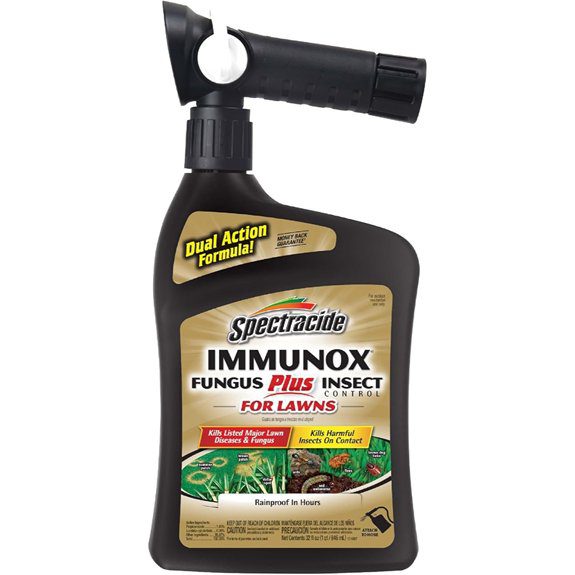 | Best Dual-Action | Format: Hose-end concentrate with QuickFlip sprayer | Target Use: Lawn/turf disease and insect control | Spectrum: Broad-spectrum (fungal diseases + insects) | VIEW LATEST PRICE | Read Our Analysis |
| Bonide Infuse Systemic Fungicide Ready-to-Spray 32 oz | 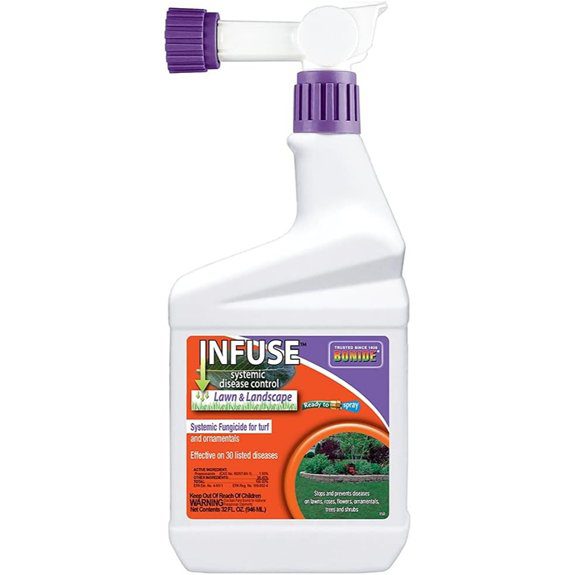 | Best Long-Lasting | Format: Ready-to-spray hose-end solution | Target Use: Lawn/turf and landscape disease control | Spectrum: Broad-spectrum (30+ diseases) | VIEW LATEST PRICE | Read Our Analysis |
| Scotts DiseaseEx Lawn Fungicide (10 lb Treats 5,000 sq ft) | 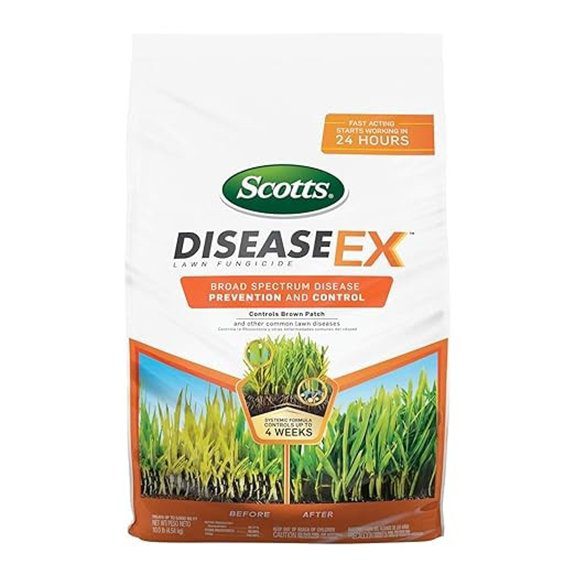 | Best Preventative | Format: Granular bag | Target Use: Lawn/turf disease control | Spectrum: Broad-spectrum (26 listed diseases) | VIEW LATEST PRICE | Read Our Analysis |
| Atticus Gravex 20EW Fungicide (16 oz) | 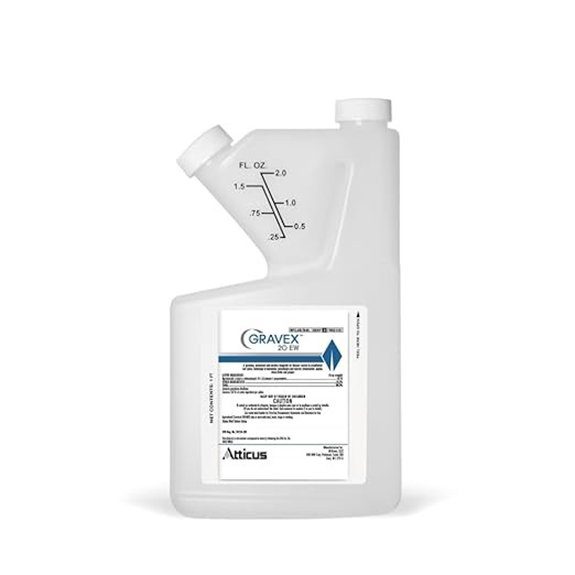 | Best Professional-Grade | Format: Liquid 20 EW concentrate (16 oz) | Target Use: Lawn/turf and landscape disease control | Spectrum: Broad-spectrum (38+ fungi) | VIEW LATEST PRICE | Read Our Analysis |
More Details on Our Top Picks
BioAdvanced Ready-to-Spray Lawn Fungus Control (32 oz)
If you want a ready-to-use fungicide that treats large areas without mixing or measuring, the BioAdvanced Ready-to-Spray Lawn Fungus Control (32 oz) is a smart pick—just attach it to your garden hose and cover up to 5,000 sq ft, treating common diseases like brown patch, dollar spot, and red thread while delivering systemic protection that lasts up to 30 days. You’ll get a 32 fl oz bottle that’s easy for spot or full-lawn applications, absorbs into grass to resist rain wash-off, and treats listed diseases across all lawn types. Follow directions to cure and prevent outbreaks safely.
- Format:Ready-to-spray hose-end bottle
- Target Use:Lawn/turf disease control
- Spectrum:Broad-spectrum (multiple lawn diseases)
- Mode of Action:Systemic fungicide
- Coverage / Treatment Area:Treats up to 5,000 sq ft
- Rain Resistance / Longevity:Systemic — resists wash-off; protection up to 30 days
- Additional Feature:Ready-to-use hose attachment
- Additional Feature:Protects up to 30 days
- Additional Feature:Science-based brand positioning
Spectracide Immunox Fungus + Insect Control Hose-End
Homeowners who want a fast, dual-action solution will find Spectracide Immunox Fungus + Insect Control Hose-End ideal, since its 32-ounce hose‑end concentrate treats common fungal diseases and kills listed lawn insects on contact. You’ll attach the QuickFlip sprayer, flip the switch, and apply even coverage without mixing. The formula provides preventative and curative fungal control and kills insects on contact, so you can treat green-up in spring and repeat every two weeks for best results. It becomes rainproof within hours, resisting wash-off. Always follow label directions for target pests, turf types, safety, and reentry intervals.
- Format:Hose-end concentrate with QuickFlip sprayer
- Target Use:Lawn/turf disease and insect control
- Spectrum:Broad-spectrum (fungal diseases + insects)
- Mode of Action:Preventative and curative (contact for insects; fungicide action)
- Coverage / Treatment Area:32 oz bottle—hose-end application (coverage per label; repeat every 2 weeks)
- Rain Resistance / Longevity:Rainproof within hours; reapply every two weeks for best results
- Additional Feature:Dual-action fungus+insect
- Additional Feature:QuickFlip hose sprayer
- Additional Feature:Biweekly application recommendation
Bonide Infuse Systemic Fungicide Ready-to-Spray 32 oz
Choose Bonide Infuse Ready-to-Spray when you want an easy, no-mixing solution that delivers systemic, broad-spectrum control for lawns and ornamentals. You’ll attach the 32 oz bottle to a hose-end sprayer and treat turf, roses, flowers, trees, and shrubs without fuss. It controls over 30 diseases—rust, blight, powdery mildew, scab, leaf spot—and provides long-lasting protection for up to four weeks when used as directed. One quart treats up to 3,200 sq. ft., and you should apply to lawn after mowing. The product arrives ready-to-spray; always follow the full label instructions for safe, effective use.
- Format:Ready-to-spray hose-end solution
- Target Use:Lawn/turf and landscape disease control
- Spectrum:Broad-spectrum (30+ diseases)
- Mode of Action:Systemic fungicide
- Coverage / Treatment Area:One quart treats up to 3,200 sq ft
- Rain Resistance / Longevity:Long-lasting control — up to 4 weeks
- Additional Feature:Treats ornamentals too
- Additional Feature:Covers up to 3,200 sq.ft.
- Additional Feature:Apply after mowing
Scotts DiseaseEx Lawn Fungicide (10 lb Treats 5,000 sq ft)
For lawns up to 5,000 sq. ft., Scotts DiseaseEx Lawn Fungicide is a strong choice when you want fast, broad-spectrum disease control—it’s formulated to start working within 24 hours and protects for up to four weeks against 26 common turf diseases. You’ll use a 10 lb bag to treat that area, applying it before symptoms appear or at first signs for best results. It targets brown patch, pythium blight, rusts, snow molds, necrotic ring spot, red thread, powdery mildew, anthracnose, and more. Follow label directions; it’s safe on all grass types when used as directed.
- Format:Granular bag
- Target Use:Lawn/turf disease control
- Spectrum:Broad-spectrum (26 listed diseases)
- Mode of Action:Preventative/curative fungicide
- Coverage / Treatment Area:Treats up to 5,000 sq ft (10 lb bag)
- Rain Resistance / Longevity:Begins working within 24 hours; controls up to 4 weeks
- Additional Feature:Granular 10 lb bag
- Additional Feature:Works within 24 hours
- Additional Feature:Preventive pre-symptom use
Atticus Gravex 20EW Fungicide (16 oz)
If you need a broad-spectrum systemic fungicide that protects new growth for weeks, Atticus Gravex 20EW (16 oz) delivers — it contains 19.7% myclobutanil in a 20 EW formulation and offers curative and preventive control of many turf and ornamental diseases for up to about 28 days. You’ll get labeled control of over 38 fungi, including brown patch, dollar spot, anthracnose, rusts, spring dead spot, and powdery mildew. It’s labeled for lawns, landscapes, golf courses, greenhouses, and residential fruit trees and is compatible with many turf and ornamental species. Read the label; not registered everywhere.
- Format:Liquid 20 EW concentrate (16 oz)
- Target Use:Lawn/turf and landscape disease control
- Spectrum:Broad-spectrum (38+ fungi)
- Mode of Action:Systemic (upward mobility), curative and preventive
- Coverage / Treatment Area:Coverage per label (concentrate; labeled for lawns/golf/landscape)
- Rain Resistance / Longevity:Systemic protection up to ~28 days
- Additional Feature:Myclobutanil 19.7% AI
- Additional Feature:Upward systemic mobility
- Additional Feature:Multi-site professional label
Factors to Consider When Choosing a Fungicide Spray for Lawn
When picking a fungicide spray, you’ll want to match the product to the specific diseases it controls and the active ingredient type so resistance and effectiveness are managed. Consider how often you’ll need to reapply, whether the formula is safe for your grass and nearby plants, and how much area one treatment covers. Those factors will help you choose a product that fits your lawn’s needs and your maintenance schedule.
Target Diseases Covered
Although identifying the exact pathogen can be tricky, you should check a fungicide’s label to make sure it specifically lists the common problems in your lawn—brown patch, dollar spot, rust, red thread, and summer patch—so the product will actually target the diseases you’re facing. Also choose formulations labeled for both curative and preventive control if you need to halt active infections and reduce future outbreaks. Confirm whether the product is broad‑spectrum or single‑disease so one application can cover multiple issues rather than treating each separately. Check for systemic versus contact/localized performance on the label if you want protection of new growth versus surface control. Finally verify turfgrass species and severity ratings to ensure registration and proven effectiveness for your lawn.
Active Ingredient Type
Choosing the right active ingredient is one of the most important steps in picking a fungicide spray for your lawn, because it determines how the product works, how long it protects, and how often you’ll need to reapply. You’ll choose between systemic actives, absorbed and translocated for curative action and roughly 2–4 weeks’ protection, and contact actives, which sit on leaf surfaces for fast knockdown but need thorough coverage and more frequent reapplications after rain or mowing. Pick broad‑spectrum chemicals if you face multiple disease types, or narrow‑spectrum ones when you know the pathogen. Check mode‑of‑action groups and rotate between them to slow resistance. Finally, match label rates, residual duration, turf safety, and rainfastness to your grass species and treatment plan.
Application Frequency Needed
Often you’ll need to reapply fungicide every 14 to 30 days during active disease pressure, so check the label interval and plan around your turf’s risk level. Choose systemic products for longer residual protection—many last up to 28–30 days—while contact fungicides often require tighter schedules. Preventative programs usually allow wider intervals, but shorten them in warm, humid, high-risk periods to the label’s minimum. Use the shortest approved interval only when disease is present or conditions favor outbreaks, and follow integrated pest management: monitor disease, limit treatments to need, and combine cultural controls. Don’t exceed labeled seasonal rates, rotate modes of action to prevent resistance, and avoid overapplication to minimize environmental impact.
Lawn And Plant Safety
When selecting a fungicide for your lawn, start by confirming the label lists your turf species (like Kentucky bluegrass, fescue, or Bermuda) so you don’t risk phytotoxicity, and choose a systemic or upward-mobile active if you want protection of new growth—just be aware contact products need more frequent reapplication. Also follow labeled rates, timing, and temperature limits; overapplication or spraying during heat stress can scorch grass and delay recovery. Observe reentry intervals and pet/child safety directions to minimize exposure risks. Before full treatment, conduct a small patch test on a few square feet and wait the recommended interval to confirm turf tolerance. These precautions protect lawn health and reduce safety hazards for people and animals.
Coverage And Treatment Size
For a clean, efficient treatment, match the product’s listed coverage to your lawn size so you buy enough for a full application without wasting half-empty containers. Check the label for coverage per container — ready-to-spray and hose-end concentrates usually show square feet per bottle, granules list coverage by weight. Use products with smaller coverage or adjustable dilution for spot treatments to avoid waste and over-applying. Plan total quantity by factoring recommended reapplication intervals and the number of treatments per season. Verify labeled application rates (per 1,000 sq ft) and tank-mix dilution instructions so you can deliver uniform coverage. Doing this keeps applications accurate, cost-effective, and within label safety limits.