
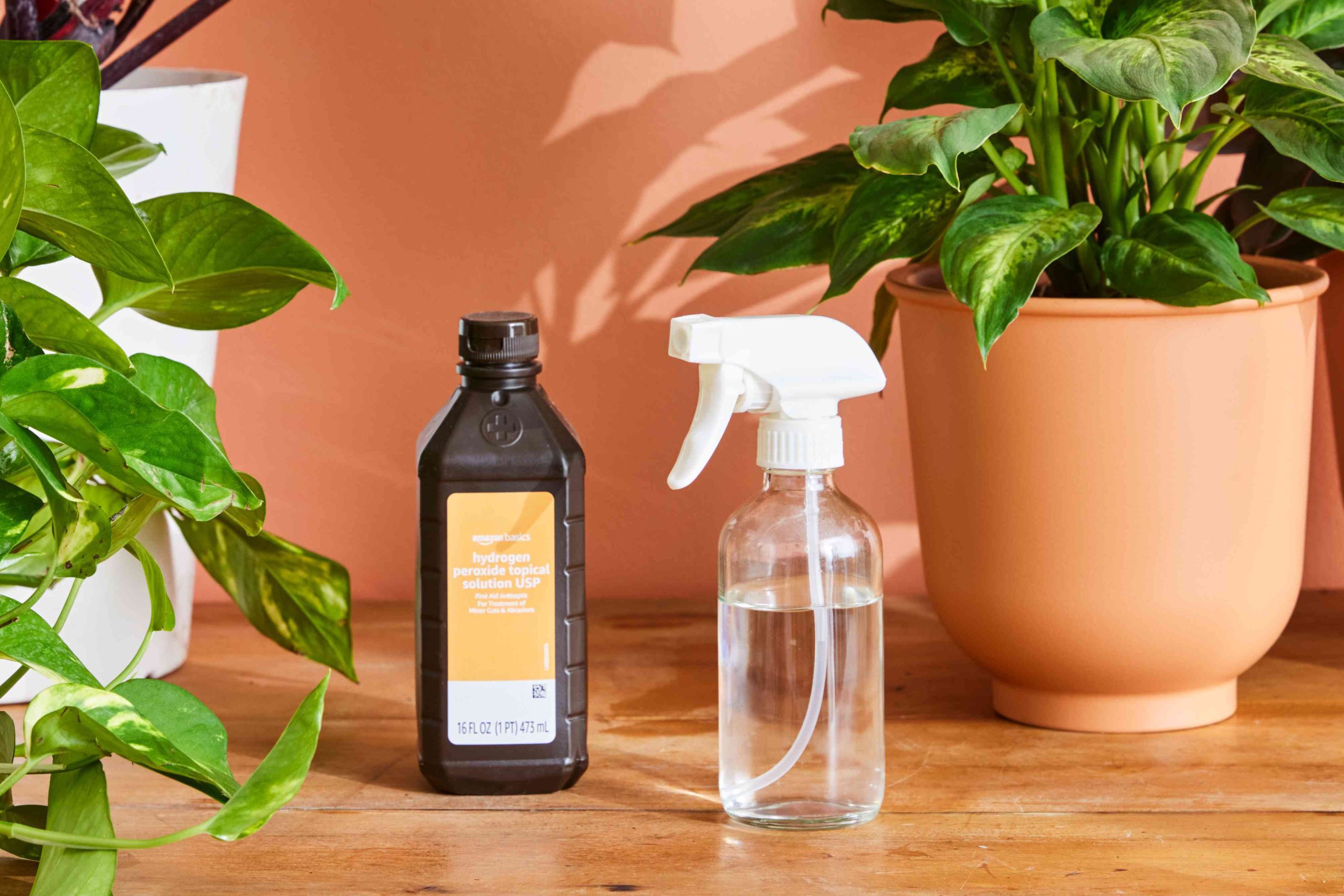
I’ve discovered that hydrogen peroxide is incredibly versatile for plant care, beyond just disinfecting wounds! It’s perfect for sanitizing garden tools and containers to prevent disease spread. When diluted, it oxygenates the soil, enhancing root growth and overall plant vigor, especially in compact soils. It’s also invaluable in hydroponics for boosting oxygen levels, promoting healthier plant systems. Additionally, it fights off root rot, fungal infections, and repels pests without harming beneficial insects. Even weeds can be controlled by directly applying it to their foliage. If you’re curious about incorporating this powerful oxidizer into your garden regimen, there’s more to uncover that can revolutionize your plant care practices.
1. Disinfecting Garden Tools
Before planting season kicks off, it’s crucial to ensure your garden tools are free of harmful pathogens.
I’ve found the best way to do this is by using a hydrogen peroxide solution. Simply mix 1 part hydrogen peroxide with 2 parts water, and either soak or spray your tools with it for 5-10 minutes. This method is highly effective against various bacterial and fungal pathogens lurking on your tools.
Incorporating this practice can also help in managing plant diseases, as clean tools prevent the spread of infections such as Hypoxylon canker.
Don’t forget to rinse them thoroughly afterward to remove any residual hydrogen peroxide, then dry them completely.
Regularly disinfecting your tools in this way can significantly improve plant health and resilience by minimizing the risk of infections spreading in your garden.
2. Enhancing Plant Growth
After ensuring our garden tools are disinfected with hydrogen peroxide, it’s equally important to consider its beneficial role in enhancing plant growth.
Using hydrogen peroxide for plants, particularly by oxygenating the soil, significantly improves root aeration and nutrient uptake. I’ve found that mixing 2.5 teaspoons of 3% hydrogen peroxide per gallon of water and applying it to the soil or directly on plants every 3-5 days can dramatically increase the health of plant roots.
This method enhances soil structure and increases the microbial activity necessary for breaking down organic matter into accessible nutrients, promoting vigorous root development by boosting soil oxygen levels.
It also helps in disinfecting growing materials, thus staving off bacterial and fungal threats. Regular application ensures that the plants grow stronger and more resilient, creating an optimal environment for their growth.
3. Combating Root Rot
When tackling root rot, it’s crucial to act swiftly as this condition can devastate plant health.
Root rot, mainly caused by fungi and bacteria thriving in wet conditions, can be effectively treated using hydrogen peroxide. Mixing one part hydrogen peroxide to two parts water, I saturate the cleaned root ball, which not only kills the harmful microorganisms but also reoxygenates the soil. This approach ensures the roots recover and thrive.
For prevention, I often apply a weaker solution, one part 3% hydrogen peroxide to one part water, directly to the soil. This method helps maintain an oxygen-rich environment, deterring the onset of rot.
It’s also important to ensure proper drainage in pots, which can prevent conditions conducive to root rot, such as waterlogged soil.
After treatment, I let the soil dry thoroughly before watering again to minimize recurrence.
4. Repelling Pests
While hydrogen peroxide is effective in treating root rot, it also serves as a formidable ally in repelling pests from your plants. Its extra oxygen molecule makes it a natural choice to repel insects like aphids, mites, and ants.
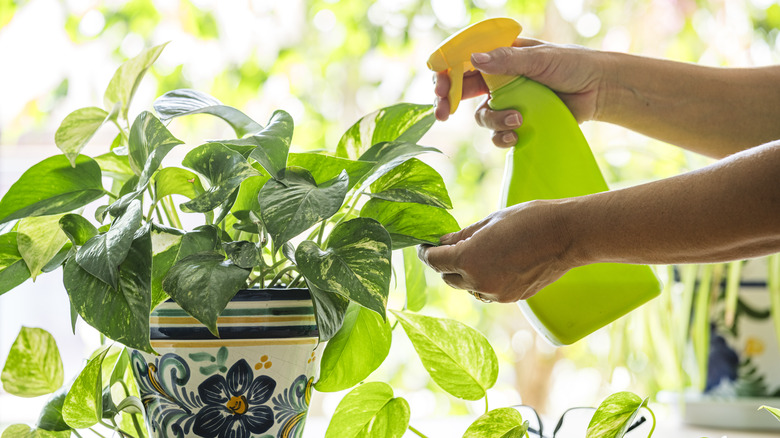
By spraying a diluted solution onto your plants, you’re creating a hostile environment for pests while ensuring the safety of beneficial insects at low concentrations. Additionally, incorporating natural deterrents such as diatomaceous earth can further enhance this protective barrier against pests.
This practice not only minimizes infestations but also enhances your plants’ overall health by reducing pest-related damage and disease transmission. Regular applications can bolster plant resilience, promoting healthier growth and yield.
It’s a simple, effective method to keep your garden thriving without resorting to harsh chemicals.
:max_bytes(150000):strip_icc()/SPR-hydrogen-peroxide-for-plants-8598430-01-a1cd51335ff147099a061f6592fdf5c7.jpg)
5. Eliminating Weeds
In tackling stubborn garden weeds, hydrogen peroxide offers a potent, natural solution that disrupts their cellular structures.
When you apply a 3% solution of hydrogen peroxide directly onto the leaves of these unwanted plants, it acts swiftly. The extra oxygen molecule in hydrogen peroxide is particularly destructive to chlorophyll, which causes the weeds to wilt and die rapidly.
This method is most effective on sunny days, as the sunlight enhances the compound’s ability to dry out and exterminate the weeds.
However, you must be careful to avoid spraying your desirable plants. Hydrogen peroxide doesn’t discriminate and can damage any plant it contacts if not applied with precision.
Use it judiciously to ensure it targets only the weeds.
6. Treating Seedlings
Boosting the health and vigor of your seedlings, a diluted hydrogen peroxide solution works wonders by eliminating harmful pathogens.
By using a mixture of 1 part H2O2 to 10 parts water for soaking your seedlings for about 30 minutes, you’re not just clearing away disease-causing organisms but also setting the stage for stronger, healthier growth.
This simple practice can significantly enhance germination rates, particularly effective when you soak the seeds overnight in a solution of 30 ml hydrogen peroxide mixed with 2 cups of water.
Moreover, treating your seedlings with hydrogen peroxide prevents root rot, crucial for maintaining a vigorous root system.
Applying a balanced mixture of hydrogen peroxide and water directly to the soil fortifies the roots against fungal threats, ensuring your plants start strong and stay healthy.
7. Soil Oxygenation
As hydrogen peroxide breaks down, it releases essential oxygen into the soil, significantly enhancing root health and plant vitality.
By adding just 2.5 teaspoons of hydrogen peroxide to a gallon of water and applying it to your soil, you can greatly improve oxygen availability. This boost in soil oxygenation is crucial; it not only prevents root suffocation but also supports beneficial microbial activities, vital for a thriving root ecosystem.
Moreover, using hydrogen peroxide helps treat compacted soil, enhancing aeration and allowing roots better access to oxygen and water.
8. Preventing Fungal Infections
Many gardeners face the challenge of fungal infections, which can severely impact plant health.
I’ve found that hydrogen peroxide, when used correctly, is effective in preventing these infections. By applying a diluted solution of hydrogen peroxide and water in a 1:1 ratio, you can kill harmful fungi and bacteria in the soil, setting up a hostile environment for fungal growth. This routine application promotes plant resilience.
For existing infections, a stronger mix of 1 part hydrogen peroxide to 4 parts water can be used as a soil drench, directly targeting pathogens. This treatment aids in aerating the soil and improving drainage, crucial in reducing the moisture that fungi thrive in.
9. Cleaning Containers
Before reusing your planting containers for the new season, it’s crucial to ensure they’re free from harmful pathogens that could compromise plant health.
I’ve found that a 1:1 mixture of 3% hydrogen peroxide and water is highly effective for cleaning containers. This solution not only kills any lingering pathogens but also helps prevent the onset of soil-borne diseases.
To use, either soak the containers or spray them directly, ensuring complete coverage. After disinfecting, it’s important to rinse the containers with clean water to remove any hydrogen peroxide residue.
This method isn’t only effective but also environmentally friendly, as hydrogen peroxide breaks down into water and oxygen, leaving no harmful residues behind.
10. Supporting Hydroponics
I’ve discovered that integrating hydrogen peroxide into hydroponic systems significantly boosts oxygen levels in nutrient solutions, essential for plant vitality.
By adding just 2-3 teaspoons of 3% hydrogen peroxide per 3.7 liters of water, the dissolved oxygen levels surge, promoting not only healthier root development but also more vigorous plant growth overall.
This simple practice helps prevent root rot and other diseases by effectively killing harmful pathogens.
Furthermore, the benefits of using hydrogen peroxide extend to creating a balanced microbial environment. It ensures that beneficial bacteria thrive, suppressing the harmful ones.
Since hydrogen peroxide decomposes into water and oxygen, it’s a safe, effective additive, keeping your hydroponic conditions optimal.
11. Sanitizing Humidifiers
After exploring the benefits of hydrogen peroxide in hydroponic systems, let’s now consider its effectiveness in cleaning humidifiers.
To sanitize humidifiers, mix a solution of one part hydrogen peroxide to four parts water. This ratio ensures a thorough cleaning of the internal components, crucial for maintaining air quality.
Soak detachable parts of the humidifier in this solution for about 30 minutes. This duration is effective for eliminating mold and bacteria.
After soaking, it’s important to rinse all components with clean water to remove any residual hydrogen peroxide before reassembling the device.
Regular sanitization using this method prevents the spread of pathogens, helping maintain a healthy indoor environment.
Always ensure the humidifier is unplugged and cooled down before starting the cleaning process.