

Transform your Japanese garden with these essential trees: Cherry Blossom, Japanese Maple, Chinese Elm, Pine, Plum Yew, Bamboo, Hinoki Cypress, Camellia, and Japanese Snowbell. Delight in the symbolic meanings, grace, and low-maintenance features these trees bring. The Cherry Blossom and Japanese Maple offer elegance; Chinese Elm and Plum Yew embody versatility. Pine trees symbolize longevity, while Bamboo signifies resilience. The fragrant Camellia and Japanese Snowbell add charm. Create a serene oasis by incorporating these trees as focal points. Appreciate their beauty, grace, and cultural significance in your outdoor space. Embrace Japanese tradition with these must-have additions.
1. Cherry Blossom Tree

The Cherry Blossom Tree, a symbol of beauty and renewal in Japanese gardens, captivates with its stunning pink or white blossoms that herald the arrival of spring. These trees, with their cultural significance deeply rooted in Japanese tradition, require full sun and well-drained soil to thrive. Planted strategically in a traditional Japanese garden, Cherry Blossom Trees not only add a burst of color but also attract pollinators like bees and butterflies, enriching the ecosystem and creating a serene ambiance.
In Japan, the Cherry Blossom Tree holds a special place in the hearts of the people, symbolizing the transience of life and the beauty in fleeting moments. As the delicate blooms blanket the tree, they create a breathtaking spectacle that brings a sense of renewal and impermanence to the landscape. Embracing a Cherry Blossom Tree in your garden is not just about adding beauty; it is about embracing a cultural icon that resonates with the essence of Japanese tradition.
2. Japanese Maple Tree

Captivate your senses with the elegance and tranquility brought by the Japanese Maple Tree in your garden. The Acer palmatum, commonly known as the Japanese Maple, is a symbol of beauty and peace in Japanese gardens. Its exquisite foliage all year round provides a stunning backdrop, but it truly shines in the fall when its leaves turn vibrant shades of red, orange, and yellow, adding a burst of color to your outdoor space.
To ensure your Japanese Maple thrives, plant it in an area that receives partial shade and make sure the soil is well-drained. These trees are versatile and can be grown in containers or directly in the ground, making them a perfect addition to gardens of any size.
With its elegant appearance and serene ambiance, the Japanese Maple tree is a must-have for creating a tranquil oasis in your Japanese garden. Let its beauty enchant you and bring a sense of calm to your outdoor sanctuary.
3. Chinese Elm Tree
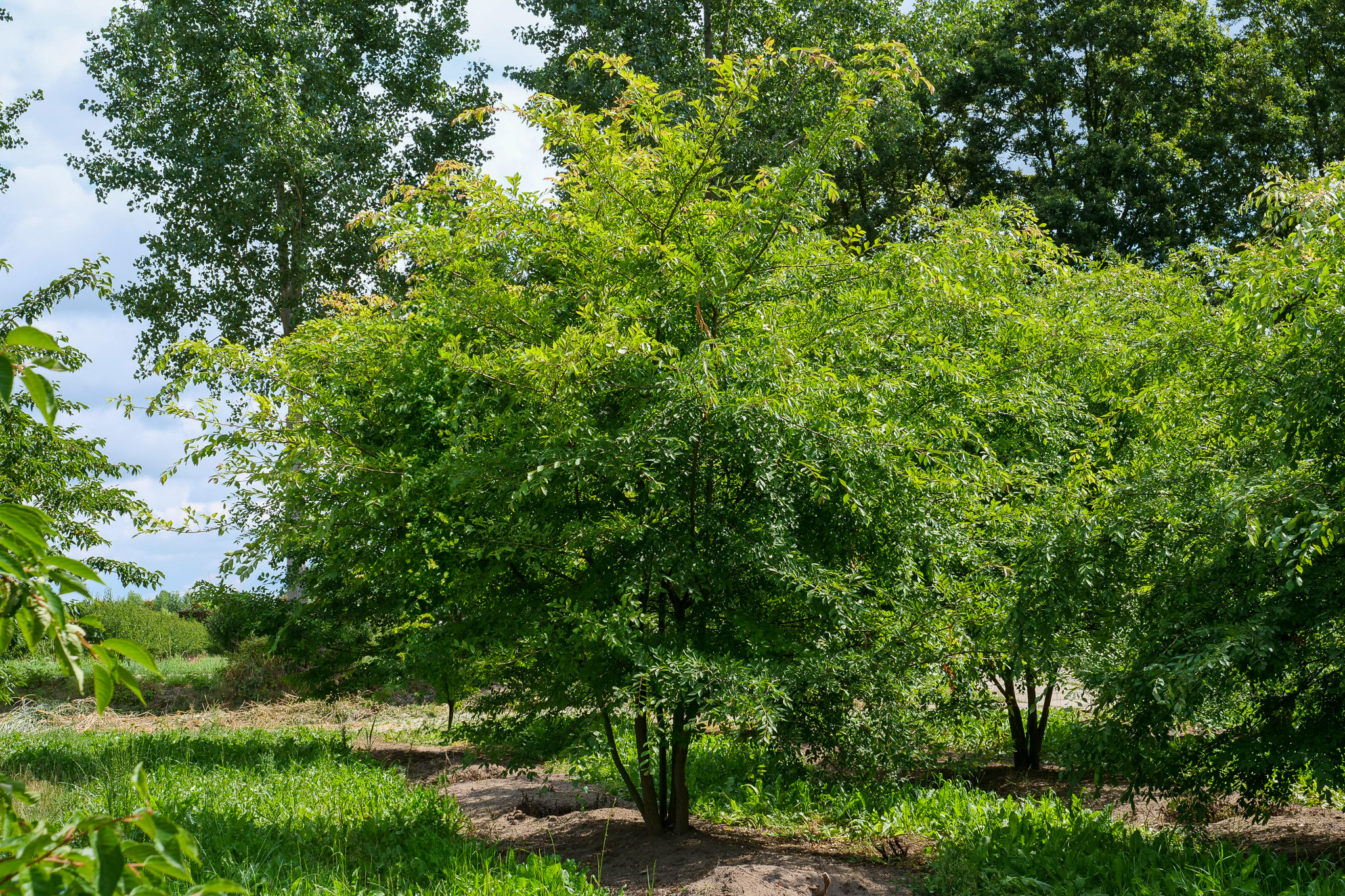
Envelop your Japanese garden in an aura of grace and resilience with the majestic Chinese Elm Tree. Known for its graceful, weeping branches and attractive serrated leaves, the Chinese Elm tree adds a touch of elegance to any landscape. These trees are hardy, capable of withstanding diverse environmental conditions, making them a perfect fit for Japanese gardens. Standing tall at 40-50 feet, they provide ample shade and serve as a striking focal point in the garden.
One of the distinctive features of the Chinese Elm tree is its mottled bark, which not only adds visual interest but also texture to the overall landscape. Furthermore, these trees are relatively low-maintenance, requiring minimal care to thrive. Their resistance to pests and diseases makes them a popular choice for landscaping, ensuring that your garden remains vibrant and healthy. Consider planting a Chinese Elm tree to infuse your Japanese garden with beauty and resilience.
4. Pine Tree

Amidst the serene landscape of your Japanese garden, pine trees stand as timeless guardians, embodying grace and resilience with their evergreen needles and rugged structure. The Japanese Black Pine and Japanese White Pine are essential additions, symbolizing longevity and adding an authentic touch to your garden. These evergreen trees not only provide year-round beauty but also offer a sense of tranquility and good luck.
To enhance the beauty of pine trees in your garden, consider training their branches with stakes to showcase their unique bark and keep the crown open. Utilizing the ‘candling’ technique will help maintain short, dense shoots, giving the trees a compact and elegant appearance. These practices not only contribute to the aesthetic appeal of the pine trees but also ensure their resilience and longevity.
Carefully selecting and nurturing pine trees for your Japanese garden will provide a striking focal point that captures the essence of traditional Japanese landscaping. Embrace the grace and symbolism these trees offer, and watch as your garden transforms into a peaceful sanctuary.
5. Plum Yew Tree
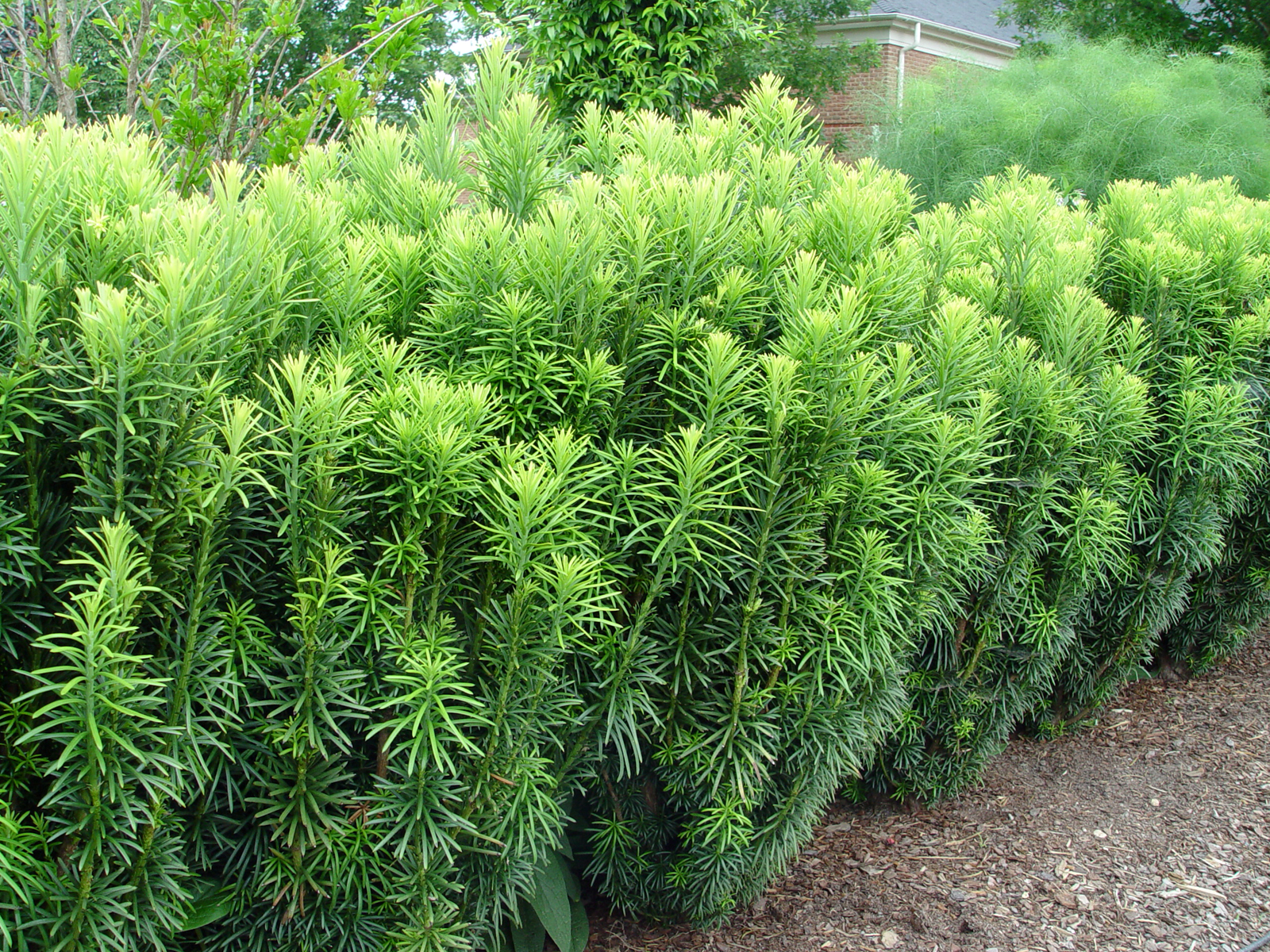
When considering trees for your Japanese garden, the Plum Yew tree presents as a versatile and elegant choice, adding a touch of deep-green foliage and structure to enhance your garden’s overall aesthetic. This evergreen bush, reminiscent of a classic yew tree, is perfect for those seeking a low-maintenance yet visually appealing addition to their garden. Whether your garden is bathed in full shade or abundant sunlight, the Plum Yew thrives in various light conditions, making it a flexible option for different garden settings.
For those looking to incorporate neat and rounded shapes into their garden design, compact forms like ‘Duke Gardens’ are an excellent choice. The Plum Yew’s deep-green foliage not only brings a sense of order to the garden but also provides a striking contrast against other elements in the space. Whether used in shaded areas or to create low, rounded shapes, the Plum Yew is a versatile and attractive option that can elevate the charm of your Japanese garden.
6. Bamboo Tree

Symbolizing strength, flexibility, and resilience in a Japanese garden, the Bamboo Tree stands as a captivating and practical addition to your outdoor space. These fast-growing and low maintenance trees not only add a touch of elegance but also serve functional purposes such as providing privacy and sound insulation. The versatility of various bamboo species makes them suitable for gardens of different sizes, offering a range of landscaping possibilities.
Incorporating Bamboo trees into your Japanese garden will not only enhance its aesthetic appeal but also create a calming atmosphere. The gentle rustling of bamboo leaves in the wind adds a soothing element to your outdoor sanctuary, inviting relaxation and tranquility. Additionally, the unique appearance and cultural significance of Bamboo trees in Japanese traditional gardens further contribute to the overall ambiance, making them a must-have for any garden enthusiast seeking a harmonious blend of strength, flexibility, and resilience.
7. Hinoki Cypress Tree

The Hinoki Cypress Tree, with its graceful foliage and authentic Asian charm, is a must-have addition to any Japanese garden. This elegant tree not only adds height without bulk but also fills the corners of your garden with its sophisticated presence. With many dwarf varieties available, you can choose between structured or open graceful branches to suit your garden’s aesthetic.
Popular choices like ‘Confucius’ and ‘Gracilis’ bring lightness and brightness to your Asian-themed plantings, enhancing the tranquil ambiance. The Hinoki Cypress is renowned for instilling a sense of order and calmness, making it a cherished and essential element of Japanese garden design.
8. Camellia Tree
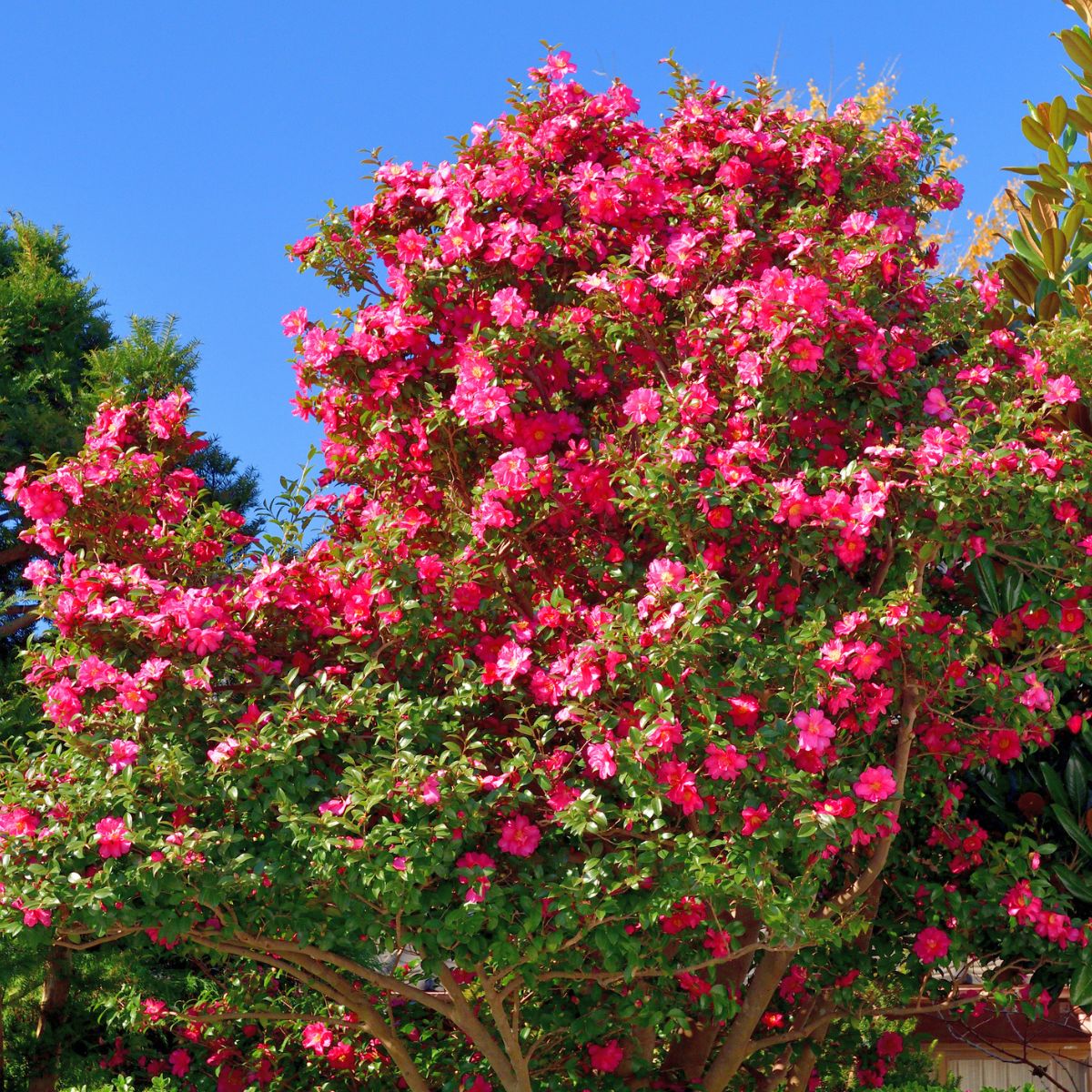
Enhance your Japanese garden with the stunning presence of a Camellia Tree, a versatile and elegant addition that brings year-round beauty and fragrance to your outdoor sanctuary. These evergreen trees, reaching heights of up to 15 feet, are perfect for adding a touch of charm to your garden landscape. Camellia trees, thriving in USDA Hardiness Zones 7-9, prefer partial shade, making them an ideal choice for those dappled light spots in your garden.
One of the most captivating features of the Camellia tree is its fragrant flowers, filling the air with a delightful aroma that enhances your garden experience. Imagine leisurely strolls through your Japanese garden, surrounded by the alluring scent of these beautiful blooms. With their glossy green foliage and stunning flowers, Camellias are sure to add a pop of color and elegance to your outdoor space. Embrace the beauty and versatility of the Camellia tree in your Japanese garden for a truly enchanting atmosphere.
9. Japanese Snowbell Tree

Adding a touch of elegance and charm to your Japanese garden, the Japanese Snowbell Tree, also known as Styrax japonicus, is a stunning addition that stands tall and proud, reaching heights of up to 30 feet. This ornamental tree thrives in USDA zones 6-8, gracing your garden with its showy white bell-shaped flowers that bloom in late spring. The fragrant blooms of the Japanese Snowbell tree not only attract pollinators but also create a delightful sensory experience for anyone strolling through your garden.
To ensure the Japanese Snowbell tree flourishes, provide it with full sun to partial shade and well-drained soil. Its attractive foliage and cultural significance make it a popular choice for ornamental landscaping, adding a touch of Japanese tradition to your outdoor space. Whether planted as a focal point or integrated into a larger garden design, the Japanese Snowbell tree is sure to captivate with its beauty and grace.