

Protect your plants naturally with homemade insecticides like dish soap spray for soft-bodied pests, neem oil solution for aphids, or garlic and pepper mix for beetles. Try citrus repellent from boiling peels to deter ants or cayenne spray for caterpillars. Use onion and soap blend for an effective pest deterrent or eucalyptus oil to repel mosquitoes. Opt for vinegar bug deterrent for roaches indoors. These recipes prioritize plant safety while eco-friendliness guides their formulation. Happy plants await with these organic solutions at your fingertips.
1. Dish Soap Spray
:max_bytes(150000):strip_icc()/how-to-use-insecticidal-soap-1902893_1A-b1181738e59043d7b6661997586dae44.jpg)
To effectively combat soft-bodied pests like aphids and spider mites, consider utilizing a homemade insecticide called dish soap spray. This simple yet potent solution consists of mild liquid soap mixed with water. The dish soap spray is particularly effective against pests like aphids, mealybugs, and spider mites due to its ability to disrupt the insects’ cell membranes, causing dehydration and eventual death.
One of the key advantages of dish soap spray is its organic nature, making it safe for plants when appropriately diluted and applied. This feature has made it a popular choice among gardeners looking for eco-friendly pest control options. Regularly applying dish soap spray can help protect your plants from common insect pests without posing a threat to beneficial insects in your garden. By incorporating this homemade insecticide into your pest management routine, you can maintain healthy and pest-free plants while minimizing the use of harmful chemicals.
2. Neem Oil Solution
:strip_icc()/BHG-gardening-pests-neem-oil-for-plants-Hero-351e9a537e704fdfad83a6e55b7e9d3b.jpg)
How does neem oil effectively combat a variety of common garden pests while remaining environmentally friendly and safe for beneficial insects? Neem oil, sourced from the Azadirachta indica tree, contains Azadirachtin, a potent ingredient with anti-fungal and pesticide properties. This natural insecticide is particularly adept at targeting pests like aphids, thrips, and whiteflies, offering a robust pest control solution for your plants. Neem oil functions upon contact with insects, disrupting their life cycles and acting as a deterrent against further infestations. When mixed with water and dish soap in a spray bottle, neem oil transforms into a homemade insecticidal solution that is safe to use on plants without causing harm to beneficial insects or the environment. Its organic insecticidal properties make neem oil a popular choice among gardeners practicing organic gardening methods, as it offers an effective and eco-friendly approach to pest management for a healthier garden ecosystem.
3. Garlic and Pepper Mix
You can create a potent homemade insecticide by harnessing the pest-repellent properties of garlic and hot peppers. Garlic contains sulfur compounds that deter insects, while hot peppers’ capsaicin acts as a natural insecticide. When combined and applied to plants, this mixture provides an effective organic solution for controlling common garden pests.
:max_bytes(150000):strip_icc()/brownchiligarlicspray2-c1a1c92dfb734a1fab4045d941975337.JPG)
Benefits of Garlic
Garlic, known for its potent scent and natural insect-repelling properties, becomes even more effective when combined with peppers in homemade insecticide recipes. The strong odor of garlic deters various pests such as aphids, beetles, and caterpillars. When garlic is paired with peppers, the resulting insecticide mix forms a potent solution that can effectively control garden pests. Garlic’s sulfur compounds play a crucial role in repelling insects, making it a valuable ingredient in homemade insecticides. Additionally, the spicy characteristic of peppers adds an extra layer of pest deterrence to the garlic-based insecticide. Utilizing a garlic and pepper mix in homemade insecticides offers a safe and eco-friendly approach to safeguard your plants from harmful bugs.
| Benefit | Description | Effect |
|---|---|---|
| Natural Repellent | Garlic is a potent insect repellent due to its strong odor, deterring pests like aphids, beetles, and caterpillars. | Effective in keeping pests away from plants. |
| Sulfur Compounds | Garlic contains sulfur compounds that repel insects, making it an ideal ingredient for homemade insecticides. | Enhances the insect-repelling properties of the solution. |
| Pest Deterrence | The spicy nature of peppers adds an extra layer of pest deterrence to the garlic-based insecticide. | Increases the effectiveness of the insecticide against pests. |
| Eco-Friendly | Using garlic and pepper mix in homemade insecticides is a safe and eco-friendly way to protect plants from bugs. | Ensures plant protection without harmful chemicals. |
Pepper’s Pest Repellent
Incorporating a blend of garlic and peppers creates Pepper’s Pest Repellent, a potent homemade insecticide that serves as a natural deterrent for garden pests. The strong flavors and scents of garlic and peppers play a crucial role in repelling insects from plants effectively. This DIY spray not only acts as a powerful pest deterrent but also stands out for its eco-friendly nature, being safe for plants, pets, and beneficial insects in the garden. By utilizing Pepper’s Pest Repellent regularly, gardeners can protect their plants from potential insect damage while promoting a healthier and thriving garden environment. The combination of garlic and peppers in this homemade insecticide provides a sustainable and natural solution for pest control, offering garden enthusiasts a safe and efficient alternative to chemical-based repellents. Embracing Pepper’s Pest Repellent not only safeguards your plants but also contributes to a more eco-conscious and plant-friendly approach to pest management.
4. Citrus Insect Repellent

You can easily create a potent insect repellent by boiling citrus peels in water, harnessing the natural pest-deterring properties found in citrus fruits. Citrus peels are rich in compounds that insects find repulsive, making them a valuable ingredient for homemade insecticides. The strong citrus scent acts as a barrier, effectively keeping pests away from your beloved plants.
Ingredients for Citrus Repellent
To create a potent citrus insect repellent, the key ingredients you will need are citrus peels, water, and a blender. Citrus peels contain natural oils that act as a natural insect deterrent, making this homemade repellent safe for both your plants and the environment. The strong citrus scent produced by the peels helps repel pests like ants, aphids, and mosquitoes, protecting your plants from potential damage. Regularly applying this citrus repellent can contribute to maintaining a pest-free garden.
To better understand the components necessary for the citrus insect repellent, refer to the table below:
| Ingredient | Purpose | Benefit |
|---|---|---|
| Citrus peels | Source of natural oils | Repels insects effectively |
| Water | Dilution medium | Helps blend ingredients and spread evenly |
| Blender | Mixing tool | Combines citrus peels and water thoroughly |
:max_bytes(150000):strip_icc()/homemade-flower-garden-pesticide-1316079-07-1a20ccb932b14b5fb471867b023fb872.jpg)
Application of Citrus Spray
Using a homemade citrus spray as an insect repellent offers a natural and effective method to protect your plants from common pests. To apply citrus spray to your garden plants effectively, follow these steps:
- Prepare the Citrus Spray: Collect citrus peels from fruits like oranges, lemons, or limes. Place the peels in a container and cover them with water. Let the mixture steep for a few days to extract the citrus oils.
- Strain the Mixture: After a few days, strain the citrus peels from the water. The resulting liquid is your citrus insect repellent spray.
- Add Soap: To enhance the effectiveness of the citrus spray, add a small amount of liquid soap to help the solution adhere to the plants.
- Apply the Citrus Spray: Pour the citrus spray into a spray bottle and evenly coat your plants, ensuring both the tops and bottoms of leaves are covered. Reapply the spray every few days or after rainfall to keep the bugs at bay.
5. Mint Leaf Infusion

Steeping fresh mint leaves in water creates a potent insect-repelling infusion known as mint leaf infusion. This natural insecticide is derived from the strong scent of fresh mint, making it an effective method for repelling bugs like ants, aphids, and cabbage worms. Mint leaf infusion serves as a non-toxic pest control alternative, ensuring the safety of your plants and the environment. Its easy preparation and environmentally friendly nature make it a popular choice for homemade insecticides. Regular application of mint leaf infusion can act as a protective shield for your plants, keeping harmful pests at bay without the need for harsh chemicals. By harnessing the power of mint leaves, you can create a sustainable solution to pest management in your garden. Embrace the benefits of this homemade insecticide and watch your plants thrive under the shield of mint’s natural defenses.
6. Cayenne Pepper Spray
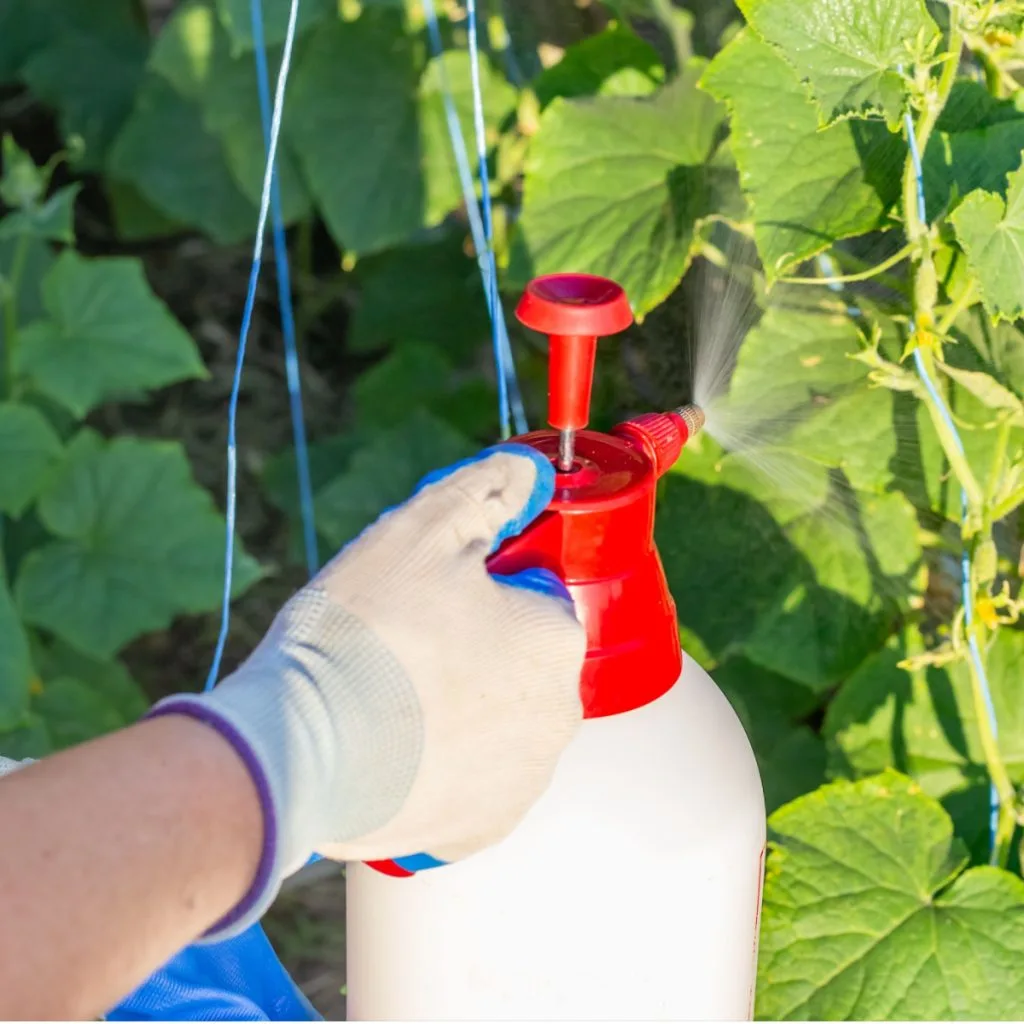
Creating a natural insect-repelling solution, cayenne pepper spray combines the heat of cayenne pepper with water and liquid soap to deter pests from harming your plants. Here are some key facts about cayenne pepper spray:
- Natural Insecticide: Cayenne pepper spray serves as a homemade insecticide that effectively wards off pests like aphids, mites, and caterpillars.
- Safe for Plants: This natural insecticide is safe to use on plants and won’t harm them while keeping pests at bay.
- Direct Application: The cayenne pepper spray can be directly applied to plant leaves, creating a protective barrier against insect damage.
- Pest-Free Environment: Regularly applying cayenne pepper spray helps in maintaining a pest-free garden, ensuring your plants stay healthy and thriving.
7. Onion and Soap Blend
An effective method for safeguarding your plants against pests involves preparing a potent Onion and Soap Blend homemade insecticide solution. This natural recipe combines the strong scent of onions, which repels insects, with the adhesive properties of soap to create a powerful deterrent for pests in your garden. By mixing chopped onions with water and liquid soap, you can create a simple yet effective insecticide that can help protect your plants from damage.
The pungent odor of onions in this homemade insecticide is what drives away pests, while the soap ensures that the solution sticks to the plant surfaces, increasing its efficacy. The easy availability of these ingredients makes this recipe a convenient option for gardeners looking to use natural solutions to combat pests. Regularly applying the onion and soap blend to your plants can help create a protective barrier against unwanted insects, promoting healthier growth and blooming.
8. Eucalyptus Oil Formula
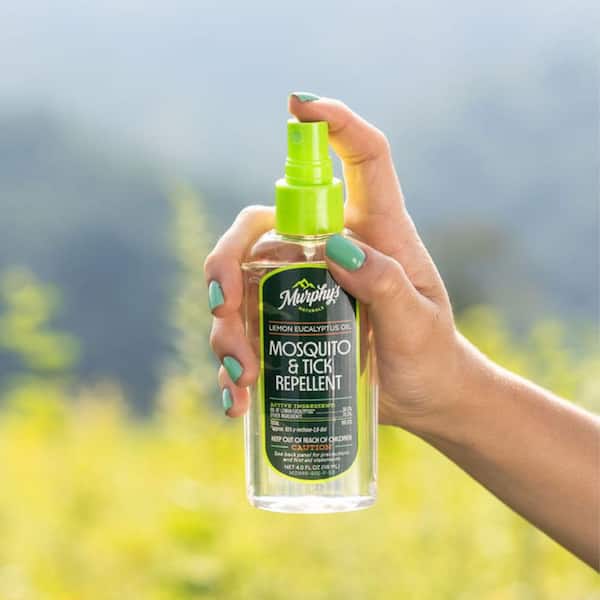
The effectiveness of the Eucalyptus Oil Formula as a natural insecticide stems from its potent repellent properties against a variety of common garden pests. When considering using this formula to protect your plants, remember the following:
- Eucalyptus oil is a natural insecticide: The strong scent of eucalyptus oil acts as a deterrent for insects like mosquitoes, flies, and ants.
- Safe for pets and children: When properly diluted in water, eucalyptus oil is safe for use around pets and children, making it a family-friendly option for homemade bug sprays.
- Simple recipe: Mixing a few drops of eucalyptus essential oil with water and a mild liquid soap can create a powerful insect repellent for your garden.
- Regular application: Applying the eucalyptus oil formula regularly can help protect your plants from a range of garden pests, ensuring your garden stays healthy and thriving.
9. Vinegar Bug Deterrent

When considering natural solutions for repelling common garden pests, the Vinegar Bug Deterrent stands out as an effective and eco-friendly option. This homemade insecticide spray, made by mixing vinegar with water and dish soap, contains acetic acid, which is the key ingredient responsible for repelling pests like ants, moths, roaches, and mosquitoes. The acetic acid in vinegar not only helps in eliminating insects on contact but also does so without causing harm to your plants.
One of the major advantages of using the vinegar bug deterrent is its eco-friendly nature. It is a safe alternative to chemical insecticides and can be used both indoors and outdoors without posing a threat to the environment. By regularly applying this natural solution around your plants, you can maintain a pest-free environment while also ensuring the safety of your plants and the surrounding ecosystem.