

Grow kale, spinach, and chard for leafy greens in sunny spots. Carrots thrive in deep pots with proper drainage and weekly watering. Radishes need sunlight and loose soil for crisp roots. Try turnips in deep containers for a winter harvest. Opt for cold-hardy Brussels sprouts with regular care. Swiss chard and Bright Lights chard add color to pots. Parsnips need deep pots and moist soil. Thin carrots as they grow for best results. For more details on these veggies, explore further into specific care tips for each winter vegetable.
1. Leafy Greens
During the winter months, consider growing leafy greens such as kale, chard, and spinach in pots for a fresh and nutritious addition to your meals. Leafy greens like kale and Swiss chard are excellent choices for winter container gardening due to their cold-hardy nature. These plants can thrive in containers on balconies or patios, providing you with a convenient source of nutrient-rich produce during the colder months.
When growing leafy greens in containers, ensure they receive adequate sunlight, ideally around 6-8 hours per day. Regular watering is crucial, especially in winter when plants may dry out faster due to indoor heating. Using nutrient-rich soil or adding organic fertilizers will help your leafy greens flourish.
Varieties like Swiss chard and Bright Lights chard not only offer nutritional benefits but also add a pop of color to your winter garden. These leafy greens are versatile and can be used in a variety of dishes, from salads to smoothies, soups, and stir-fries. With proper care and attention, growing leafy greens in containers can be a rewarding experience during the winter months.
2. Carrots
:strip_icc()/harvest-carrots-containers-16346dcead1c4748ba0199a89d0c692d.jpg)
Consider growing carrots in pots as a strategic choice for optimizing growth conditions and minimizing challenges like carrot fly infestations in your winter container garden. To start, choose a suitable container with a depth of at least 12 inches to accommodate the carrot roots. An optimal mix for carrots in pots consists of sharp sand mixed with compost in long Tom pots, providing the necessary drainage and nutrients for healthy root development. When selecting varieties, favorites like Early Nantes and Chantenay Red Cored are well-suited for container gardening.
Water is crucial for carrot growth, so ensure to water thoroughly twice a week to keep the soil consistently moist. Direct sowing the seeds in the pot helps to avoid root disturbance and potential carrot fly infestations. As the carrots grow, thin them out to give each plant ample space to develop properly. By following these steps, you can cultivate delicious, homegrown carrots in your winter container garden successfully.
3. Radishes
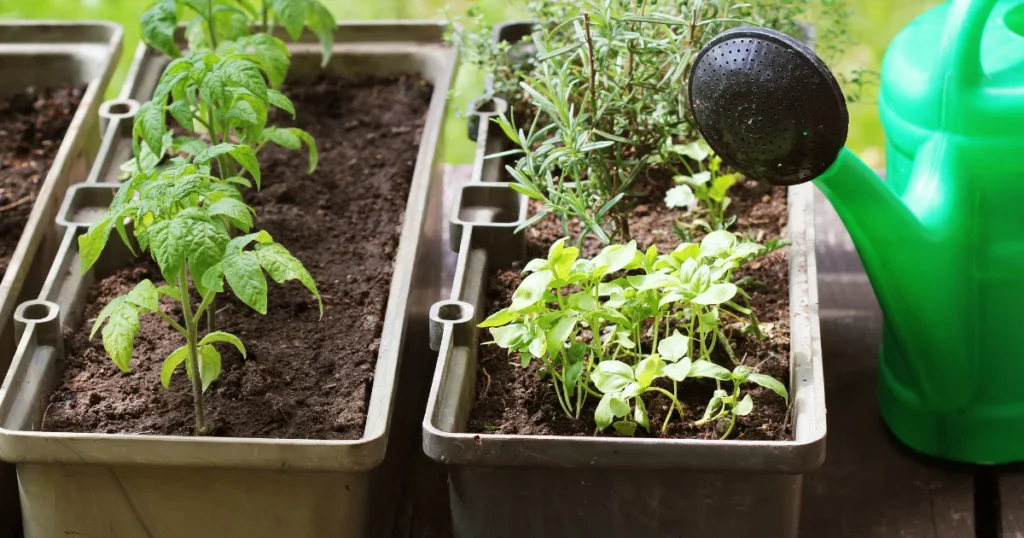
To successfully grow radishes in pots during winter, select suitable varieties such as Cherry Belle, French Breakfast, or Easter Egg for optimal results. Here are three essential tips for successfully growing radishes in containers:
- Choose the Right Container: Opt for a deep container with good drainage to prevent waterlogging. Radishes have shallow roots, so a container at least 6-8 inches deep is ideal. Make sure the pot has drainage holes at the bottom to avoid root rot.
- Use Well-Draining Soil: Radishes thrive in loose, well-draining soil. Use a high-quality potting mix with added organic matter to provide the necessary nutrients. Avoid compacted soil, as it can hinder root development and lead to misshapen radishes.
- Provide Adequate Sunlight: Place your radish container in a location that receives full sun. Radishes require at least 6 hours of sunlight daily to grow well. Inadequate sunlight can result in leggy growth and smaller, less flavorful radishes.
4. Turnips
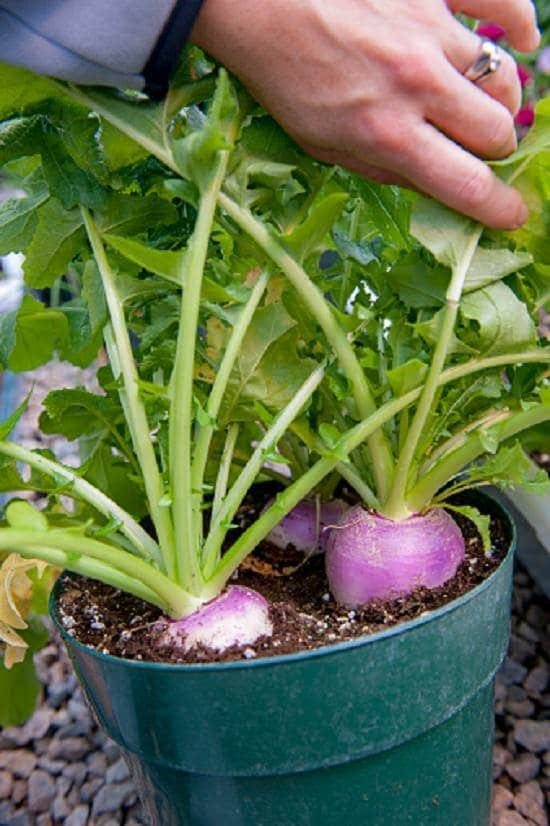
When growing turnips in pots for the winter, ensure you select a suitable container and follow proper planting practices for a successful harvest. Turnips are root vegetables that thrive in containers during the colder months. Start by sowing turnip seeds in pots in late summer to ensure a bountiful late autumn or early winter harvest. These versatile vegetables offer both edible roots and leaves, adding variety to your meals. Turnips are relatively low-maintenance and can be a rewarding addition to your winter vegetable garden. Harvest them when they reach the desired size for optimal flavor and nutrition.
| Tips for Growing Turnips in Pots |
|---|
| Choose a deep container for root growth |
| Use well-draining soil to prevent rot |
| Ensure pots receive at least 6 hours of sunlight daily |
| Water consistently to keep soil moist |
| Harvest turnips promptly for best taste |
5. Brussels Sprouts

Brussels sprouts, being compact plants suitable for container gardening, are an excellent choice for individuals with limited space available. When growing Brussels sprouts in pots during the cold weather, there are a few key points to keep in mind:
- Choose the Right Variety: Opt for cold-hardy varieties like Long Island Improved or Catskills for successful winter container gardening. These varieties are known for their ability to withstand chilly temperatures and produce flavorful sprouts.
- Provide Adequate Care: Regular watering is crucial to keep the soil moist but not waterlogged. Additionally, fertilize your Brussels sprouts in containers to ensure they have the necessary nutrients for growth and development.
- Harvest at the Right Time: For the freshest taste, harvest your Brussels sprouts when the sprouts are firm and reach about 1-2 inches in diameter. This ensures optimal flavor and texture in your home-grown produce.
6. Kale

Kale, a versatile and nutrient-rich green, is an excellent choice for winter container gardening due to its adaptability and flavor profile. When selecting kale varieties for containers in the cold season, consider options like Red Russian and Cavolo Nero, which not only add visual interest but also thrive in homegrown environments. Growing kale in containers during winter enhances its flavor, making it a delicious addition to various dishes such as smoothies, soups, and kale chips. To ensure a successful harvest, pay close attention to potential pests like pigeons and cabbage white butterflies that may target kale in container gardens. By monitoring and addressing pest issues promptly, you can enjoy a bountiful supply of fresh, homegrown kale throughout the winter months, elevating your culinary experience with this nutrient-packed vegetable.
7. Spinach

Spinach, a cold-hardy vegetable suitable for winter container gardening, thrives in colder temperatures and offers a nutrient-rich addition to your homegrown produce. Here’s what you need to know about growing spinach in pots:
- Nutrient-Rich Greens: Spinach is packed with essential nutrients such as iron, vitamins A, and C, making it a valuable addition to your winter diet.
- Well-Draining Soil: Ensure your pots have well-draining soil to prevent waterlogging, which can lead to root rot in spinach plants. A mix of potting soil and perlite works well.
- Varieties for Containers: Consider planting varieties like Bloomsdale or Tyee in your containers. These varieties are well-suited for growing in pots and will provide you with a bountiful harvest of fresh, homegrown greens throughout the winter months.
8. Chard

Growing chard in containers offers a versatile and nutrient-rich addition to your winter gardening endeavors. Swiss chard, a leafy green, is a versatile vegetable that thrives in both cool and hot weather conditions, making it a perfect choice for container gardening. Varieties like Lucullus Light Green and Rhubarb Chard are particularly well-suited for growing in pots. Starting chard in an 8-inch container as early as July allows for a continuous harvest of fresh leaves that are rich in nutrients, perfect for various culinary uses such as salads, stir-fries, and soups. With proper care, your chard plants will provide you with a bountiful harvest throughout the growing season.
| Swiss Chard in Containers | |||
|---|---|---|---|
| Benefits | *Versatile vegetable* | *Nutrient-rich* | *Continuous harvest* |
| Growing Conditions | *Cool and hot weather* | ||
| Culinary Uses | *Salads, stir-fries, soups* |
9. Parsnips
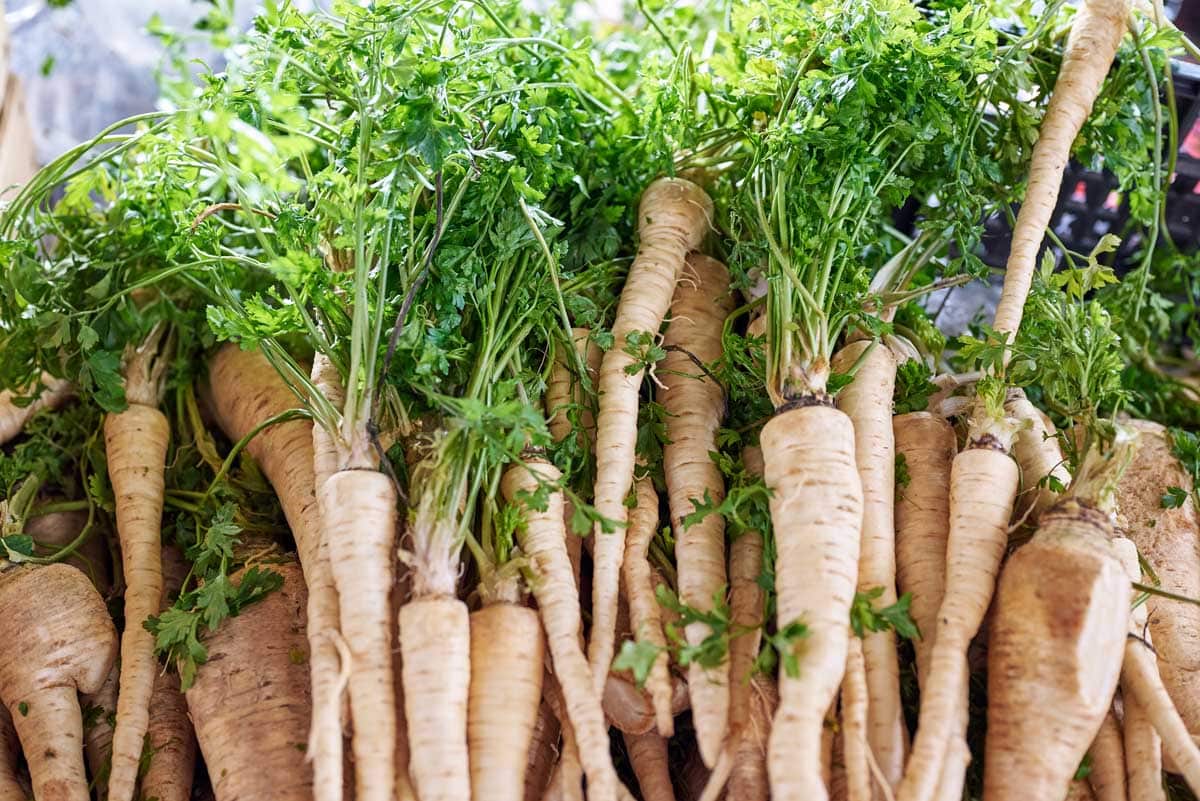
For winter container gardening, parsnips are a hardy root vegetable that thrives in cooler temperatures and requires deep pots or containers to accommodate their long taproots. Here are some essential tips for successfully growing parsnips in pots:
- Deep Pots: Use containers with a minimum depth of 12 inches to allow ample space for the parsnip taproots to develop fully.
- Well-Draining Soil: Ensure the potting mix is loose, well-draining, and enriched with organic matter like compost to support healthy root growth and prevent waterlogging.
- Sowing and Care: Sow parsnip seeds directly into the containers in late summer for a winter harvest. Provide regular watering to keep the soil consistently moist, as proper hydration is crucial for robust root development and successful winter yields.