

For optimal growth in grow bags, consider using Organic Potting Mix, Coco Coir Blend, Peat Moss Mix, Perlite Enriched Soil, Composted Manure Mix, Worm Castings Blend, Sand and Peat Mix, or Homemade Soil Mix. These options offer a range of benefits such as promoting root growth, enhancing nutrient uptake, improving soil structure, and maintaining optimal pH levels. Each soil mix contributes to fostering healthy plants and supporting a thriving garden. To discover how these soils can elevate your gardening experience, explore further details on their specific advantages and composition.
1. Organic Potting Mix

When selecting soils for grow bags, opt for an organic potting mix to provide your plants with a chemical-free and nutrient-rich environment conducive to healthy growth. Organic potting mixes are formulated with a variety of organic matter such as peat moss, perlite, vermiculite, and compost, which work together to create an ideal medium for plant growth. This blend of natural ingredients not only provides essential nutrients but also ensures good drainage and proper aeration, crucial for healthy root development in grow bags.
The organic potting mix is specifically designed to promote robust root growth, leading to stronger plants with vibrant foliage and increased yields. By choosing an organic potting mix, you are creating a safe and sustainable environment for your plants, free from synthetic chemicals and pesticides. This natural approach to soil management fosters a thriving ecosystem within the grow bags, supporting the overall health and productivity of your plants.
2. Coco Coir Blend
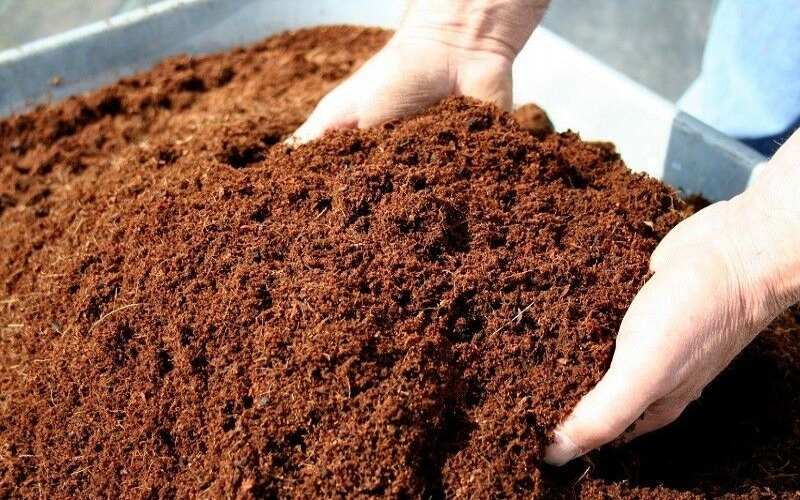
Coco coir, derived from coconut husks, offers numerous benefits for grow bag soil blends. Its moisture retention properties ensure plants receive adequate hydration, while promoting optimal root growth and aeration. When mixed with perlite and compost, coco coir creates a well-draining, nutrient-rich environment ideal for plant cultivation in grow bags.
Benefits of Coco Coir
Derived from coconut husks, coco coir is a sustainable and renewable alternative to peat moss, offering significant benefits for plants grown in grow bags. Its exceptional moisture retention capacity, holding up to 10 times its weight in water, ensures that roots have a consistent water supply, reducing the need for frequent watering. Additionally, coco coir facilitates root aeration within grow bags, preventing soil compaction and enabling roots to access vital oxygen for healthy growth.
Moreover, coco coir’s pH neutrality makes it a versatile choice for various plant species, eliminating the necessity for pH adjustments in the growing medium. This characteristic provides a stable environment for roots to thrive. Furthermore, being free from pests, diseases, and weeds, coco coir guarantees a clean and healthy growing medium, promoting robust plant development in grow bags. Its overall benefits make it an excellent choice for enhancing plant growth and yield in container gardening.
Usage Tips
One effective method to optimize the performance of coco coir blends in grow bags is by incorporating them with other components like perlite and compost to create a well-draining soil mix. This blend enhances moisture retention while ensuring proper drainage, which is crucial for healthy plant growth in grow bags. When creating a soil mix for grow bags using coco coir, aim for a balance that allows water to penetrate easily while preventing waterlogging, as this can lead to root rot. Coco coir’s pH neutrality and nutrient-rich composition make it an excellent base for a soil mix, providing plants with essential elements for growth. Remember to monitor the moisture levels in the grow bags regularly to adjust watering frequency accordingly. By following these usage tips and maintaining a well-draining soil mix, you can harness the benefits of coco coir blends effectively for your plants’ flourishing growth.
Environmental Impact
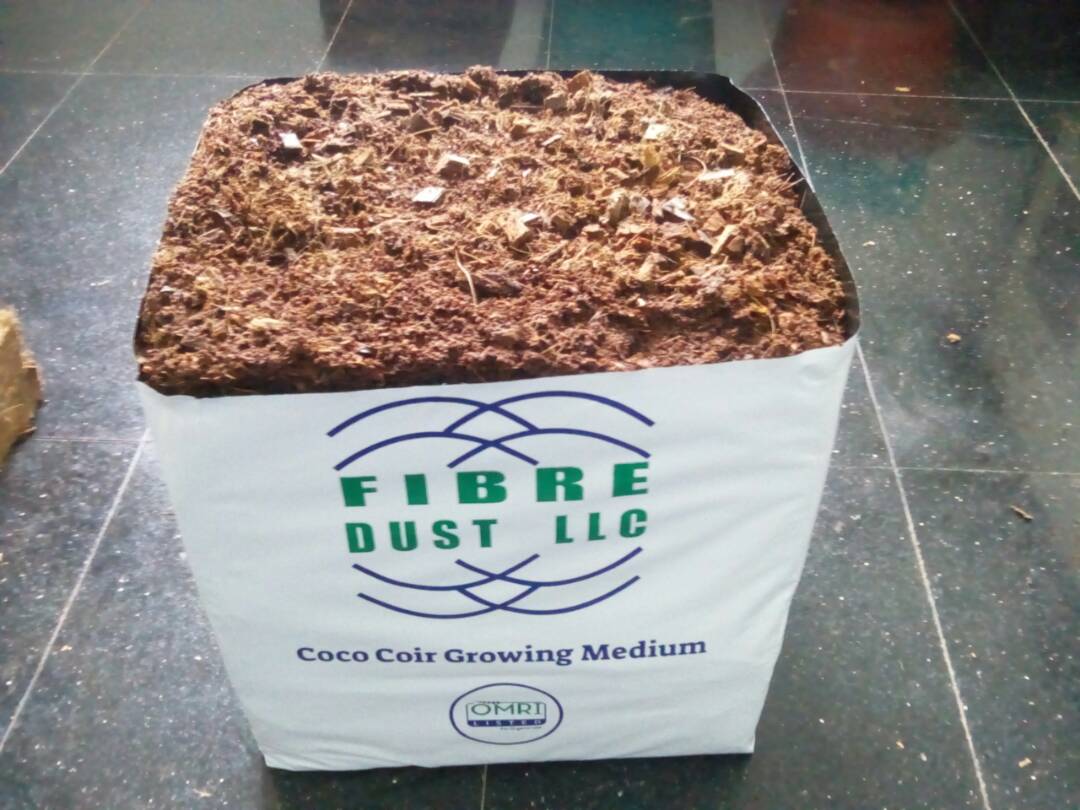
Utilizing a coco coir blend in grow bags offers a sustainable solution that positively impacts the environment while enhancing plant growth. Coco coir, derived from coconut husks, serves as a renewable resource, reducing the ecological strain caused by the unsustainable harvesting of peat moss from peat bogs. Its moisture retention capabilities and aeration properties benefit plant roots within grow bags, aiding in the enhancement of soil structure and nutrient retention. Moreover, the biodegradable nature of coco coir reduces waste and allows for composting after its use, further contributing to environmental sustainability.
| Environmental Impact Features | Coco Coir Blend in Grow Bags |
|---|---|
| Renewable Resource | Yes |
| Reduction of Peat Moss Use | Yes |
| Moisture Retention | High |
| Soil Structure Improvement | Yes |
| Biodegradability | Yes |
2. Peat Moss Mix
:strip_icc()/Peat-Moss-2-83eb6d562b6e43a68e77e359db7dba33.jpg)
Incorporating peat moss mix into grow bag soil enhances moisture retention and fosters optimal root development for plants. Peat moss mix is a vital component in creating an ideal soil environment for plants grown in grow bags. Its ability to retain moisture is particularly beneficial in grow bag gardening, where the limited space and drainage can pose challenges. The organic nature of peat moss mix not only improves soil structure but also aids in the retention of essential nutrients that are crucial for plant growth. Furthermore, the lightweight and workable nature of peat moss mix make it a popular choice among gardeners using grow bags. By combining peat moss mix with other components like perlite and compost, a well-balanced and fertile soil mix is achieved, promoting healthy root systems and overall plant vigor in grow bag cultivation.
3. Perlite Enriched Soil

Adding perlite to grow bag soil enhances drainage and aeration, facilitating healthy root development for a variety of plants. Perlite, a lightweight volcanic glass mineral, is key in promoting optimal growing conditions. By incorporating perlite into the soil mix, you are ensuring improved moisture retention, preventing compaction, and creating essential air pockets within the grow bag. This added aeration allows roots to breathe efficiently and access nutrients more effectively, resulting in robust plant growth.
The perlite-enriched soil mix is particularly beneficial for plants that thrive in well-draining conditions, such as succulents and herbs. The presence of perlite helps prevent waterlogging in grow bags, which can be detrimental to plant health. Overall, the use of perlite in grow bag soil offers a balanced environment for roots to flourish, making it an excellent choice for a wide range of plant species needing aeration and proper drainage for healthy development.
4. Composted Manure Mix

You will find that a nutrient-rich composted manure mix is a valuable addition to your grow bags. This mix not only enhances soil structure but also promotes healthy root growth and improves water retention. The benefits of composted manure include adding essential nutrients like nitrogen, phosphorus, and potassium to the soil, fostering optimal plant growth.
5. Nutrient-Rich Compost

A nutrient-rich compost like composted manure mix significantly enhances the soil quality in grow bags, fostering optimal plant growth and development. When considering nutrient-rich compost for your grow bags, here are some key points to keep in mind:
- Soil Structure: Composted manure mix improves soil structure by providing organic matter that helps create a well-aerated and nutrient-rich environment for plant roots.
- Water Retention: The addition of composted manure mix enhances water retention in grow bag soil, ensuring plants have consistent access to moisture.
- Root Development: Composted manure mix promotes healthy root development, encouraging strong and robust root systems that support overall plant growth.
- Nutrient Uptake: The organic matter in composted manure mix supports beneficial microbial activity, aiding in the efficient uptake of essential nutrients by plants.
- Sustainability: Using composted manure mix in grow bags is a sustainable and eco-friendly practice that reduces reliance on chemical fertilizers, promoting long-term soil health.
Benefits of Manure
Composted manure mix significantly enhances the nutrient profile of grow bag soil, providing essential elements crucial for plant growth and development. By incorporating manure mix into your grow bags, you are enriching the soil with vital nutrients such as nitrogen, phosphorus, and potassium. This nutrient-rich composition not only fosters healthy root development but also improves soil structure by enhancing water retention capacity. The organic matter present in manure encourages beneficial microbial activity, facilitating better nutrient uptake by plants. Moreover, the regular application of composted manure helps maintain optimal soil pH levels, creating a conducive environment for various crops to thrive. Utilizing manure mix in your grow bags can lead to improved soil fertility over time, ultimately resulting in enhanced plant growth and productivity.
| Benefits of Manure Mix | ||
|---|---|---|
| Enriches soil with essential nutrients | Improves soil structure | Enhances nutrient uptake |
6. Worm Castings Blend

Rich in essential nutrients and known for enhancing soil quality, worm castings are a valuable component in creating the ideal grow bag blend. Incorporating worm castings into your grow bag soil mix offers numerous benefits:
- Nutrient-Rich: Worm castings are packed with essential nutrients such as nitrogen, phosphorus, and potassium, vital for plant growth.
- Improved Soil Structure: They enhance soil structure, promoting better aeration and drainage in grow bags.
- Enhanced Plant Growth: The nutrients in worm castings boost plant growth, root development, and overall plant health.
- Slow-Release Nutrients: Their slow-release nature ensures a consistent supply of nutrients over time, supporting long-term plant growth.
- Organic Gardening: Adding worm castings to your grow bag promotes organic and sustainable gardening practices, minimizing the use of synthetic fertilizers.
7. Sand and Peat Mix

The combination of sand and peat in grow bag soil mixes plays a crucial role in ensuring proper drainage and aeration for healthy plant growth. When peat moss is mixed with sand, it creates an ideal soil mix that allows for effective drainage while also retaining moisture essential for plant growth. Peat moss has excellent water retention properties, keeping the soil consistently moist, while the sand in the mix enhances drainage, preventing waterlogging and root rot. This balanced soil texture promotes healthy root development by providing the right balance of water and air in the grow bags.
8. Homemade Soil Mix

Crafting your own soil mix for grow bags can be a cost-effective and tailored approach to meeting the specific needs of your plants. When creating a homemade soil mix, consider incorporating essential components such as compost, vermiculite, and other additives to optimize plant growth. Here are some key points to keep in mind:
- Customizable: Homemade soil mixes allow you to customize the blend based on your plants’ requirements.
- Nutrient-Rich: Compost, a common ingredient in homemade soil mixes, provides vital nutrients for plant development.
- Moisture Retention: Vermiculite, a lightweight additive, helps retain moisture in the soil mix, promoting healthy root growth.
- Cost-Effective: Making your own soil mix can be more economical in the long run compared to purchasing pre-made mixes.
- Tailored Composition: Adjust the proportions of compost, vermiculite, and other components to suit the specific needs of the plants grown in your grow bags.