

Beware of Jumping Worms, known for their voracious appetite and disruptive soil behavior. Watch out for Tomato Hornworms, as they can cause visible damage to tomato plants. Be cautious of Grub Worms, whose larvae feed on roots and stunt plant growth. Guard against Cutworms that wrap around and chew through plant stems. Earthworms can also raise concerns about ecosystem balance. Keep an eye out for Wireworms and Root Knot Nematodes in your garden soil. Learning to identify and manage these worms is crucial for a thriving garden.
1. Jumping Worms

Jumping worms, known for their voracious appetite for organic matter, can significantly impact the quality of garden soil. These invasive worms, often referred to as Asian jumping worms, have a detrimental effect on soil health by consuming the rich organic material vital for plant growth. Their aggressive feeding behavior leads to a breakdown of soil structure and a decrease in nutrient content, making it challenging for plants to thrive.
One distinguishing feature of jumping worms is their ability to jump up to a foot in the air when disturbed, showcasing their unique and agile nature. These worms can be identified by the smooth, milky-colored band known as the clitellum that wraps around their body. Additionally, they leave behind coarse coffee ground-like castings on the soil surface, further indicating their presence.
To manage jumping worms and prevent the degradation of garden soil, it is recommended to physically remove and properly dispose of these invasive species to curb their spread. By taking proactive measures, gardeners can protect the integrity of their soil and promote a healthy gardening environment.
2. Tomato Hornworms
:max_bytes(150000):strip_icc()/GettyImages-1285617372-abe7aa8ae9e4436a9a0d12393ff7aa52.jpg)
Tomato hornworms, voracious pests with a strong appetite for tomato plants, can wreak havoc in garden settings. These green caterpillars, sometimes reaching a size of a mustard seed, are known for their destructive feeding habits. Apart from tomatoes, they also target peppers and eggplants, causing visible damage by chewing on leaves and leaving behind their droppings. When fully grown, tomato hornworms can grow up to four inches in length, making them easy to spot on plants.
To control these pests, consider relocating them by handpicking them off plants and moving them elsewhere. Alternatively, attracting bug-eating birds like robins or chickadees to your garden can help naturally manage the hornworm population. It’s crucial to address hornworm infestations promptly, especially during the growing season, as they have the potential to cause significant harm to your plants if left unchecked.
3. Grub Worms
.jpg)
Grub worms, as the larvae of scarab beetles, pose a threat to garden plants by feeding on their roots. These underground pests can wreak havoc on your garden if left unchecked. Here are some key points to consider:
- Identification: Grub worms are creamy white in color with a distinct C-shaped body. They are commonly found just below the soil surface.
- Damage: Their feeding activity can lead to wilting, yellowing, and stunted growth of plants due to root destruction.
- Infestation Levels: Significant damage occurs when there are five or more grub worms per square foot in the soil.
- Control Methods: One effective way to manage grub worm populations is by physically removing them and exposing them to natural predators like birds, reducing their numbers and minimizing plant damage.
Regular monitoring of your garden soil for the presence of grub worms is crucial to prevent severe infestations and protect the health of your plants.
4. Cutworms

When dealing with garden pests that target young plants, cutworms are a common threat due to their feeding habits and potential for causing significant damage. Cutworms are known for wrapping around plant stems and chewing through them, posing a risk to various flowers, fruits, and vegetables in the garden. These destructive pests can lead to the demise of entire plants if left unchecked, making them a serious concern for gardeners.
To combat cutworm infestations, it is essential to take preventive measures such as tilling the soil in the spring to disrupt their lifecycle and removing dead plants that can attract these pests. Additionally, creating physical barriers around the stems of young plants can offer protection against cutworm damage, preventing them from reaching and feeding on the plant tissues.
5. Earthworms Concerns
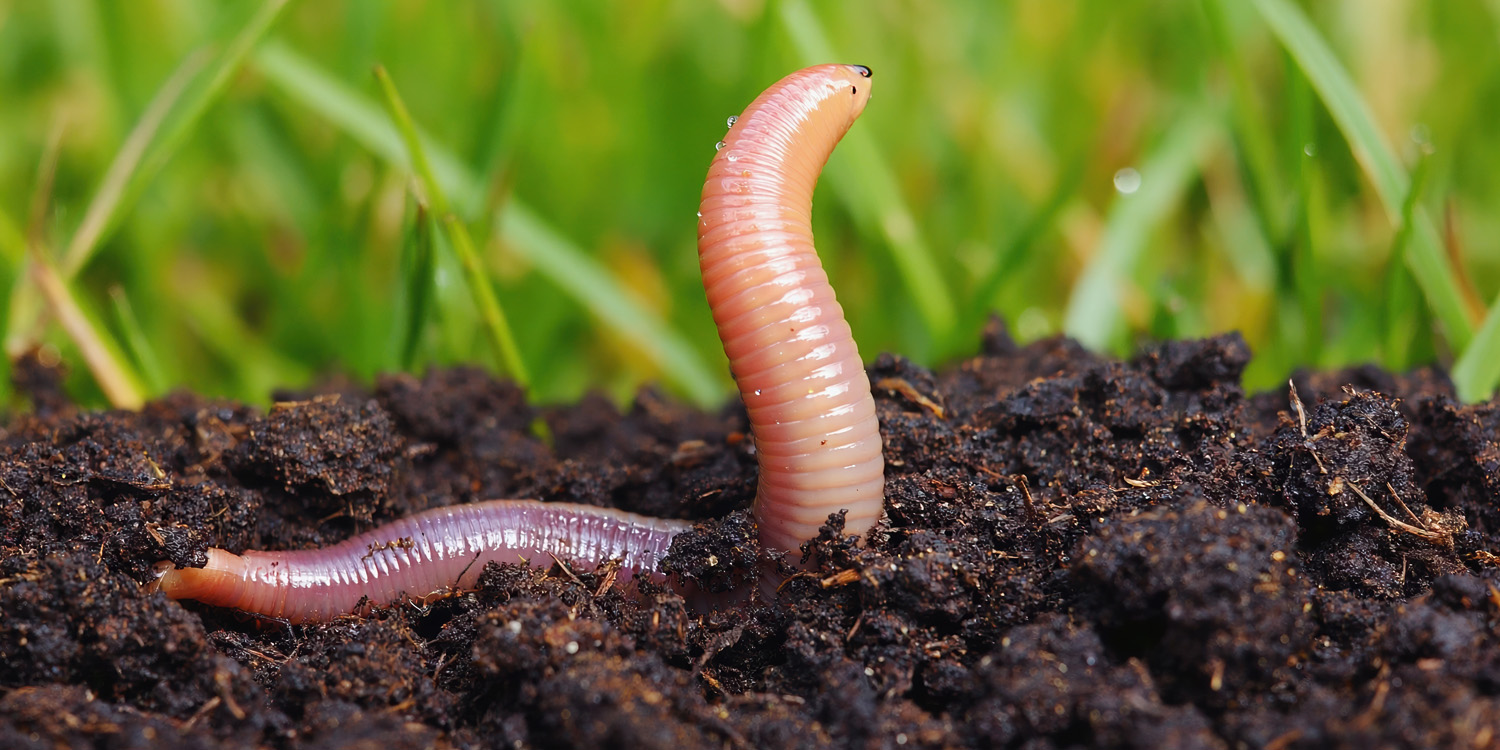
The presence of earthworms in garden soil raises concerns regarding their impact on native ecosystems and the need for careful management in garden settings. While earthworms are commonly seen as beneficial in gardens due to their soil-aerating and nutrient-recycling abilities, they can also be problematic when they are invasive species. Here’s what you need to know:
- Non-native Invasion: All earthworms found in North America are non-native and invasive, as the native earthworm populations were wiped out during the last ice age.
- Threat to Ecosystems: These invasive earthworms can disrupt the balance of native ecosystems, affecting plant communities and soil structure.
- Prevention: To prevent further disruption, it is advised not to introduce additional earthworms to your garden intentionally.
- Natural Attraction: Instead of purchasing earthworms, you can attract them naturally by creating suitable habitats with organic matter and maintaining moist soil conditions.
6. Wireworms

In garden soil, wireworms, the larvae of click beetles with hard, shiny bodies, pose a threat to plant health by feeding on seeds, roots, and underground stems. These pests can linger in the soil for several years, causing damage across multiple planting seasons. Their presence often results in poor germination rates and can lead to stunted growth in affected plants.
To manage wireworm infestations, consider implementing effective control methods. Crop rotation is a practical strategy to disrupt the life cycle of wireworms and reduce their population in the soil. Additionally, introducing beneficial nematodes, which are natural predators of wireworms, can help in controlling their numbers and minimizing the damage they cause to plants.
Being vigilant about wireworm activity and promptly addressing any signs of infestation can significantly contribute to maintaining the health and productivity of your garden. By understanding the behavior and lifecycle of wireworms, you can implement targeted measures to mitigate their impact and protect your plants from harm.
7. Root Knot Nematodes

To effectively manage root knot nematodes in your garden soil, understanding their microscopic nature and the damage they cause to plant roots is crucial. Root knot nematodes are tiny roundworms that parasitize plant roots, causing significant harm. Here are some key points to consider:
- Root knot nematodes are microscopic roundworms that attach themselves to plant roots.
- They induce the formation of galls or knots on the roots, impeding the plant’s ability to uptake nutrients and water effectively.
- Infestations by these nematodes can result in stunted growth, wilting, and decreased crop yields in a wide range of plants.
- Effective methods for controlling root knot nematodes include crop rotation, planting resistant varieties, and implementing soil solarization techniques to reduce nematode populations.