

When growing red creeping thyme in Texas, choose vibrant, pest-free plants with well-developed roots. Place them in full sunlight with well-drained soil and space them around 16 inches apart for proper growth. Water moderately and fertilize in spring, monitoring soil moisture closely. Mulching with organic materials in early spring helps control weeds. Prevent root rot by enhancing drainage with sand, monitoring soil moisture, and avoiding overwatering. Following these six tips meticulously will ensure your red creeping thyme thrives in the Texas landscape.
1. Selecting Healthy Plants

Choose red creeping thyme plants with vibrant, lush foliage to ensure you are starting with healthy specimens for your garden. When selecting your red creeping thyme plants, it is crucial to inspect them for any signs of pests or diseases that could harm the plant. Opt for plants with well-developed root systems, as this indicates they are better equipped to establish themselves in your garden successfully. Avoid purchasing red creeping thyme plants with wilted or discolored leaves, as they may struggle to thrive once planted. Nursery-bought plants are generally a safer bet, as they have been cared for by professionals and are more likely to transition smoothly into your garden environment. By being meticulous in your selection process and prioritizing the health and vitality of the plants you choose, you set a strong foundation for growing vibrant red creeping thyme in your Texas garden.
2. Ideal Sun and Soil Conditions
Red Creeping Thyme thrives best in full sunlight, making it an excellent choice for the sunny climate of Texas. This plant’s preference for full sun exposure is crucial for its optimal growth and the development of vibrant blooms. In Texas, where dry conditions are common, the drought-tolerant nature of Red Creeping Thyme makes it a resilient option for gardeners. To ensure successful cultivation, it is essential to plant this species in well-drained soil. Texas’s various soil types are generally suitable for Red Creeping Thyme, as it is adaptable and can thrive in different environments. By providing the ideal combination of full sun and well-drained soil, gardeners in Texas can promote the healthy growth and beautiful appearance of Red Creeping Thyme in their landscapes. Remember, the key to success lies in understanding and meeting the sun and soil requirements of this versatile plant.
3. Timing and Plant Spacing
For successful growth and optimal coverage of red creeping thyme in Texas, precise timing and appropriate plant spacing are essential factors to consider. When planting red creeping thyme in Texas, aim for early spring or fall to promote strong establishment. Space individual plants around 16 inches apart to allow for proper spreading and coverage. Visualizing the growth pattern and density of mature plants before planting is crucial to achieve the desired carpet-like effect. Consider the size of mature plants when spacing them to avoid overcrowding or unsightly gaps in the landscape. Ensuring the right timing and spacing are in place will set the stage for successful growth and a lush appearance of red creeping thyme in your Texas garden. Proper planning in these aspects will help you create a beautiful and thriving bed of red creeping thyme that enhances the overall aesthetics of your outdoor space.
4. Proper Watering and Fertilization
When tending to your red creeping thyme in Texas, ensuring proper watering and fertilization practices is key to supporting its growth and health. Water your red creeping thyme moderately, allowing the soil to dry slightly between waterings to prevent root rot. During the hot Texas summers, consider additional watering to support the plant’s drought tolerance. In spring, apply organic fertilizer to promote lush growth and maintain the plant’s health. Topdressing with compost can provide essential soil nutrients, aiding in the plant’s growth. It’s essential to monitor soil moisture levels, especially when starting red creeping thyme, as younger plants may require more frequent watering compared to established ones. By following these watering and fertilization guidelines, you can ensure that your red creeping thyme thrives in the Texan climate and remains healthy and vibrant throughout the growing season.
5. Mulching for Weed Control

To effectively control weeds around your red creeping thyme in Texas, mulching serves as a practical solution by creating a barrier that inhibits weed growth. Organic mulches such as wood chips or straw can be applied around the plants to suppress weeds and retain soil moisture, reducing the need for frequent watering, especially in hot climates like Texas. Mulching in early spring not only helps in weed control but also maintains soil temperature, providing winter protection for the roots of red creeping thyme. It is crucial to regularly weed the area around the thyme plants in the first season to prevent competition for nutrients and space. By implementing a proper mulching routine, you can create an environment that supports the growth of red creeping thyme while keeping weeds at bay, ensuring a healthy and flourishing garden bed.
6. Preventing Root Rot
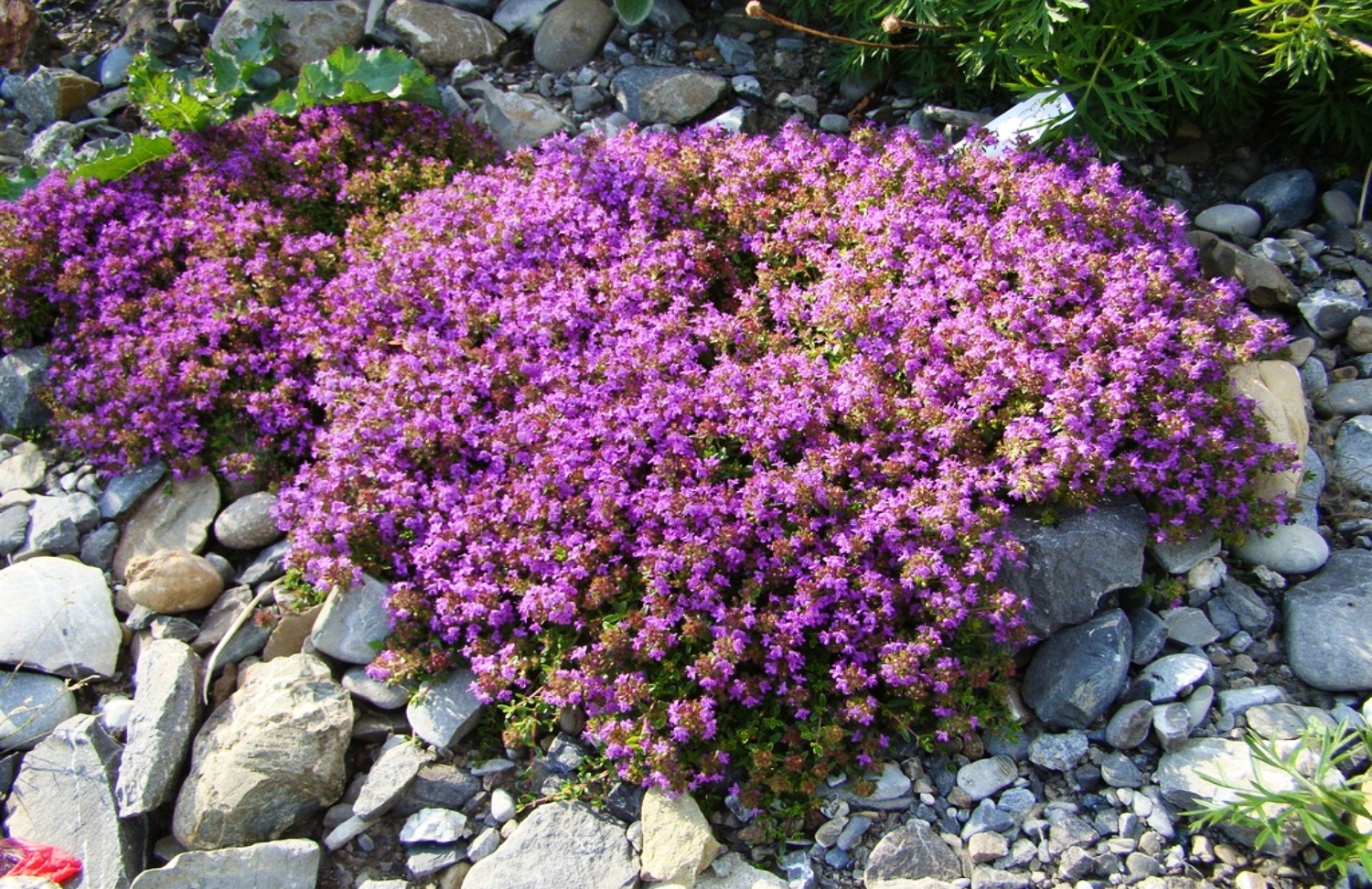
Enhance the drainage around your red creeping thyme plants in Texas to prevent root rot by amending the soil with sand and organic matter. Proper soil structure is essential for red creeping thyme, as excess moisture from poor drainage can lead to root rot, compromising the plant’s health. Mulching around your red creeping thyme plants can help maintain optimal moisture levels and prevent waterlogging, a key factor in root rot development. Regularly monitor soil moisture levels to avoid overwatering, a common culprit behind root rot in thyme plants. Red creeping thyme’s natural pest resistance can be weakened by root rot, underscoring the importance of ensuring adequate soil drainage for overall plant health. By taking proactive steps to amend the soil, improve drainage, and regulate moisture levels, you can effectively prevent root rot and promote the flourishing growth of your red creeping thyme in Texas.