

When considering worm castings, be aware of limitations like slow reproduction affecting volume yield. Nutrient content can vary, necessitating additional fertilizers for specific plants. Labor-intensive processes and slow production rates may pose challenges. While worm castings enrich soil, they can be costly compared to other organic options. However, exploring alternatives based on cost, nutrient diversity, and convenience could optimize your gardening efforts.
1. Quantity and Volume Yield

Acquiring a substantial quantity of worm castings can pose a challenge for gardeners due to the slow reproduction rate of worms, which limits the volume yield available for gardening purposes. Worm castings accumulate slowly, making it difficult to amass the necessary amount for larger gardening projects in a timely manner. The limited supply of worm castings necessitates the use of other organic fertilizers to supplement garden nutrient requirements. Gardeners may find themselves needing to source additional fertilizers due to the finite quantity of worm castings that can be obtained. Furthermore, the small size of worms contributes to the challenge of acquiring a substantial amount of worm castings efficiently. Considering these factors, gardeners must plan strategically and use worm castings judiciously at the beginning of the gardening season to optimize their benefits while accommodating their limited quantity and volume yield in larger gardening endeavors.
2. Nutrient Content and Diversity
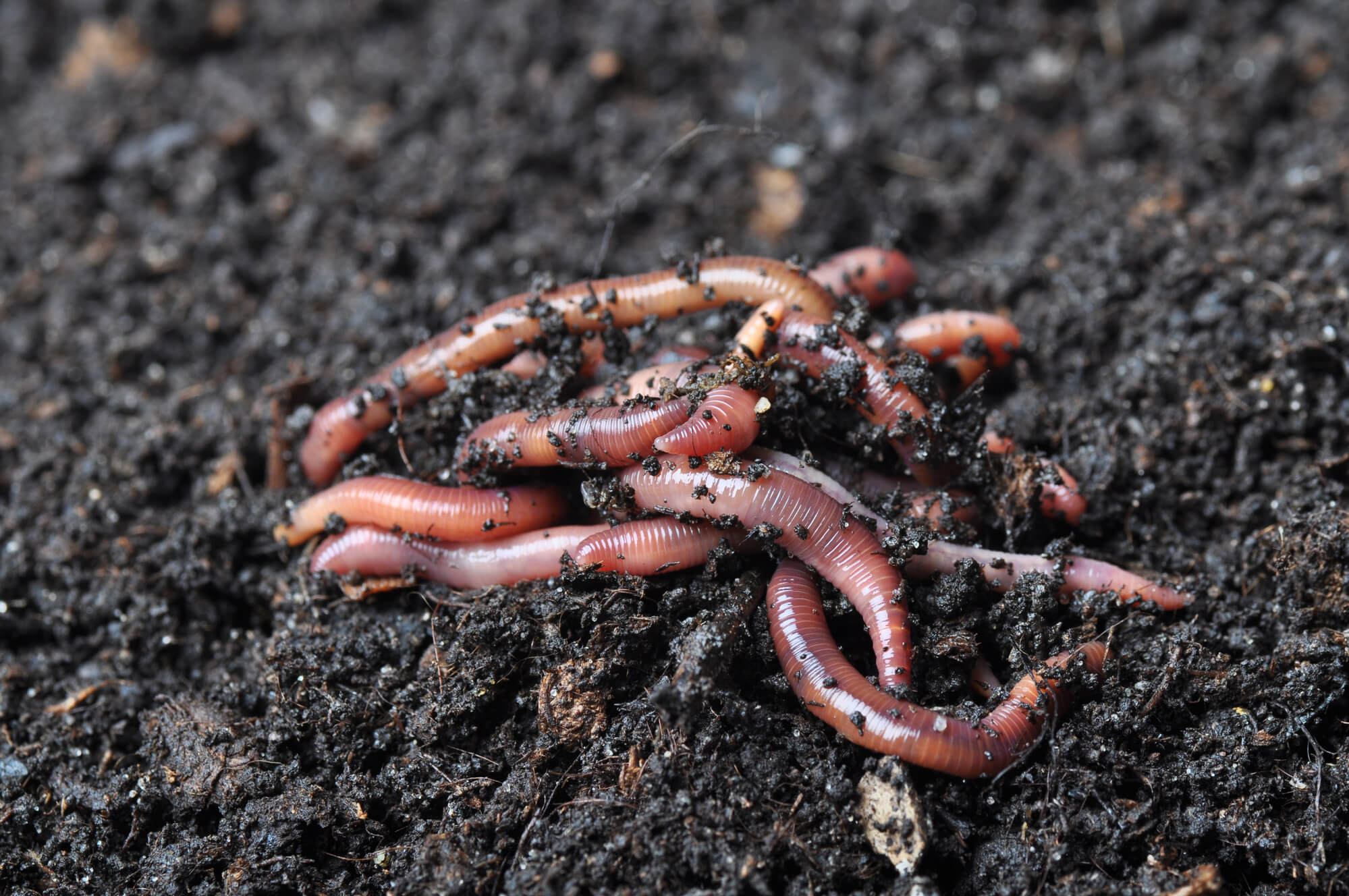
The nutrient content and diversity of worm castings play a critical role in determining their effectiveness as organic fertilizers for plant growth and development. Worm castings, although rich in organic matter, may not always provide all the necessary nutrients plants require. Here are some key points to consider:
- Worm castings may have a lower NPK ratio compared to synthetic fertilizers, affecting overall nutrient levels.
- The diversity of nutrients in worm castings depends on the variety of organic matter consumed by worms during the vermicomposting process.
- Plants with specific nutrient needs may necessitate supplemental fertilizers in addition to worm castings.
- Nutrient content variability in worm castings can impact plant development and growth outcomes.
- Understanding the nutrient composition of worm castings is fundamental for ensuring proper plant nutrition and addressing any deficiencies that may arise.
3. Production Time and Process

Harvesting worm castings involves a labor-intensive process that includes feeding worms, emptying the farm, and sifting the castings to separate bedding from pure worm castings. The time-consuming nature of sifting adds to the dedicated effort required for this task. Additionally, the slow reproduction rate of worms limits the quantity of worm castings that can be produced within a specific timeframe. This slow production time can be a disadvantage for those who require a large amount of worm castings regularly. To save time and streamline the process, some individuals opt to purchase pre-sifted worm castings instead of going through the manual labor involved in harvesting and sifting. By choosing pre-sifted castings, one can bypass the labor-intensive aspects of worm castings production, making it a more convenient option for those looking to incorporate worm castings into their gardening or farming practices without the hassle of the intricate production process.
4. Organic Matter Composition

Understanding the organic matter composition of worm castings is crucial for grasping their significance in enhancing soil quality and promoting plant growth. Worm castings are a powerhouse of organic matter, containing essential nutrients and microorganisms vital for plant health. Here are some key points highlighting the importance of organic matter composition in worm castings:
- Soil Structure: The rich organic matter content in worm castings improves soil structure, creating a healthy environment for plant roots to thrive.
- Water Retention: The organic matter in worm castings enhances water retention in the soil, ensuring plants have access to moisture when needed.
- Aeration: High levels of organic matter in worm castings promote soil aeration, preventing compaction and allowing roots to breathe.
- Microbial Activity: The composition of organic matter in worm castings boosts microbial activity in the soil, supporting nutrient cycling essential for plant growth.
- Strong Roots: With a natural source of organic matter, worm castings facilitate the development of strong and healthy plant roots, fostering overall plant vigor.
5. Cost and Affordability

Analyzing the cost-effectiveness of worm castings compared to other organic fertilizers is essential for informed decision-making in gardening practices. While worm castings offer valuable nutrients and microbial activity, they can be more expensive than traditional compost or synthetic fertilizers, impacting the overall budget for gardening projects. The price of worm castings is influenced by various factors such as production methods, quality, and the quantity required for specific garden areas. Individuals operating on a tight budget may find it challenging to afford significant quantities of worm castings, especially for extensive gardening endeavors.
To ensure cost-effectiveness, gardeners should consider alternative organic fertilizers or compost options that may provide similar benefits at a lower cost. By evaluating the quality, quantity, and overall price of worm castings in comparison to other products, individuals can make economical choices that align with their gardening needs. It is crucial to weigh the advantages of using worm castings against their cost implications to determine the most financially viable solution for sustainable gardening practices.