

Harness the power of molasses to optimize your plant’s health and growth. Improve soil nutrition, foster microbial growth, supply vital organic nutrients, enhance disease resistance, and protect against pests. Molasses enhances soil nutrition by providing essential micronutrients and promoting enzyme function. It boosts microbial growth, aiding nutrient absorption and acting as a natural chelating agent. As an organic nutrient source, molasses enhances microbial activity and fosters plant growth. It also fortifies plant immune systems, leading to better health and disease resistance. Plus, it enhances plant vigor and acts as a natural insecticide. Optimize your plant’s potential with molasses.
1. Improved Soil Nutrition
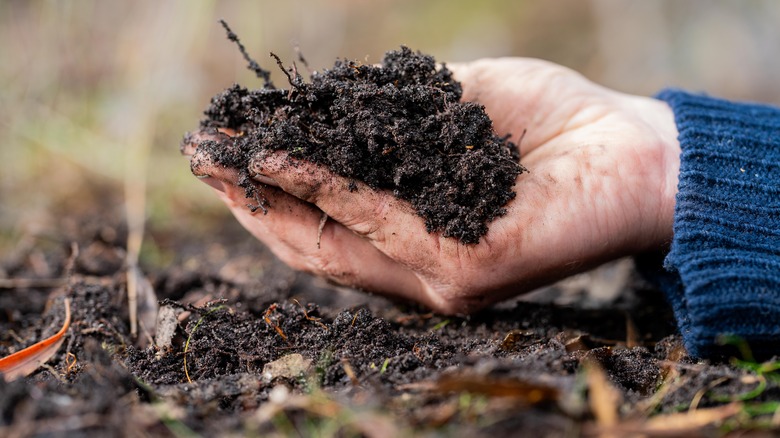
Enhancing soil nutrition through the application of molasses provides essential micronutrients and promotes enzyme function for optimal soil health and plant growth. Molasses is an organic source of micronutrients such as calcium, magnesium, iron, and potassium, which are crucial for plant development. These micronutrients play a vital role in various plant processes, aiding in photosynthesis, nutrient uptake, and overall growth.
2. Enhanced Microbial Growth

Molasses plays a crucial role in enhancing microbial growth in the soil by promoting the proliferation of beneficial microorganisms. This enhancement is vital for several reasons:
- Molasses boosts enzyme function and improves protein structures within the microbes.
- Increased microbial growth leads to better nutrient absorption by plants.
- Acting as a natural chelating agent, molasses enhances soil structure and aeration, promoting healthy root development.
- The beneficial microbes fostered by molasses help plants resist diseases and pests more effectively, reducing the need for chemical interventions.
- Overall, the improved microbial activity in the soil due to molasses application creates a balanced ecosystem that supports plant growth and health in a sustainable manner.
3. Organic Nutrient Source
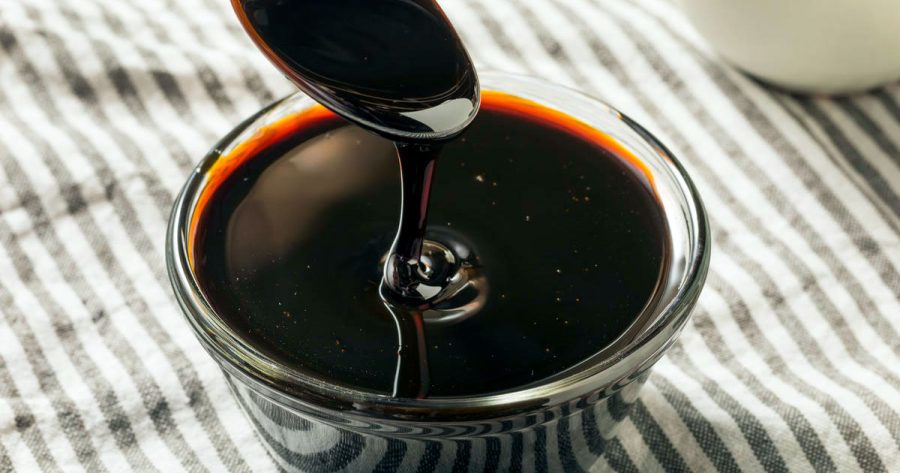
Blackstrap molasses offers a rich source of essential micronutrients, including calcium, magnesium, iron, and potassium, making it a valuable organic nutrient option for plants. These micronutrients are crucial for various plant functions, such as photosynthesis, enzyme activation, and overall growth. When used as an organic nutrient source, molasses aids in enhancing microbial activity in the soil. This, in turn, promotes the growth of beneficial microorganisms that contribute to nutrient uptake by plants. Furthermore, molasses acts as a chemical-free insecticide, creating an environment that deters harmful pests, thus maintaining plant health.
In addition to providing essential micronutrients, molasses can also be utilized in organic liquid fertilizers to support plant growth and vigor. Its application ensures that plants receive a balanced nutrient supply, enhancing the health of both the roots and the leaves. By incorporating unsulfured blackstrap molasses into your gardening routine, you not only boost plant nutrition but also foster a thriving microbial community that benefits overall soil health and plant development.
4. Increased Disease Resistance
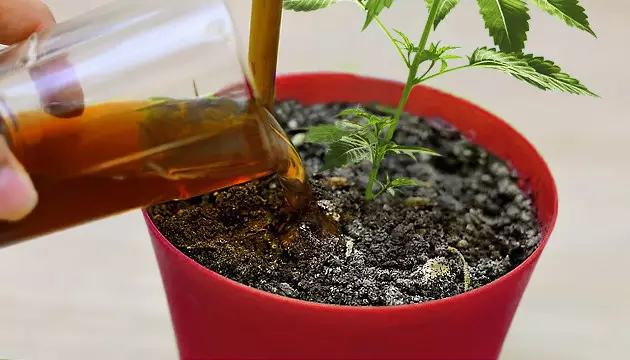
How does the application of molasses contribute to plants’ ability to resist diseases and infections? Molasses plays a crucial role in enhancing disease resistance in plants by fortifying their immune systems and aiding in the fight against pathogens and infections. Here are some key points to consider:
- Nutrient Boost: The nutrients present in molasses provide plants with the necessary elements to combat diseases effectively.
- Improved Plant Health: Regular use of molasses can lead to overall better plant health, making them less susceptible to various infections.
- Defense Against Pathogens: Molasses helps bolster the plant’s natural defenses, making it more resilient against fungal and bacterial infections.
- Higher Yields: By increasing disease resistance, molasses contributes to the production of healthier plants, ultimately resulting in higher yields.
- Enhanced Immune Systems: Molasses aids in strengthening the plant’s immune response, further reducing the likelihood of succumbing to diseases.
Incorporating molasses into plant care routines can significantly impact disease resistance, leading to stronger, healthier plants with improved productivity.
5. Pest Protection and Vigor

Enhancing plant vigor through the application of molasses results in increased resistance to various pests and insect attacks. Molasses acts as a natural insecticide in organic gardening, deterring common pests such as aphids, ants, and root knot nematodes. The regular use of molasses as a plant fertilizer boosts plant vitality, making them less susceptible to pest infestations. This method of pest control is not only non-toxic but also cost-effective.
The key lies in the interaction between molasses and soil microbes. The beneficial microbes present in the soil thrive on the sugars in molasses, promoting their growth and activity. As a result, the soil becomes more biologically active, leading to improved plant health and increased pest resistance. By incorporating molasses into your gardening routine, you not only provide essential nutrients to your plants but also create a natural defense system that enhances their overall resilience against pests.