

When growing asparagus, steer clear of planting alliums, potatoes, carrots, beans, and chives nearby. Alliums like onions and garlic compete for nutrients and may introduce diseases harmful to asparagus. Potatoes can damage asparagus roots and both have different nutrient needs. Carrots’ deep roots disrupt asparagus growth and both plants require different soil conditions. Beans disrupt nutrient balance crucial for asparagus growth and may attract pests. Chives create nutrient competition with asparagus, hindering yields. Choosing the right companions can lead to healthier asparagus and improved harvests.
1. Alliums (Onions, Garlic, Leeks)
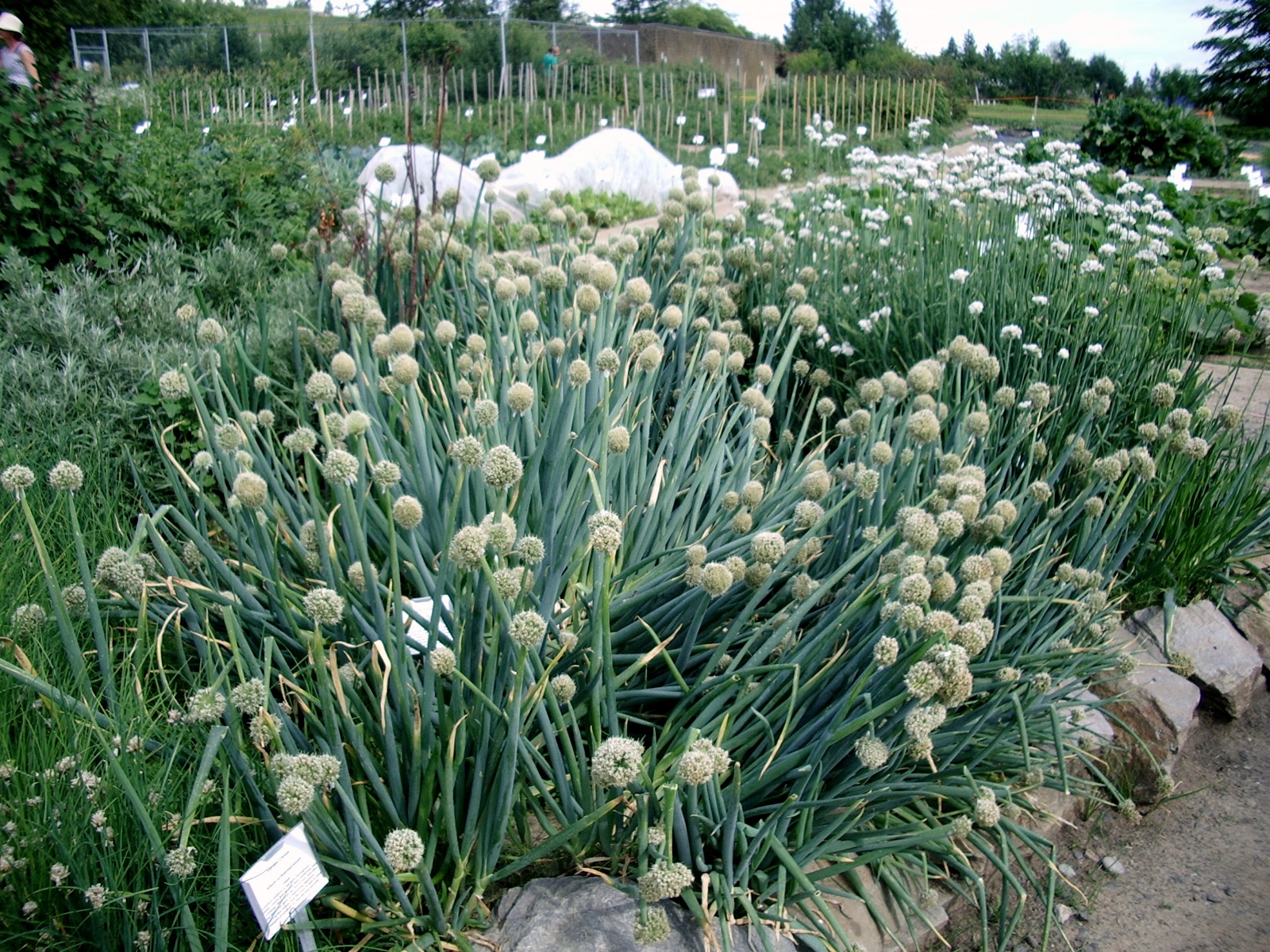
Planting alliums like onions, garlic, and leeks near your asparagus may lead to nutrient competition and potential soil-borne diseases that can harm the growth of your asparagus plants. Alliums, part of the Allium family, are known for their pungent aroma that can deter pests. However, when used as companion plants for asparagus, they can negatively impact soil health. These plants compete with asparagus for essential nutrients, moisture, and space in the soil, leading to a disruption in the growth of deep asparagus crowns and overall plant health.
The nutrient competition between alliums and asparagus can significantly impact the growth of asparagus plants. Additionally, alliums may introduce Fusarium spp. to the soil, which can cause diseases detrimental to asparagus. To maintain optimal soil health and promote the growth of your asparagus, it is crucial to avoid planting alliums near your asparagus beds. By steering clear of alliums as companion plants, you can ensure that your asparagus plants thrive without facing the negative consequences of nutrient competition and potential soil-borne diseases.
2. Potatoes

Avoiding the planting of potatoes near your asparagus is essential due to their nutrient-hungry nature and potential to compete for resources. When considering companion plants for your asparagus bed, steer clear of potatoes to prevent negative impacts on both crops. Here’s why:
- Root Damage: Potatoes have a vigorous root system that can interfere with the delicate root structure of asparagus, leading to stunted growth and reduced yield.
- Nutrient Requirements: Asparagus and potatoes have different soil nutrient needs, with potatoes requiring high levels of certain nutrients that may deplete the soil, leaving the asparagus without essential elements for growth.
- Aphid Attraction: Potatoes are known to attract aphids, which can not only damage the potato plants but also spread to the asparagus, causing harm to its health.
- Incompatible Soil Conditions: Asparagus thrives in well-drained, slightly acidic soil, whereas potatoes prefer more moisture and a slightly acidic to neutral pH, making them incompatible companions in terms of soil conditions.
3. Carrots

Carrots are not recommended as companion plants for asparagus due to their deep root system, which poses a threat to the delicate roots of the asparagus plant. Planting carrots near asparagus can lead to nutrient competition and hinder the growth and development of both plants. The deep-reaching roots of carrots may disrupt the deep crowns of asparagus, affecting their overall health and productivity. Carrots and asparagus conflict in terms of nutrient requirements, making them unsuitable companions in the garden.
The deep root system of carrots allows them to absorb water and nutrients from deeper soil layers, potentially depriving the shallow-rooted asparagus of essential resources. This nutrient competition can stunt the growth of both plants and lead to decreased yields. Additionally, asparagus requires well-drained soil, while carrots prefer more moisture, further complicating their coexistence. To ensure the optimal growth of asparagus, it is best to avoid planting carrots nearby, allowing the asparagus to thrive without facing unnecessary challenges.
4. Beans

When considering companion planting for your asparagus, it is advisable to be cautious with beans due to their nitrogen-fixing properties and potential impact on the nutrient balance crucial for optimal asparagus growth. Beans, while beneficial in some contexts, may not be the best choice for planting alongside asparagus due to the following reasons:
- Nitrogen-fixing: Beans fix nitrogen in the soil, leading to nutrient competition that can hinder the growth of asparagus.
- Root Damage: Beans prefer well-drained soil, which may not align with the moisture needs of asparagus, potentially causing root damage and stunted growth.
- Nutrient Competition: The nitrogen-fixing capabilities of beans can disrupt the delicate nutrient balance necessary for healthy asparagus growth and development.
- Pest Management: Planting beans near asparagus could attract aphids, posing challenges for pest management in the garden.
Considering the nutrient requirements, growth habits, and potential drawbacks of beans, it is best to avoid them as companion plants for supporting thriving asparagus crops.
5. Chives
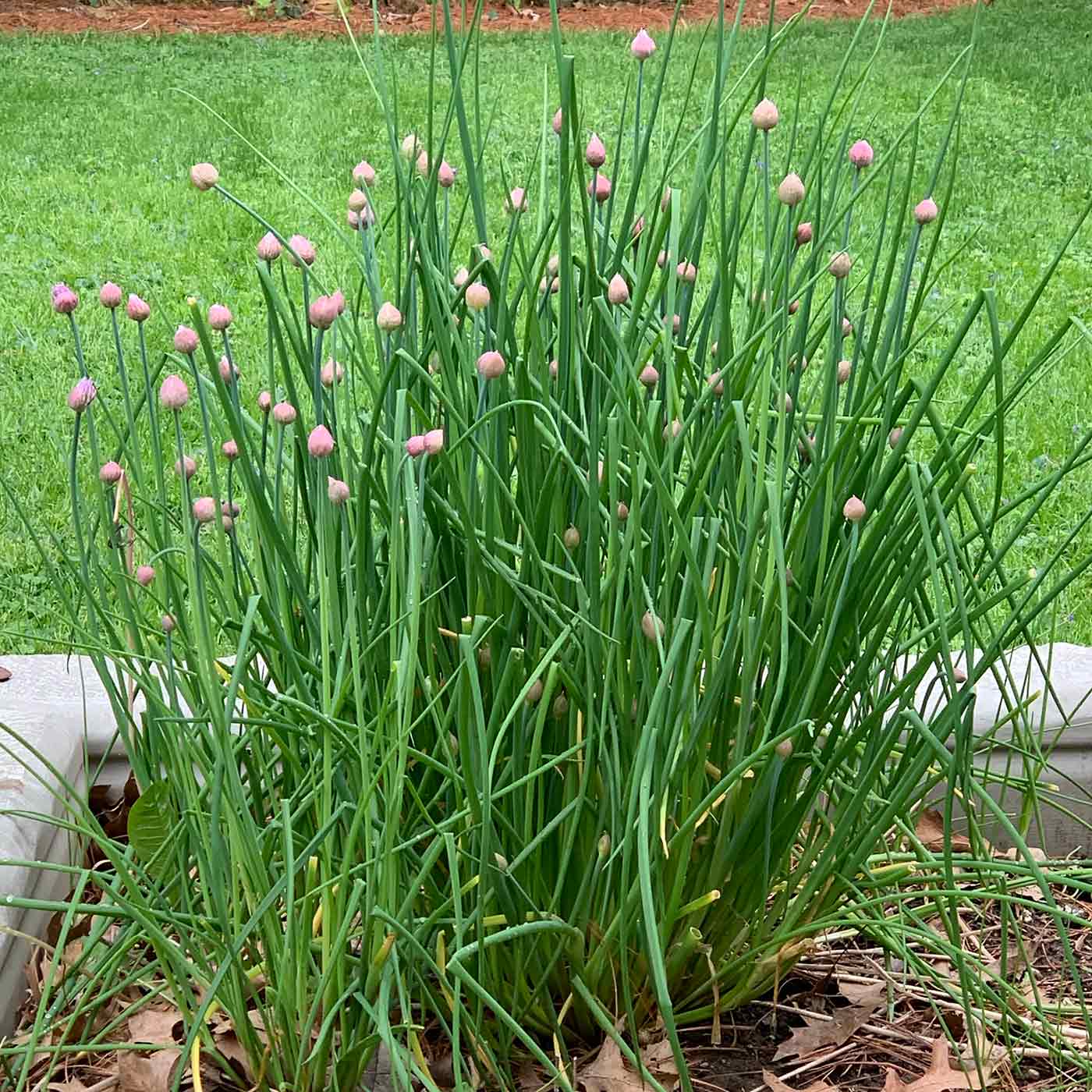
Chives, when planted near asparagus, can create nutrient competition that hinders the optimal growth of your asparagus plants. These aromatic herbs have aggressive growth habits that compete with asparagus for essential nutrients in the soil. The interference caused by chives can lead to reduced yields and hinder the overall productivity of your asparagus crops. By planting chives in close proximity to asparagus, you risk creating unfavorable nutrient competition that deprives the asparagus of the resources it needs to thrive. To maintain optimal growth conditions for your asparagus plants, it is advisable to avoid planting chives as companion plants. Ensuring that your asparagus has access to sufficient nutrients without the interference of competing plants like chives will help promote healthier growth and higher yields in your asparagus harvest. Consider alternative companion plants that complement rather than hinder the growth of your asparagus for a more successful harvest.