

Avoid planting aggressive mint, invasive lavender, or competing tomatoes near your blueberry bushes. Mint’s invasive nature overcrowds and competes with blueberries for resources. Invasive lavender can overshadow blueberries, inhibit growth, and reduce fruit production. Tomatoes, with conflicting soil preferences, compete for crucial nutrients, impacting blueberry health. Optimal growth and productivity for blueberries thrive when avoiding these companion plants.
1. Aggressive Mint

Avoid planting aggressive mint near blueberries to prevent it from overpowering the bushes and competing for essential resources. Mint, known for being an aggressive runner, can quickly crowd out surrounding plants, including blueberries. Its invasive tendencies make it an undesirable companion plant in close proximity to blueberry bushes. The rapid spreading nature of mint can lead to it overtaking the blueberry bushes, ultimately impacting their growth by competing for vital resources such as water and nutrients. To ensure the optimal growth of blueberries, it is crucial to avoid planting aggressive mint varieties nearby. By keeping mint at a distance from blueberries, you can prevent the potential negative effects of mint overpowering and outcompeting the blueberry bushes. Strategic plant placement and selection are key to fostering a thriving blueberry garden free from the encroachment of aggressive mint.
2. Invasive Lavender
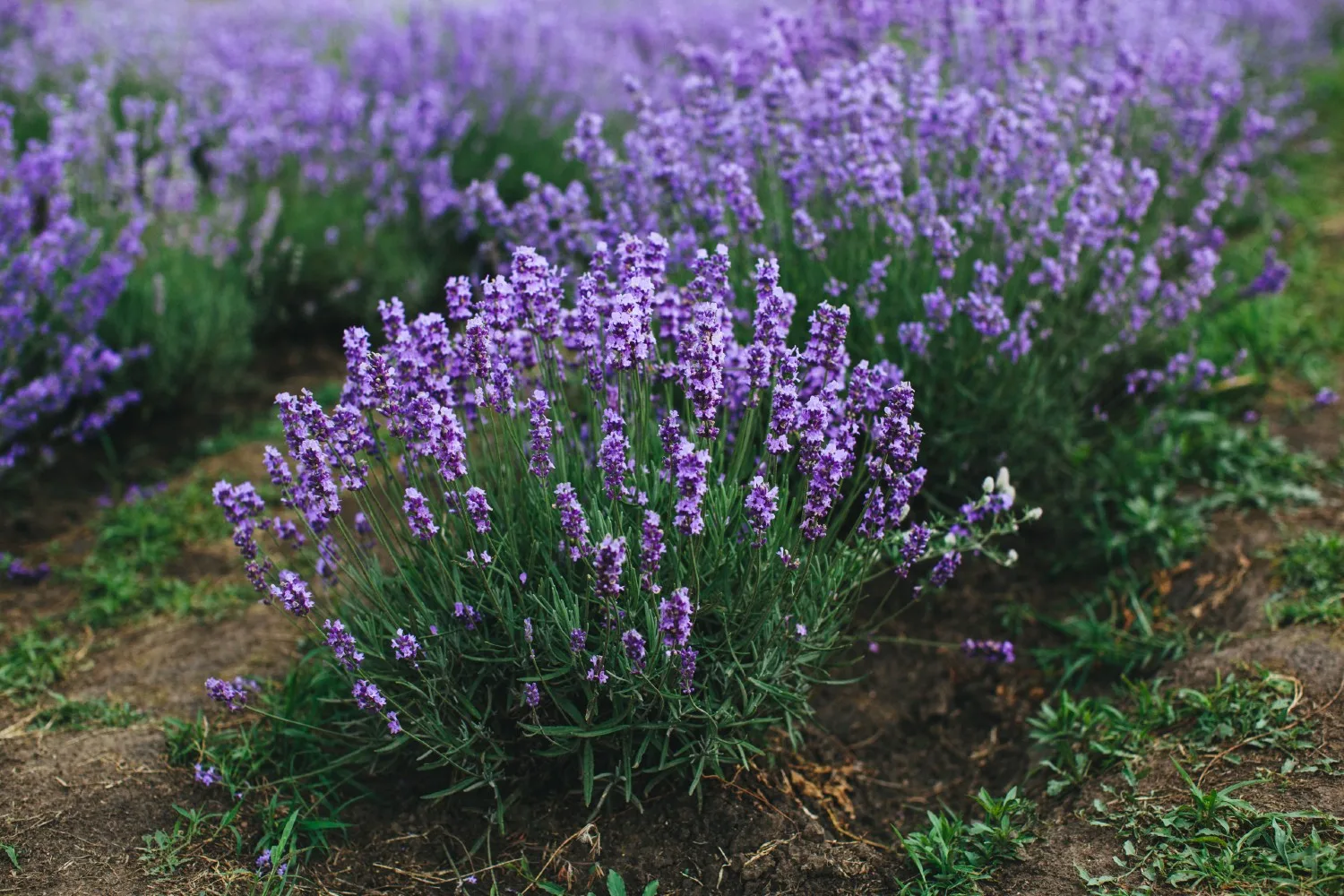
When dealing with invasive lavender as a potential companion plant for blueberries, it is essential to consider its aggressive growth tendencies and potential negative impacts on blueberry bushes. Lavender, especially invasive varieties, can outcompete blueberries for essential nutrients and space in the garden. Its rapid and vigorous growth can overshadow blueberry bushes, reducing their access to sunlight crucial for photosynthesis. Furthermore, certain species of lavender possess allelopathic properties, releasing chemicals that inhibit the growth of blueberries and other plants nearby. Planting invasive lavender near blueberries can result in reduced fruit production and overall plant health due to the intense competition and inhibitory effects. To prevent these detrimental consequences, it is advisable to opt for non-invasive lavender varieties or explore alternative companion plants that can support the growth of blueberries without posing a threat to their well-being. Be mindful of the potential risks associated with invasive lavender and choose wisely to promote a thriving blueberry garden.
3. Competing Tomatoes

To mitigate competition for nutrients and promote optimal growth, it is crucial to consider the potential impacts of planting tomatoes near blueberries. Tomatoes and blueberries both have specific soil preferences, with tomatoes favoring a more neutral to slightly acidic pH, while blueberries thrive in acidic soil. When tomatoes are planted near blueberry bushes, they compete for essential nutrients like nitrogen, which can lead to reduced growth and yield for the blueberries. Additionally, tomatoes are heavy feeders and may outcompete blueberries, impacting their overall health and development. This competition can result in soil depletion, hindering the long-term productivity of the blueberry bushes. To ensure the well-being of your blueberry plants, it is best to avoid planting tomatoes in close proximity to them. Below is a table summarizing the key points to consider when it comes to competing tomatoes near blueberries:
| Key Points | Impact on Blueberries |
|---|---|
| Nutrient Competition | Reduced growth and yield |
| Soil pH Preferences | Conflicting requirements |
| Soil Depletion | Hindered long-term productivity |
| Health of Blueberry Bushes | Impacted development |
| Avoid Planting Together | Optimal growth for both plants |