

This year, I’m excited to cultivate 19 fragrant herbs that not only enhance my garden’s beauty but also elevate my culinary creations. I recommend starting with basil, mint, and rosemary for their robust flavors. Lavender and chamomile add lovely fragrances and calming properties, while thyme and oregano are staples for Mediterranean dishes. Don’t forget about lemon balm and pineapple sage, which bring refreshing tastes to teas and salads. They thrive in well-drained soil with plenty of sunlight. As I explore these herbs, I’ll discover even more tips and tricks for growing and using them effectively.
1. Overview of Fragrant Herbs
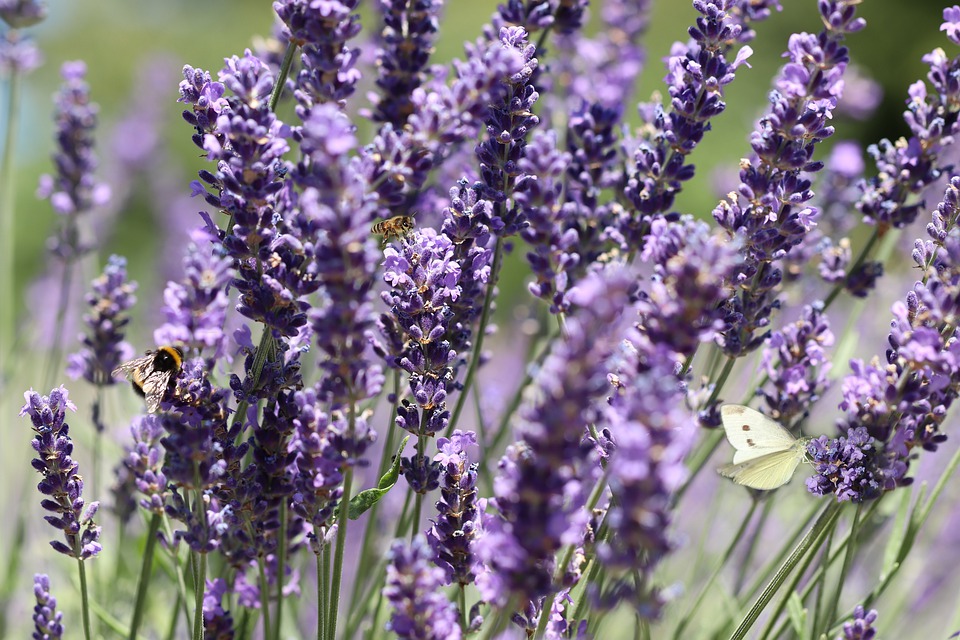
When it comes to the joy of gardening, cultivating fragrant herbs stands out for the sensory delight they bring.
Herbs like Lavender, Mint, and Rosemary not only enhance dishes but offer aromatic benefits that elevate mood and relaxation.
Thriving in full sun, these plants release essential oils when disturbed.
Plus, regular pruning attracts beneficial insects, ensuring a vibrant, healthy home garden.
2. Growing Conditions for Herbs

Cultivating fragrant herbs requires an understanding of their growing conditions to ensure they flourish in your garden.
To help your herbs thrive, focus on:
- Well-drained soil with compost for nutrient-rich growth
- At least 6-8 hours of full sun daily
- Regular watering, especially during establishment
Whether in the ground or container gardening, consistent monitoring of soil moisture is essential for healthy, aromatic plants.
3. Culinary Uses of Aromatic Herbs

There’s something magical about incorporating aromatic herbs into everyday cooking.
I love using fresh herbs like basil and rosemary in Mediterranean cuisine, where their unique flavors shine. They elevate salads and salsas too!
Plus, herbs like oregano can reduce salt usage, promoting healthier eating habits.
Don’t forget herbal teas made from chamomile—they offer soothing properties and delightful flavors.
4. Lemon Balm

Incorporating lemon balm into your garden can bring a refreshing twist to your culinary adventures. This fast-growing perennial herb thrives in well-drained soil and attracts pollinators.
Here are a few reasons to grow it:
- Hardy plant, surviving winter in USDA Zones 4-9
- Ideal for teas and culinary uses
- Encourages bushier growth with regular harvesting
Enjoy this fragrant herb’s delightful flavor!
5. Mint
Mint is one of those herbs that can elevate any dish or drink with its invigorating flavor and aroma.
It’s easy to grow and thrives in well-drained soil, making it perfect for containers. I regularly harvest the aromatic leaves before flowering for the best flavor.
Whether used fresh or dried, mint offers health benefits like aiding digestion and enhancing mood in various culinary dishes.
6. Lavender
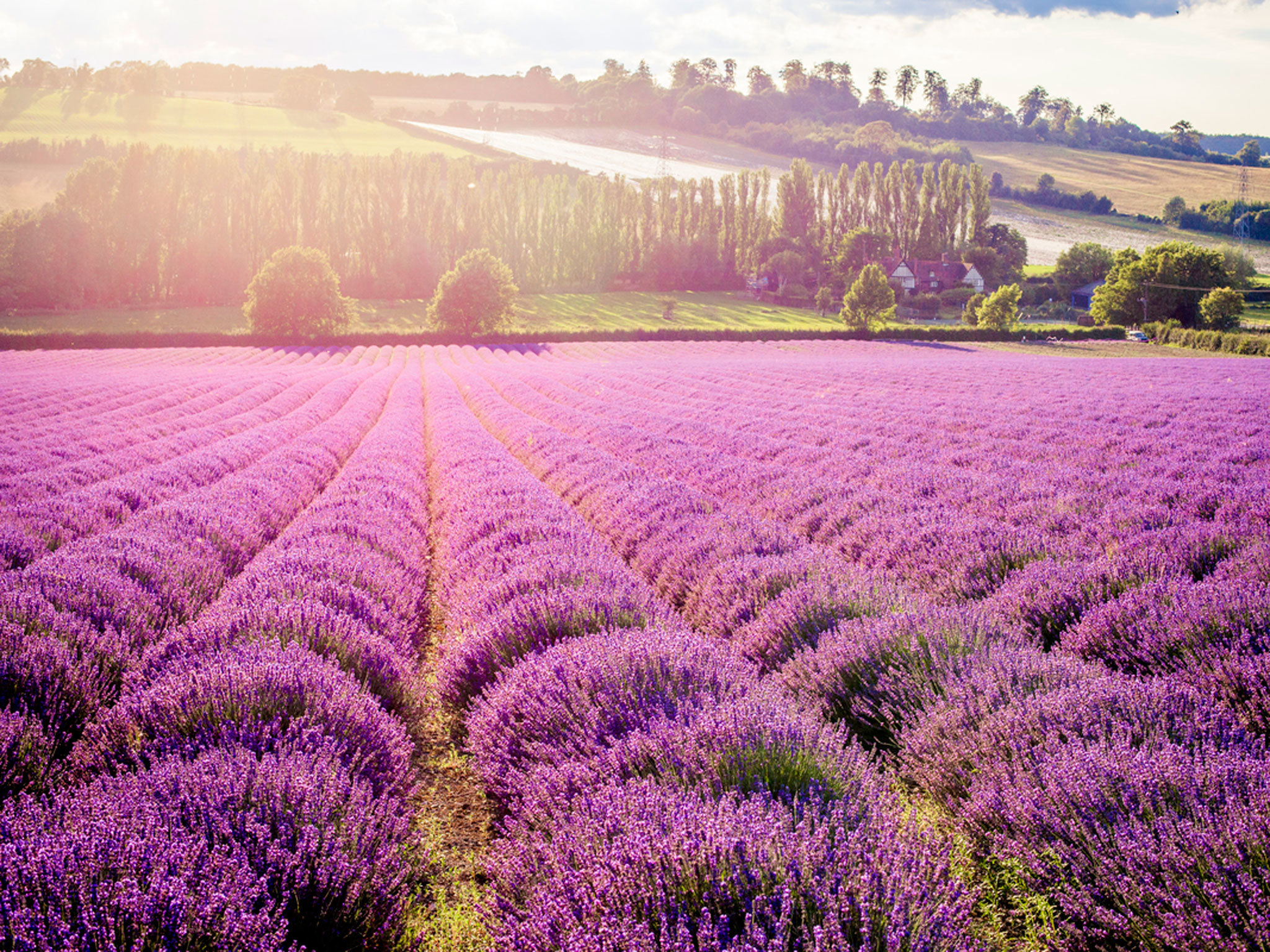
When I think of fragrant herbs, lavender immediately comes to mind. Its aromatic properties make it perfect for culinary applications and crafts.
I love how it’s drought-tolerant and thrives in well-drained soil under full sun. To maintain a sustainable garden, remember:
- Regular pruning encourages growth
- Fragrant flowers can be used in sachets
- Attracts beneficial insects
Lavender truly enhances any garden!
7. Chamomile

After enjoying the calming presence of lavender, chamomile quickly becomes a favorite in any fragrant herb garden.
This aromatic plant thrives in well-drained soil and full sun, growing up to 24 inches.
I love harvesting its daisy-like flowers for herbal teas, especially since chamomile boasts anti-inflammatory properties.
Best of all, it flourishes in Zones 3-9, making it easy to cultivate.
8. Rosemary

Nestled among my favorite herbs, rosemary stands out with its aromatic, needle-like leaves and robust flavor that truly enhances Mediterranean dishes.
It’s one of the best perennial herbs to grow in your garden, thriving in well-drained soil and needing full sun exposure.
- Drought-tolerant once established
- Cut back regularly for bushier growth
- Offers potential health benefits
Growing rosemary is rewarding!
9. Basil

Basil, with its fragrant leaves and vibrant green hue, is a must-have in any herb garden.
I love growing basil plants because they thrive in well-drained soil and require regular watering.
This aromatic herb is perfect for culinary uses, enhancing dishes like pesto and salads.
With varieties like Sweet and Thai Basil, my garden’s flavor profile becomes truly delightful!
10. Pineapple Sage

While basil adds a delightful touch to my herb garden, Pineapple Sage brings its own unique charm and fragrance.
Its aromatic leaves emit a sweet scent, and the stunning red tubular flowers attract pollinators. I love using it in culinary applications like teas and salads.
Just remember:
- It thrives in sunny garden beds.
- It’ll die back in winter.
- It returns robust each spring.
11. Bay Laurel

In my herb garden, Bay Laurel stands out as a versatile staple with its evergreen allure and culinary significance.
This low-maintenance shrub thrives in well-drained soil and full sun, perfect for my mild climate.
I love using its aromatic fresh leaves in cooking, enhancing my culinary creations with their distinct flavor.
Plus, they store well, keeping my dishes delicious year-round.
12. Catnip

As I explore the diverse world of herbs in my garden, Catnip (Nepeta cataria) quickly captures my attention with its unique charm and benefits.
This hardy perennial thrives in USDA Zones 3-9, boasting lovely lavender-colored flowers. I love its fragrant aroma and medicinal properties.
- Easy to grow from seeds or cuttings
- Attracts pollinators
- Best flavor before flowering
13. Thyme

Thyme (Thymus vulgaris) has become a staple in my herb garden, and it’s easy to see why. This drought-tolerant, low-maintenance herb thrives in full sun, enhancing dishes with its aromatic flavor.
Its culinary uses are endless, particularly in Mediterranean cuisine. Plus, its small flowers attract pollinators, fostering biodiversity.
Rich in essential oils, thyme also offers health benefits, aiding digestion and respiratory health.
14. Marjoram
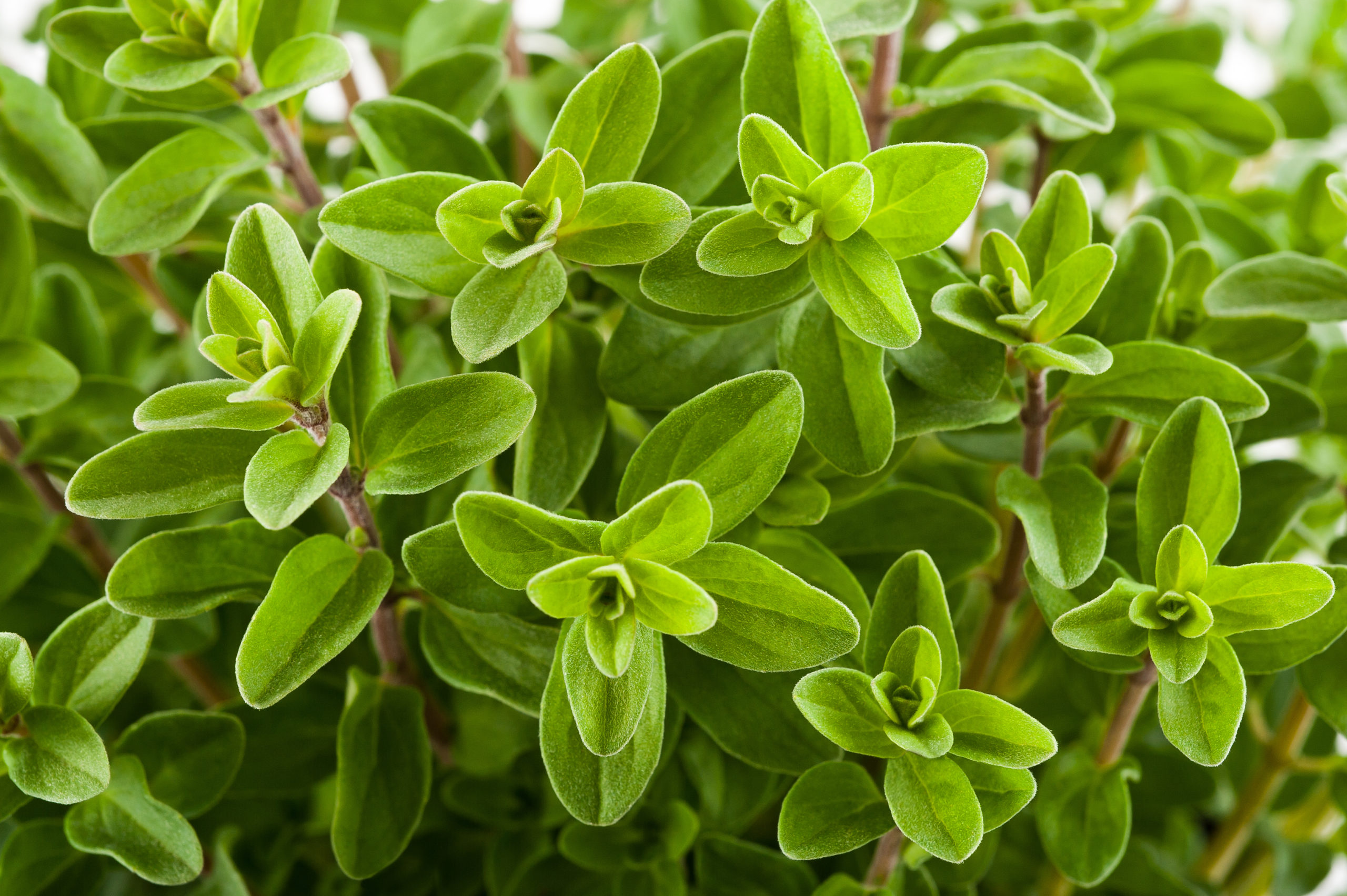
Marjoram (Origanum majorana) is a delightful addition to any herb garden, especially if you appreciate its sweet, mild flavor.
This fragrant, aromatic herb thrives in well-drained soil and full sun, making it easy to grow. Plus, its lovely white to pale pink flowers attract beneficial insects, enhancing biodiversity.
Remember to:
- Regularly harvest for bushier growth
- Pinch off tips and young leaves
- Enjoy its health benefits
15. Oregano
:max_bytes(150000):strip_icc()/oregano-GettyImages-1396383006-abdea429f00e4f599b83fab2302bb489.jpg)
While I appreciate the beauty of various herbs, oregano (Origanum vulgare) stands out with its robust flavor and versatility, making it a staple in my kitchen.
This fragrant perennial thrives in well-drained soil and full sun, perfect for my garden.
I love using its leaves in culinary dishes, especially Mediterranean recipes, while its summer flowers attract beneficial pollinators, enhancing my garden’s ecosystem.
16. Anise Hyssop

When it comes to fragrant herbs, Anise Hyssop (Agastache foeniculum) captures my attention with its sweet, licorice-like aroma that can elevate both teas and culinary dishes.
This perennial herb thrives in full sun and well-drained soil, attracting beneficial pollinators.
It’s drought-tolerant and boasts medicinal properties for digestion and anxiety.
- Great for herbal teas
- Attracts bees and butterflies
- Low-maintenance garden choice
17. Harvesting Techniques
To ensure your fragrant herbs reach their full potential, understanding the right harvesting techniques is essential.
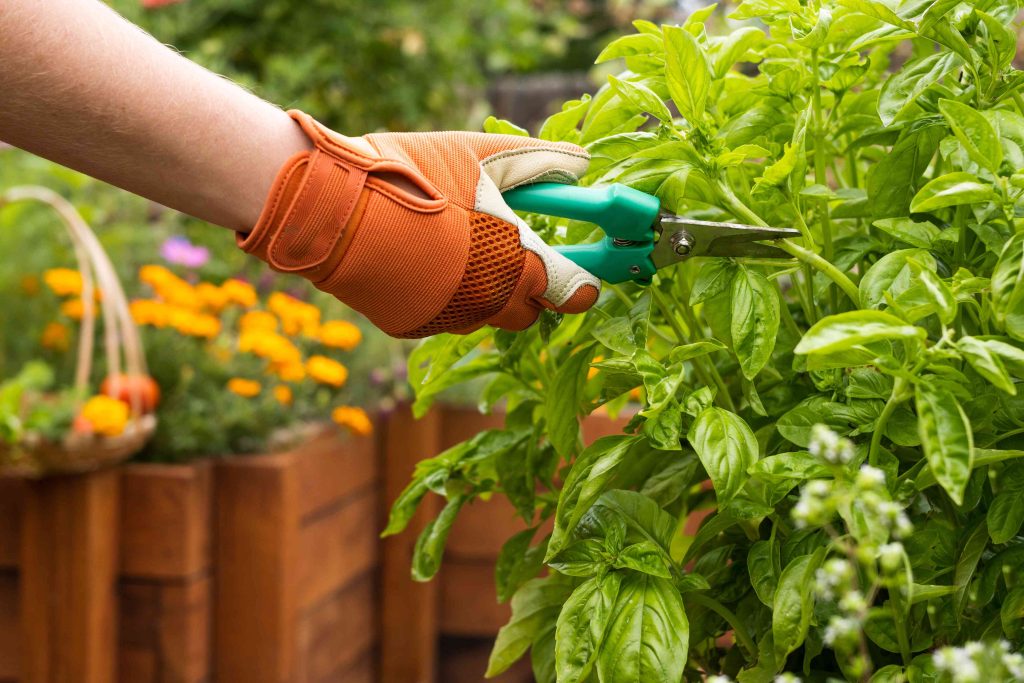
I harvest in the morning, capturing the best flavor and aroma. Using sharp scissors, I snip leaves while promoting regrowth.
I promptly remove flower buds to keep the focus on leaves. Lastly, I store freshly harvested herbs wrapped in a damp towel to maintain freshness.
18. Indoor Herb Gardening

Growing herbs indoors can be a rewarding experience, and I’ve found that having a sunny window is key to success.
For a thriving indoor herb garden, consider these tips:
- Use quality potting soil with good drainage.
- Maintain a consistent watering schedule tailored to each plant’s needs.
- Opt for highly aromatic plants to grow, like basil or mint, especially USDA Certified Organic Herbs.
19. Companion Planting Benefits

Companion planting isn’t just a gardening technique; it’s a smart strategy that can significantly enhance the health and productivity of your garden.
By incorporating fragrant herbs like basil and rosemary, you can reduce pests and attract beneficial pollinators, promoting biodiversity.
These aromatic benefits not only create healthier plants but also improve the flavors of your crops, making your garden thrive beautifully.