

I’m excited to share with you 19 fascinating types of palm trees, each with distinct characteristics and ecological roles. The Coconut Palm (Cocos nucifera) thrives in well-drained soils, offering valued products like coconut oil. Similarly, the Date Palm (Phoenix dactylifera) adapts well to arid climates, supporting local wildlife. The stately Royal Palm (Roystonea regia) can grow up to 125 feet and is drought-tolerant. For indoor options, the Bamboo Palm (Chamaedorea seifrizii) excels at air purification. Each palm variety has unique traits that make them invaluable. If you stay with me, you’ll uncover more about their specific care and uses.
1. Coconut Palm
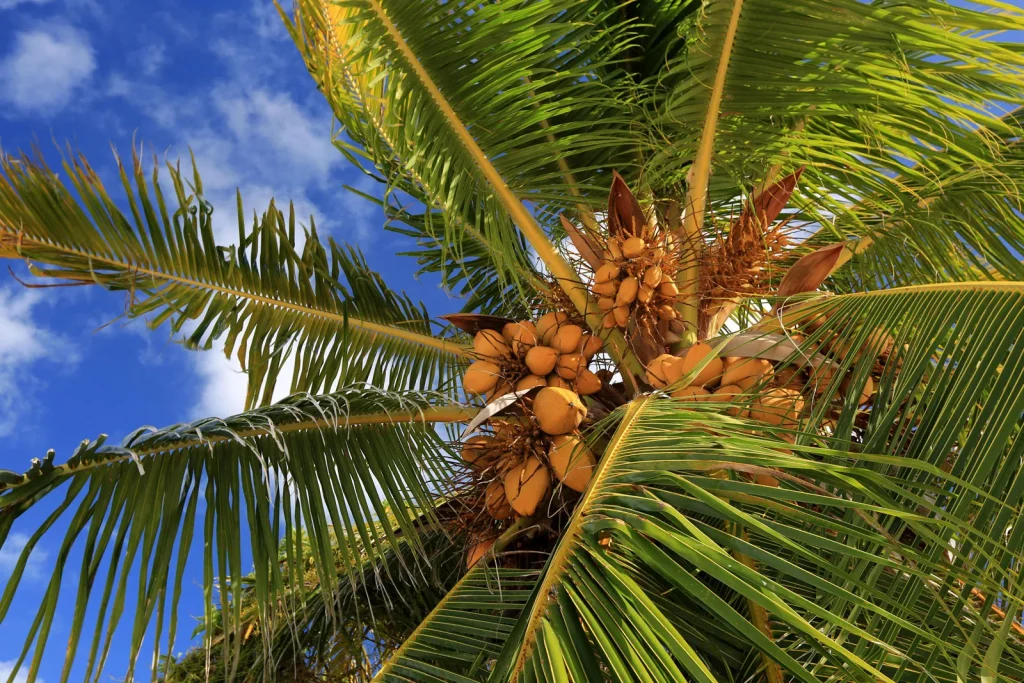
The Coconut Palm (Cocos nucifera) stands as a towering symbol of tropical landscapes, reaching heights of up to 80-100 feet. Renowned for its multiple coconut varieties, it offers significant coconut benefits through its nutritious products like water, oil, and meat. Sustainable coconut cultivation thrives in well-drained soil, which is enriched by organic matter, while effective management against coconut pests ensures healthy propagation and continued economic importance in historical cultivation practices.
2. Date Palm
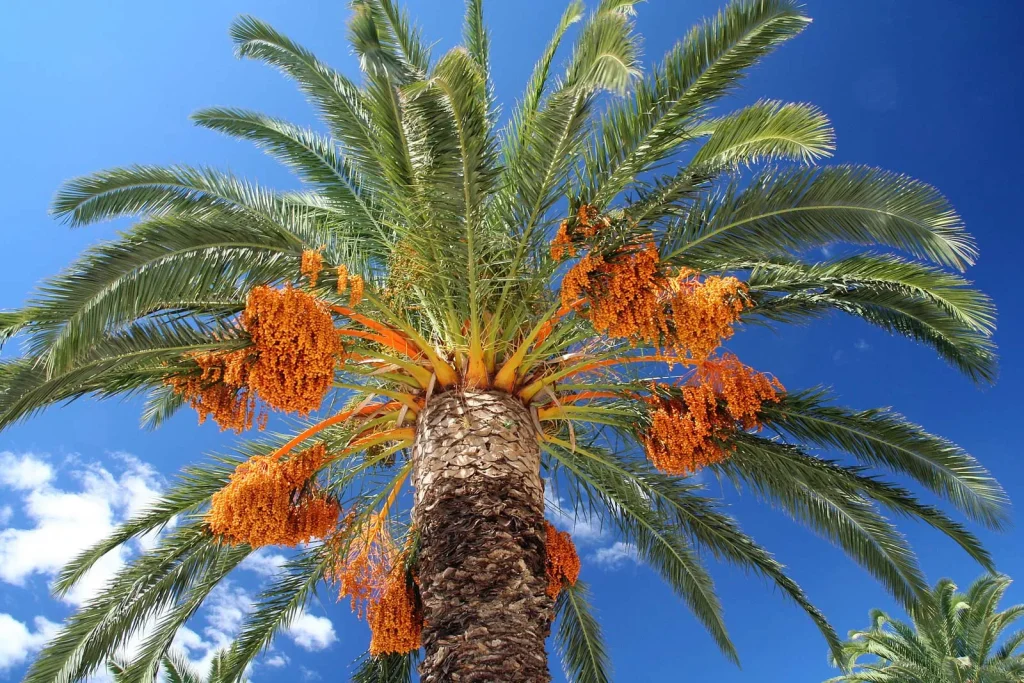
Often seen in arid landscapes, the Date Palm (Phoenix dactylifera) captivates with its impressive stature and resilience. Renowned for date palm cultivation, it boasts several varieties, each adapting to local ecology. The Date Palm is classified within the Palmaceae family, which consists of approximately 200 genera and 1,500 species. Additionally, its ability to thrive in harsh conditions makes it an excellent example of native plants that attract local wildlife.
Its uses range from nutritional benefits to landscape design. Historically significant, it supports various wildlife and withstands pests through effective pollination strategies, crucial for optimal fruit production in harsh climates.
3. Royal Palm

What makes the Royal Palm (Roystonea regia) a striking choice for both urban and tropical landscapes? Its impressive height of up to 125 feet and glossy crown shaft enhance visual appeal. Royal palm care is minimal; it thrives in diverse soils and tolerates drought. Additionally, its fragrant flowers provide aesthetic value, while its sturdy structure offers long-lasting benefits in landscaping. Both species thrive in USDA zones 10 and 11, making them ideal for warm climates. Well-draining soil is essential for ensuring healthy root development, which can further enhance the longevity of the Royal Palm.
4. Areca Palm
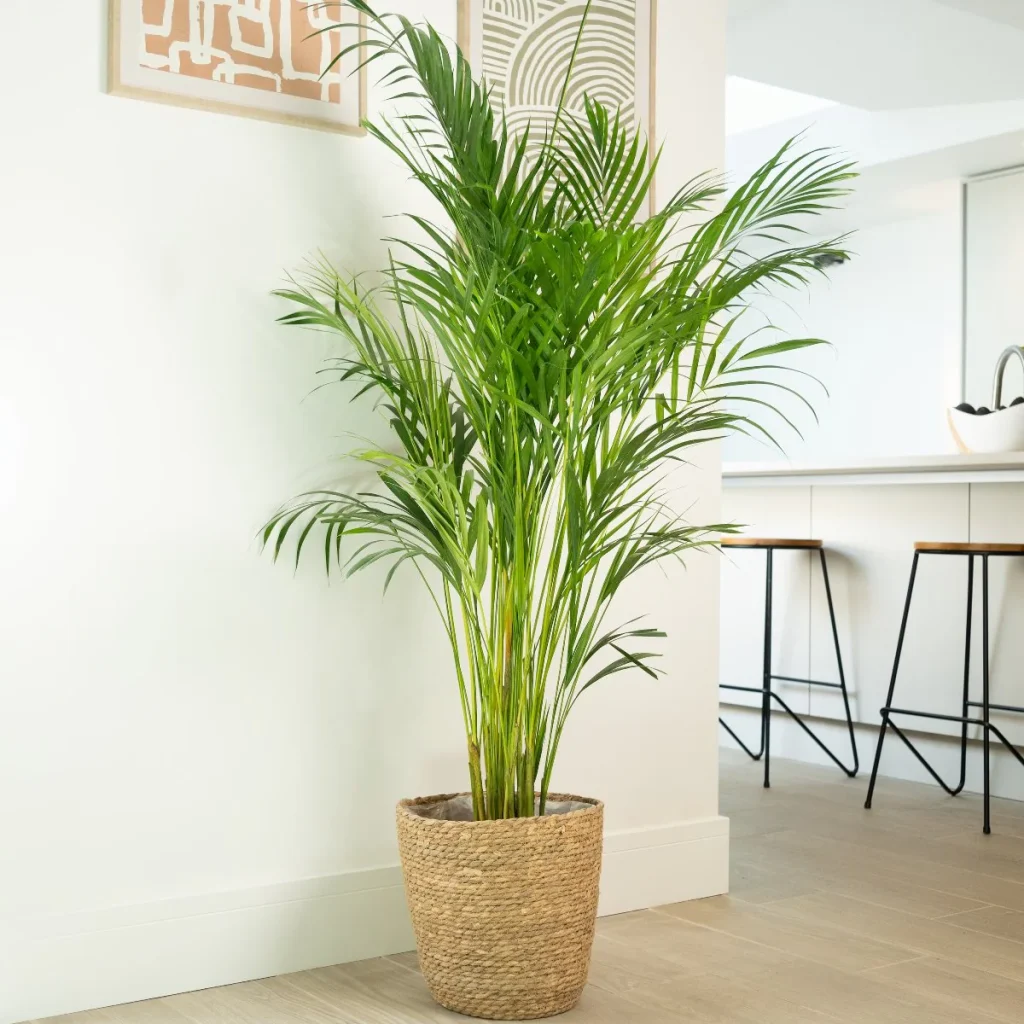
While Royal Palms stand tall and regal in landscapes, the Areca Palm (Dypsis lutescens) offers a different charm with its graceful, arching fronds and multi-stemmed structure. Ideal for indoor and outdoor use, its low maintenance demands enhance its appeal. Areca palm care includes regular fertilization and pruning, which can improve nutrient levels in the soil. This non-toxic palm improves humidity and air quality while deterring pests, making it a versatile choice. Additionally, the Areca Palm thrives in tropical and subtropical regions, showcasing its adaptability to various environments.
5. Fan Palm
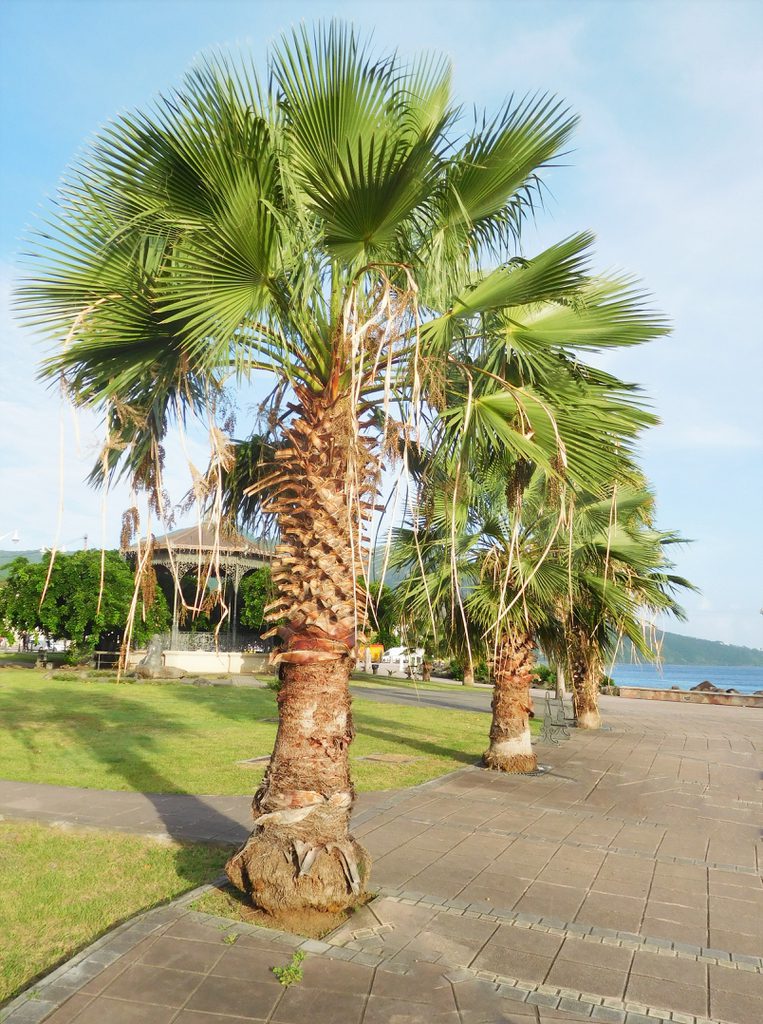
Fan palms stand out in the landscape with their distinctive, fan-shaped leaves that create a striking visual impact. These palms offer numerous benefits, including providing wildlife habitats and enhancing aesthetic appeal. For optimal fan palm care, I recommend regular removal of dead fronds, especially for the California fan palm, ensuring well-drained soil, and adequate sunlight to promote healthy growth and longevity. Additionally, these palms thrive in low desert conditions, making them suitable for arid environments.
6. Sago Palm
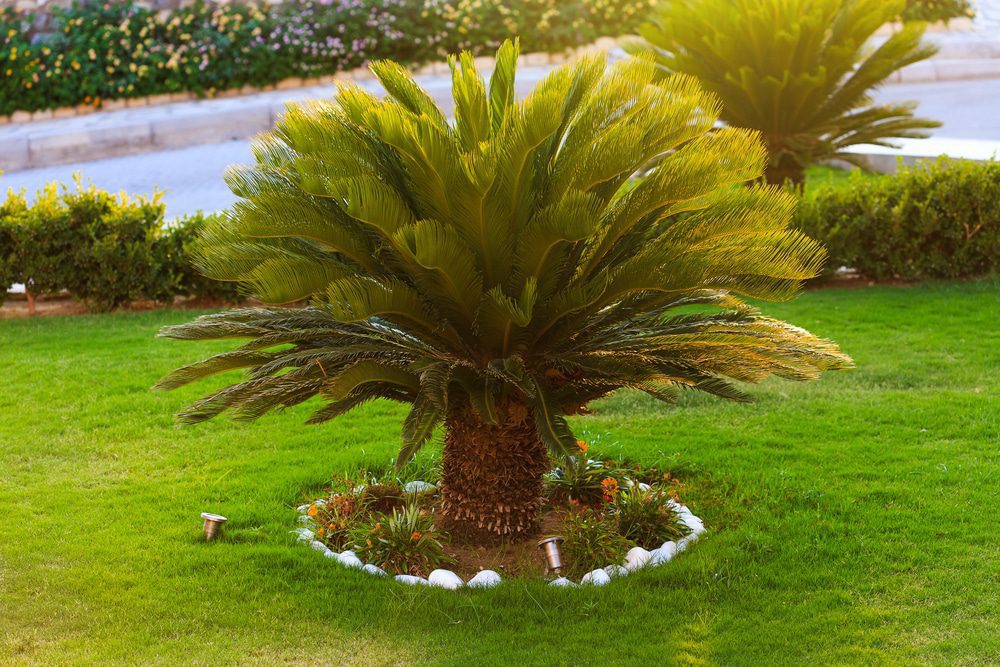
Sago palms, scientifically known as Cycas circinalis or Cycas revoluta, offer a unique alternative to the more common fan palms, showcasing a distinct shrub-like appearance that captivates both gardeners and landscape designers. For optimal sago palm care, ensure well-drained soil and adequate sunlight. Low maintenance requirements make sago palms an excellent choice for busy gardeners. Propagation occurs via seed or division of suckers, allowing for easy expansion of your collection.
7. Sabal Palm
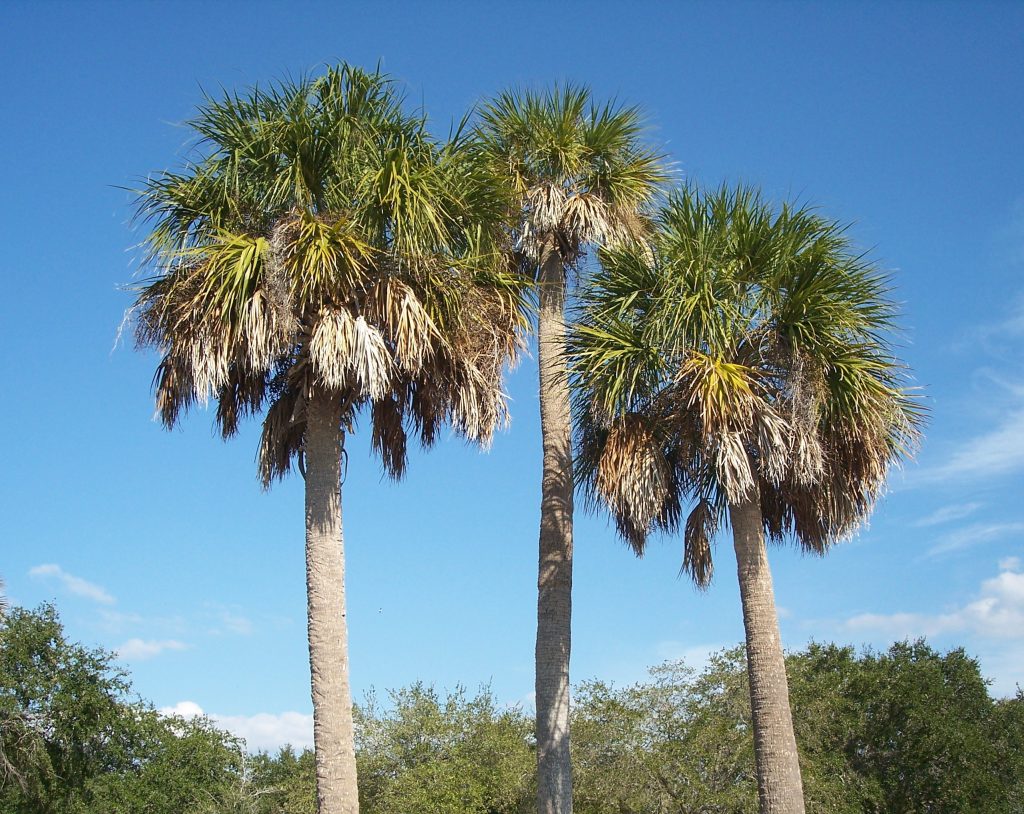
Originating from the coastal regions of the southeastern United States, the Sabal palm (Sabal palmetto) is a remarkable species that commands attention with its impressive height and robust trunk.
Its salt tolerance makes it ideal for landscaping in coastal areas. Sabal palms are also highly resistant to hurricanes, making them a reliable choice for storm-prone regions.
Sabal palm cultivation thrives in subtropical climates, but maintenance is crucial to prevent diseases.
Varieties include the well-known cabbage palm, showcasing its ecological benefits.
8. African Oil Palm

Although many palm species are known for their aesthetic appeal, the African oil palm (Elaeis guineensis) stands out due to its significant economic impact and unique biological characteristics. Its high oil yield facilitates oil extraction, driving palm cultivation, and fruit processing. However, sustainable practices are crucial to mitigate its environmental impact while promoting biodiversity conservation within agroforestry systems, ensuring lasting economic benefits across various palm varieties. The African oil palm is known for its high fruit production, which contributes to its potential invasiveness in non-native habitats.
9. Bamboo Palm
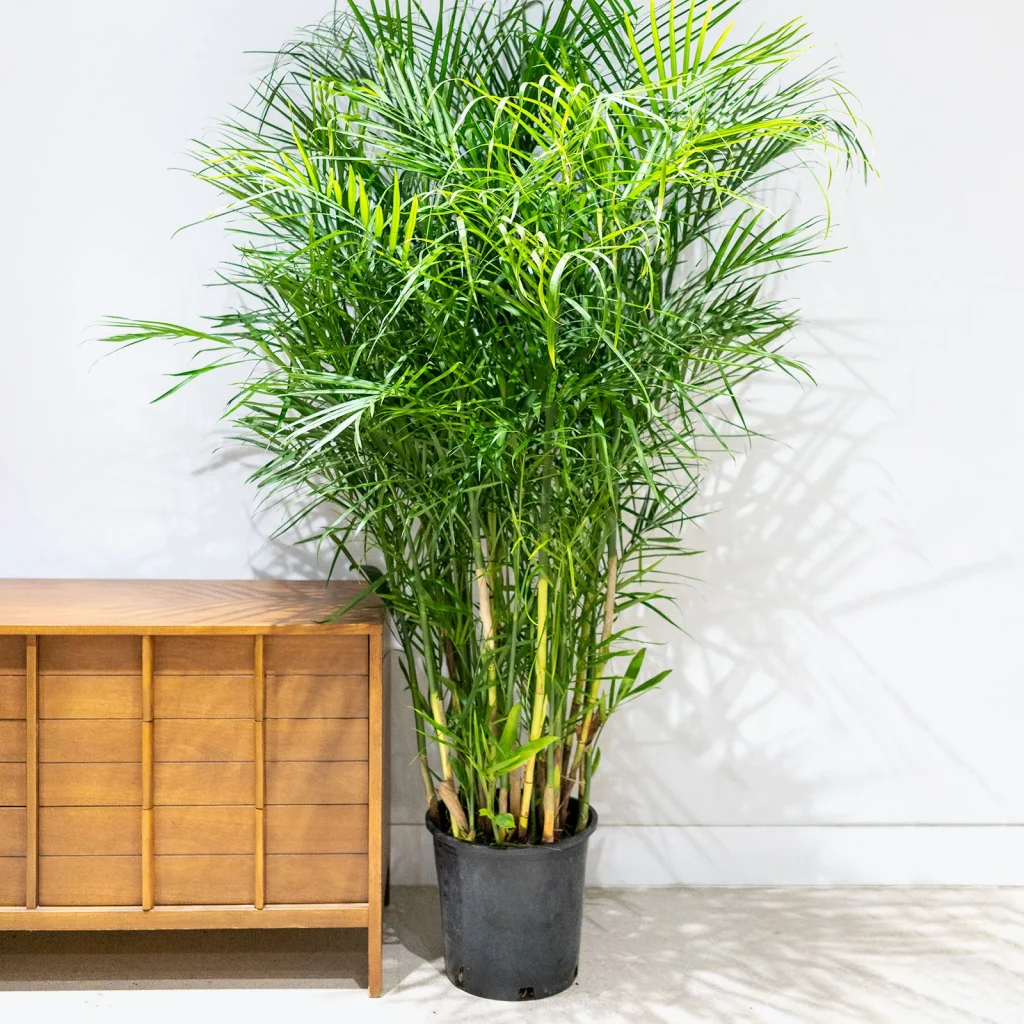
The Bamboo Palm (Chamaedorea seifrizii), renowned for its graceful appearance and adaptability, catches the eye with its slender, reed-like trunks and lush foliage. For optimal Bamboo Palm care, provide medium to bright indirect light and well-aerated soil. This slow-growing palm offers benefits like air purification, while thriving in temperatures of 65-80°F, making it ideal for indoor environments. Additionally, this palm species is characterized by its suckering growth habit, which produces multiple vertical stems over time.
10. Queen Palm

When you encounter the Queen Palm (Syagrus romanzoffiana), you’re greeted by its striking single trunk, which is adorned with grey bark and old leaf scars. For optimal queen palm care, ensure full sun exposure and well-drained, acidic soils. This palm not only enhances landscapes with its elegant drooping canopy but also offers moderate drought tolerance, making it a resilient choice for various environments. Additionally, the Queen Palm can grow up to 50 feet tall, making it a dramatic feature in any landscape.
11. Pindo Palm

Moving from the elegant Queen Palm, the Pindo Palm (Butia capitata) captures attention with its unique characteristics and adaptability.
With feathery fronds and a stocky trunk, it thrives in various landscapes. Pindo palm care involves proper maintenance and propagation, while its fruits provide benefits for jam and wine production.
Though generally disease-resistant, watch for occasional pests affecting Pindo palm varieties to ensure optimal health.
12. Chinese Fan Palm

Originating from the lush landscapes of southern Japan, Taiwan, and China, the Chinese Fan Palm (Trachycarpus fortunei) stands out as a resilient and visually striking addition to gardens and landscapes.
Its broad, fan-shaped leaves thrive in well-draining soil and require minimal care.
This palm can form thickets through fruit dispersal, influencing local ecosystems, making it an excellent choice for landscape design and ornamental uses.
13. Washingtonia Palm

The Washingtonia Palm, commonly known as the fan palm, is a remarkable species that thrives in the arid climates of northwestern Mexico and has become a staple in various landscapes across the southwestern United States.
Its tall, reddish-brown trunk and glossy green leaves require full sun and well-drained soil. Proper Washingtonia care includes regular watering, monthly fertilization, and pruning to maintain health and aesthetics.
14. Bottle Palm

A stunning addition to any tropical landscape, the Bottle Palm (Hyophorbe lagenicaulis) is easily recognizable by its unique bottle-shaped trunk, which typically spans about 2 feet in diameter and features distinctive ring scars.
For effective bottle palm care, ensure it receives bright, indirect light and moist, well-drained soil.
The bottle palm benefits from high humidity, enhancing its growth and aesthetic appeal.
15. Chamaedorea Palm

With numerous species showcasing their unique beauty, Chamaedorea palms are a popular choice for indoor and outdoor settings alike.
They thrive in bright, indirect light and prefer humidity levels above average.
Water every 1-2 weeks, ensuring soil remains evenly moist.
I recommend a peat-based mix, a monthly fertilization schedule during growth, and careful pest management for optimal growth conditions and health.
Pruning isn’t typically necessary.
16. Pygmy Date Palm

Pygmy Date Palms are striking additions to any landscape, typically reaching heights of 6 to 8 feet, with some exceptional specimens growing over 10 feet.
For optimal pygmy date palm care, ensure well-draining soil and moderate watering. Their compact size makes them ideal for landscaping near pools or entryways, and they thrive in full sun to partial shade, enhancing tropical aesthetics.
17. Blue Palm

The Blue Palm stands out in any garden or landscape, reaching impressive heights of up to 15 meters (49 feet) with its stout trunk.
Its distinctly bluish leaves, measuring 1–2 meters wide, require careful blue palm care, including well-drained soil and occasional deep irrigation.
Native to Baja California, this palm’s history is rich, with the Cocopah people utilizing its seeds in their diet.
18. Cabbage Palm

Standing tall and proud, the Cabbage Palm (Sabal palmetto) showcases its impressive stature, reaching heights of up to 20 meters (80 feet) with a straight, unbranched trunk.
In cabbage palm cultivation, its ecological versatility shines, thriving in subtropical regions and diverse habitats.
This species exhibits remarkable fire and salt tolerance, playing a vital role in various ecosystems, particularly in freshwater and coastal environments.
19. Lipstick Palm

Originating from the lush landscapes of Southeast Asia, the Lipstick Palm (Cyrtostachys renda) captivates with its striking appearance and unique adaptations to its native habitat.
Thriving in lowland peat swamps, it requires humid conditions and well-draining soil.
For optimal lipstick palm care, maintain consistent moisture and warm temperatures, ensuring soil pH remains between 6.0 to 7.0 for healthy growth.