

As a tea enthusiast, I’ve found that exploring the world of herbal teas can truly elevate your daily tea-drinking experience. The delicate flavors and soothing properties of various herbs can offer a refreshing twist to your routine. From classic choices like chamomile and peppermint to more exotic options such as hibiscus and elderberry, each herb brings its own unique charm to the teacup. But wait until you discover the unexpected benefits and delightful surprises that some lesser-known herbs can offer. Stay tuned to uncover a whole new realm of tea enjoyment that goes beyond the ordinary.
1. Chamomile

Chamomile, a beloved herb among tea enthusiasts, offers a soothing and fragrant experience with each sip. This herbal tea, derived from the dried flowers of the chamomile plant, is renowned for its calming properties.
Not only does chamomile promote relaxation and improve sleep quality, but it also boasts a range of health benefits. Rich in antioxidants, it can stabilize blood sugar levels, ease digestive issues, and alleviate symptoms of PMS.
Its mild, sweet flavor with apple-like notes makes it a popular caffeine-free choice for evenings. Studies even suggest that chamomile may help reduce anxiety and depression symptoms, making it a natural remedy for stress relief.
To prepare this delightful brew, simply steep 1-2 teaspoons of dried flowers in hot water for 5-10 minutes, adding honey or lemon for extra flavor if desired.
2. Peppermint

With its invigorating aroma and crisp taste, peppermint tea is a beloved choice among tea aficionados. Made from the leaves of the Mentha × piperita plant, peppermint tea is renowned for its refreshing flavor and soothing properties.
This caffeine-free herbal tea isn’t only a delightful beverage but also a remedy for various ailments. Peppermint tea is known for aiding digestion by alleviating symptoms like indigestion, bloating, and stomach cramps. The menthol in peppermint offers a soothing effect that can help with headaches and sinus congestion when consumed as a warm cup of tea.
Additionally, rich in antioxidants, peppermint tea supports overall health by reducing oxidative stress and boosting the immune system. Enjoy a cup of peppermint tea for a calming and beneficial experience.
3. Ginger

Ginger, derived from the rhizome of the Zingiber officinale plant, is a powerhouse herb celebrated for its spicy flavor and remarkable health benefits. When brewed into ginger tea, this herb offers a multitude of advantages.
Not only does ginger tea help alleviate nausea, including morning sickness and chemotherapy-induced queasiness, but it also boasts anti-inflammatory properties that can ease pain from conditions like arthritis and menstrual discomfort.
This tea isn’t only soothing but can also aid in digestion by stimulating saliva, bile, and gastric enzymes, reducing bloating and gas.
Additionally, ginger tea may assist in managing blood sugar levels, potentially benefiting individuals with type 2 diabetes by improving insulin sensitivity.
Enjoy the warm, invigorating taste of ginger tea while reaping its incredible health rewards.
4. Hibiscus

Derived from the vibrant petals of the hibiscus flower, hibiscus tea offers a delightful sensory experience with its tart flavor profile reminiscent of cranberry.
This herbal tea isn’t only a treat for the taste buds but also a powerhouse of antioxidants. Hibiscus tea has been associated with potential health benefits like lowering blood pressure and improving cholesterol levels.
Its ability to reduce oxidative stress and inflammation makes it a valuable addition to any wellness routine. Being caffeine-free, hibiscus tea is a great option for those looking for a soothing beverage without the jitters.
Whether enjoyed hot or cold, sweetened with honey or sugar, hibiscus tea not only tantalizes the palate but also adds a burst of color to your cup of herbal teas.
5. Rooibos
:max_bytes(150000):strip_icc()/This-Sweet-Crowd-Pleasing-Tea-Might-Replace-Your-Morning-Coffee-FT-BLOG0923-430543b861364d82ad23770faf6c0e3d.jpg)
Exciting the senses with its warm, earthy notes and rich amber hue, Rooibos tea emerges as a beloved herbal infusion among tea enthusiasts.
Rooibos, derived from the Aspalathus linearis plant native to South Africa, offers a myriad of health benefits while delighting the palate with its unique flavors.
Here are some reasons why rooibos tea is a must-try:
- Naturally caffeine-free, perfect for those seeking a soothing drink without the jolt
- Abundant in antioxidants, aiding in overall well-being
- Potential anti-inflammatory properties for improved heart health
- Sweet and nutty taste, ideal for standalone enjoyment or blending
- Rich in minerals like calcium, magnesium, and zinc, contributing to robust bone health
6. Echinacea
:max_bytes(150000):strip_icc()/Health-GettyImages-2161118761-b4a8d9ff58264e1b979ba307a5a6c4f4.jpg)
Invigorating the senses with its immune-boosting properties and subtly sweet flavor profile, Echinacea emerges as a prized herb for those seeking natural wellness support.
Commonly known as coneflower, Echinacea is celebrated for its ability to boost the immune system and potentially shorten the duration of cold symptoms. Packed with beneficial compounds like alkamides, this herb is believed to enhance immune function and offer anti-inflammatory benefits.
Echinacea tea delights herbal enthusiasts with its slightly sweet and earthy taste, providing a soothing experience. Research indicates that Echinacea may aid in increasing white blood cell production, vital for battling infections.
Whether enjoyed as a comforting tea or through supplements, Echinacea offers a natural way to support your health, with dosages varying based on preparation and purpose.
7. Sage
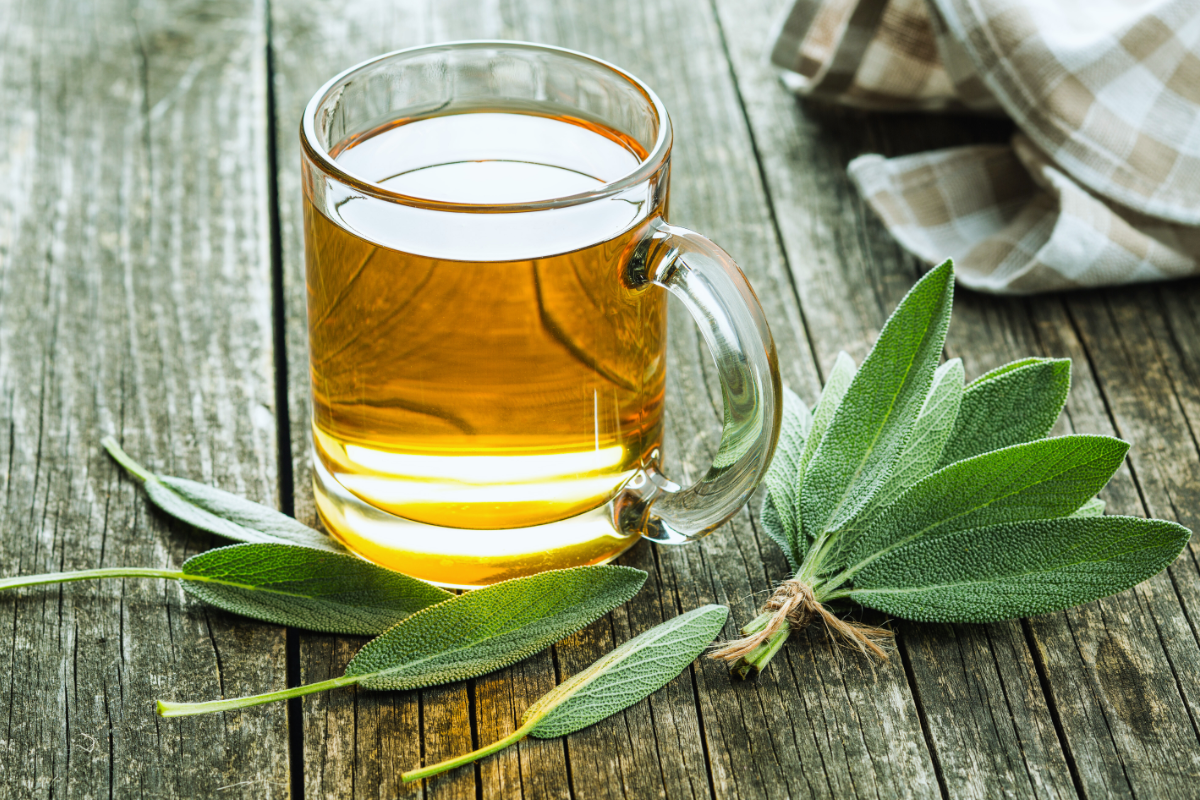
Sage, a versatile herb beloved by tea enthusiasts, offers a myriad of potential health benefits and a distinct earthy flavor profile. When brewed into a soothing cup of tea, sage can’t only tantalize your taste buds but also provide a range of advantages for your well-being.
Here are some reasons why sage tea should be a staple in your tea collection:
- Improves Cognitive Function: Rich in antioxidants, sage tea may enhance memory and cognitive abilities.
- Supports Heart Health: Compounds in sage leaves could aid in reducing cholesterol levels and promoting heart wellness.
- Aids Digestion: Traditionally used to alleviate digestive discomfort like bloating and indigestion.
- Versatile Enjoyment: Sage tea can be savored hot or iced, catering to different preferences.
- Easy to Grow: Flourishing in home gardens, sage thrives in sunny, well-drained conditions, making it a convenient herb to cultivate.
In addition to its culinary uses, sage also plays a role in nutrient absorption in garden ecosystems, enhancing the effectiveness of other plants around it.
8. Lemon Balm

Nestled among the ranks of beloved herbs for tea enthusiasts is Lemon Balm, a perennial herb cherished for its delightful lemon-scented leaves and calming properties.
Lemon balm, also known as Melissa officinalis, is a popular choice for herbal teas aimed at promoting relaxation and reducing anxiety. This herb thrives in partial shade and well-drained soil, making it easy to grow in home gardens or containers.
Rich in antioxidants, lemon balm may aid in improving heart health and alleviating symptoms of stress and depression. To enhance plant growth and ensure a robust lemon balm yield, consider tailored application of organic fertilizers based on soil testing results.
Harvest its leaves throughout the growing season and use them fresh or dried to create invigorating herbal infusions. To brew a soothing cup of lemon balm tea, steep 1-2 teaspoons of dried leaves in hot water for 5-10 minutes, resulting in a beverage that can be enjoyed hot or iced.
9. Rose Hip

Rich in vitamin C and antioxidants, Rose Hip tea offers a flavorful and healthful addition to your tea collection.
This herbal tea, made from the fruit of the Rosa canina rose plant, boasts a range of benefits for your well-being.
Here’s why you should consider adding Rose Hip tea to your routine:
- Packed with vitamin C, antioxidants, and essential fatty acids
- Supports arthritis relief, weight management, and immune function
- Mild, fruity flavor suitable for enjoying hot or cold
- Caffeine-free for anytime consumption
- Contains heart-healthy flavonoids for cholesterol and oxidative stress management
Indulge in the soothing benefits and delightful taste of Rose Hip tea, a herbal remedy with a host of wellness advantages.
10. Passionflower

Passionflower, a captivating herb renowned for its calming effects on the mind and body, emerges as a splendid addition to any tea enthusiast’s repertoire.
This herb, a cherished gem in any herb garden, not only enhances the flavor of herbal tea blends but also offers a plethora of health benefits.
Passionflower tea, derived from the Passiflora plant, has a rich history in traditional medicine for its ability to improve sleep quality and reduce anxiety.
By potentially boosting GABA levels in the brain, passionflower aids in mood regulation and promotes a sense of tranquility.
Its caffeine-free nature makes it an ideal evening beverage for unwinding without the risk of insomnia.
Savor the mildly sweet and floral notes of passionflower tea for a soothing experience like no other.
11. Green Tea
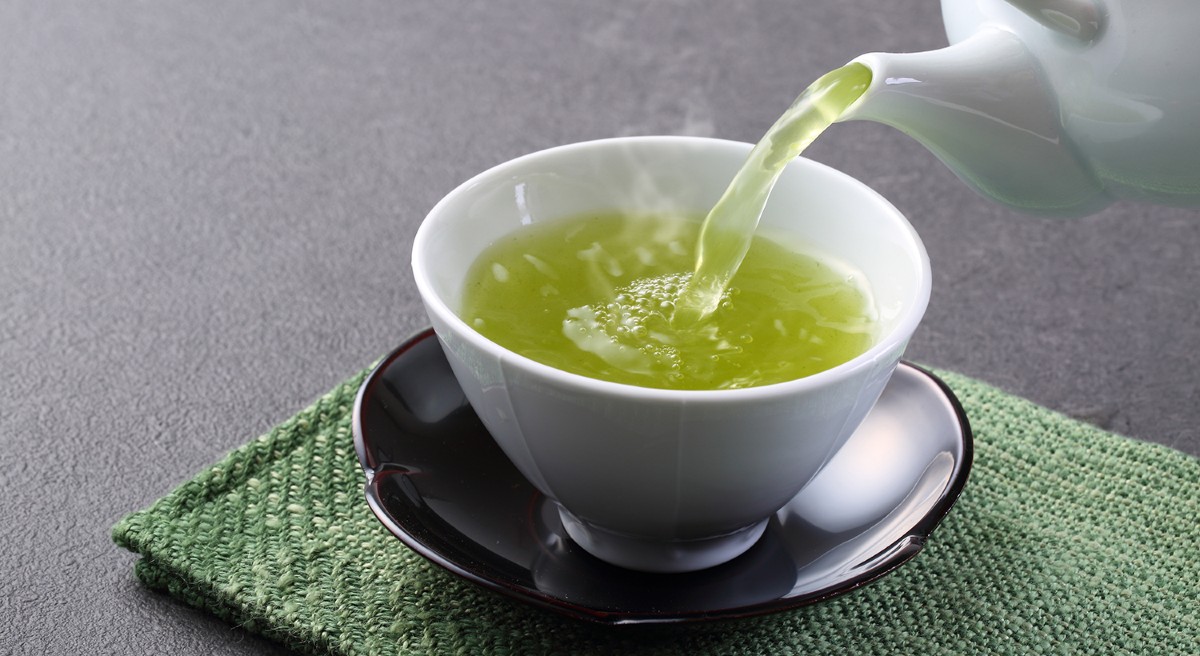
Green tea, with its origins traced back to the Camellia sinensis plant, holds a revered status among tea aficionados for its myriad health benefits and exquisite flavor profile.
When you sip on a cup of green tea, you’re not just enjoying a delicious beverage but also nourishing your body with a powerhouse of antioxidants and nutrients.
Here are some reasons why green tea is a fantastic choice for your next brew:
- Rich in catechins that may boost metabolism.
- Contains L-theanine for relaxation and focus.
- Supports heart health by improving cholesterol levels.
- Linked to improved brain function and neuroprotection.
- Provides a moderate energy boost with lower caffeine content than coffee.
12. Dandelion
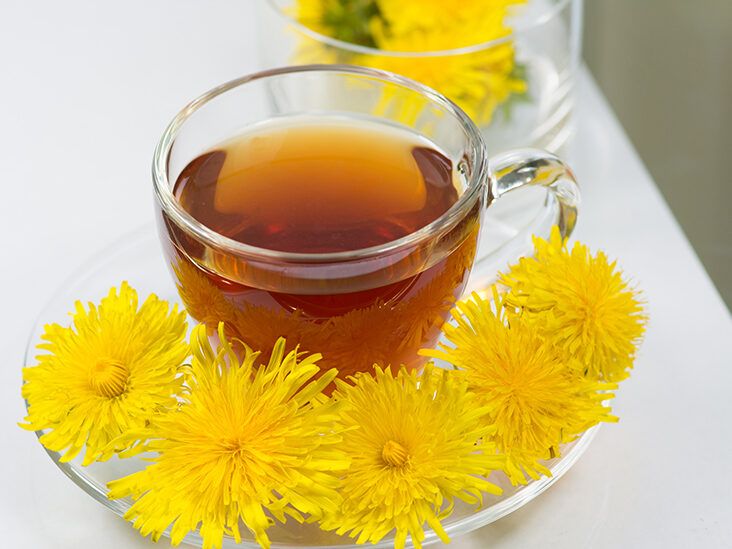
Nestled among the array of herbal teas, dandelion tea emerges as a versatile brew with a host of health benefits waiting to be discovered.
Dandelion tea, derived from the leaves, roots, or flowers of the dandelion plant, offers a range of advantages. Rich in vitamins A, C, and K, as well as minerals like iron and calcium, this tea supports overall nutrient intake.
Known for its potential diuretic properties, dandelion tea aids in reducing water weight and promoting kidney function. Moreover, its digestive benefits stimulate appetite, aid liver function, and assist in detoxification.
With anti-inflammatory properties, antioxidants, and caffeine-free composition, this herbal tea is a soothing choice for those seeking to combat oxidative stress and boost immune function.
13. Oolong

Exploring the realm of herbal teas, let’s now shift our focus to the intriguing world of Oolong tea.
Oolong tea, a partially oxidized tea, offers a delightful array of flavors, ranging from floral and fruity to toasty notes.
Here are some reasons why oolong tea stands out in the world of tea:
- Offers potential weight management benefits
- Enhances mental alertness and cognitive function
- Contributes to heart health with its antioxidants
- Brewing requires specific water temperature and steeping time for optimal flavor
- Falls between green and black tea, providing a unique tea experience
Delve into the world of oolong tea for a flavorful and beneficial tea-drinking experience.
14. Yerba Mate
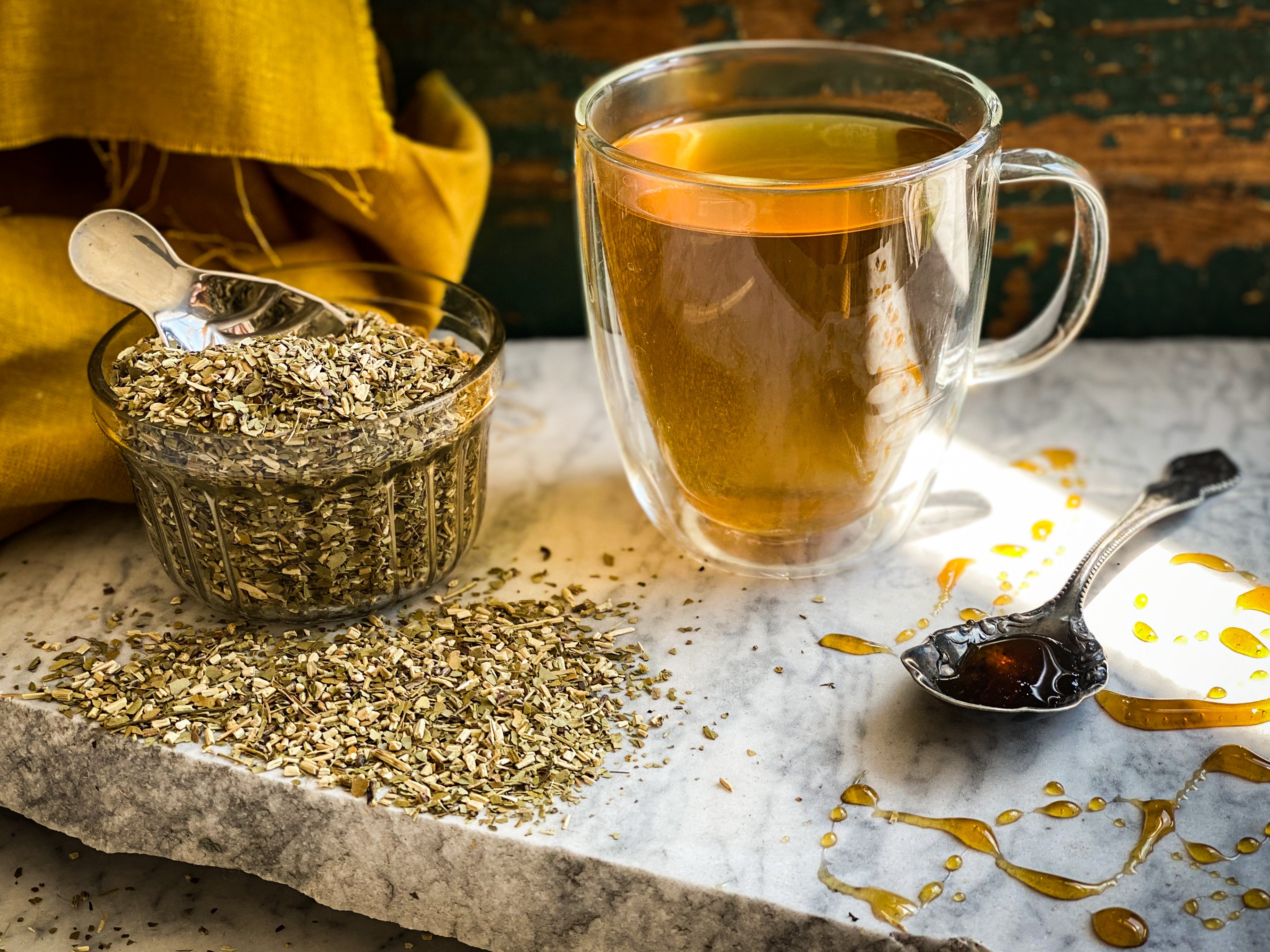
Yerba Mate, a revered South American herbal tea, derives from the leaves of the Ilex paraguariensis plant, boasting a distinctive earthy flavor and invigorating properties.
This traditional brew not only offers a rich taste but also provides a natural energy boost akin to coffee, while surprisingly delivering calming effects. The balance of caffeine and other compounds in yerba mate contributes to this unique combination.
Rich in antioxidants like polyphenols and saponins, this tea may aid in reducing inflammation and promoting overall well-being.
The cultural practice of preparing yerba mate in a gourd and sipping it through a bombilla adds to its charm.
Considered to enhance mental clarity and focus, yerba mate stands out as a favored choice for those seeking a natural cognitive boost.
15. Cinnamon

Derived from the aromatic bark of the cinnamon tree, cinnamon tea offers a delightful blend of warmth and sweetness, making it a beloved choice among tea enthusiasts.
When brewed, cinnamon tea immerses you in a comforting experience with its rich flavor and enticing aroma. Here are some reasons why cinnamon tea should be your next go-to herbal beverage:
- The warm, sweet flavor of cinnamon tea soothes your senses.
- Rich in antioxidants, this tea may help reduce inflammation and promote overall health.
- Cinnamon tea can aid digestion and alleviate discomfort after meals.
- It’s a caffeine-free option, perfect for a relaxing beverage any time of day.
- Known for its potential to regulate blood sugar levels and improve insulin sensitivity, cinnamon tea can be a beneficial addition to your wellness routine.
16. Lavender
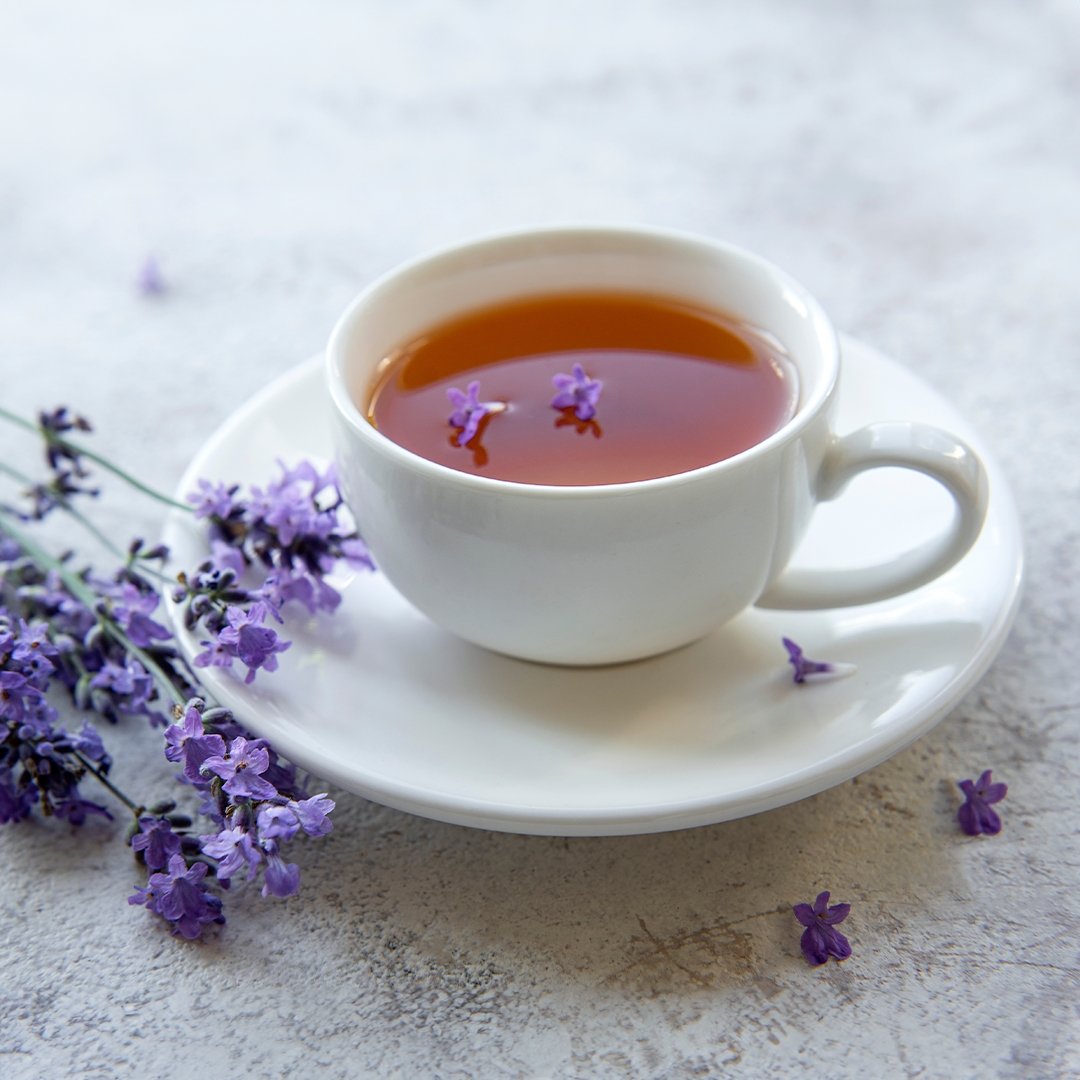
Lavender’s delicate purple blooms and distinctive aroma make it a cherished herb among tea enthusiasts seeking tranquility and relaxation in a cup. Growing your own herbal lavender can bring a touch of tranquility to your daily routine.
This fragrant herb isn’t only prized for its calming properties but also for its ability to alleviate stress. Using fallen leaves as mulch for lavender plants can enhance soil health and moisture retention, contributing to the robust growth of the plant.
By steeping the dried buds and flowers in hot water, you can create a soothing tea that may improve sleep quality. Lavender is a hardy perennial that thrives in well-drained soil and full sun, making it suitable for home gardens or containers.
With its antioxidants and potential anti-inflammatory benefits, lavender tea can also support digestive health. Remember to wash the leaves and seek advice before consuming herbal teas, especially if you have specific health concerns.
17. Valerian Root

Wondering about a natural way to unwind and improve your sleep? Valerian root might just be the herb you need. This perennial herb, native to Europe and Asia, is known for its sedative properties that help promote relaxation and enhance sleep quality.
Here are some key points about valerian root:
- Active compounds like valerenic acid interact with GABA receptors for calming effects.
- Studies suggest it can reduce the time to fall asleep and improve sleep quality.
- Valerian tea is made by steeping dried root in hot water for 10-15 minutes.
- Recommended dosage is 2-3 grams of dried herb.
- While generally safe, be cautious of potential side effects like headaches or digestive upset, especially when combined with other sedatives.
18. Elderberry
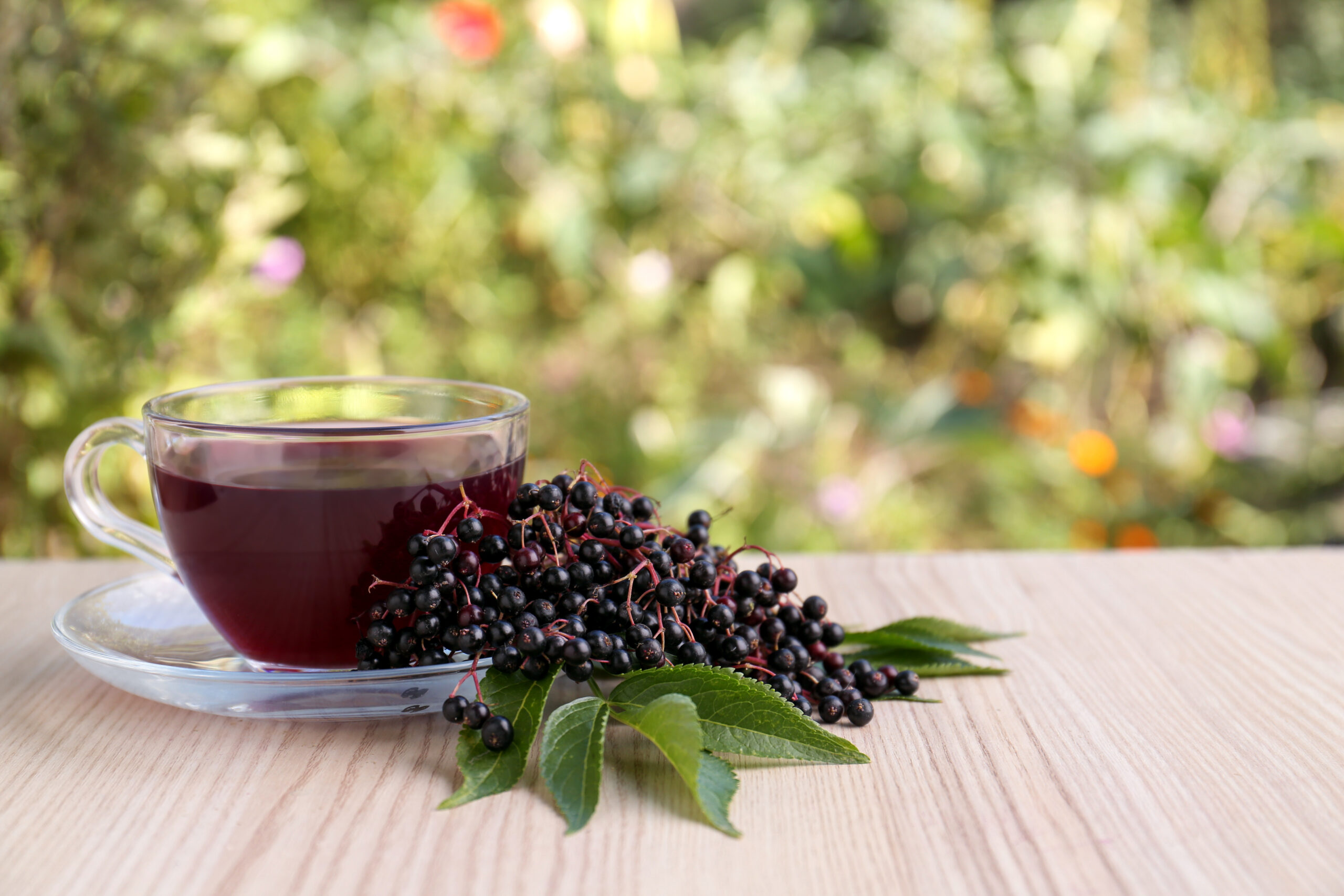
If you’re seeking a natural boost for your immune system, Elderberry might just be the herbal remedy you’re looking for. Packed with vitamins A and C, as well as antioxidants, elderberry can help strengthen your immune system and reduce the duration of cold symptoms.
The berries and flowers of the elderberry plant are commonly used in herbal teas, including convenient tea bags, syrups, and supplements due to their potential antiviral properties. Studies have shown that elderberry may help alleviate flu symptoms, potentially reducing the duration of flu by up to four days when taken early.
Enjoy elderberry tea made from dried berries or flowers, hot or cold, sweetened with honey or mixed with other herbal ingredients, but remember to only use properly prepared products to avoid any potential toxicity.