

I’ve gathered 15 tips for companion planting herbs and vegetables that’ll transform your garden. First, I select beneficial herb companions; for instance, basil enhances tomato flavor. I’m also mindful of pest control strategies, like planting marigolds and dill. To enrich soil nutrients, I incorporate nitrogen-fixing legumes, while optimizing space with herbs like thyme and cabbage. I constantly monitor plant growth interactions and experiment with diverse varieties for better productivity. Additionally, I document my successes for future reference. There’s so much more to explore that can elevate my gardening experience, so let’s uncover additional strategies together.
1. Select Beneficial Herb Companions
When planning your garden, selecting beneficial herb companions can significantly enhance the flavor and growth of your vegetables. For instance, basil boosts tomato flavor, while oregano improves all vegetable growth. Thyme pairs well with cabbage and strawberries, and tarragon benefits nearly every plant. Additionally, companion planting can attract beneficial insects that control pest populations, further promoting a healthier garden ecosystem. Incorporating pollinator-friendly plants like lavender and bee balm can also support the attraction of beneficial insects, enhancing the productivity of your vegetable garden.
2. Understand Pest Control Strategies
Creating a thriving garden isn’t just about selecting the right herb companions; it’s also about understanding how to manage pests effectively.
I’ve learned that using pest identification methods helps pinpoint issues early. Incorporating organic pest management strategies, like planting marigolds and dill, attracts beneficial insects while repelling harmful ones. This creates a balanced ecosystem that keeps my garden flourishing and healthy. Additionally, understanding the benefits of mixed plantings can further enhance pest control and improve soil health. Supporting a diverse plant life encourages bee populations that also contribute to pest management through natural pollination and improved plant health.
3. Enhance Soil Nutrients Naturally
While enhancing soil nutrients naturally is essential for a flourishing garden, I’ve found that the right plant combinations can make all the difference. Nitrogen-fixing legumes like beans enrich the soil, while deep-rooted plants improve nutrient cycling. Incorporating soil amendments like comfrey helps build soil structure. Diverse plant combinations not only enhance soil health but also promote better aeration and nutrient access for all plants involved. Additionally, using organic sources of nitrogen such as green manure crops can significantly contribute to the overall fertility of your garden.
4. Optimize Garden Space Efficiently
To make the most of my garden space, I focus on strategic planting techniques that maximize productivity and minimize waste.
I interplant early-season crops like lettuce with later-maturing vegetables, using taller plants for shade. This practice not only saves space but also enhances soil health by maintaining living roots in the ground. Additionally, incorporating organic matter into the soil can further improve fertility and structure, benefiting all plants in the garden.
By sketching a garden layout, I ensure optimal space efficiency, allowing for proper growth without overcrowding.
This thoughtful arrangement leads to a more productive and thriving garden.
5. Improve Flavor and Growth
Maximizing garden space not only boosts productivity but also enhances the flavors and growth of the plants. For instance, planting basil with tomatoes can significantly improve their flavor and growth. Similarly, chamomile planted near onions enhances their taste while offering anti-fungal benefits. Utilizing these combinations not only elevates your harvest but also promotes a healthier garden environment, especially when incorporating strategic combinations for mutual benefits.
6. Avoid Negative Plant Combinations
Avoiding negative plant combinations is crucial for maintaining a thriving garden. For instance, planting nightshades like tomatoes together can lead to disease issues and nutrient depletion. Similarly, garlic inhibits bean root growth, while cucumbers and potatoes compete for nutrients. By separating these plants, I ensure effective plant disease prevention and minimize root growth inhibition, promoting a healthier and more productive garden overall. Understanding plant interactions is essential for making informed decisions about companion planting.
7. Utilize Trap Cropping Techniques
After learning about the importance of avoiding negative plant combinations, I’ve found that utilizing trap cropping techniques can significantly enhance pest management in my garden.
By carefully selecting trap crops that attract pests, I create effective pest interception zones.
Whether I use conventional or dead-end trap cropping, regularly monitoring these plants ensures they help protect my main crops without becoming pest breeding grounds themselves. Additionally, understanding insect attraction mechanisms is crucial for selecting the right trap crops to maximize their effectiveness.
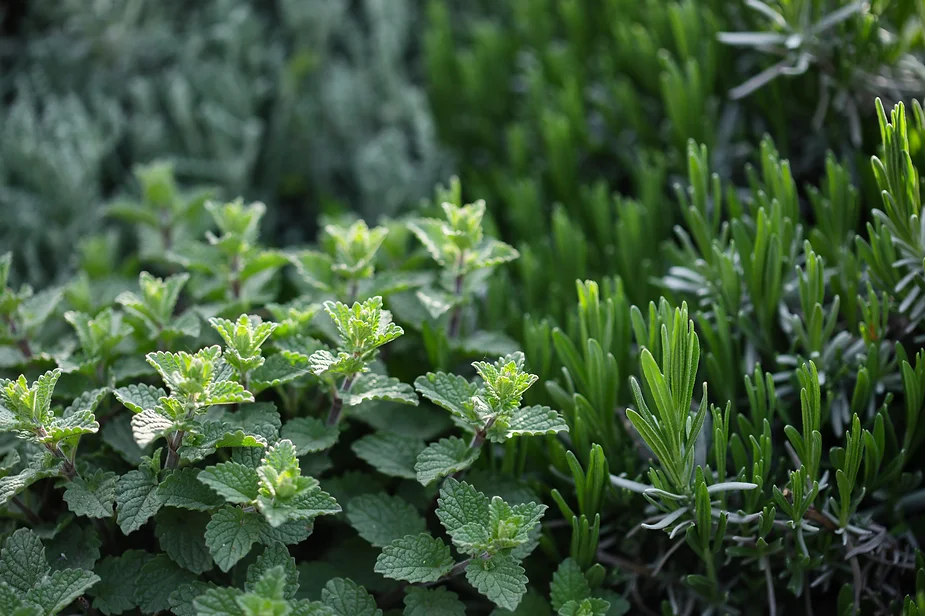
8. Explore Nitrogen-Fixing Plants
Have you ever considered how nitrogen-fixing plants can transform your garden? They offer incredible nitrogen-fixing benefits through root nodule formation, where beneficial bacteria convert atmospheric nitrogen into usable nutrients. Nitrogen-fixing plants not only enhance soil quality but also promote healthier growth across various crops.
9. Leverage Companion Plant Support
Companion plants are like nature’s allies, working together to create a thriving ecosystem in your garden.
By leveraging plant support, taller crops like corn can prop up beans and peas, while squash leaves provide shade for delicate plants. Companion plants not only improve growth but also protect against pests, making your garden more resilient and productive.
10. Attract Pollinators Effectively
Creating a thriving garden goes beyond just pairing plants for support; it also involves attracting pollinators that are vital for plant health and productivity. I focus on flower diversity, selecting zinnias, cosmos, and bee balm to match pollinator preferences. Incorporating specific plant combinations can significantly enhance pollinator activity in your vegetable garden.
11. Implement Shade and Wind Protection
While planning your garden layout, it’s crucial to consider how shade and wind protection can enhance plant health and productivity. I recommend using shade methods like tall corn for lettuce, and sunflowers as wind barriers for delicate crops. Diverse root systems contribute to overall ecosystem resilience, ensuring that your plants not only thrive individually but also support one another. Positioning plants strategically ensures they benefit from mutual support while protecting each other from harsh conditions, creating a thriving, resilient garden environment.
12. Control Weeds With Companion Plants
When you incorporate companion plants into your garden, you’ll discover they can be a powerful ally in controlling weeds.
I’ve found that using aggressive competitors, like mint and marigolds, effectively employs weed suppression techniques. Additionally, allelopathic benefits from certain plants can inhibit weed growth. Companion planting can also maximize competition for soil space, further limiting the establishment of unwanted weeds.
13. Monitor Plant Growth Interactions
To successfully monitor plant growth interactions, I pay close attention to the specific needs and characteristics of each plant in my garden. Understanding how legumes fix nitrogen for neighboring crops like tomatoes enhances nutrient interaction. I also observe deep-rooted plants that bring nutrients to the surface, ensuring that my garden thrives through optimal plant growth and well-planned companion pairings. Additionally, incorporating companion planting strategies can lead to healthier plants and increased yields.
14. Experiment With Diverse Varieties
Experimenting with diverse varieties in my garden has proven to be a rewarding strategy for enhancing both plant health and productivity.
I’ve found that herb variety combinations, like planting chamomile with onions, can boost flavor and prevent diseases. Companion planting can also attract beneficial insects, which play a vital role in maintaining a healthy garden environment.
Additionally, vegetable pairing experiments, such as intercropping radishes with tomatoes, optimize space and encourage beneficial insects, ultimately leading to a thriving garden ecosystem.
15. Document Results for Future Reference
Keeping track of the results from my diverse planting experiments has been invaluable for my gardening journey. I make a habit of documenting outcomes, noting which herbs and vegetables thrive together. This practice not only helps with future assessments but also guides my planting choices. Additionally, understanding the benefits of companion planting allows me to make informed decisions that enhance my garden’s health and productivity.