

If you’re looking to boost your pumpkin garden, consider these 15 companion plants. Marigolds repel squash bugs while attracting beneficial pests. Radishes serve as a natural pest deterrent and improve soil structure. Nasturtiums provide habitats for pest-fighting insects and suppress weeds. Chives deter pests and promote healthy growing conditions. Borage and dill attract pollinators, enhancing yields. Corn offers support, utilizing nitrogen fixed by beans. Additionally, sunflowers create shade and biodiversity. Together, these plants enhance soil health, improve pest management, and promote ecosystem vitality. You’ll find even more strategies to maximize your pumpkin harvest ahead!
Marigolds for Pest Control
Since I’m passionate about gardening, I often recommend marigolds as an effective companion plant for pest control in pumpkin patches.
Their marigold benefits include repelling pests like aphids and squash bugs, thanks to compounds released by their roots. Marigolds attract beneficial insects which aid in pollination and help control harmful pests, making them a valuable addition to any garden. Additionally, planting marigolds in wet soil can enhance their growth and pest-repelling capabilities, creating a healthier environment for pumpkins.
I particularly favor the Mexican marigold (T. minuta) for its strong insect-repelling effect, while noting that different marigold varieties, like “Single Gold,” target specific nematodes effectively.
Radishes for Pest Protection

While marigolds provide excellent pest control in pumpkin patches, radishes offer a unique advantage in protecting these vibrant plants as well. The radish benefits include repelling squash bugs and masking the scent of pumpkins, making pest prevention more effective. Additionally, their roots enhance soil structure, promoting healthier pumpkin growth. Proper companion planting can lead to increased yield and healthier crops, making radishes a valuable addition to your pumpkin garden. Planting radishes alongside pumpkins creates a natural defense and improves overall garden health. Furthermore, incorporating native flowering plants in your garden can attract beneficial pollinators, further supporting pumpkin growth and health.
Nasturtiums for Attracting Beneficials

Nasturtiums play a vital role in attracting beneficial insects that contribute to a healthier pumpkin garden. They create ladybug habitats and enhance hoverfly attraction, essential for controlling aphids and whiteflies. Nasturtiums also provide habitat for beneficial insects, further bolstering pest management. Lacewing adults also lay eggs on nasturtiums, further bolstering pest management.
Chives to Repel Pests

Chives serve as a powerful ally in the fight against pests that threaten my pumpkin plants. Their pest repellent properties effectively deter aphids, beetles, and slugs. Regular harvesting encourages growth and enhances the flavor of chives, making them even more beneficial in my garden. Additionally, well-draining soil is crucial for healthy growth, as it prevents root rot and supports the overall health of companion plants like chives.
By incorporating chives into my companion planting strategy, I minimize the need for chemical pesticides and foster a healthier ecosystem. These chives benefits enhance not only my pumpkins but also the overall garden’s pest resilience.
Borage for Pollinators and Soil

When I plant borage alongside my pumpkins, I not only attract a wealth of pollinators but also enhance the soil’s health and fertility. Borage’s vibrant flowers draw bees and wasps, boosting pollinator attraction and pumpkin fruit set. Its deep roots improve nutrient cycling by accessing deep soil nutrients, while borage leaves enrich compost, fostering a resilient garden ecosystem. Additionally, borage provides potassium, calcium, and Vitamin C to the soil, further promoting healthy plant growth. This is particularly important because bee pollination plays a critical role in maintaining healthy ecosystems and enhancing crop yields.
Sunflowers for Pollination

While sunflowers may seem like just a cheerful addition to the garden, I’ve found that they play a crucial role in enhancing pumpkin growth.
Their diverse sunflower varieties attract bees and other pollinators, significantly boosting pollination rates. This increased activity not only promotes healthy fruit set but also supports various pollinator habits, ultimately leading to a more fruitful pumpkin harvest. Additionally, sunflowers can improve soil health by providing shade and support for the growing pumpkin vines.
Beans for Nitrogen Fixation
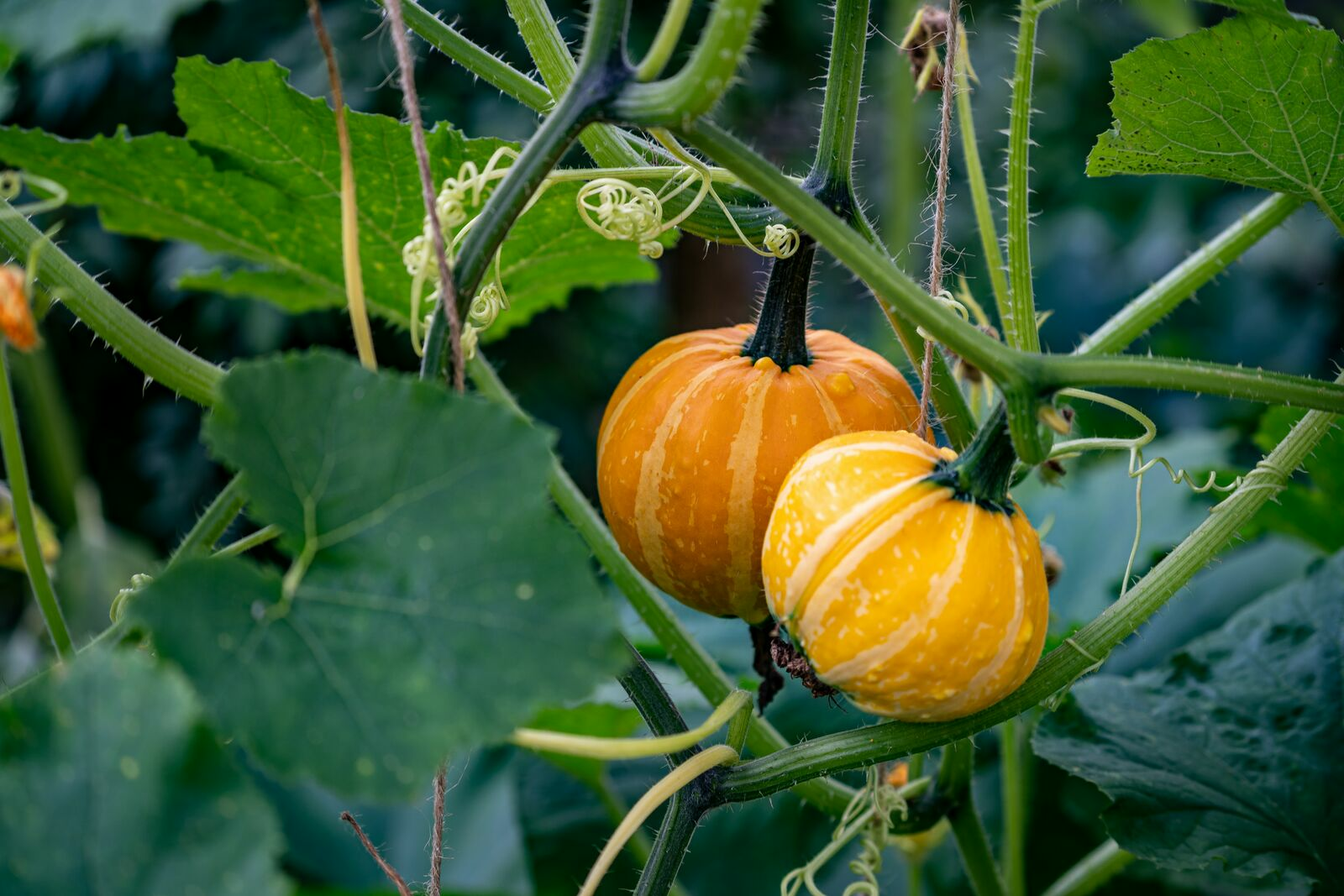
Beans serve as exceptional companions for pumpkins, primarily due to their ability to fix nitrogen in the soil. By planting bush bean varieties between pumpkin rows, I enhance nutrient availability and improve soil health. Utilizing proper planting techniques, like maintaining a foot of space, ensures both crops thrive without competition. This strategic pairing ultimately supports healthier pumpkin vines and a flourishing garden ecosystem, especially when considering the benefits of good companion plants.
Corn for Structural Support
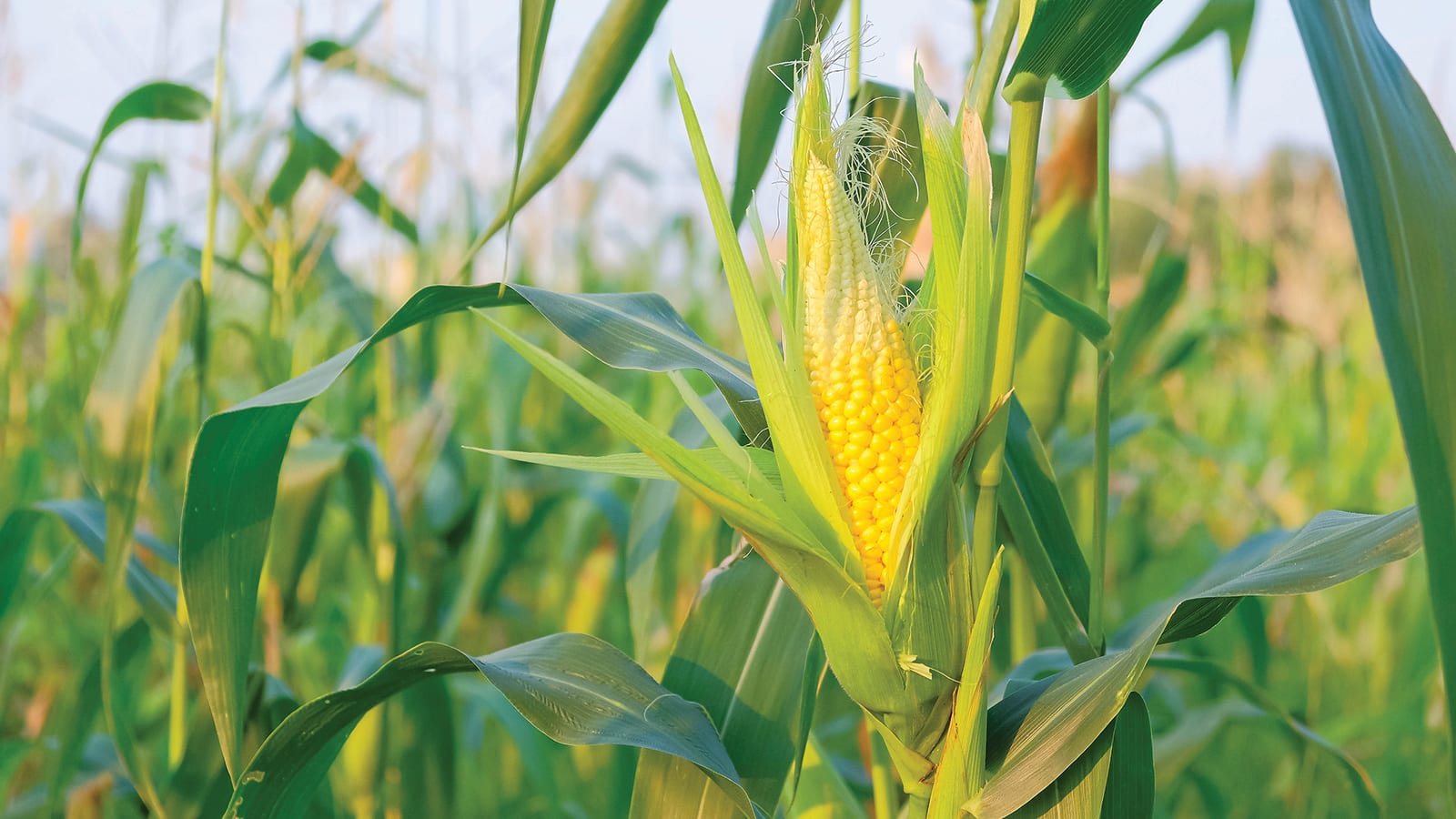
In my garden, corn plays a vital role alongside pumpkins by providing much-needed structural support.
Corn’s role as a vertical anchor allows pumpkin vines to climb efficiently, maximizing space without crowding other plants. This climbing benefit eliminates the need for extra trellises, while the pumpkins’ broad leaves create living mulch, enhancing soil moisture retention and suppressing weeds, promoting a healthier garden ecosystem. Additionally, corn benefits from nitrogen fixed by beans, enhancing its overall growth and contributing to a thriving interplanting arrangement.
Dill for Beneficial Insects
:max_bytes(150000):strip_icc():format(webp)/GettyImages-1591754359-2531bffb75e64b328db25348e3237385.jpg)
Dill serves as a powerful ally in attracting beneficial insects to your pumpkin garden. Its flowers draw ladybugs, hoverflies, and parasitic wasps, all vital for controlling aphid populations and other pests. These dill benefits enhance insect attraction, promoting natural pest control and reducing reliance on synthetic pesticides. By fostering a healthy ecosystem, dill significantly boosts the overall productivity of your pumpkin plants. Additionally, dill attracts beneficial insects that can help manage harmful pest populations more effectively.
Marjoram for Attracting Hoverflies

While you may be focused on nurturing your pumpkin plants, integrating marjoram into your garden can significantly enhance your efforts by attracting hoverflies. The hoverfly benefits include controlling aphid populations and pollination. Additionally, marjoram is known to attract pollinators which can further boost the productivity of your pumpkin plants. Plus, marjoram propagation is easy through seeds or cuttings, ensuring a continuous supply of blooms that attract these beneficial insects throughout the growing season.
Pumpkins as Living Mulch
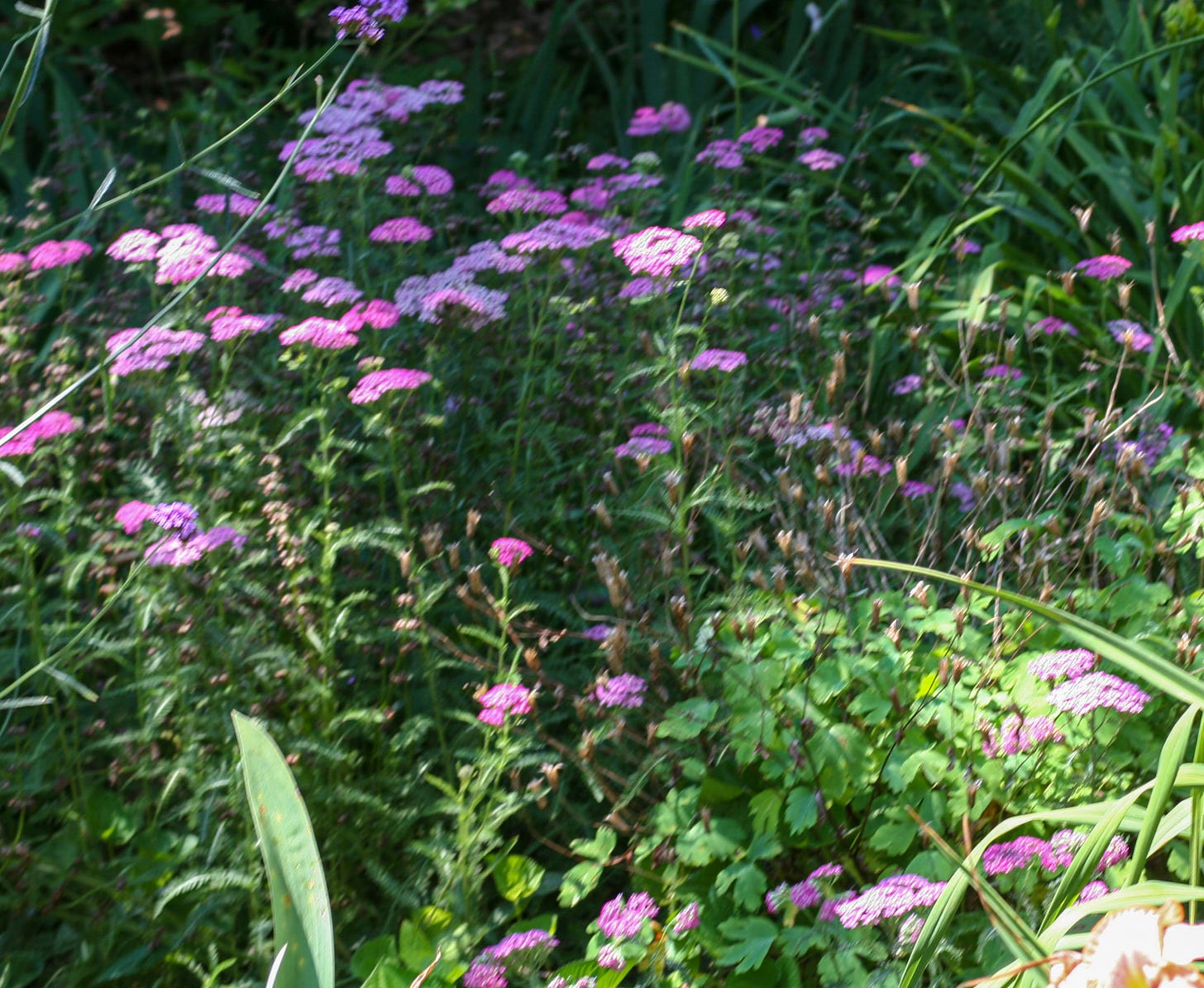
When you consider the many roles pumpkins can play in your garden, their function as living mulch stands out remarkably.
Pumpkins create a dense canopy, which retains soil moisture, suppresses weeds, and prevents erosion. These pumpkin benefits enhance soil health, fostering a balanced ecosystem. Additionally, their extensive root systems can improve soil structure and promote nutrient availability, further supporting the garden’s overall vitality.
With their sprawling vines and broad leaves, they efficiently support consistent moisture levels and improve overall soil vitality.
Borage for Soil Improvement

Borage plays a crucial role in soil improvement, significantly enhancing its fertility and structure. I’ve found that its deep taproots bring vital nutrients to the surface, enriching the soil with nitrogen, magnesium, calcium, and potassium. The slow release of these nutrients optimizes soil fertility, while borage benefits include water retention and aeration, creating an ideal environment for my pumpkins and companion plants to thrive. Additionally, borage acts as an excellent soil conditioner, further enhancing the overall quality of the soil.
Nasturtiums for Weed Suppression
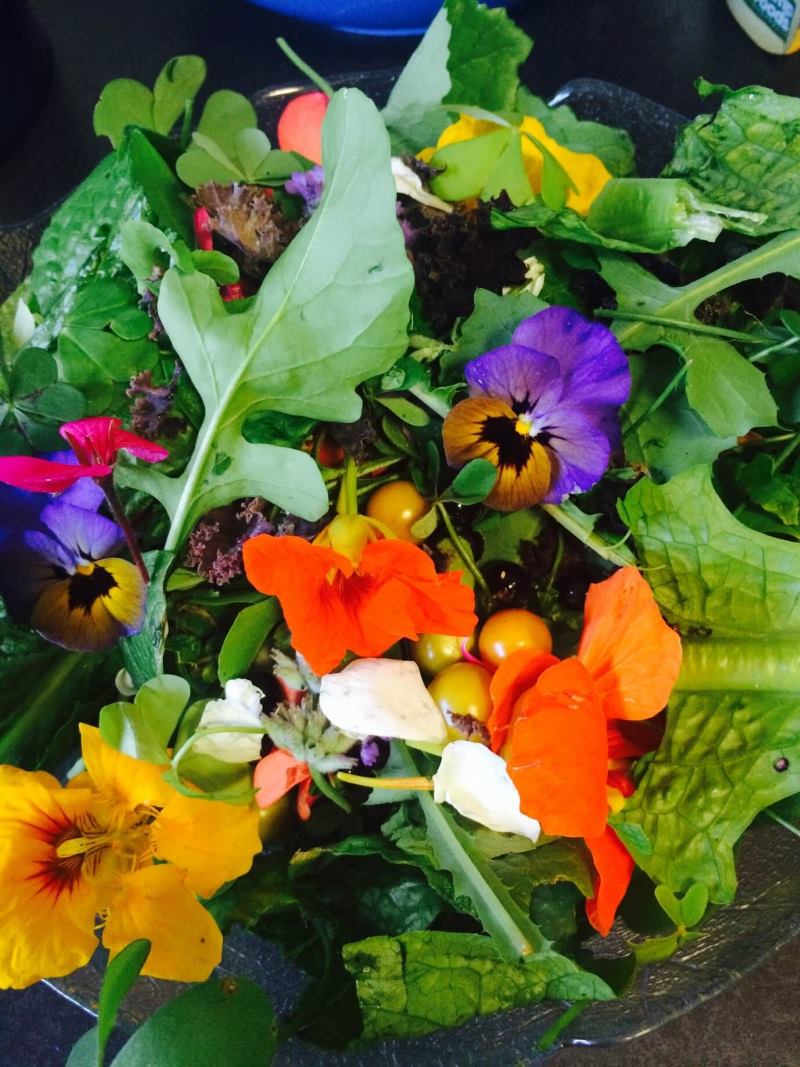
How can nasturtiums transform your pumpkin patch into a thriving ecosystem?
Their broad leaves act as living mulch, providing excellent soil coverage and suppressing weeds by blocking light. Nasturtium benefits include soil stabilization, as their roots break up compacted earth, enhancing fertility. Additionally, their ability to attract beneficial pollinators like bees contributes to increased fruit and vegetable production in your garden.
Diverse Plant Species Benefits
Nasturtiums do a fantastic job of suppressing weeds, but the benefits of companion planting extend far beyond this. By integrating diverse plant interactions, I can enhance pest control with marigolds and promote pollination through borage. These ecological gardening practices not only improve soil health but also attract beneficial insects, creating a thriving ecosystem that supports my pumpkin plants effectively. This approach minimizes pest damage while also boosting the overall productivity of my garden.
Creating Biodiversity With Sunflowers

While I cultivate my pumpkin patch, I’ve found that integrating sunflowers into the mix not only enhances biodiversity but also supports the overall health of my garden. Their tall stature creates a wildlife habitat, offering shade and shelter for my pumpkins. Sunflowers attract beneficial pollinators, providing essential nutrients while improving soil health. Additionally, their seeds provide food for various bird species, further enriching the ecosystem. These biodiversity benefits contribute to a thriving ecosystem, ensuring my garden flourishes.