

If I’m looking to enhance my kale’s growth and health, I consider companion planting with 15 key plants. For pest management, nasturtiums, cilantro, and dill attract beneficial insects while repelling harmful ones. I find that garlic and marigolds also serve as effective deterrents against pests. Incorporating radishes and climbing beans improves soil structure and nitrogen levels. Additionally, thyme and rosemary enhance flavor and repel unwanted insects. Spinach and lettuce maximize space and moisture retention. If I want a visually appealing garden, sweet alyssum and sage offer beauty and culinary benefits. There’s a lot more to explore on this topic.
1. Nasturtiums

When I consider companion planting with kale, nasturtiums immediately come to mind due to their remarkable pest-repellent properties.
Nasturtium benefits include deterring aphids, whiteflies, and cabbage loopers, effectively acting as a pest deterrent. Additionally, they attract beneficial insects like ladybugs and lacewings, promoting a balanced ecosystem. Their ability to thrive in poor soil conditions makes them an ideal companion for kale. Furthermore, they contribute to healthy soil by enhancing microbial diversity and improving soil structure. Moreover, their vibrant flowers enhance the visual appeal of the garden while providing ecological benefits.
2. Cilantro

Nasturtiums provide excellent pest deterrence, but cilantro deserves attention for its own benefits as a companion plant for kale.
It attracts beneficial insects, like hoverflies, that prey on common cilantro pests such as aphids. Both thrive in cool weather, and cilantro’s compact growth allows for optimal space use, enhancing pest control while enriching the garden’s biodiversity. Companion planting is a method that not only supports healthier crops but also fosters an ecosystem where plants can thrive together. Additionally, incorporating cilantro supports nitrogen management in the soil, as it contributes to overall soil health and fertility.
Its aroma also repels pests targeting kale effectively.
3. Dill
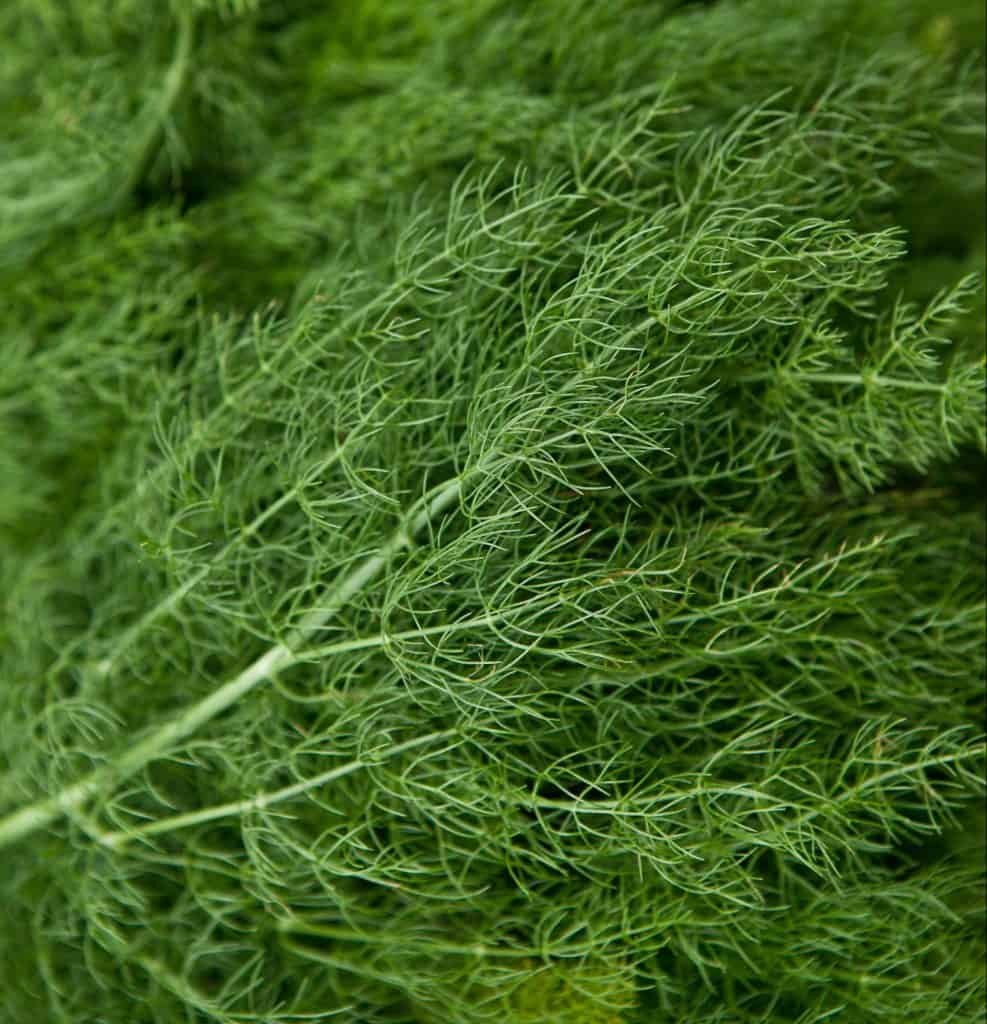
Although kale thrives in cooler weather, it can benefit significantly from the presence of dill as a companion plant. Dill attracts beneficial insects that prey on common dill pests like aphids and cabbage loopers, enhancing kale’s growth. Additionally, its strong scent deters these pests, creating a healthier environment. Furthermore, dill’s ability to enhance productivity of nearby fruiting plants can also contribute positively to the overall garden ecosystem.
4. Radishes
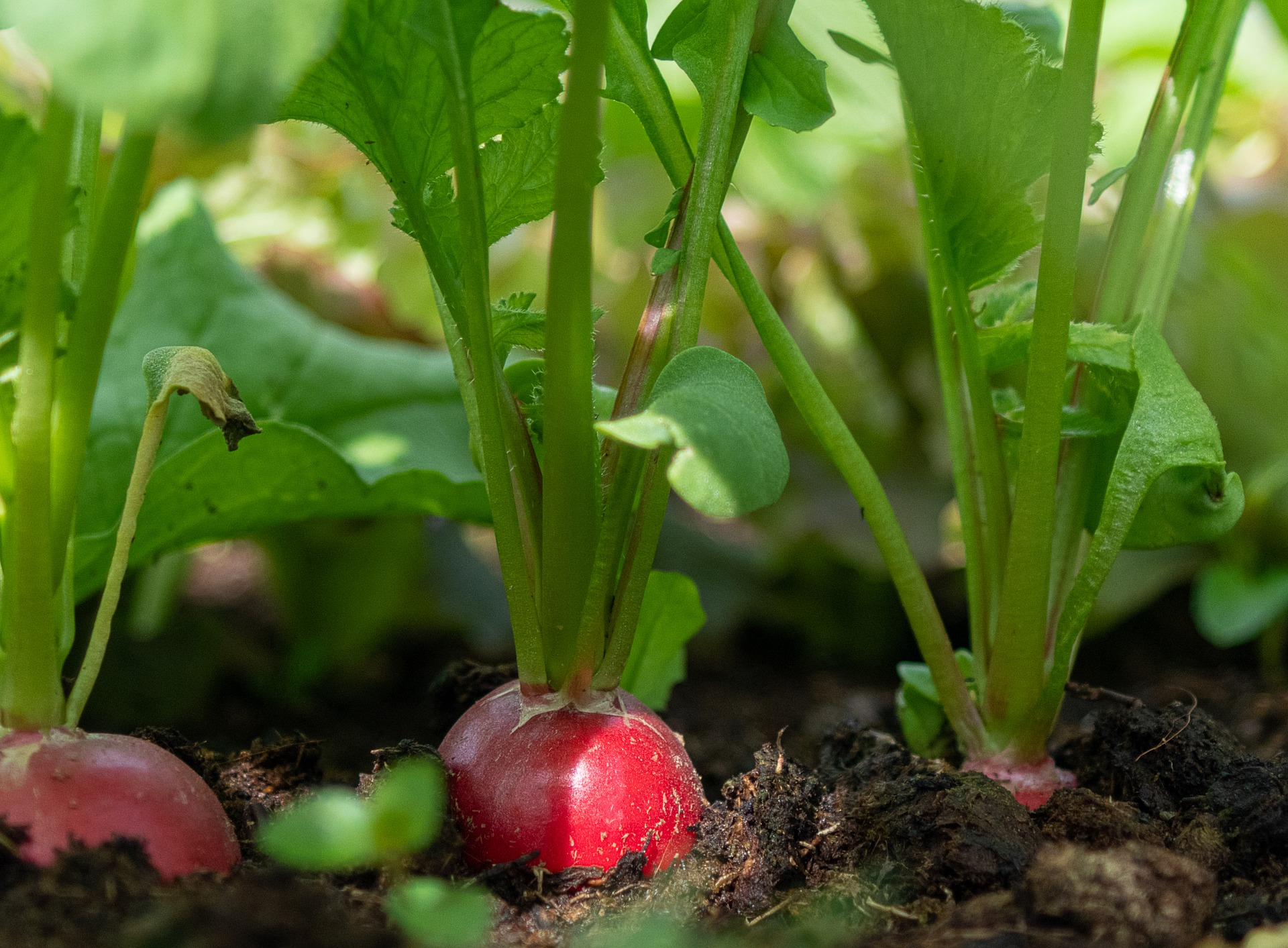
While exploring the benefits of companion planting, radishes stand out as an excellent choice for pairing with kale.
Fast-growing radish varieties, harvested within 22-60 days, won’t compete for nutrients. They enhance soil structure, retain moisture, and repel pests like cucumber beetles. This pairing is particularly beneficial as both plants thrive in similar growing conditions, ensuring they can coexist harmoniously. Additionally, growing radishes alongside kale can contribute to reducing carbon footprint by minimizing the need for store-bought produce.
The radish benefits extend to using garden space efficiently, making them a valuable companion in your vegetable patch.
5. Sage
:max_bytes(150000):strip_icc()/close-up-of-sage-growing-in-garden-569192823-25fdc992949c49abafc407bfb78c4af0.jpg)
When considering companion planting, sage emerges as a valuable ally for kale.
Sage growth benefits include pest repellent properties, which deter cabbage moths and flies. Additionally, sage enhances kale’s flavor, offering culinary uses that elevate dishes. Both plants thrive in well-draining soil, maximizing space and resources while creating a balanced ecosystem that fosters healthy, vigorous growth. This synergy is especially beneficial as sage is drought-resistant, making it an excellent companion for kale in diverse garden conditions. Furthermore, the combination of sage and kale can improve microbial activity in the soil, promoting overall plant health.
6. Garlic

Garlic stands out as an exceptional companion plant for kale, thanks to its numerous benefits that significantly enhance the growth and health of kale plants. The garlic benefits include pest deterrence, improved soil health through sulfur accumulation, and attracting beneficial insects. Additionally, garlic cultivation is easy alongside kale, as their growing conditions align, maximizing space and promoting a balanced garden ecosystem. Furthermore, garlic acts as a natural fungicide due to its sulfur accumulation, which helps protect kale from various diseases.
7. Onions

Kale benefits greatly from the companionship of onions, which serve as another effective ally in the garden. Various onion varieties, like bulb and bunching onions, excel in pest control, repelling pests such as cabbage loopers and aphids. Planting onions alongside kale in early spring enhances protection, ensuring both thrive without competition for resources. Their strong odor further shields kale from unwanted butterflies. Additionally, onions are known to enhance soil fertility through their interaction with other plants, promoting a healthier garden ecosystem.
8. Sweet Alyssum
:max_bytes(150000):strip_icc()/how-to-grow-sweet-alyssum-1402862-13-9732fee8347242c496425f14e024aea4.jpg)
Although many gardeners might overlook Sweet Alyssum as merely an ornamental plant, its multifaceted benefits make it an excellent companion for kale. Its ability to suppress weeds and conserve soil moisture enhances sweet alyssum care, while attracting beneficial insects controls garden pests. This living mulch not only beautifies your garden but also supports kale’s health, making it a wise choice for any gardener. Additionally, Sweet Alyssum contributes to a biodiverse ecosystem that promotes plant health and strengthens kale’s resilience against pests.
9. Marigolds

One of the most effective companion plants for kale is marigolds, which offer a range of benefits that enhance both plant health and garden aesthetics.
Various marigold varieties repel pests like nematodes and tomato hornworms through their fragrant compounds. Additionally, marigolds contribute to a healthy ecosystem by attracting beneficial insects that can help control pest populations in your garden.
For optimal marigold care, ensure proper spacing and moisture retention, as they also improve soil health while providing attractive ground cover in your garden.
10. Peas
:max_bytes(150000):strip_icc()/garden-vs-snow-and-sugar-snap-1403487-04-4216b24a579a4a899e7db3a44e4fe0e3.jpg)
When considering companion planting, peas emerge as an exceptional choice for enhancing kale cultivation. They excel in cool weather, thriving alongside kale in early spring and fall. Through nitrogen fixation, peas enrich the soil, providing essential nutrients for kale’s growth. Their vertical growth supports efficient space usage, while their shallow roots improve soil structure, fostering a healthier garden ecosystem. Additionally, the presence of peas can attract beneficial insects, which further aids in natural pest control for the kale plants.
11. Lettuce
:max_bytes(150000):strip_icc()/how-to-grow-lettuce-getty-5348e204ce4948808dc6e88c7d7b2379.jpg)
Peas aren’t the only friendly neighbors for kale in the garden; lettuce also makes for an excellent companion plant.
With various lettuce varieties, their shallow roots won’t compete for nutrients. Lettuce shades the soil, retaining moisture and blocking weeds. Companion planting maximizes garden productivity by allowing both kale and lettuce to thrive together.
Plus, their different scent profiles confuse lettuce pests, protecting kale from aphids and caterpillars. This partnership enhances both growth and pest management.
12. Spinach
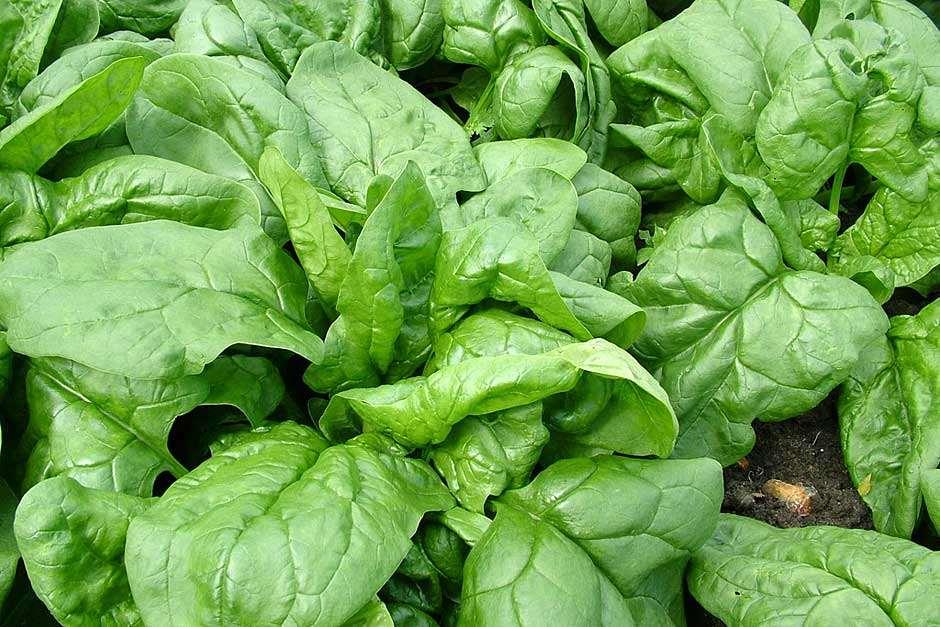
Kale and spinach make an exceptional duo in the garden, optimizing space and enhancing growth. Planting various spinach varieties alongside kale maximizes yield, while kale’s shade protects spinach from heat stress. Both thrive in nitrogen-rich soil, supporting each other’s growth. Additionally, spinach nutrition complements kale’s, providing a nutrient-packed harvest. Together, they create a balanced ecosystem, promoting healthy plants and minimizing pest issues. Consistent watering is crucial for optimal growth of both plants, ensuring they flourish together in the garden.
13. Rosemary

After exploring the benefits of companion planting with spinach, it’s time to consider another advantageous partner for kale: rosemary.
This herb repels pests like cabbage moths while enhancing flavor. Rosemary thrives in sunny, well-draining soil, making it ideal for herb gardening alongside kale. Companion planting involves growing different plants together to enhance growth and health, and rosemary’s presence promotes pest management by attracting beneficial insects, creating a healthier environment for both plants in your garden.
14. Climbing Beans

While considering the best companions for kale, I find that climbing beans stand out due to their unique benefits. These legumes enhance kale growth through nitrogen fixation, transforming atmospheric nitrogen into plant food. They also repel aphids, provide structural support, and improve soil health. Additionally, their nitrogen-fixing properties help create a more nutrient-rich environment for kale to thrive.
15. Thyme
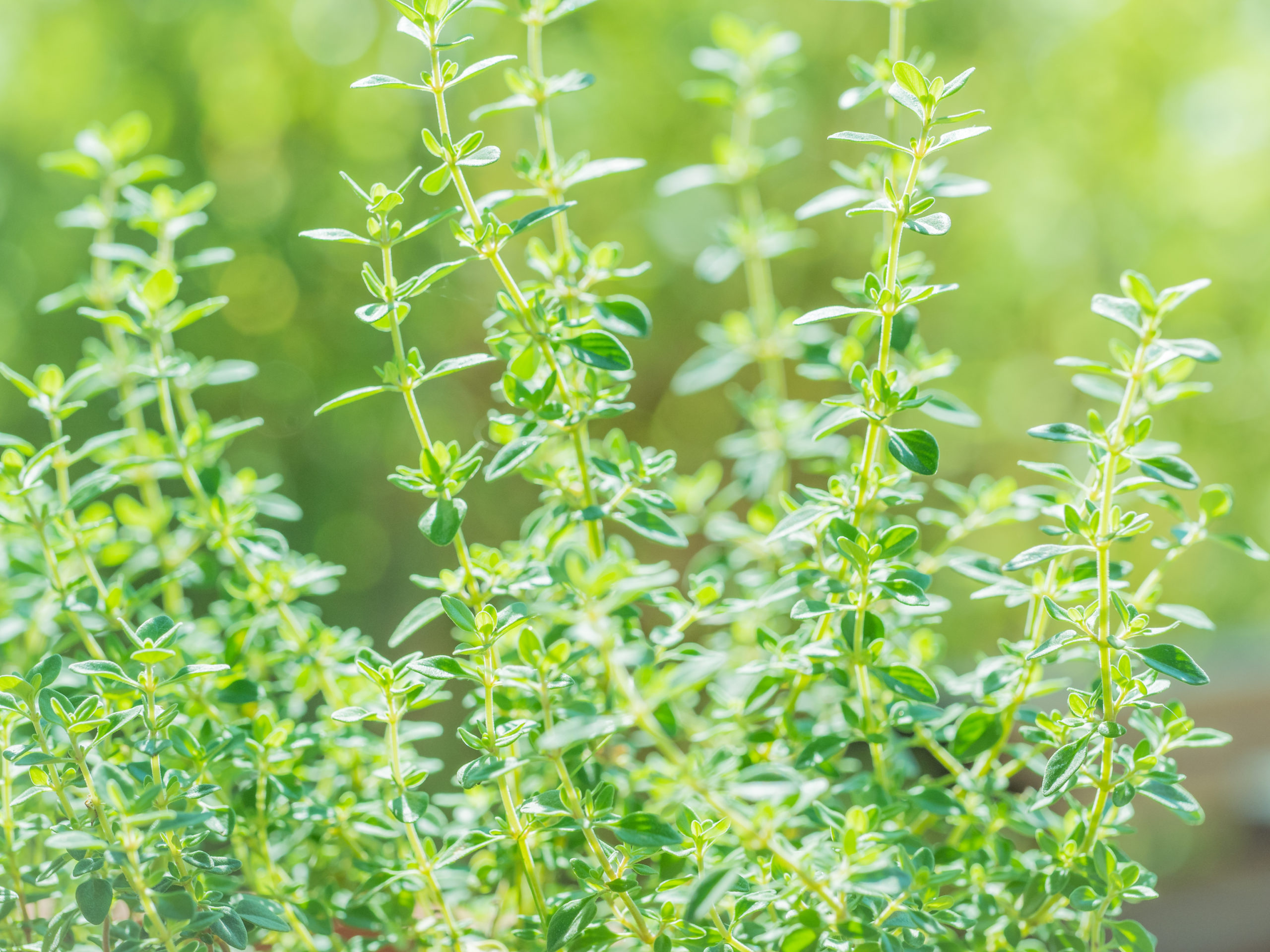
Thyme benefits include pest control, as it repels harmful insects and attracts beneficial ones. During thyme cultivation, it thrives in well-draining soil, suppresses weeds, and retains moisture, aligning perfectly with kale’s needs. Its low maintenance and hardiness make it an ideal companion in the garden. Additionally, thyme’s ability to attract honey bees enhances pollination, further supporting the growth of kale.