

When I’m planning to grow cantaloupes, I consider companion plants like beans, borage, and marigolds. Beans, especially bush varieties, enrich the soil with nitrogen, while borage attracts pollinators and deters pests. Lettuce provides ground cover, keeping soil moist and cool. Corn serves as a sturdy support for vines and helps regulate moisture. I also find sunflowers beneficial for attracting pollinators. Herbs like lavender can deter harmful pests, although I keep an eye on spacing. Together, these plants create a thriving ecosystem that boosts cantaloupe yield and health—there’s even more to explore about effective plant combinations.
1. Beans
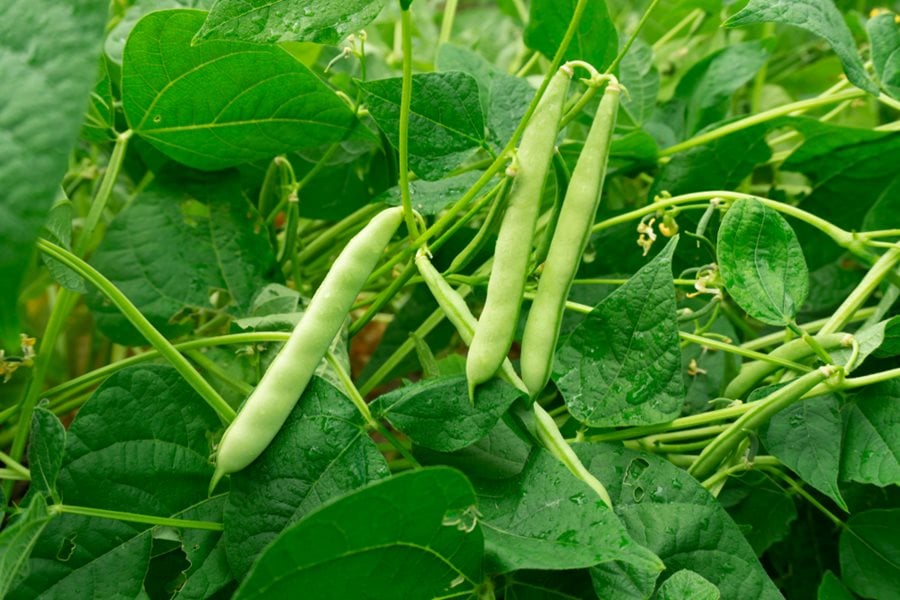
When planning your garden, consider how beans can enhance the growth of cantaloupes. Bean varieties like bush beans and French beans fix nitrogen in the soil, enriching it for your cantaloupes. Their leafy growth provides shade, keeping the soil moist and cool. This symbiotic relationship not only boosts nutrient availability but also improves overall health and productivity of your melon plants. Additionally, companion plants contribute to a balanced ecosystem, promoting overall garden health.
2. Pole Beans
:max_bytes(150000):strip_icc()/top-pole-bean-varieties-1835635-hero-2942ec4d04c74ed4b4a8297d416ee9aa.jpg)
Although I often focus on various companion plants for enhancing garden productivity, pole beans stand out due to their unique growth habits and significant benefits for cantaloupe cultivation.
Their vertical growth allows them to climb supports, maximizing space while enriching the soil with nitrogen benefits. This not only boosts cantaloupe health but also reduces the need for additional fertilizers, enhancing overall garden fertility. Additionally, this nitrogen fixation increases soil nutrient levels, further supporting the growth of nearby cantaloupes. Furthermore, incorporating animal manures as a complementary practice can enhance the nitrogen content in the soil, further benefiting the growth of both the beans and cantaloupes.
3. Bush Beans

Building on the benefits of pole beans, bush beans also play a vital role in companion planting with cantaloupe. Their nitrogen fixation enriches the soil, reducing the need for additional fertilizers. Plus, they enhance pest control, protecting cantaloupe from harmful insects. Additionally, bush beans thrive in similar growing conditions as cantaloupe, making them mutually beneficial companions. Incorporating bush beans into your garden helps improve soil health, which is essential for fostering a thriving garden ecosystem.
4. Borage
As you explore companion planting with cantaloupe, consider incorporating borage, a versatile herb known for its numerous benefits.
Borage enriches the soil by releasing potassium and calcium, supporting cantaloupe’s fruiting. It attracts beneficial insects like bees, boosting pollination, and acts as a natural pest deterrent. Additionally, healthy soil can enhance the overall health of your garden and promote a bountiful harvest.
For optimal borage care, plant it at garden edges to prevent overcrowding while enhancing biodiversity.
5. Lettuce
:strip_icc()/tango-oakleaf-lettuce-c6f6417e-b835c4813e1d4cbf9d11ddf09fbd2ea6.jpg)
Lettuce serves as an excellent companion plant for cantaloupe, offering a variety of benefits that enhance both growth and soil health.
Various lettuce varieties provide ground cover, keeping soil moist while shading it from heat. Their shallow roots ensure no competition with cantaloupe. Additionally, lettuce thrives in cool conditions, making it an ideal partner for the warm-growing cantaloupe as they both enjoy well-drained, fertile soil. This is crucial because good drainage prevents root rot, ensuring healthy growth for both crops.
Plus, harvesting lettuce in early stages frees up space for cantaloupe, maximizing the garden’s productivity.
6. Spinach

One of the most beneficial companion plants for cantaloupe is spinach, which offers a range of advantages for both the cantaloupe and the overall garden ecosystem.
Spinach varieties thrive early, providing ground cover that minimizes weeds and retains soil moisture. Plus, it doesn’t attract spinach pests that harm cantaloupe, ensuring a healthier environment for your plants. Companion planting can also enhance the growth and yield of both crops when planted together.
Harvesting spinach before cantaloupe spreads maximizes space efficiently.
7. Carrots

Carrots serve as excellent companions for cantaloupe, enhancing both growth and soil health in the garden. Their growth benefits include breaking up soil, which allows cantaloupe roots to thrive. Carrots also aid in pest control by promoting a balanced ecosystem, reducing potential threats to cantaloupe. Additionally, they are a cool-season crop that complements the warm-season growth of cantaloupe effectively.
8. Tansy

While considering companion planting with cantaloupe, I often find tansy to be a remarkable choice due to its multifaceted benefits. Tansy attracts pollinators and repels pests, enhancing the overall garden health. Additionally, tansy is known for its ability to improve soil quality by accumulating potassium, which can further benefit the cantaloupe plants. However, I must also note the tansy drawbacks, including its competitive growth and invasive tendencies, which can overshadow cantaloupe plants. Proper management and separation are essential to mitigate these issues effectively.
9. Nasturtium

Nasturtium serves as an excellent companion plant for cantaloupe, bringing numerous benefits that enhance both plant health and garden aesthetics. Its pest-repelling qualities protect cantaloupe from aphids and cucumber beetles. Additionally, nasturtium attracts pollinators, which helps improve the overall pollination of nearby crops. In terms of Nasturtium cultivation, it thrives in poor soil and prefers sunny spots, allowing it to spread rapidly without competing for nutrients, making it an ideal companion in your garden.
10. Marigolds

One of the key benefits of incorporating marigolds into your cantaloupe garden is their exceptional ability to repel a variety of pests. Different marigold varieties thrive in full sun and well-drained soil, making marigold care straightforward. By planting them around your cantaloupe patch, you create a protective barrier, reducing pest infestations and enhancing biodiversity, all while adding vibrant colors to your garden. Additionally, their role as companion flowers can significantly boost the overall health of your cantaloupe plants.
11. Garlic

Garlic’s toxicity effects can hinder cantaloupe growth, as it releases chemicals that persist in the soil. Additionally, garlic competes for nutrients and may attract diseases like white rot, which can spread, reducing both pest resistance and overall plant health. Furthermore, garlic has a pungent aroma that can repel common garden pests, making it a natural deterrent for some other plants in the garden.
12. Onions
:max_bytes(150000):strip_icc()/growing-onions-1403447-01-38d480a2d16d4ea0b0dd174f42785e1d.jpg)
Onions can serve as valuable companions to cantaloupe, offering both pest-repelling benefits and adaptability to similar growing conditions. They effectively aid in pest management by deterring harmful insects like beetles and aphids. Additionally, onions act as a natural pest repellant, providing an extra layer of protection for cantaloupe crops. However, I must be cautious about root competition; planting them too close can lead to competition for nutrients and water, potentially hindering cantaloupe growth. Proper spacing is crucial for success.
13. Sunflowers
:max_bytes(150000):strip_icc()/fall-annuals-add-color-texture-to-autumn-garden-sunflower-getty-0923-5b9646c53d0d487c91f3c15b71fc3c35.jpg)
Although I find cantaloupe to be a delightful addition to my garden, pairing it with sunflowers has proven to be equally beneficial. Different sunflower varieties attract essential pollinators, enhancing my cantaloupe yields. They provide physical support for the vines, help improve soil health, and deter pests visually. Additionally, sunflowers can enhance growth and yields of cantaloupe by creating a diverse garden environment that supports beneficial insects. These sunflower benefits truly optimize space and create a vibrant, thriving garden ecosystem.
14. Lavender
While sunflowers offer numerous benefits when paired with cantaloupe, I’ve found that lavender presents a more complicated relationship. Lavender benefits include pest repulsion, but its soil and moisture needs clash with cantaloupe’s. For successful lavender care, I ensure it thrives in well-drained, slightly alkaline soil, while monitoring spacing to prevent competition, as their growth cycles don’t align ideally. Additionally, lavender’s drought tolerance can be advantageous in a garden where water conservation is prioritized.
15. Corn

One of the most rewarding aspects of companion planting is how corn can enhance the growth of cantaloupe in your garden. Corn varieties provide sturdy support for cantaloupe vines while their broad leaves regulate soil temperature and moisture. Additionally, this pairing helps manage corn pests by fostering a diverse ecosystem, improving soil health, and ensuring both crops thrive harmoniously in shared space. The warm conditions in East Central Mississippi create an ideal environment for this companion planting strategy to flourish.