

When I think of companion planting with peas, several plants come to mind that can boost your garden’s health. Consider cilantro and mint for pest deterrence; sage for attracting beneficial insects; and lettuce and spinach for shade and resource management. Cucumbers and tomatoes can climb alongside peas, maximizing vertical space. Borage is great for attracting pollinators and enriching soil, while marigolds repel pests effectively. Beans and corn will benefit from the nitrogen peas fix in the soil. Each plant enhances the ecosystem. If you’re curious about how these combinations work together, there’s more to explore.
1. Cilantro

Cilantro, a vibrant herb known for its distinctive flavor, plays a crucial role in companion planting with peas. Its benefits include repelling pests like aphids and spider mites, enhancing overall garden health. While it doesn’t fix nitrogen, cilantro thrives alongside nitrogen-fixing peas, improving soil fertility. This intercropping maximizes space and creates a diverse ecosystem, showcasing the numerous cilantro benefits in a garden setting. Additionally, cilantro’s strongly aromatic nature contributes to improved pest management, making it a valuable companion for peas. Furthermore, planting cilantro alongside peas can enhance beneficial microbial activity, promoting a healthier soil ecosystem.
2. Mint

When considering companion planting with peas, mint emerges as a strong ally in the garden. Its various mint varieties deter pests like aphids and spider mites while improving soil health through moisture retention. Additionally, mint enhances pest control by repelling harmful insects, which further benefits the growth of peas. The rich nectar produced by mint flowers also attracts beneficial pollinators that aid in the overall health of the garden.
With proper mint maintenance, I’ve noticed enhanced growth in my pea plants, as mint’s root system breaks up compact soil and attracts beneficial insects, creating a thriving ecosystem.
3. Sage

Sage is an exceptional companion plant for peas, offering a range of benefits that enhance both growth and health in the garden. Sage benefits include repelling harmful pests and improving soil quality through nitrogen fixation. In my experience, sage cultivation attracts beneficial insects, promoting pollination. The combined effects lead to healthier, flavorful peas and a thriving, balanced ecosystem in your garden. This practice of companion planting not only increases the vigor of the plants but also reduces the likelihood of pests and diseases affecting both sage and peas. Additionally, the use of organic fertilizers can further enhance soil health and contribute to the overall resilience of the garden.
4. Lettuce
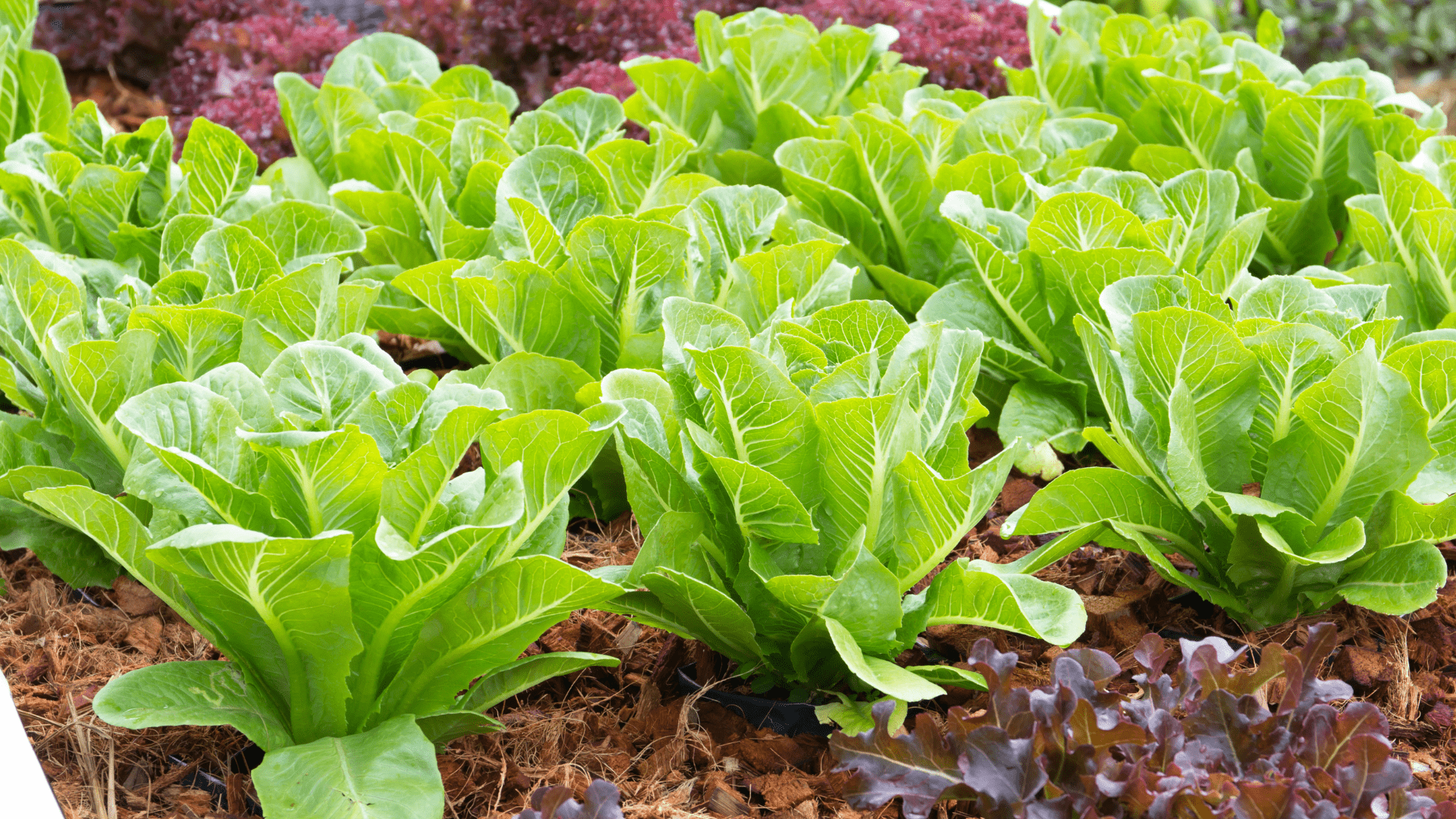
Lettuce serves as an excellent companion for peas, capitalizing on their shared growing conditions and enhancing the overall garden ecosystem.
Various lettuce varieties thrive alongside peas, benefiting from the nitrogen-rich soil they create. Additionally, lettuce can help deter certain lettuce pests while providing shade, keeping the soil cool. This duo maximizes space and promotes healthy growth, making them ideal partners in the garden. Moreover, the presence of peas contributes to nitrogen fixation, further enriching the soil for the benefit of all neighboring plants. This partnership supports biodiversity in the garden, fostering a more resilient ecosystem.
5. Spinach

Companion planting can significantly enhance the growth of spinach, especially when paired with peas. This combination improves pest resistance through natural repellents like garlic and marigolds. Additionally, peas enrich the soil by fixing nitrogen, providing nutrient benefits that spinach thrives on. Overall benefits include healthier plants and higher yields while minimizing competition for resources. Together, they utilize space effectively, promoting healthier plants and higher yields while minimizing competition for resources.
6. Kale

Although many gardeners appreciate the versatility of kale, its benefits are amplified when interplanted with peas. Both thrive in cool weather and share similar soil preferences, enhancing each other’s growth. Kale’s deep roots help retain soil moisture, while peas enrich it with nitrogen. This partnership not only maximizes space but also yields nutritious harvests perfect for various kale recipes, boosting your garden’s output. Additionally, this companion planting method reduces pest pressure, contributing to a healthier garden ecosystem.
7. Cauliflower

When considering the cultivation of cauliflower, it’s crucial to understand its unique growing requirements and how it interacts with other plants in the garden.
Utilizing pest management strategies, I find that planting peas alongside cauliflower not only enhances soil nutrient enhancement through nitrogen fixation but also improves structural support. This creates a healthier ecosystem that minimizes pest threats while maximizing growth potential, as it promotes pest control by deterring harmful insects.
8. Beans
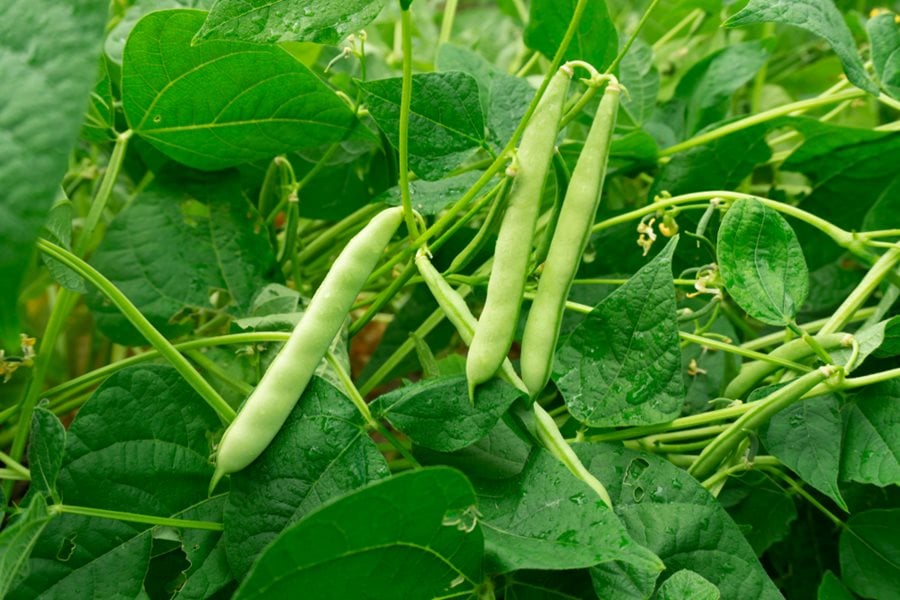
Beans, being closely related to peas as legumes, share many of the same growing requirements, which makes them ideal companions in the garden.
I love planting various bean varieties alongside peas in early spring or fall. They thrive together, using shared trellises for structural support. Additionally, their nitrogen-fixing abilities enhance soil health, benefiting overall garden productivity through effective companion planting. This relationship not only improves soil nitrogen levels but also encourages biodiversity in the garden.
9. Corn

Corn plays a crucial role in companion planting with peas, offering multiple benefits that enhance garden productivity. The nitrogen peas fix enriches the soil for heavy-feeding corn varieties. Additionally, corn stalks provide natural trellis support for climbing peas. This arrangement also helps shade peas, reducing competition with corn pests, and optimizes space, ultimately leading to a thriving, sustainable garden ecosystem. Furthermore, certain bacteria convert nitrogen gas into usable forms in soil, further enhancing the benefits of planting peas alongside corn.
10. Carrots
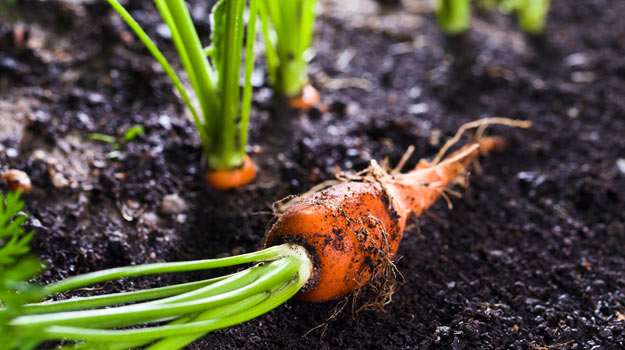
After exploring the benefits of companion planting corn with peas, it’s worth examining how carrots can further enhance this partnership in the garden.
Carrots improve soil health by loosening it, allowing peas better access to water. They also benefit from peas’ nitrogen after crop rotation. Additionally, strong-smelling plants like carrots can help deter pests that might otherwise threaten the pea crop.
Plus, their different root depths minimize nutrient competition, promoting a harmonious growing environment that deters pests effectively.
11. Radishes
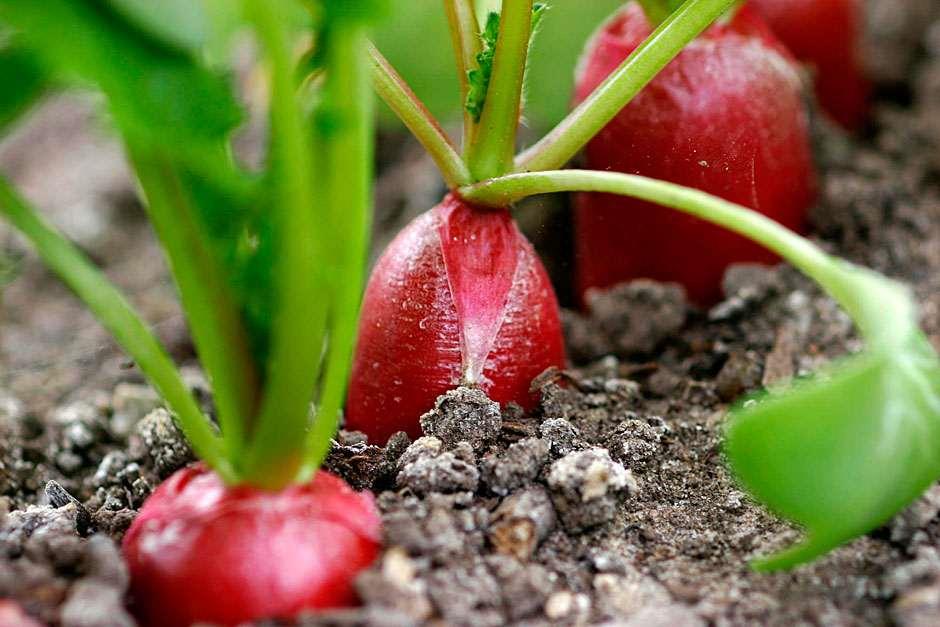
While exploring the benefits of companion planting, I’ve found that radishes can play a crucial role in supporting peas.
Fast-growing radish varieties, ready in just 3-4 weeks, don’t compete for space and help aerate the soil. Additionally, radish benefits include repelling pests like cucumber beetles, creating a healthier environment for peas, and maximizing garden space efficiently. Furthermore, radishes can enhance nitrogen levels in soil through mutual support with peas.
12. Cucumbers
:max_bytes(150000):strip_icc()/ms-planting-cucumbers-5e12118076a54b4a9e487c92b991de6a.jpg)
Although cucumbers thrive in warm conditions, they significantly benefit from being planted alongside peas, which fix nitrogen in the soil, enhancing fertility. I recommend using climbing techniques, such as a trellis, allowing both pea and cucumber varieties to grow vertically. Plant eight pea plants with two cucumber plants per square, ensuring adequate spacing for optimal growth and support throughout the season. Proper positioning of the trellis can also influence light and air circulation for the plants.
13. Tomatoes

Companion planting with tomatoes offers a unique opportunity to enhance garden yields and improve soil health.
By incorporating peas, I benefit from their nitrogen fixation, which enriches the soil for heavy-feeding tomato varieties. Peas provide nitrogen, enhancing tomato growth and overall garden health.
As peas mature early, they occupy space without competing for resources.
This synergy promotes healthier tomatoes, ultimately leading to a more productive garden while ensuring efficient use of space.
14. Borage

Borage, a dynamic companion plant, offers numerous advantages for enhancing garden biodiversity and productivity. Its Borage benefits include attracting pollinators, improving fruit yields, and deterring pests. During Borage cultivation, I appreciate its ability to aerate soil and self-seed effortlessly. Additionally, Borage’s deep roots access nutrients, enriching the surrounding soil for nearby plants.
15. Marigold

Marigolds are an invaluable addition to any garden, especially when paired with peas. Their marigold benefits include repelling pests like Mexican bean beetles and attracting beneficial insects such as ladybugs. For effective marigold maintenance, I plant them early near my peas and deadhead regularly to encourage blooming. Incorporating marigolds also enhances soil health, suppresses weeds, and conserves moisture, creating a thriving garden ecosystem. Marigolds require full sun to thrive, needing 6-8 hours of sunlight daily, which makes them a perfect companion for the sun-loving peas.