

When I choose companion plants for cabbage, I focus on those that enhance growth and provide pest control. Effective companions include carrots, beets, and lettuce, which coexist without competing for nutrients. Herbs like thyme, sage, and oregano repel harmful pests, improving cabbage health. I also incorporate flowering plants, such as marigolds and borage, to attract beneficial insects and enhance soil fertility. It’s vital to avoid growing brassicas, tomatoes, and strawberries nearby, as they can hinder cabbage yield. By understanding these interactions, I create a thriving garden ecosystem, and there’s more to explore that can further boost your cabbage crop.
1. Benefits of Companion Planting
When I consider the benefits of companion planting, it becomes clear that this practice significantly enhances the health and productivity of cabbage crops.
The companion benefits include natural pest control and improved nutrient uptake, thanks to nutrient synergy from legumes that fix nitrogen and diverse root structures that aerate the soil. Additionally, increased overall garden health this thoughtful approach not only supports cabbage growth but also nurtures the entire garden ecosystem. Incorporating 20-10-10 fertilizer can further enhance nutrient availability, ensuring robust cabbage development and vitality.
2. Best Vegetable Companions
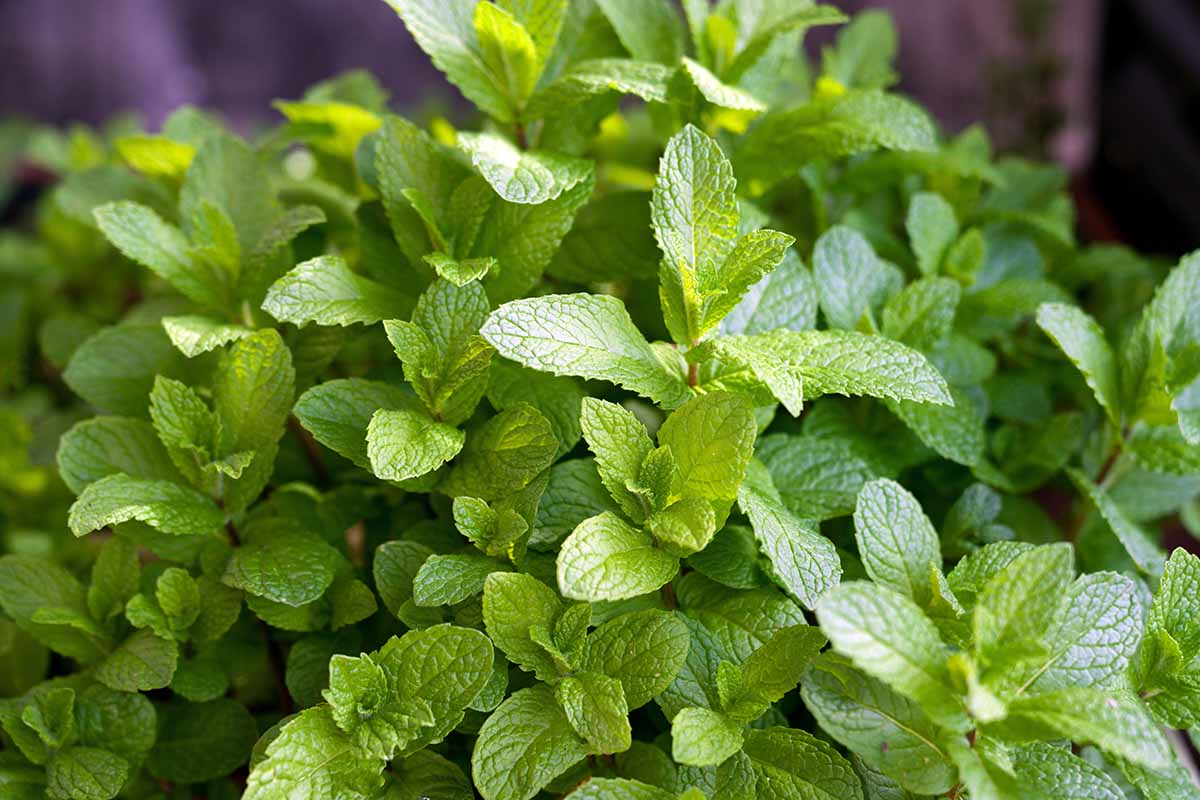
To maximize the success of cabbage crops, selecting the right vegetable companions is crucial. I find that root vegetables like beets and onions enhance soil health while repelling pests. Companion planting promotes healthier crop yields through optimal plant interactions. Leafy greens, such as lettuce and spinach, thrive alongside various cabbage varieties without competing for nutrients. Additionally, herbs like mint can protect against pests, further promoting healthy cabbage growth. Incorporating organic matter into the soil can also improve drainage and nutrient availability, benefiting both cabbage and its companions.
3. Carrots as Companions
:max_bytes(150000):strip_icc()/how-to-grow-carrots-in-the-vegetable-garden-1403472-04-02bdfb51839a4368937530610b51f8c9.jpg)
Although many gardeners overlook the potential of carrots as companions to cabbage, their compatibility significantly enhances garden productivity.
By employing companion planting techniques, I find that various carrot varieties thrive alongside cabbage without competing for space. Carrots grow underground, allowing cabbage to flourish above. Additionally, carrots can contribute to nitrogen levels in the soil, which benefits the cabbage plants above.
Plus, their differing pest profiles reduce infestations, making this pairing an effective strategy for maintaining garden health and productivity. Additionally, carrots can help improve soil quality by breaking up compacted soil, which benefits the cabbage plants above.
4. Lettuce for Cabbage

Lettuce serves as an excellent companion plant for cabbage, enhancing both productivity and garden health. By acting as a smother crop, lettuce can help reduce weeding time, allowing cabbage to thrive with less competition.
5. Beets and Cabbage
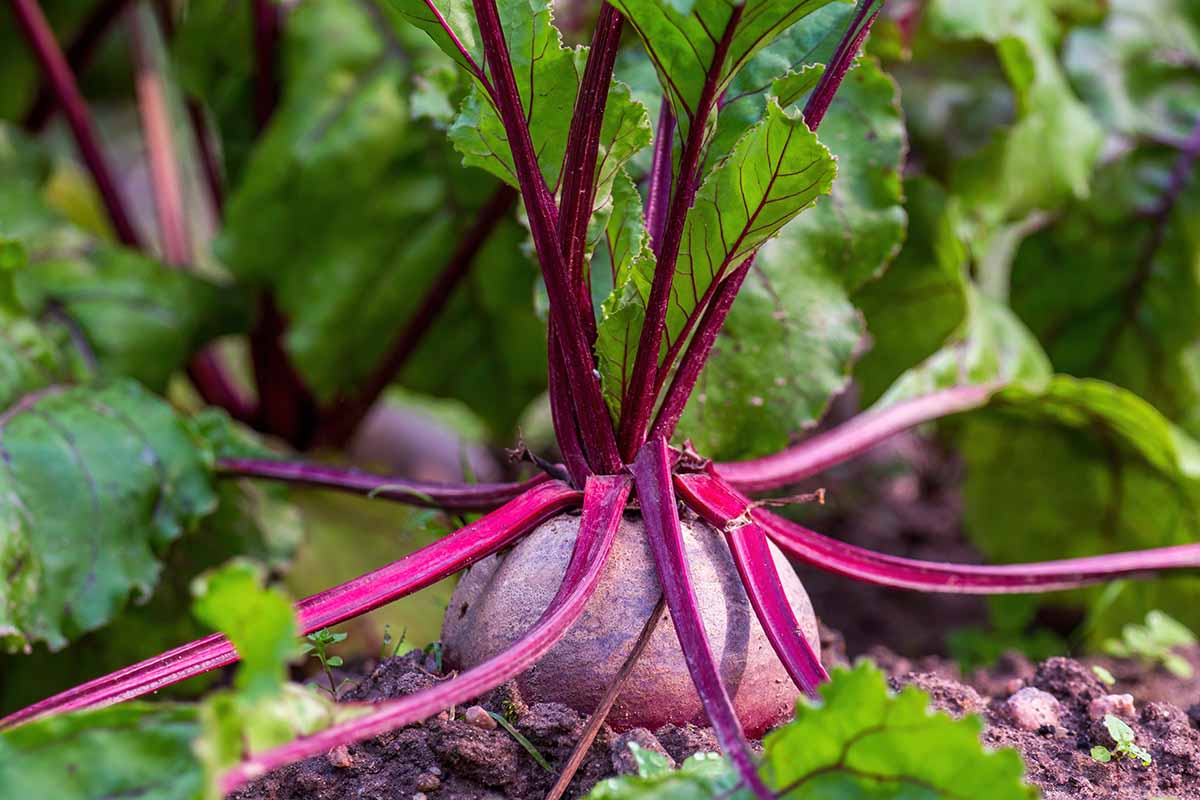
After exploring how lettuce complements cabbage, it’s important to consider how beets can also play a significant role in a successful garden. The beet benefits include breaking up soil, improving accessibility to nutrients for cabbage, and aiding soil fertility. Their compatibility promotes a balanced nutrient cycle, while their roots aerate the soil, enhancing both crops’ health and resilience against pests. Additionally, beets can help attract beneficial insects, which further supports pest control and overall garden health. Moreover, the presence of earthworms in the soil can significantly boost its quality, as they improve aeration and nutrient availability for both beets and cabbage.
6. Celery’s Role in Planting

When considering companion planting for cabbage, celery emerges as an excellent partner due to its numerous benefits.
Celery cultivation alongside cabbage enhances soil structure and fertility, thanks to their complementary root systems. Additionally, celery thrives in sunny to semi-shady locations, making it well-suited for various garden environments.
Moreover, celery’s pest-repelling qualities safeguard cabbage while ensuring optimal celery nutrition.
Together, they foster a healthier garden environment, preventing diseases and promoting robust growth for both plants.
7. Peas: A Nitrogen Fixer
:max_bytes(150000):strip_icc()/how-to-grow-organic-peas-2540010-hero-945b6c6cf57947ef8fe23d1fa4fa7565.jpg)
Peas fix nitrogen through a symbiotic relationship with soil bacteria, enriching the soil with nitrogen benefits. Sugar snap peas are particularly sweet and tender, making them an excellent choice for late spring and early summer planting. Various pea varieties can be planted in succession, providing ongoing enrichment for subsequent crops like beans and cucumbers, while reducing the need for synthetic fertilizers.
8. Best Herb Companions
:max_bytes(150000):strip_icc()/close-up-of-sage-growing-in-garden-569192823-25fdc992949c49abafc407bfb78c4af0.jpg)
Several herbs make excellent companions for cabbage, enhancing its growth while deterring pests.
Herb combinations like oregano and rosemary act as effective herbal pest repellents, targeting aphids and cabbage worms. Companion planting also helps to attract beneficial insects, further improving the health of the garden. Sage and thyme also contribute, disrupting insect sensory receptors. Mint’s strong aroma keeps pests at bay, while chives and borage improve soil health, creating a thriving environment for cabbage.
9. Dill for Pest Control
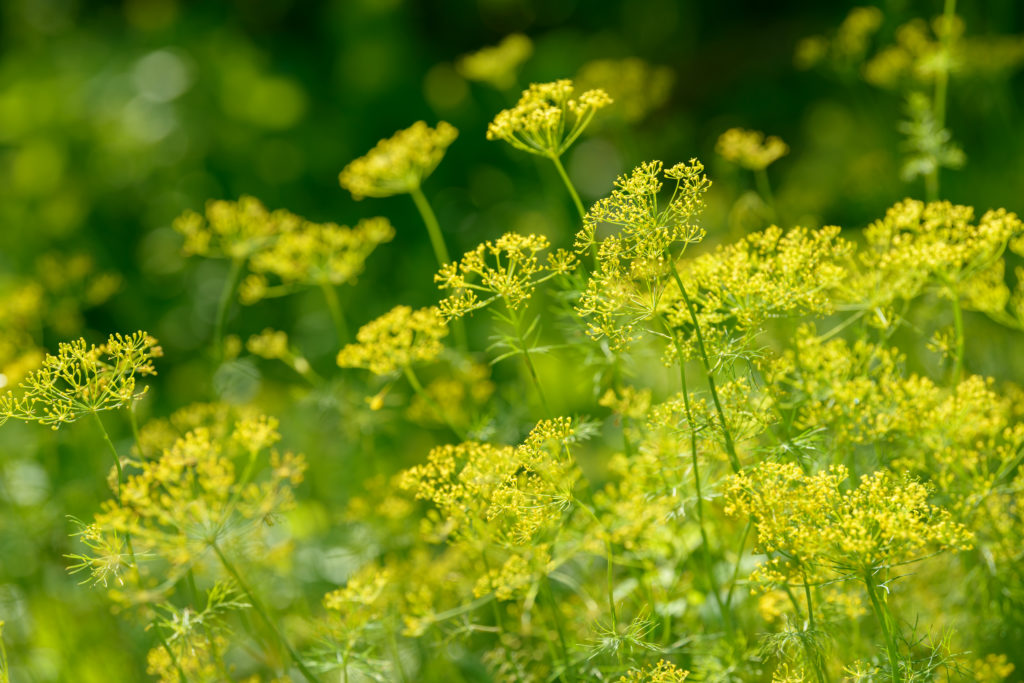
Dill plays a crucial role in pest control for cabbage, as its strong scent naturally repels harmful insects while attracting beneficial ones. To optimize dill growth, I recommend planting it at least 12-18 inches away from cabbage to ensure proper dill spacing and air circulation. This strategic approach enhances biodiversity, supports a pest-resistant environment, and ultimately improves cabbage growth and flavor. Additionally, dill attracts beneficial insects that further aid in controlling pests, creating a healthier ecosystem for your garden.
10. Rosemary’s Protective Qualities
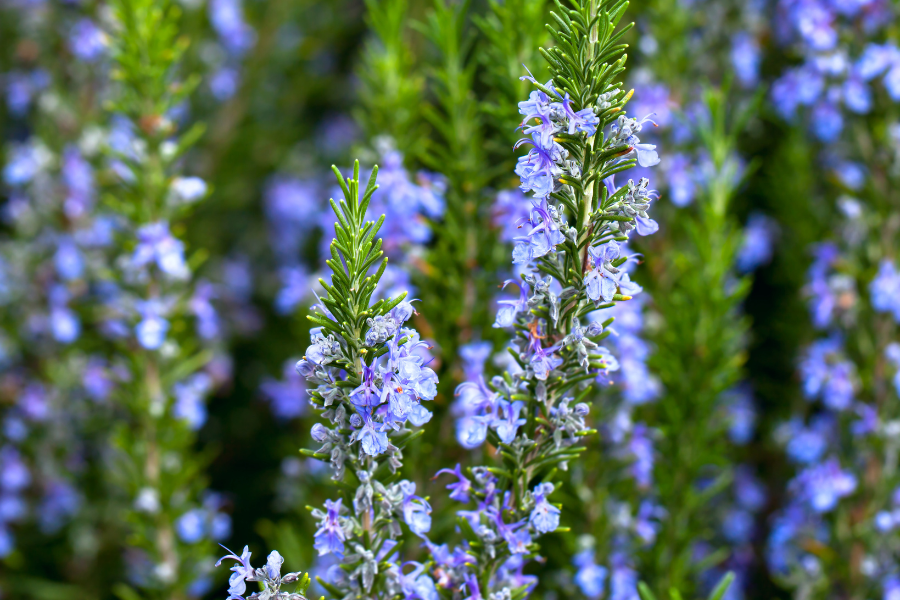
Incorporating rosemary into your garden can significantly enhance cabbage’s resilience against pests. Various rosemary varieties repel cabbage moths, loopers, and slugs while confusing pests through their strong scent. This natural barrier aids in effective pest management, ultimately improving cabbage growth and flavor. Additionally, rosemary supports beneficial insects, promoting a healthier garden ecosystem and reducing reliance on chemical pesticides. Moreover, its natural pest repellent qualities contribute to a balanced environment that benefits both cabbage and surrounding plants.
11. Oregano and Its Benefits

Oregano serves as an invaluable companion plant for cabbage, offering a multitude of benefits that enhance both pest control and overall plant health. Its pest-repelling qualities deter harmful insects like aphids and cabbage worms. Additionally, oregano cultivation improves soil health and nutrient availability, while its antifungal properties protect neighboring plants from diseases. Furthermore, oregano’s strong aroma naturally attracts beneficial insects that promote pollination and support a balanced garden ecosystem.
12. Thyme as a Companion
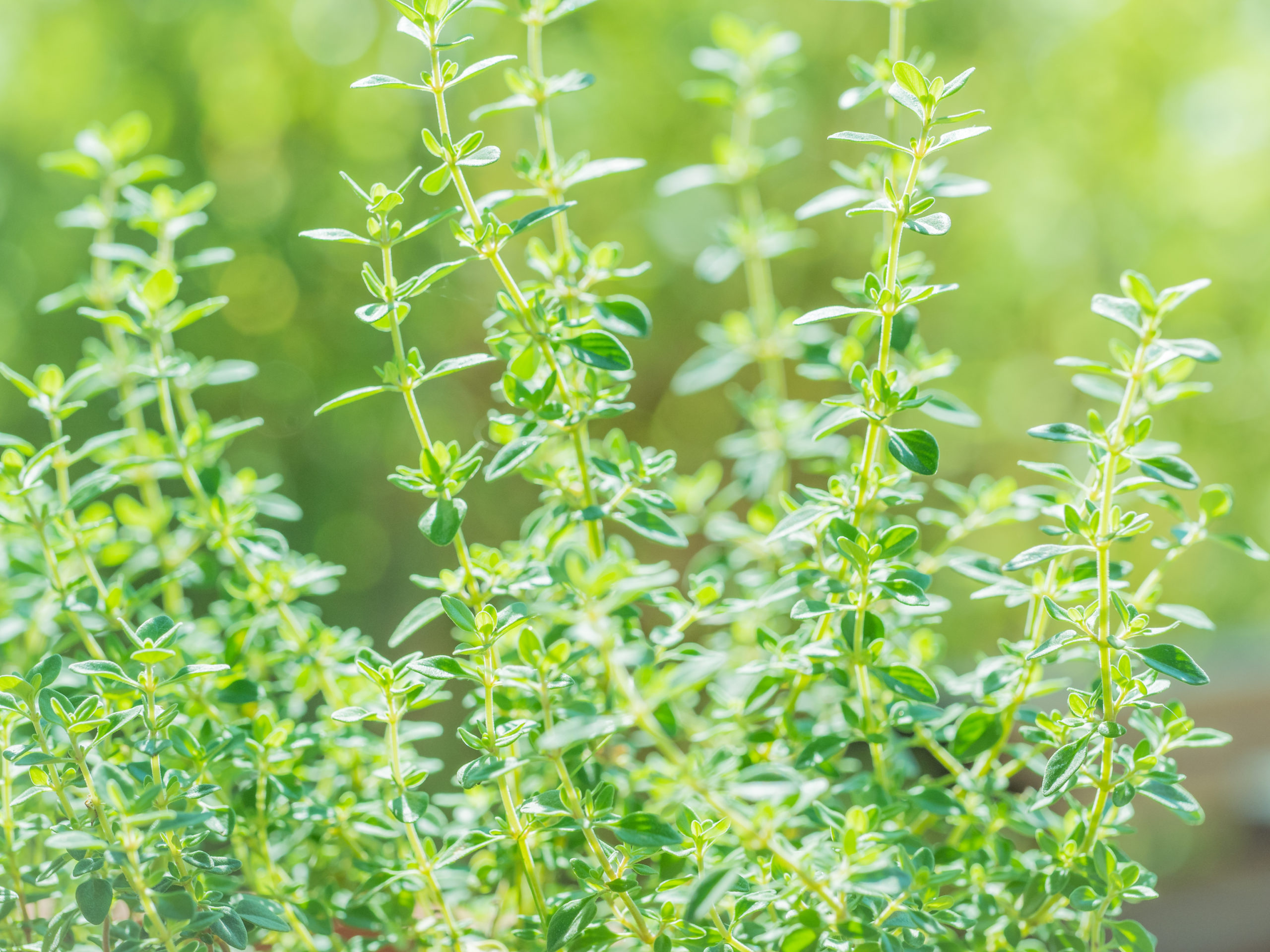
Building on the benefits of oregano, thyme stands out as another excellent companion for cabbage. Its growth thrives in well-drained soil, making it ideal for cabbage cultivation. Thyme repels pests like cabbage worms and attracts beneficial insects, enhancing pest control. Plus, its hardiness ensures it withstands harsh conditions, promoting overall garden health while supporting cabbage’s growth. Additionally, thyme’s ability to repel pests while attracting beneficial insects makes it a valuable ally in the garden.
13. Sage’s Pest Deterrent
While growing cabbage, I’ve discovered that planting sage nearby significantly enhances pest control. The strong scent of sage repels cabbage moths, loopers, and black flea beetles, boosting pest resistance. Additionally, sage attracts beneficial insects, promoting a balanced ecosystem. These sage benefits not only protect my cabbage from infestations but also improve crop quality and yield, maximizing overall productivity. Sage’s pest deterrent properties are a vital asset in creating a healthier garden environment.
14. Flowering Plants to Consider

When I plan my cabbage garden, I always consider incorporating flowering plants that not only enhance aesthetics but also provide multiple benefits.
Marigolds, nasturtiums, and calendula serve as effective pest deterrents, repelling cabbage worms and attracting beneficial insects.
Chamomile and borage improve soil fertility while attracting pollinators. Companion planting with these flowering plants creates a healthier ecosystem, ensuring robust cabbage growth and better yields.
15. Plants to Avoid With Cabbage

To ensure a successful cabbage garden, it’s crucial to recognize which plants to avoid as companions.
Brassicas, tomatoes, and strawberries compete for nutrients, impacting growth and yield. Additionally, plants like squash and pumpkins cast excessive shade, hindering light access. Companion planting can help improve cabbage health by promoting beneficial relationships with other plants, so it’s important to be mindful of your garden’s ecosystem.
Focusing on pest management, steer clear of spinach and radishes, which attract pests and worsen nutrient competition for your cabbage crop.