

As a garden enthusiast, exploring the world of clematis varieties can be both intriguing and rewarding. From the timeless elegance of the Duchess of Edinburgh to the rare allure of the Addisons Leather Flower, these climbing beauties offer a tapestry of colors and forms that can transform any outdoor space. Whether you’re drawn to the delicate Alpine or the vibrant Bees Jubilee, there’s a clematis variety waiting to capture your heart. Come along on this journey through 15 captivating clematis varieties, and discover the endless possibilities these enchanting vines can bring to your garden.
1. Addisons Leather Flower

Addisons Leather Flower, a charming native plant species found exclusively in western Virginia, offers gardeners a delightful addition to their landscapes.
This rare species, belonging to the clematis family, showcases beige or rose-colored bell-shaped flowers, each about 2 inches in diameter. Its climbing vines can reach heights of up to 2.5 feet, making it a stunning choice for trellises or fences.
Blooming from midsummer through late summer or early fall, this plant thrives in USDA zones 5 to 9, basking in full sun to partial shade.
The unique beauty and native status of Addisons Leather Flower make it a sought-after gem for those looking to enhance their gardens with a touch of Virginia’s natural splendor.
2. Alpine

Exploring the diverse world of clematis varieties, let’s now turn our attention to the captivating Alpine. This native European clematis vine boasts pale pink star-shaped flowers that bloom early, adding a touch of elegance to any garden.
The Alpine typically flowers in late winter to early spring, with a second bloom in mid-spring. Its vibrant purple-blue blooms, each around 2 inches in size, create a stunning visual impact.
This variety can reach heights of 6 to 8 feet and thrives in shaded root conditions. For optimal flowering, it requires full to partial sun exposure.
Suited for USDA zones 4 to 9, the Alpine is a versatile choice, offering early garden interest and seasonal color.
3. Anemone

Delving into the realm of clematis varieties, let’s now shift our focus to the captivating Anemone. This stunning plant, native to the eastern Himalayas, boasts clusters of small white or rich pink flowers, blooming elegantly from spring to early summer.
Standing at a height of 1 to 1.5 feet, Anemone thrives in moist environments, flourishing best under full to partial sun.
Here are key highlights of this enchanting clematis variety:
- Features delicate clusters of small white or rich pink blooms.
- Blooms beautifully from spring to early summer.
- Adaptable and easy to grow, making it a fantastic addition to any garden setting.
4. Armand

Arriving from the enchanting lands of China and Burma, the Armand clematis stands out with its evergreen nature and fragrant white and cream star-shaped flowers reminiscent of jasmine.
Blooming in March and April, this charming variety fills the air with a sweet almond fragrance. Growing between 20 to 25 feet tall, Armand thrives in partial sun conditions.
It’s well-suited for USDA hardiness zones 7 to 9, making it an excellent choice for gardeners in a range of temperate climates.
With its stunning blooms and delightful scent, Armand adds a touch of elegance and beauty to any garden landscape.
5. Bees Jubilee

When considering a vibrant addition to your garden landscape, Bees Jubilee clematis stands out with its strikingly large flowers and versatile growth habits.
This North American native variety boasts blooms that measure 6 to 8 inches across, with delicate lilac or white edges adding to its charm. Known for attracting pollinators such as bees and butterflies, this clematis not only enhances the visual appeal of gardens but also contributes significantly to the biodiversity and health of ecosystems.
- Large Flowers: Bees Jubilee showcases exceptionally large flowers that make a bold statement in any garden.
- Pollinator Magnet: Known for attracting pollinators such as bees and butterflies, this clematis contributes to the biodiversity of your garden.
- Hardy and Adaptable: Thriving in USDA zones 4 to 11, Bees Jubilee is a hardy plant that can withstand various climates, making it a reliable choice for gardeners seeking long-lasting beauty.
6. Cherokee

Stunning and delicate, the Cherokee clematis, a native of the United States, captivates with its star-shaped pink flowers that span 3 to 4 inches in diameter.
This endangered beauty thrives in full sun to partial shade, reaching a height of about 12 inches. Cherokee blooms twice annually, with its first flowering in late spring and the second in late summer.
Ideally suited for USDA zones 4 to 9, this adaptable plant can thrive in various climates. Its enchanting pink blooms add a touch of elegance to any garden, making it a sought-after choice for both experienced and novice gardeners looking to cultivate a vibrant and unique landscape.
7. Curlyheads
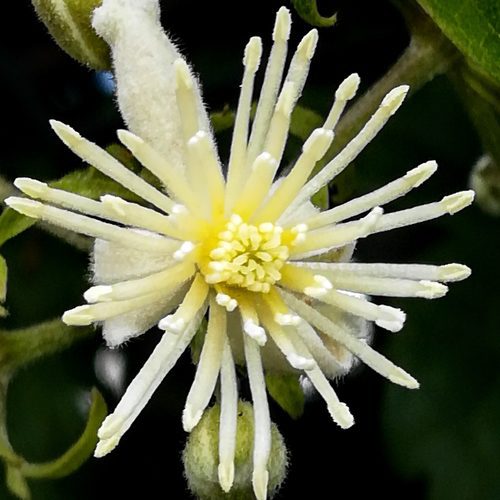
A delightful addition to any garden, Curlyheads, native to dry woodlands and woodland borders in the eastern U.S., thrives in USDA zones 5 to 8.
This deciduous climber offers delicate blooms in pale yellow with purple tinges, creating a stunning visual contrast.
Here are some key points about Curlyheads:
- Blooms in early spring to early summer, providing a burst of color during that season.
- Grows to a height of 1 to 2 feet, making it ideal for borders or containers.
- Known for its drought tolerance, making it a low-maintenance choice for gardeners.
Curlyheads’ delightful flowers and adaptability to various conditions make it a charming option for gardeners seeking a unique and vibrant addition to their outdoor space.
8. Drummond

Drummond, a clematis variety originating from northern Mexico and the southwestern United States, thrives in dry soil conditions along roadsides.
This stunning plant can grow up to 9 to 10 feet tall, boasting delicate foliage and long, colorful blooms that add a vibrant touch to any garden.
Drummond requires free-draining soil and does best in full sun to partial shade, making it perfect for warmer climates in USDA zones 8 to 10.
Known for its low maintenance needs and resilience in dry conditions, Drummond is an excellent choice for those looking to add a pop of color to their garden without constant upkeep.
Its graceful growth and beautiful flowers make it a standout addition to any landscape.
9. Duchess of Edinburgh

Growing in elegance and beauty, the Duchess of Edinburgh clematis variety enchants with its exquisite double white flowers reminiscent of peonies. This stunning clematis blooms from late spring to early summer, adding a touch of grace to any garden setting.
Similar to large indoor plants, the Duchess of Edinburgh can transform its environment, bringing a visually striking element to landscapes. Here are some key points about the Duchess of Edinburgh:
- Known for its lush white flowers
- Thrives in full sun to partial shade
- Requires regular pruning for abundant flowering
With a height range of 6 to 10 feet, this clematis is versatile and can cover trellises, fences, or arbors, creating a lovely vertical display.
Hardy in USDA zones 4 to 9, the Duchess of Edinburgh is a resilient and eye-catching addition to any landscape.
10. Jackmanii

With its captivating deep purple blooms and vigorous climbing nature, the Jackmanii clematis variety is a popular choice for garden enthusiasts seeking a striking focal point.
These deep purple blooms, measuring 5 to 6 inches in diameter, create a stunning visual impact. Thriving best in full sun conditions, this clematis variety can reach heights between 6 to 10 feet, making it ideal for trellises or fences.
Jackmanii’s long flowering period from mid-summer to fall ensures a continuous display of color in the garden. To maintain its health and encourage vigorous growth, annual pruning in late winter or early spring is recommended.
Hardy in USDA zones 4 to 9, the Jackmanii clematis adapts well to a variety of climates.
11. Nelly Moser

Nelly Moser, a captivating hybrid clematis, showcases stunning large pink flowers adorned with a darker stripe, measuring an impressive 6 to 8 inches in diameter. This variety of clematis thrives best in partial shade, reaching heights between 6 to 10 feet, making it a versatile choice for different garden settings.
Nelly Moser blooms from late spring to early summer, offering a vibrant display during this period.
Regular moderate pruning is recommended to promote optimal growth and encourage prolific blooming.
Hardy in USDA zones 4 to 9, Nelly Moser is adaptable to various climates, ensuring its beauty can be enjoyed in different parts of the country.
12. Sweet Autumn

The Sweet Autumn clematis, hailing from East Asia, is a vigorous vine celebrated for its rapid growth and charming attributes.
This variety blooms with clusters of fragrant white flowers in late summer, filling the air with a sweet scent.
Thriving in USDA zones 4 to 9, Sweet Autumn prefers well-drained soil and full sun.
With its low-maintenance nature, this clematis can quickly cover large areas, reaching heights of 10 to 30 feet.
Ideal for creating privacy screens or covering trellises, its hardy disposition and adaptability to various conditions make it a top choice for gardeners seeking a beautiful, hassle-free flowering vine.
13. The President

Celebrated for its regal appearance and stunning deep purple blooms, The President clematis stands out as a popular choice among gardeners seeking a touch of elegance in their outdoor spaces.
This hybrid clematis boasts blooms that measure 6-8 inches in diameter and grows between 6 to 10 feet tall.
Here are some key points about The President:
- Blooms twice in a season, first in late spring to early summer and then in early autumn.
- Thrives in full sun, requiring this light exposure for optimal growth.
- Pruning is recommended in late winter or early spring, cutting back to 6-9 inches above ground.
The President is hardy in USDA zones 4 to 8, making it a resilient and visually striking addition to any garden.
14. Brother Stefan

During the summer months, Brother Stefan clematis graces gardens with its stunning blue blooms, adding a touch of vibrant color and elegance to outdoor spaces.
This variety is a showstopper, known for its ability to flower on both old and new growth, ensuring a prolonged blooming season filled with its unique shade of blue.
Growing between 5 to 7 feet tall and 4 to 6 feet wide, Brother Stefan is perfect for trellises and other vertical supports, creating a beautiful display.
To encourage optimal growth and blooming, it’s essential to prune this clematis in early spring, cutting it back to about 3 inches high.
With its striking blue blooms and versatile nature, Brother Stefan is a must-have for any garden enthusiast.
15. Clematis Henryi

Stealing the spotlight with its captivating violet to brown-tinted centers framed by delicate white petals, Clematis Henryi is a standout choice for garden enthusiasts seeking a striking contrast in their floral displays.
This striking flower variety produces its largest blossoms in early summer, showcasing dark purple hues that add a touch of elegance to any garden.
Clematis Henryi’s cascading effect makes it perfect for trailing in gardens, adding a whimsical touch to fences or trellises.
Growing between 6 to 10 feet tall and spreading 3 to 6 feet wide, this Clematis thrives in USDA zones 4 to 8.
Remember to conduct regular pruning in late winter or early spring, cutting back to 6-9 inches above strong buds to ensure vigorous growth.
- Features captivating violet to brown-tinted centers.
- Produces largest blossoms in early summer.
- Ideal for trailing in gardens.