

If you're looking to plant in December, I've got some fantastic options for you. Consider kale, Swiss chard, and collards for leafy greens. Broccoli, cauliflower, and cabbage thrive in cool weather too. Radishes are quick to grow, making them a great choice. Don't overlook Brussels sprouts as they do well in colder temperatures. Garlic is perfect for planting now for that homegrown taste. I also recommend parsley to add flavor to your dishes. Each of these veggies can enhance your winter garden. Stick around, and I'll share more tips on maximizing your late-season plantings!
Broccoli

If you're looking to get a head start on your winter garden, broccoli is an excellent choice for December planting. I love how versatile broccoli varieties adapt well to cooler weather, making them perfect for this time of year. Start by sowing seeds indoors or direct sowing in mid-summer for a fall harvest. When planting, make sure to space your transplants 18 inches apart for optimal growth. Keep an eye out for broccoli pests like cabbage worms and white cabbage moths, as they can damage your plants. I recommend using organic pest management methods to keep your garden healthy. With proper soil preparation and care, you'll enjoy fresh broccoli throughout the winter months. Frost tolerance allows for successful growth during autumn, ensuring that your plants thrive even in the chillier temperatures.
Cauliflower

Broccoli isn't the only cool-season vegetable that thrives in December; cauliflower is another fantastic option for winter planting. I love growing cauliflower because it's well-suited for cooler temperatures, thriving best between 60°F and 70°F. Before you plant, make sure your soil is well-drained and rich in organic matter, with a pH of 6.0 to 7.0. I recommend choosing cauliflower varieties like 'Snow Crown' or 'White Dot,' as they are bred for winter production and can handle the chill. When sowing, space seedlings about 24 inches apart and keep the soil consistently moist. Watch out for cauliflower pests, such as aphids and cabbage worms, and use organic mulch to suppress them while retaining moisture. Additionally, leafy greens like kale and spinach can be grown alongside cauliflower to maximize your winter garden's yield. Happy planting!
Cabbage

Cabbage is a reliable choice for winter gardens, flourishing in the cooler temperatures that December brings. I love planting various cabbage varieties, especially the Savoy types, which handle frost exceptionally well. If the soil's still workable, I'll get my seeds in, ensuring they have slightly alkaline conditions with plenty of sun or partial shade. To protect them from hard frosts, I cover them with frost cloth or cold frames. Regular watering is essential, but I avoid overwatering to prevent rot. I also keep an eye out for common cabbage pests like cabbage worms, which can be a nuisance. With the right care, I can enjoy fresh cabbage in winter, packed with nutrients and perfect for soups or salads. This early planting allows the cabbage to establish roots before spring, giving me a spring growth advantage.
Kale

Following my success with cabbage, I turn to another winter favorite: kale. This hardy green thrives in various weather conditions and is perfect for December planting. I love exploring different kale varieties, like curly kale for its robust flavor and Lacinato kale, known for its unique texture. Nutritionally, kale is a powerhouse, packed with calcium, vitamins A, C, and K, making it an essential addition to my diet. I usually sow seeds indoors first, then transplant them outside. The beauty of kale is its adaptability; I can harvest baby leaves in just five weeks or allow the plants to mature. Plus, it's a cut-and-come-again crop, giving me multiple harvests throughout the season. Sowing seeds indoors allows for an earlier start and better protection from the cold, ensuring a more successful crop.
Radishes

When it comes to winter gardening, radishes are a fantastic option for planting in December. These quick-growing vegetables thrive in cooler temperatures, making them perfect for winter. You'll find various radish varieties, including winter types that are cold-hardy. Make sure your soil is workable and well-drained; I usually plant seeds about 1 inch deep and 1 inch apart for optimal garden spacing. With consistent moisture—just don't overwater—you can expect to harvest your radishes in as little as 20-30 days. Recommended cool-season veggies include radishes, which adds a delightful crunch to your meals. Whether you enjoy them raw in salads or cooked, radishes add a delightful crunch to your meals. Plus, their greens are edible too, providing even more nutritious options from your garden this winter!
Carrots

In milder climates, December provides an excellent opportunity for planting carrots, as these hardy vegetables can thrive even in cooler temperatures. I recommend choosing cold-tolerant carrot varieties to ensure a successful harvest. Prepare your soil by making it well-drained and rich in organic matter, which is essential for healthy growth. Sow the seeds about ¼ inch deep and ¼ inch apart, then thin the seedlings to 1-2 inches apart later on. Watch for carrot diseases, such as root rot, by maintaining consistent moisture without overwatering. Regularly weed your garden to reduce competition for nutrients. With proper care, you'll enjoy sweeter, flavorful carrots ready to harvest in about 60-70 days. Cooler growing conditions enhance the flavor of carrots, making them even more delightful to eat. Trust me, they're worth the effort!
Beets
Spinach
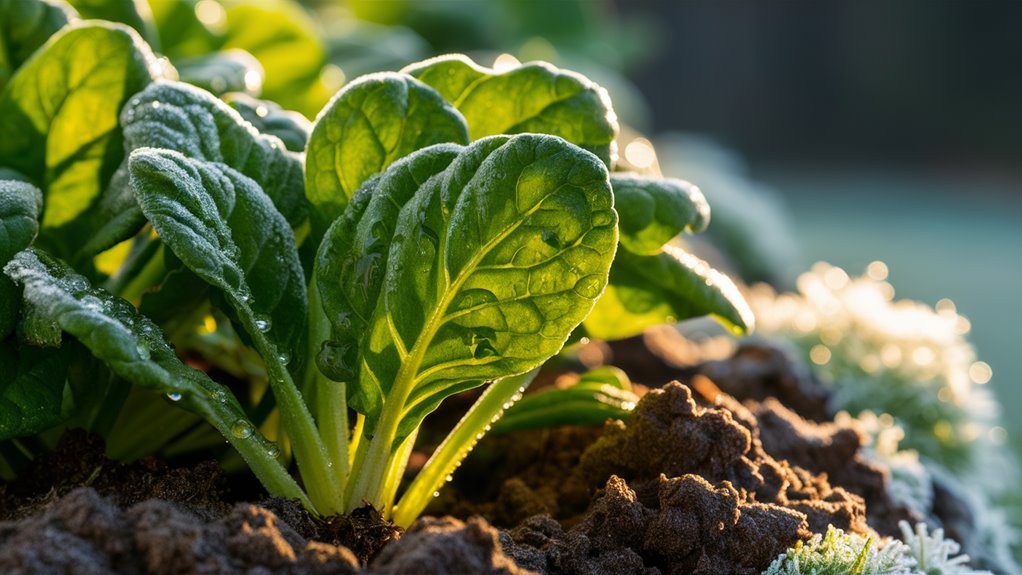
Spinach is a fantastic addition to your winter garden, especially in December when temperatures are ideal for planting this nutritious leafy green. It thrives in cooler climates, growing well between 45°F and 75°F, and can even tolerate light frosts. I recommend planting various spinach varieties, such as 'Savoy' or 'Flat Leaf,' for a diverse harvest. Use well-drained, moist soil rich in organic matter, and don't forget to mulch to retain moisture. Protect your crops with cold frames or frost cloth during harsher weather. Once harvested, spinach is incredibly versatile; I love using it in smoothies and salads or in hearty spinach recipes like casseroles. Plus, it freezes well, ensuring you can enjoy it all year long!
Swiss Chard

When December rolls around, it's an excellent time to consider adding Swiss chard to your winter garden. For successful growth, I recommend planting seeds in well-drained, fertile soil, ideally mixed with compost and aged manure. Space seeds about ½ inch deep and 4-6 inches apart, thinning them to 6-12 inches as they grow. Regular watering—1-2 inches per week—is crucial to keep the soil consistently moist. Make sure to provide at least 6 hours of sunlight daily for optimal yield. To manage pests, monitor your plants regularly and take action against any insects. Swiss chard prefers cool, moderate temperatures for the best growth conditions. Harvest Swiss chard when leaves are about 9-12 inches tall, cutting the outer leaves first to encourage further growth. Happy gardening!
Lettuce

Growing Swiss chard is a fantastic way to enhance your winter garden, but let's not overlook the benefits of planting lettuce in December as well. Lettuce varieties like 'Winter Gem,' romaine, and buttercrunch thrive in cooler temperatures, making them perfect for winter gardening. They can withstand light frosts, so don't worry too much about the cold. I recommend sowing seeds in well-drained soil, either directly in the ground or in cold frames. Make sure to use cloches for added protection during temperature dips. Regularly harvesting leaves encourages continuous growth, allowing you to enjoy fresh salads and sandwiches throughout winter. Plus, you can freeze any extra greens for later use. Happy gardening!
Garlic

Garlic is a fantastic addition to any winter garden, especially if you plant it in December for the best results. I love planting garlic because it offers numerous benefits, from enhancing the flavor of my dishes to its natural pest-repellent properties. When planting, I split the bulb into cloves, placing each one with the pointed tip facing up, about 2.5 cm deep. In milder climates, I plant outdoors after the first frost, favoring hard-neck varieties for colder areas. I ensure the soil is well-drained, rich in organic matter, and gets plenty of sunlight. After planting, I water it well and use organic mulch for protection. Homegrown garlic is fresher and tastier than store-bought, making it well worth the effort!
Peas
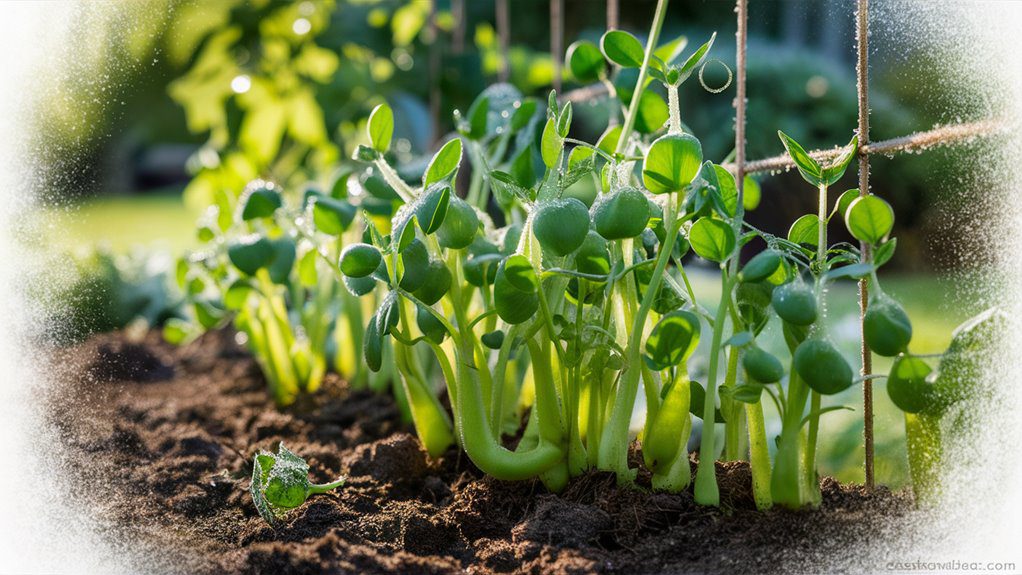
The anticipation of a bountiful garden often leads many to consider planting peas in December, but it's essential to know that this isn't the ideal time for most regions. While some varieties of peas boast cold tolerance, they generally thrive better in cooler spring or early fall conditions. If you're in a warmer climate, you might experiment with late autumn planting using protective measures like cold frames or frost cloth. However, I typically recommend waiting until spring when the soil can be worked. To prepare for spring, I focus on soil health in the fall and choose cold-tolerant varieties. Remember that proper planting techniques, like selecting sunny spots with well-draining soil, can make all the difference in your pea yield. Additionally, considering local Hardiness Zones can help you determine the best planting times and practices for your specific area.
Brussels Sprouts

While peas may not be the best choice for December planting in most regions, Brussels sprouts thrive in this cooler season, making them an excellent option for gardeners looking to maximize their winter harvest. I love planting these nutritious gems because they're packed with vitamins and fiber, offering numerous health benefits. To get started, plant seeds ¼-½ inch deep, spacing them 2-3 inches apart, and thin seedlings to 12-24 inches later on. Brussels sprouts prefer fertile, well-drained soil and can withstand light frosts. They require a minimum of 6 hours of sunlight to grow optimally, so choose a location that receives adequate light. Water them deeply, about 1-2 inches weekly, and apply nitrogen-based fertilizer at the right times. Once harvested, I enjoy using Brussels sprouts in various recipes, from roasting to sautéing, making them a versatile addition to my winter meals.
Collards

Collards are among the top choices for winter planting, especially in warmer climates like USDA Hardiness Zones 8-10, where I find they thrive beautifully in December. These cold-hardy greens tolerate temperatures down to the upper teens, making them perfect for winter harvests. I plant them in full sun, ensuring they get at least 4-6 hours of direct light daily, and I enrich the well-draining soil with compost for optimal growth. The collard greens benefits are numerous, as they're rich in vitamins and minerals. I enjoy experimenting with collard greens recipes, from sautéed dishes to comforting soups. Plus, I love that they can be harvested at any size, making them versatile for my winter meals!
Parsley

After enjoying the robust flavors of collards, I turn my attention to parsley, another fantastic option for December planting. This versatile herb thrives in cooler weather, making it perfect for winter gardens. I plant seeds about 1-2 inches apart and ¼ inch deep in well-drained soil. It's important to keep the soil moist but not waterlogged. There are several parsley varieties to choose from, like flat-leaf and curly, each offering unique parsley benefits. Fresh parsley adds vibrant flavor to salads, sauces, and garnishes, enhancing winter dishes beautifully. Plus, it pairs well with root vegetables like carrots and beets. With a little protection from cold frames or frost cloth, I can enjoy parsley throughout the season and into spring!