
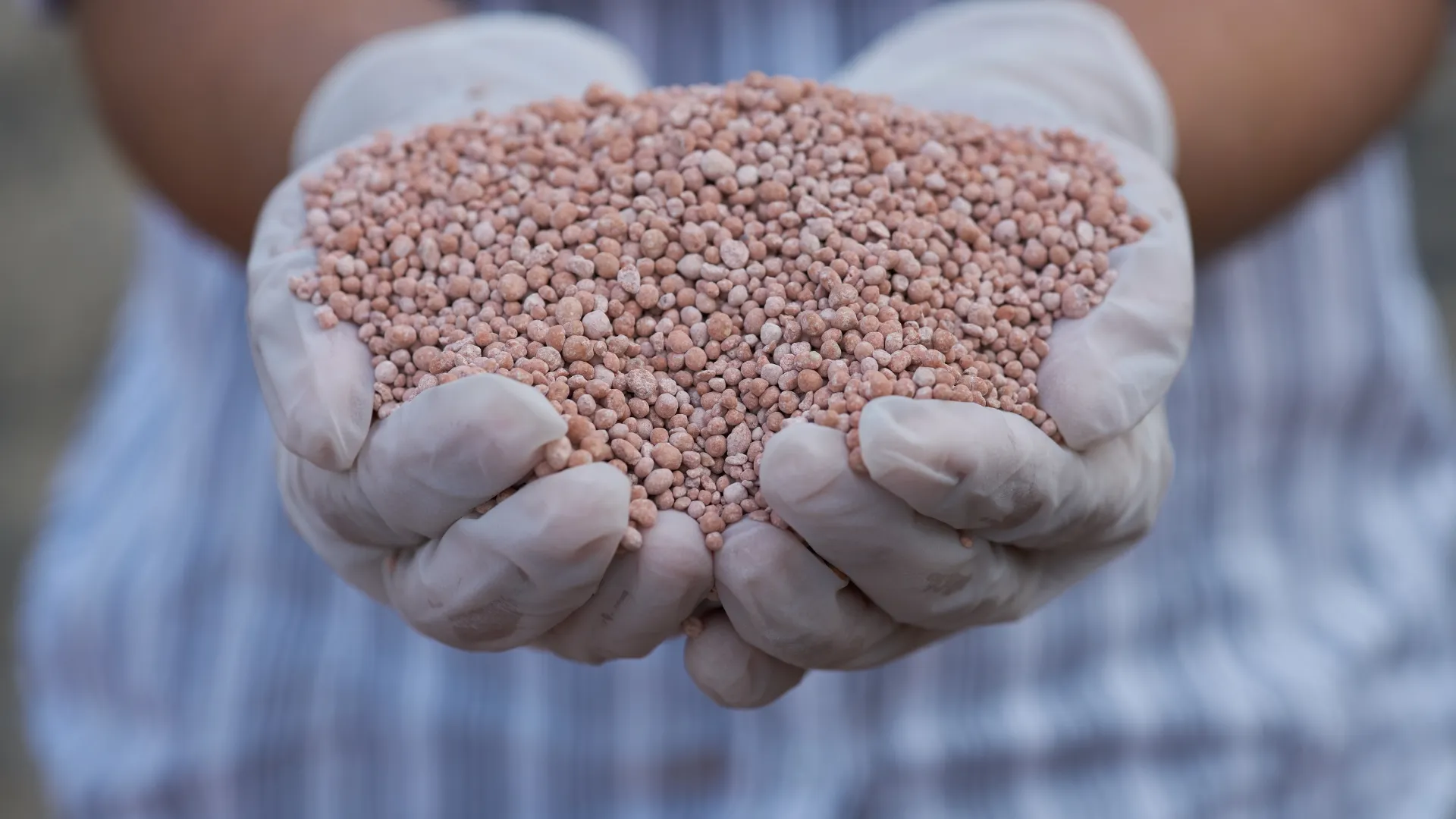
Looking to give your plants the boost they need to thrive? Look no further than 15-15-15 fertilizer, a versatile and balanced option for all of your gardening needs. This comprehensive guide will walk you through everything you need to know about this popular fertilizer blend, from what the numbers on the bag mean to how and when to use it effectively.
First off, let’s break down those numbers: 15-15-15. The first number represents the percentage of nitrogen in the mix, which is essential for leafy green growth. The second number is phosphorus, crucial for strong root development. And finally, the third number is potassium, which helps with overall plant health and disease resistance. **With these three key ingredients in perfect balance,** your plants will be sure to flourish like never before.
When it comes time to apply your 15-15-15 fertilizer, make sure to follow package instructions carefully and never exceed recommended dosages. **Spread evenly around the base of each plant**, being careful not to get any on leaves or stems as this can cause burning. Water thoroughly after application to help nutrients penetrate deep into soil where roots can absorb them most effectively. With proper care and attention using 15-5-10 fertilizer regularly throughout growing season, you’ll see beautiful results in no time!
So, 15-15-15 Fertilizer: A Comprehensive Guide
15-15-15 Fertilizer: A Comprehensive Guide
The 15-15-15 fertilizer, also known as the “triple fifteen” fertilizer, is a type of balanced fertilizer that contains equal amounts of nitrogen (N), phosphorus (P), and potassium (K). This means that it has an NPK ratio of 1:1:1. These three essential nutrients are crucial for plant growth and development, making the 15-15-15 fertilizer a popular choice among gardeners and farmers.
Nitrogen is responsible for promoting leafy green growth in plants. It aids in the formation of chlorophyll, which is necessary for photosynthesis – the process by which plants convert sunlight into energy. Phosphorus plays a vital role in root development and helps with flower and fruit production. Potassium, on the other hand, strengthens plant structure and improves overall resilience to environmental stressors such as drought or disease.
What makes the 15-15-15 fertilizer unique is its balanced formula. Unlike other fertilizers that may have higher concentrations of one nutrient over another, this triple fifteen blend provides equal amounts of all three essential elements. This ensures that plants receive adequate nutrition to grow strong roots, healthy foliage, and abundant blooms or fruits.
It’s important to note that while the 15-15-5 fertilizer can be used for various types of plants – from vegetables to flowers to trees – it may not be suitable for all soil types or specific plant needs. Before using any fertilizer, it’s best to conduct a soil test to determine your soil’s pH level and nutrient deficiencies. You can then adjust your fertilization plan accordingly.
In conclusion, the 15-5-fertilizer offers a well-rounded approach to nourishing your plants with essential nutrients they need for optimal growth and productivity. Its balance formula makes it a versatile option for many different types of plants but always remember to do some research beforehand so you can provide your greens with exactly what they need.
Breaking Down the Numbers: Understanding What 15-15-15 Means in Fertilizers
Breaking Down the Numbers: Understanding What 15-15-15 Means in Fertilizers
If you’ve ever spent any time around gardening or plant care, you might have seen a series of numbers on a fertilizer bag. For example, 15-15-15. While these figures may seem perplexing at first glance, they carry significant information about the contents of the fertilizer package. Each number is an indicator of how much specific nutrients are inside each pack.
The three digits represent particular elements that plants need to thrive. The first figure stands for nitrogen (N), which promotes leaf growth and contributes to lush green coloration. Popping over to the second digit, it denotes phosphorous (P). Phosphorous plays a crucial role in assisting with energy transfer and root development within plants. Lastly, we have potassium represented by our third figure(K). It helps in overall plant health maintenance including disease resistance and water absorption.
- Nitrogen – Lush Green Leaf Growth
- Phosphorus – Root Development & Energy Transfer
- Potassium – Overall Plant Health Maintenance
Take note that “equal” ratios such as 15-15-15 signify a balanced blend beneficial for general use across various types of plants during their entire growing phase because it provides all basic nutrients evenly.
Remember though, different species can require varying nutrient levels depending upon their individual needs – so always check what’s best for your sprouts! Understandably then, deciphering these critically important numbers will help ensure your greens get exactly what they need while helping them reach their fullest potential.
The Role of Nitrogen, Phosphorus, and Potassium in Plant Growth
Nitrogen, phosphorus, and potassium play crucial roles in the growth and development of plants. Nitrogen, often referred to as the “leaf builder,” is primarily responsible for leaf growth and color. With nitrogen’s help, plants produce vibrant green leaves that harness sunlight effectively for photosynthesis. If a plant has insufficient nitrogen, its foliage may appear yellow or light green instead of a lush dark green.
The next vital nutrient is phosphorus. Often dubbed the “flower booster”, it aids in root development while contributing to flowering and seed production. It essentially helps transfer energy from sunlight during photosynthesis to every part of the plant – from roots to tips. A lack of phosphorus might result in stunted growth or less impressive blooms.
Finally, we have potassium. Known as the “quality enhancer” amongst garden enthusiasts because it strengthens stems, fights disease, and improves overall plant health. Potassium also plays an essential role during droughts by helping plants conserve water – keeping them firm even under harsh conditions.
- Nitrogen: Boosts leaf formation.
- Phosphorous: Enhances flowering & root development.
- Potassium: Improves stem strength & resilience against diseases.
In essence, these three elements — nitrogen (the leaf builder), phosphorus (the flower booster), and potassium (the quality enhancer) — provide support at different stages of a plant’s life cycle ensuring healthy progress throughout its lifespan.
Read also: The Comprehensive Guide to Spring Fertilizer
The Proper Application of 15-15-15 Fertilizer for Optimal Results
When it comes to gardening, the proper application of 15-15-15 fertilizer can make all the difference in achieving lush, vibrant plants. This balanced formula contains equal parts nitrogen, phosphorus, and potassium – three essential nutrients that plants need to thrive. By following a few simple steps, you can ensure that your plants receive the right amount of each nutrient for optimal growth.
First and foremost, it’s important to carefully read the instructions on the packaging of your 15-15-15 fertilizer. Different brands may have slightly different recommendations for application rates, so be sure to follow them closely. Generally speaking, you’ll want to apply the fertilizer evenly around the base of your plants and then water thoroughly to help distribute the nutrients into the soil.
Another key factor in properly applying 15-15-15 fertilizer is timing. For most plants, it’s best to fertilize in early spring before new growth begins or in late fall as they prepare for winter dormancy. Avoid fertilizing during hot summer months when plants are more likely to burn from excess nutrients. With a little attention to detail and some regular monitoring of your plants’ progress, you’ll be well on your way to reaping the benefits of using 15-15-15 fertilizer in your garden or landscape.
Maintaining Healthy Plants with Regular Use of 15-5-10 Fertilizer
Maintaining healthy plants is crucial for any avid gardener or plant enthusiast. One key component of plant care is the regular use of fertilizer, specifically 15-5-10 fertilizer. This balanced blend of essential nutrients provides plants with the necessary elements to thrive and flourish in their environment. By incorporating this specific formula into your plant care routine, you can ensure that your green friends are receiving the proper nourishment they need to grow strong and vibrant.
Using 15-5-10 fertilizer on a consistent basis can greatly improve the overall health and vitality of your plants. This specialized blend contains a higher concentration of nitrogen, which promotes lush green growth and helps plants produce an abundance of leaves and stems. Additionally, the balanced ratio of phosphorus encourages root development and flower production, while the potassium content aids in disease resistance and overall stress tolerance. With these critical elements working together harmoniously, your plants will be better equipped to withstand environmental challenges and reach their full potential.
Regular application of 15-5-10 fertilizer is not only beneficial for individual plants but also contributes to a flourishing garden ecosystem as a whole. By providing essential nutrients in a well-balanced manner, you can create an environment that supports diverse plant life and encourages biodiversity. Whether you’re tending to ornamental flowers, fruit-bearing trees, or vegetable crops, incorporating this specialized formula into your gardening routine can help you achieve stunning results that will delight both amateur gardeners and horticultural experts alike.