

As a gardener preparing for the fall season, I’ve discovered a selection of 13 vegetables that are ideal for planting now. The crisp air and cooler temperatures provide the perfect environment for these crops to flourish. From vibrant leafy greens to hearty root vegetables, these plants offer a range of flavors and textures that can elevate your autumn dishes. So, if you’re looking to enhance your garden and savor the tastes of the season, these fall vegetables are a must-plant.
1. Leafy Greens
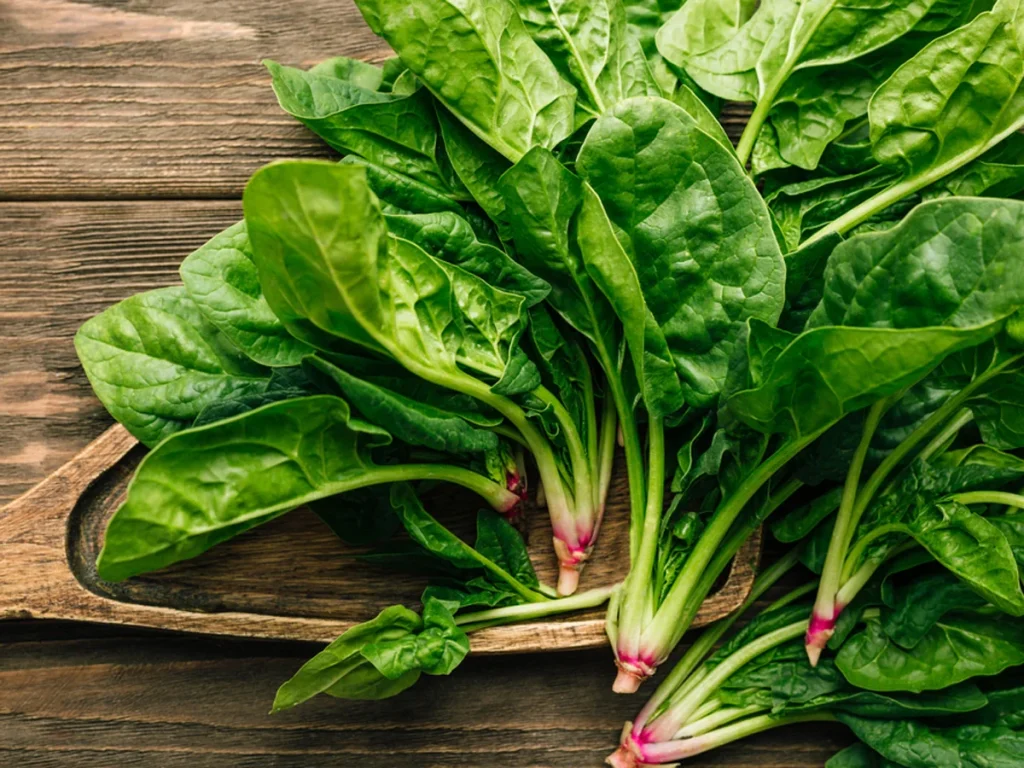
Wondering which vegetables are ideal for your fall garden? Leafy greens like kale, spinach, and Swiss chard are excellent choices for fall planting.
These greens thrive in cooler temperatures and can withstand light frosts, providing a bountiful harvest well into winter. Spinach, known for its quick germination, benefits from soaking seeds for 24 hours before planting in late summer.
Kale, a hardy green, can be harvested continuously throughout fall, with its flavor often improving after exposure to frost. Swiss chard, with high nutritional value, can be harvested multiple times during the season.
To ensure a successful fall harvest, sow these leafy greens between late August and early September, allowing them to mature before the first frost date.
For those looking to diversify their garden, consider incorporating heat-tolerant lettuce varieties like Jericho romaine and Oakleaf, which can extend the growing season even in warmer climates.
2. Root Vegetables
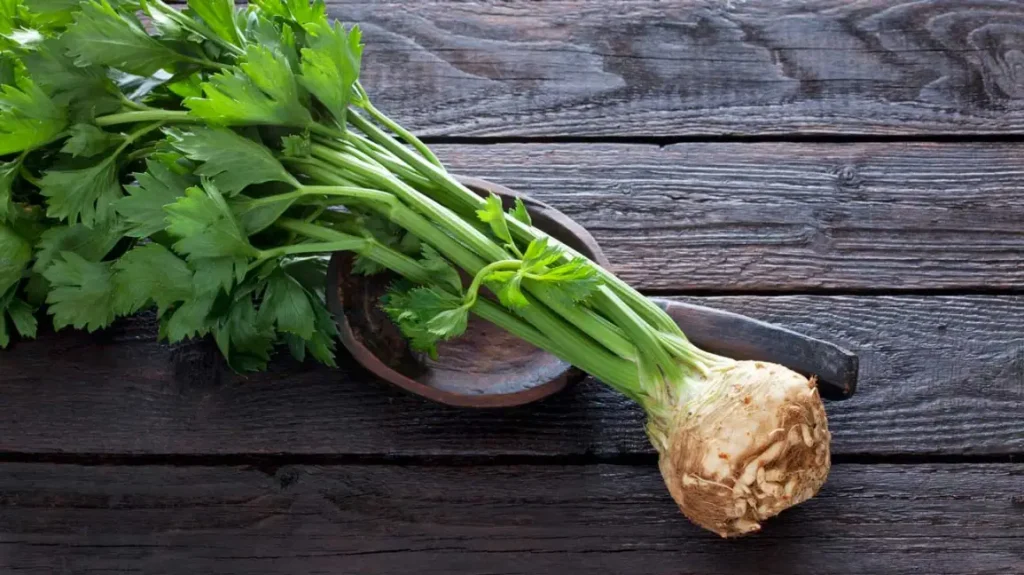
Root vegetables offer a diverse and flavorful addition to your fall garden lineup. When it’s time to plant, consider these options for a bountiful fall harvest:
1. Carrots: Perfect for planting in late summer, carrots thrive in cooler temperatures and can be stored for months after harvest.
Growing carrots at home allows you to avoid harmful chemicals typically used in commercial farming, ensuring you enjoy the freshest, safest produce.
2. Beets: Withstanding light frost, beets can be harvested well into winter, providing a continuous supply of tasty roots.
3. Radishes: Quick-growing and ready for harvest in just 30 days, radishes are an excellent choice for a fast turnaround in your fall garden.
These root vegetables, like parsnips that sweeten after frost exposure, are great for fall planting and ensuring a flavorful autumn harvest.
3. Brassicas

With their resilience to cooler temperatures and ability to withstand light frosts, brassicas like broccoli, cabbage, and cauliflower are top choices for a thriving fall garden.
These fall plants have a relatively short time to start, maturing in 50 to 90 days. To ensure a successful harvest, it’s best to begin vegetable gardening by starting brassica seedlings indoors 6 to 8 weeks before the first expected frost date, transplanting them later for optimal growth.
Remember, brassicas thrive in well-drained, nutrient-rich soil and benefit from mulch to retain moisture and regulate soil temperature.
Keep a close eye out for pests like cabbage worms and aphids, as they can impact the health and yield of your brassica crops during the fall growing season.
Just as proper care is crucial for indoor plants like the Money Tree, ensuring your brassicas receive consistent watering and aren’t overcrowded can significantly influence their growth and productivity.
4. Kale
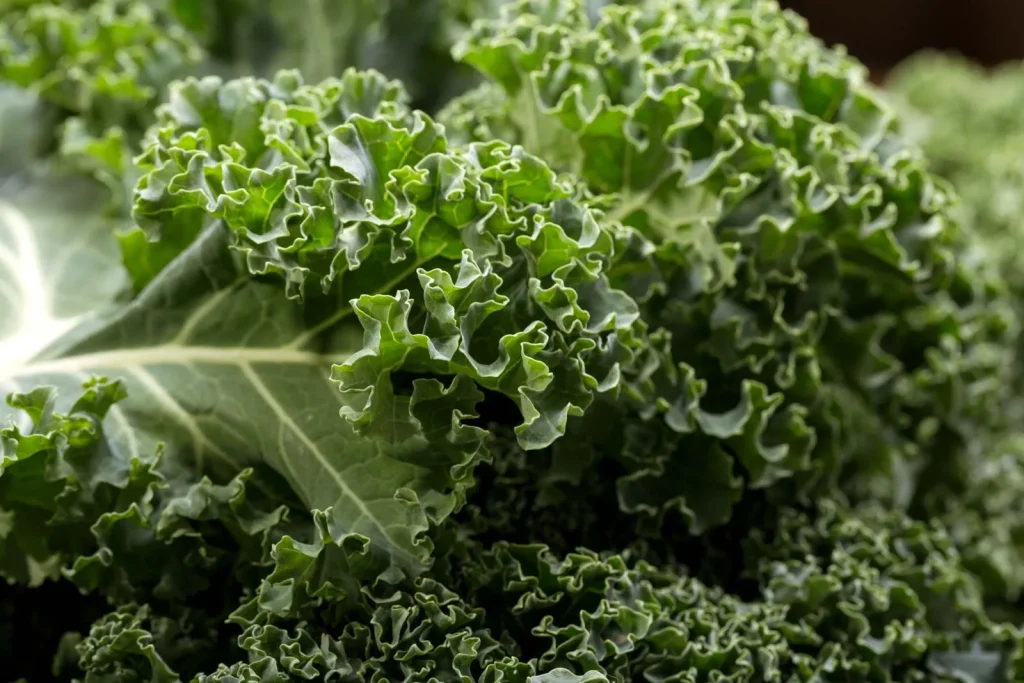
As we transition from discussing brassicas like broccoli and cabbage, let’s now focus on the versatile and nutrient-packed vegetable – kale.
Fall is the perfect time to plant kale in your garden. Here are some key points to keep in mind:
- Nutrient-Rich: Kale is packed with essential vitamins and antioxidants, making it a healthy addition to your fall diet.
- Planting Time: Direct-sow kale seeds in late summer or early fall for a continuous harvest until frost sets in.
- Growing Conditions: Ensure well-drained, fertile soil enriched with compost for optimal growth.
Kale benefits from regular watering, especially during its early stages.
With its hardy nature and quick maturity, kale is an excellent choice for your fall vegetable garden.
5. Chard

Chard, also known as Swiss chard, is a versatile leafy green that thrives in the cooler temperatures of the fall season. This nutritious plant is a great addition to any fall garden, offering vitamins K, A, and C while adding a pop of color with its vibrant stems and leaves.
To grow chard, sow seeds directly into the ground or transplant seedlings in late summer to early fall, about 6-8 weeks before the first frost. Chard can withstand light frosts and continue producing leaves into early winter when protected.
Regularly harvest outer leaves to encourage new growth for a prolonged harvest until the ground freezes. With its hardy nature and nutritional benefits, chard is a must-have for your fall garden.
6. Onions

Occasionally overlooked in fall garden planning, onions are a versatile crop that can be planted in the autumn for a head start on next year’s harvest.
Here are some key points to consider when planting onions in the fall:
- Choosing the Right Varieties: Opt for varieties like ‘Walla Walla’ or ‘Texas Super Sweet’ when planting fall seeds. These varieties are known for producing sweet bulbs, perfect for culinary use.
- Soil Moisture Management: Ensure proper soil moisture for your fall-planted onions. Mulching can help retain soil moisture, protecting the bulbs from drying out during the colder months.
- Timing Matters: Plant your onions around 6 weeks before the first expected frost date. This timing allows for adequate root development before winter sets in, ensuring a successful harvest in the spring.
7. Asparagus
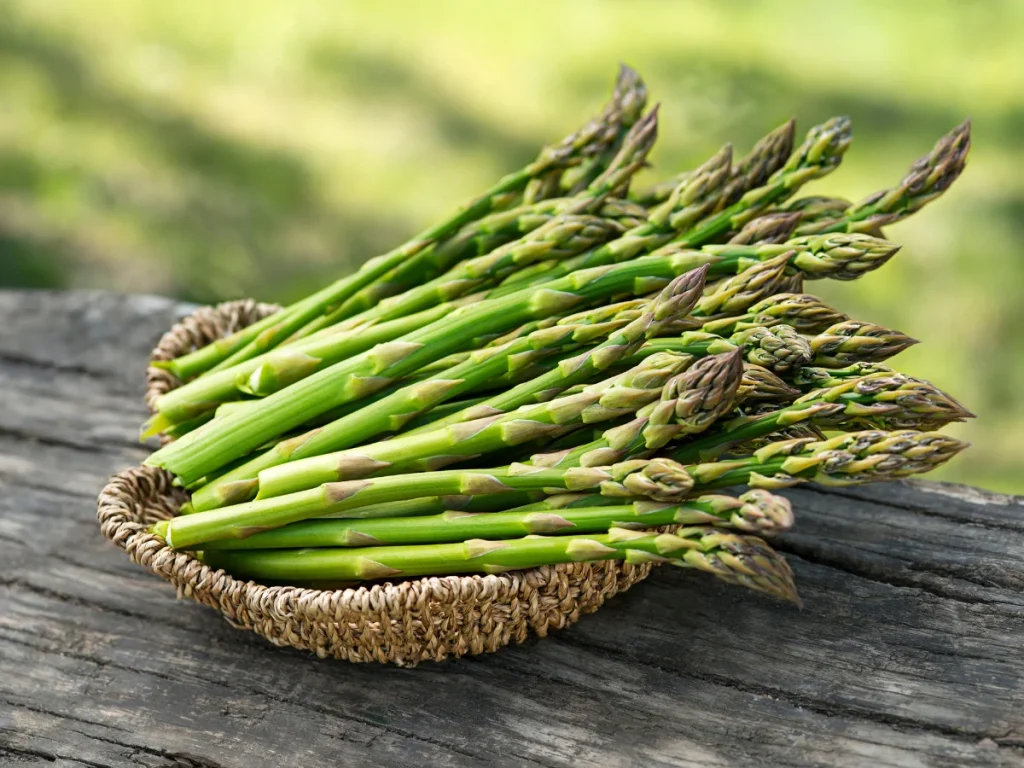
Considered a long-term investment in your garden, asparagus is a perennial vegetable that requires patience and strategic planning.
As a fall crop, asparagus is one of the best plants to grow for a bountiful harvest in the future. To ensure successful growth, plant your asparagus crowns in well-drained garden soil with a pH level between 7.0 to 8.0 and provide them with full sun exposure.
Set the crowns in trenches 6 to 8 inches deep during the fall, spacing them 12 to 18 inches apart, and cover them with soil. With proper care, these plants can produce delicious spears for over 25 years, best harvested at 6 to 8 inches in height.
Asparagus isn’t only a resilient vegetable but also a nutritious addition to your garden, rich in essential vitamins and dietary fiber.
8. Carrots
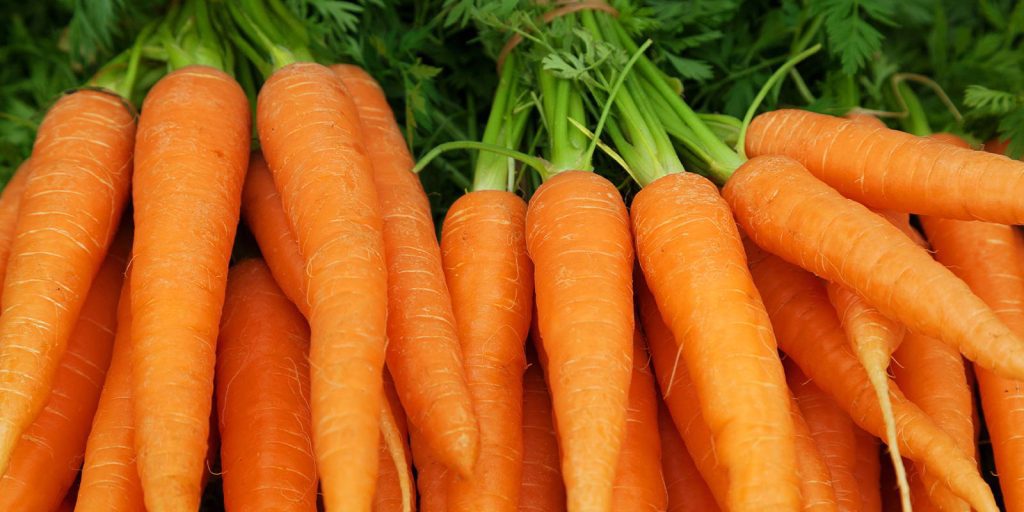
For those looking to add a versatile and nutritious vegetable to their fall garden, carrots are an excellent choice. When planted in late summer, carrots thrive in the cooler fall temperatures, developing a sweeter flavor.
Here are some key points to consider when growing carrots:
- Days to Maturity: Carrots are typically ready for harvest about 70 to 80 days after planting, making them a relatively quick-growing vegetable.
- Growing Conditions: Ensure well-drained soil enriched with organic matter for optimal growth, as carrots prefer consistent moisture.
- Storage: After harvesting, store carrots in the refrigerator for up to three months, allowing for a lasting supply for winter cooking and snacking.
With these tips, you can enjoy a bountiful carrot harvest this fall.
9. Perpetual Spinach

Looking to add a versatile and nutrient-rich leafy green to your fall garden? Consider planting perpetual spinach, a hardy and continuous harvest option perfect for cooler weather.
This Swiss chard variety thrives in temperatures between 50°F and 70°F, making fall an ideal season for its growth. Whether directly sown or started indoors before the first frost, perpetual spinach offers vitamins A, C, and K, along with minerals like iron and magnesium.
The key to maximizing your perpetual spinach yield is regular harvesting of the outer leaves, which prompts new growth from the center. Unlike traditional spinach that bolts in warm weather, perpetual spinach provides a prolonged harvest window, ensuring a fresh supply for your fall recipes.
10. Garlic

Garlic, a staple in many culinary traditions, is a rewarding addition to any fall garden. Here are some key tips for growing garlic successfully this season:
- Planting Time: Garlic should be planted in the fall, giving it ample time to establish roots before winter sets in, typically about 4-6 weeks before the ground freezes.
- Varieties: Consider planting hardneck garlic varieties in your garden, as they’re known for their cold-hardiness and robust flavor profile.
- Mulching: To protect garlic from harsh winter conditions, mulch the planting bed with straw or leaves.
Mulching helps insulate the garlic cloves and retains essential soil moisture during the colder months.
11. Turnips
Garlic has settled nicely in the garden, its sturdy green shoots promising flavorsome harvests ahead.
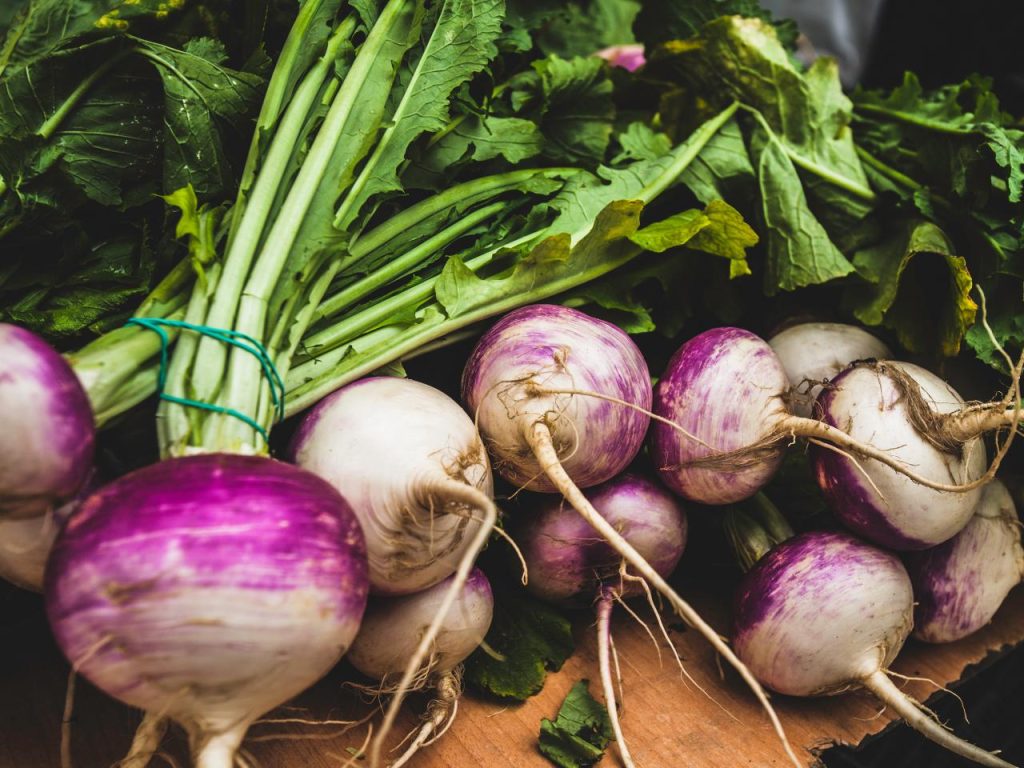
Now, it’s time to shift our focus to turnips, a fantastic addition to your fall garden. These root vegetables are perfect for planting in late summer or early fall, thriving in cooler temperatures and even tolerating light frost.
With a quick growth cycle of 50 to 60 days, turnips are a great choice for a timely harvest. Rich in vitamins C and K, along with fiber, turnips offer a nutritious boost to your meals.
Remember to harvest them young, around 2 to 4 inches in diameter, for the best flavor and tenderness.
Once harvested, store your turnips in a cool, dark place to enjoy them for months to come.
Time to sow some turnip seeds and watch your fall garden flourish!
12. Shallots

Planted throughout the fall season, shallots are a versatile addition to any garden, offering a unique flavor profile that enhances a wide range of dishes. Here are some practical tips for cultivating and storing shallots successfully:
- Planting: Shallots can be grown from seeds, transplants, or sets. Opting for sets is the easiest method for beginners due to their high success rate and convenience.
- Soil and Sun: Ensure well-drained soil enriched with organic matter and provide full sun for optimal growth. Shallots adapt well to various garden settings.
- Storage: Harvest shallots when their tops turn yellow and fall over. Cure them in a dry, ventilated area for 2-3 weeks before storing in a cool, dark, and dry place for months of use in your culinary endeavors.
13. Winter Lettuce
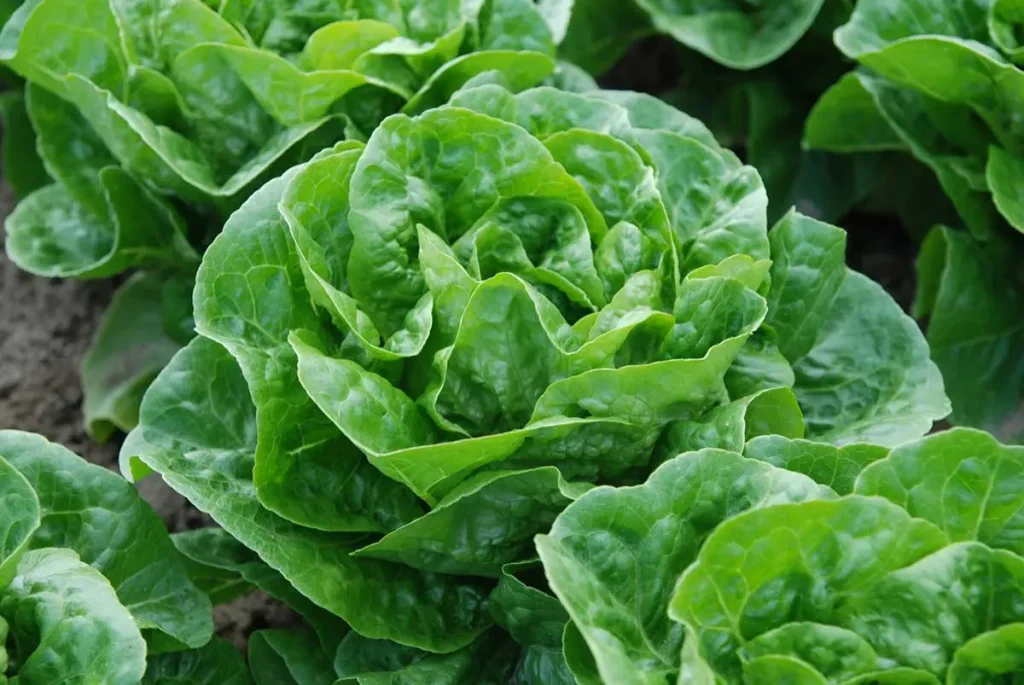
Growing winter lettuce in your garden can be a rewarding addition, especially if you’re looking to extend your harvest into the cooler months.
Varieties like Winter Gem and Butterhead are bred to thrive in cooler temperatures, tolerating light frost. From planting to maturity, it takes about 60 to 75 days, making it perfect for a late-season harvest when sown in late summer or early fall.
Winter lettuce boasts a crisp texture and sweet flavor, enhanced by cooler temperatures. To ensure optimal growth, plant in well-drained, nutrient-rich soil. Protect the roots from temperature fluctuations by applying a layer of mulch.
Harvest continuously by picking outer leaves, allowing the center to keep growing. This versatile lettuce can be grown in various settings, from cold frames to unprotected gardens.