

As you step into your kitchen, imagine the rich aroma of freshly plucked herbs infusing your dishes with unparalleled flavors. The vibrant hues and distinct fragrances of basil, rosemary, thyme, and the rest of the top 12 herbs could be just a few steps away from your culinary creations. But there’s more to these herbs than just enhancing your meals; they hold secrets that can elevate your cooking to new heights. By cultivating these herbs in your garden, you’ll not only elevate your dishes but also embark on a journey of culinary exploration that promises endless possibilities.
1. Basil
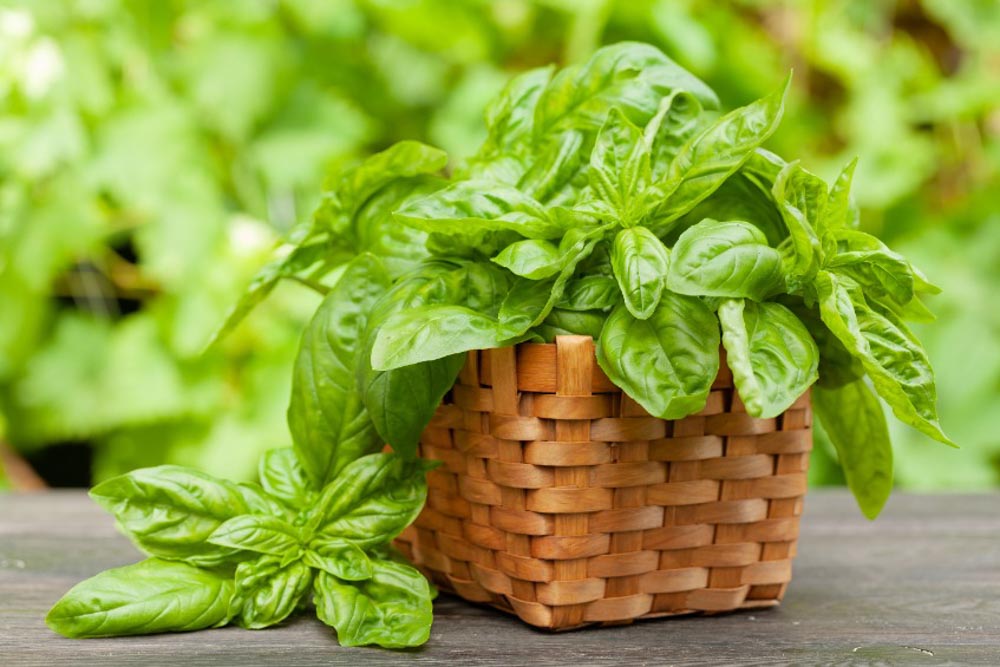
If you’re a fan of fresh, vibrant flavors in your cooking, basil is a must-have herb in your kitchen garden. This warm-weather annual herb, with varieties like sweet large leaf and spicy Thai, thrives in full sun and well-drained soil with a pH of 6.0-7.0.
Regular pruning encourages bushier growth and prevents flowering. To ensure the health and productivity of your basil plants, follow manufacturer guidelines for organic fertilizer application, as excessive nutrients can harm young seedlings.
Rich in vitamins, minerals, and antioxidants, basil enhances the flavor of soups, stews, and salads, making it a versatile culinary ingredient. For the best flavor, add basil towards the end of cooking to preserve its essential oils.
2. Rosemary

Rosemary, a versatile and aromatic herb, brings a touch of Mediterranean flair to your kitchen garden. This herb is easy to grow, thriving in well-drained soil with full sun exposure, needing at least six hours of sunlight daily.
Its pine-like aroma and flavor make it a common ingredient in Mediterranean cuisine. Similar to the bright indirect light needed for the Alocasia Black Velvet, rosemary also appreciates light but has a greater tolerance for direct sun.
Rosemary can be grown indoors in pots, allowing for easy winter maintenance, and it can withstand drought conditions once established. Regular pruning is essential for encouraging bushier growth and maintaining the plant’s health.
Beyond its culinary uses, rosemary offers potential health benefits, such as memory enhancement and antioxidant properties. Adding this herb to your garden not only elevates your dishes but also provides a fragrant and beneficial addition.
3. Thyme
:max_bytes(150000):strip_icc()/how-to-grow-thyme-1402630-hero-d44ccea3e3604c1db97d23761b25de52.jpg)
With its robust earthy flavor and versatility in various dishes, thyme emerges as a must-have herb in your kitchen garden.
Thyme, a Mediterranean herb, adds depth to marinades, soups, and roasted vegetables. To ensure its thriving growth, water the plant moderately, allowing the soil to dry out between waterings.
This hardy perennial loves basking in full sun and well-drained soil, making it a low-maintenance addition to your herb collection. Similar to coriander’s water needs, thyme requires careful watering to prevent issues such as root rot.
Harvest thyme year-round for the best flavor just before it blooms, when its leaves are most potent. Regular harvesting not only ensures a steady supply of fresh thyme for your recipes but also encourages bushier growth.
Keep these flavorful herbs on hand for a culinary boost anytime.
4. Mint
Thyme, a versatile herb that brings depth to various dishes, transitions us to the refreshing world of mint.
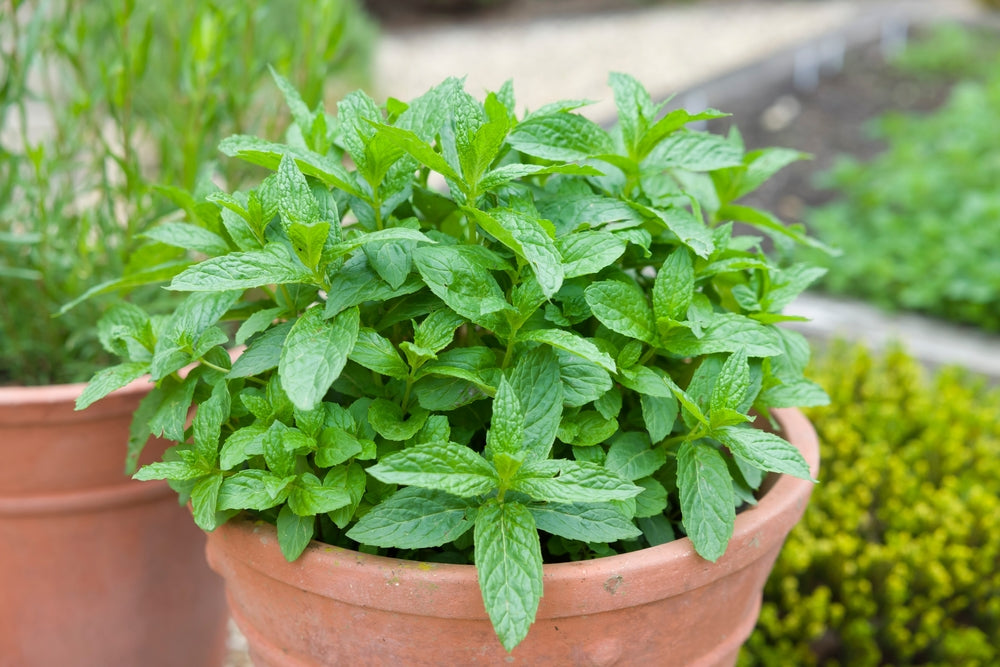
- Mint is a fast-growing herb that thrives in moist, well-drained soil and prefers partial shade, making it ideal for indoor gardens or shaded outdoor spots.
- Known for its refreshing flavor, mint is commonly used in beverages, desserts, and savory dishes, enhancing the taste of Mediterranean and Asian cuisines.
- Mint contains menthol, aiding digestion and providing a cooling sensation, making it popular in teas and summer drinks.
To grow mint successfully in your kitchen garden, opt for containers to prevent it from spreading uncontrollably.
Regularly harvest the leaves, cutting about an inch from the plant before flowering to maximize yield and encourage continuous growth.
5. Marjoram
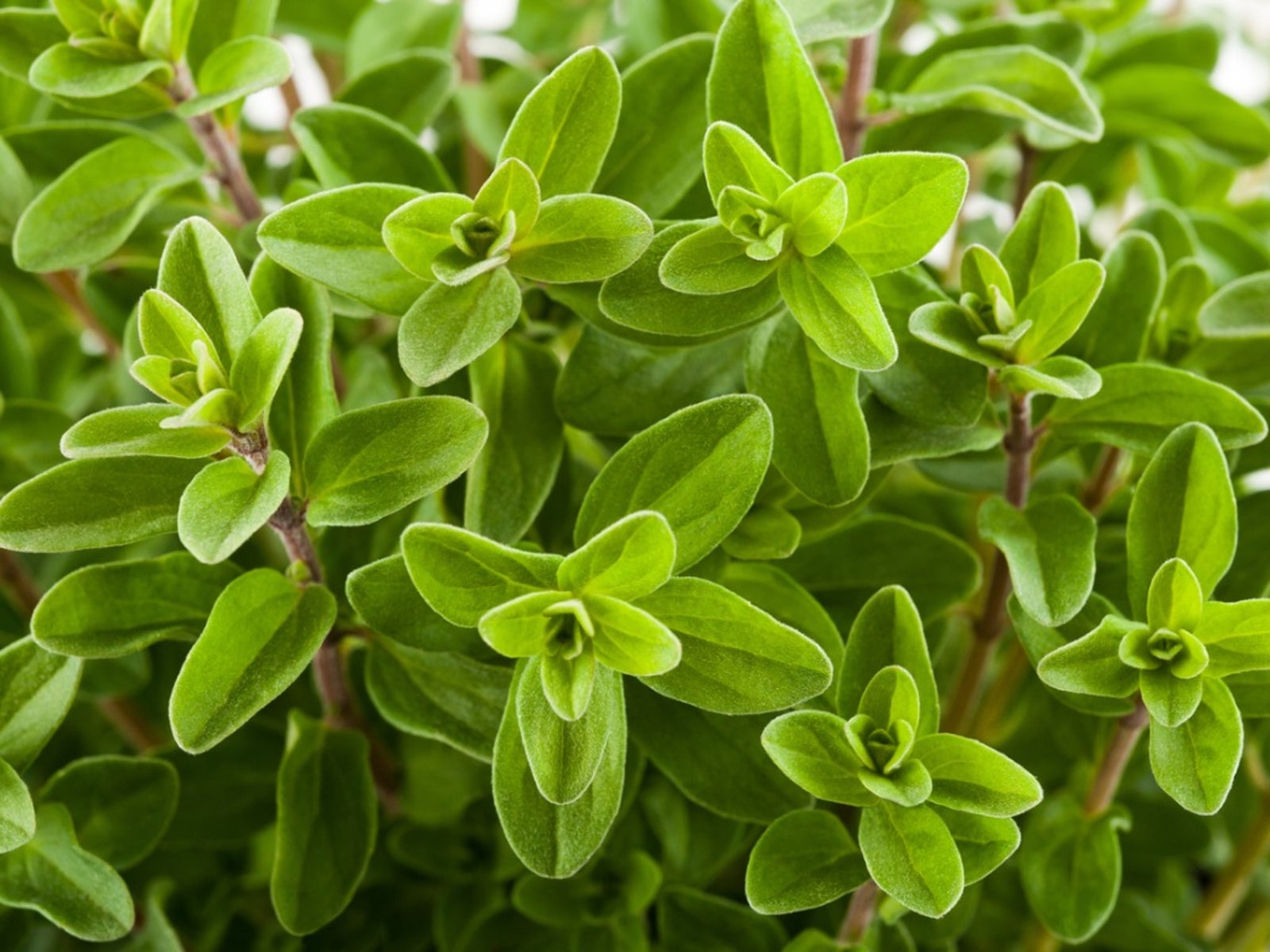
Let’s dive into the aromatic world of marjoram, a flavorful herb closely related to oregano.
Marjoram, commonly used in Mediterranean and Middle Eastern cuisines, thrives in sunny spots with well-draining soil. Remember to bring it indoors during winter since it’s not cold hardy.
This herb is a key ingredient in herb blends like herbes de Provence and zaatar, elevating dishes such as creamy dressings and sauces.
To maintain its flavor, make sure to regularly harvest and prune marjoram to encourage bushier growth and prevent flowering.
Apart from its culinary uses, marjoram is rich in antioxidants and may offer anti-inflammatory properties, making it not only a delicious but also a beneficial addition to your kitchen garden.
6. Oregano
:max_bytes(150000):strip_icc()/growing-oregano-plants-1402818-11-ce2a0899a12e4767a5ec71340464f508.jpg)
An essential herb in the kitchen garden, oregano is a versatile perennial known for its robust, earthy flavor that adds depth to various dishes.
- Thrives in Hot, Dry Conditions: Oregano prefers full sun and well-drained soil, making it ideal for outdoor gardens.
- Italian Cuisine Staple: Widely used in Italian dishes, oregano brings a distinctive flavor to pizzas, pasta sauces, and marinades.
- Health Benefits: Rich in antioxidants and anti-inflammatory properties, oregano not only enhances the taste of food but also provides health benefits.
Remember to trim oregano regularly to encourage bushier growth and harvest in the morning for the best flavor.
Drying the leaves intensifies the taste, perfect for sauces, soups, and grilled meats.
7. Parsley

Nestled among the essential herbs for a flourishing kitchen garden is parsley, a versatile herb prized for its rich nutritional content and distinct flavor profile.
There are two main types of parsley: curly, commonly used as a garnish, and flat-leaf (Italian), which offers a stronger flavor and is preferred for cooking. Rich in vitamins A, C, and K, parsley adds a nutritious boost to various dishes and salads.
To grow parsley successfully, ensure well-drained soil with consistent moisture, whether indoors or outdoors. Regular harvesting by cutting outer leaves encourages bushier growth and extends the plant’s lifespan.
Whether grown from seeds or purchased as plants, parsley takes about 70 to 90 days to reach maturity, offering a range of flavors to elevate your culinary creations.
8. Cilantro
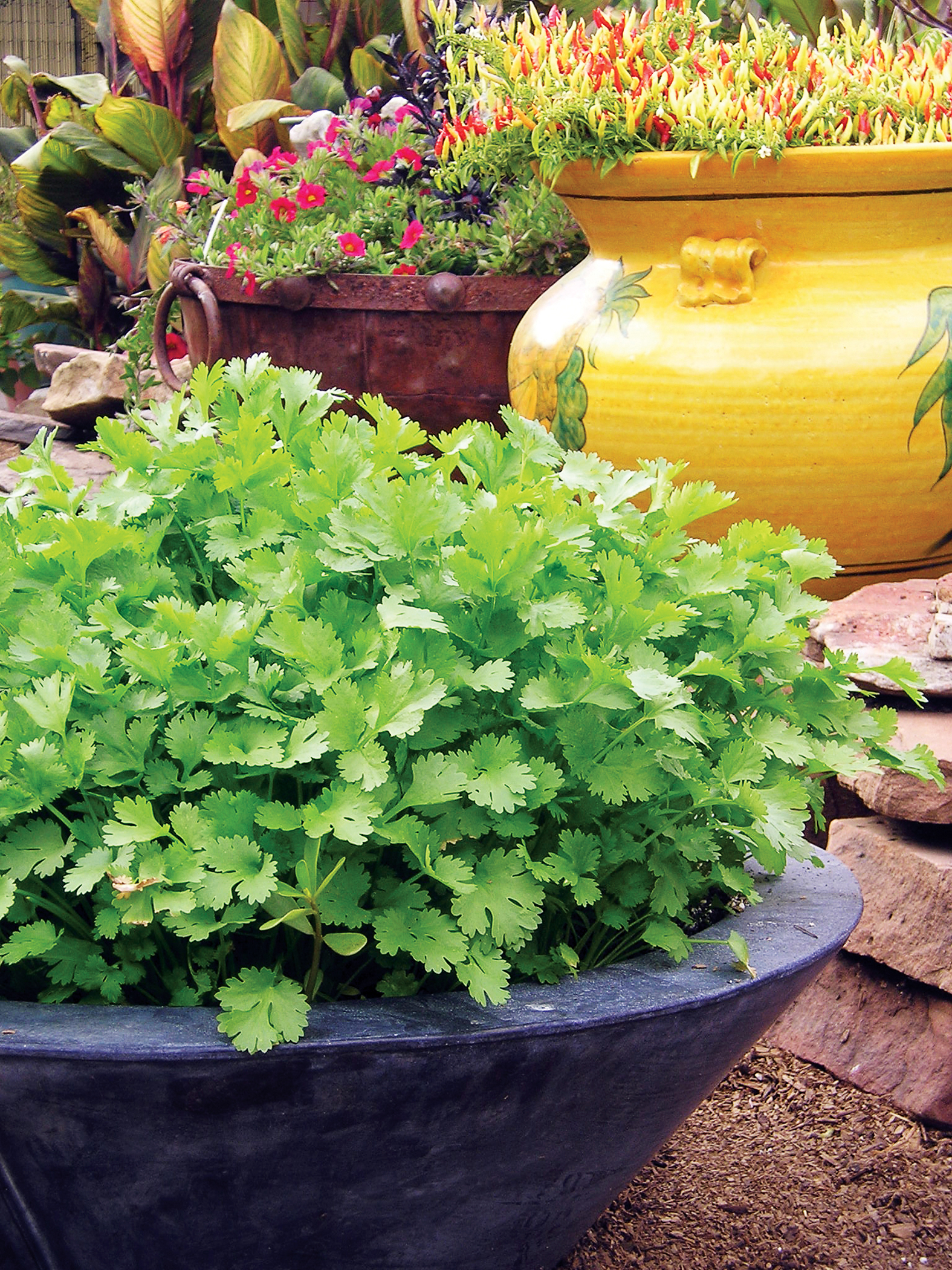
With its vibrant aroma and distinct flavor, cilantro stands out as a must-have herb in any kitchen garden. Cilantro, also known as coriander, can be easily grown indoors, providing a fresh supply for your culinary creations.
Here are some key points to consider:
- Fast Growth: Cilantro is a fast-growing annual herb that thrives in cooler temperatures and well-drained soil with a pH of 6.0-7.0.
- Versatile Usage: Both the leaves and stems of cilantro are edible, with the seeds (coriander) used as a spice in various cuisines.
- Health Benefits: Cilantro contains antioxidants and anti-inflammatory properties, making it a flavorful and healthful addition to your meals.
Incorporate this herb into your kitchen garden for a constant supply of this versatile herb.
9. Sage

Why is sage a must-have herb in your kitchen garden?
Sage, with its robust earthy flavor, is a culinary powerhouse perfect for enhancing poultry, meats, and stuffings. This hardy perennial thrives in full sun and well-drained soil, making it a low-maintenance addition to your garden.
Not only does sage add depth to dishes, but it also boasts potential anti-inflammatory properties and is packed with antioxidants. For the best flavor, harvest the young leaves before the plant flowers.
Propagating sage from cuttings or seeds is a breeze, and drying it for long-term use preserves its distinct taste. With its versatility and health benefits, having sage on hand ensures a flavorful and nutritious touch to your cooking.
10. Chives

Sage, with its robust earthy flavor and culinary versatility, sets a high standard in any kitchen garden.
When it comes to chives, this perennial herb is a must-have for any culinary enthusiast. Here’s why:
- Versatile Growth: Chives thrive in both pots and garden beds, basking in full sun, making them a perfect addition to kitchen gardens.
- Flavorful Garnish: With a mild onion flavor, chives are a versatile ingredient, perfect for garnishing soups, salads, and cream cheese spreads.
- Nutrient-Rich: Rich in essential vitamins like A, C, and K, along with folate, chives not only enhance flavor but contribute to a healthy diet.
Chives can be harvested repeatedly, ensuring a continuous supply for your culinary creations.
11. Tarragon
Tarragon, a perennial herb renowned for its distinctive anise-like flavor, is a prized addition to any kitchen garden. This herb, often used in French cuisine, can elevate the taste of dishes, particularly sauces and dressings.
Tarragon grows best in full sun and well-drained soil, requiring consistent watering for optimal growth. Unlike some herbs, tarragon is best propagated through division or purchased as established plants due to its difficulty growing from seed.
To enjoy its full flavor, harvest tarragon just before flowering when the leaves are most aromatic. Besides its culinary uses, tarragon is known for its potential health benefits, including antioxidants and aiding digestion.
Consider adding this flavorful herb to your kitchen garden for a touch of sophistication.
Dill
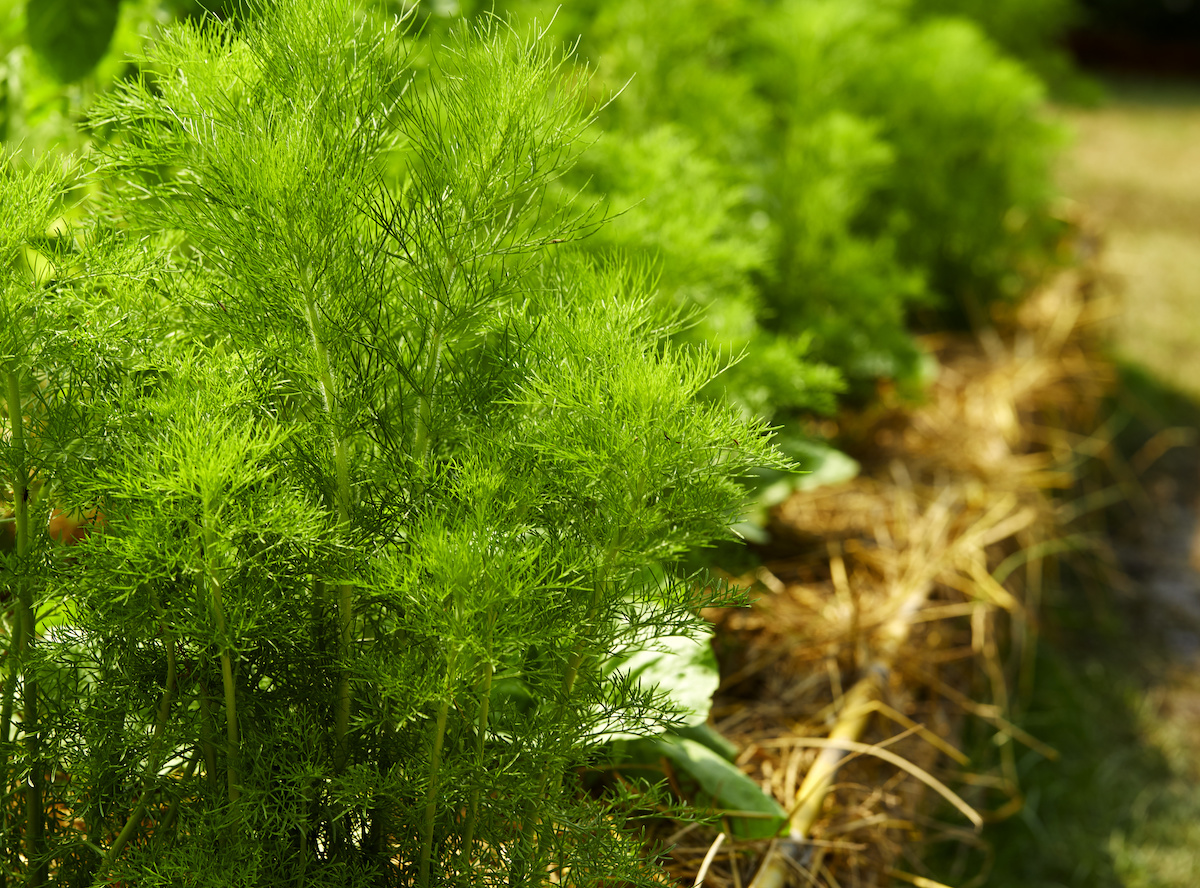
Dill, a versatile annual herb with a distinctive anise flavor, is a must-have in any kitchen garden.
When it comes to dill, here’s what you need to know:
- Used In Various Dishes: Dill is often used in pickling, dips, and seafood dishes, adding a unique flavor to your culinary creations.
- Thrives in Direct Sunlight: This herb thrives best in full sun, requiring well-drained soil for rapid growth and multiple harvests.
- Harvesting and Health Benefits: Both the leaves and seeds of dill are edible, rich in vitamins A and C, and antioxidants. Regular harvesting before flowering helps maintain continuous growth and flavor.
Include dill in your garden for a fresh and flavorful addition to your cooking repertoire.